ai-search
(50)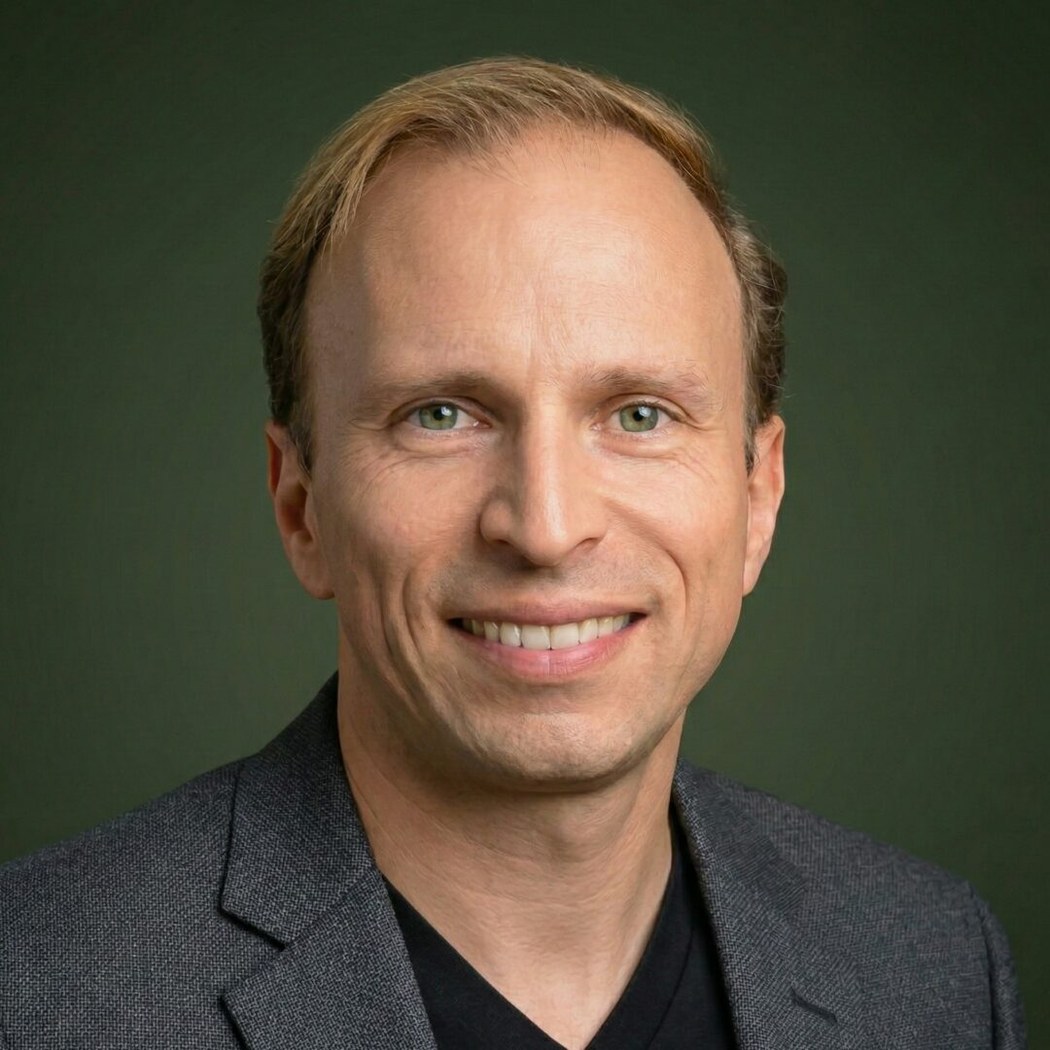
Alex Melen started with free websites. Then came the cost of growing up.
At 13, he opened a corner of the internet to strangers. With his brother at SmartSites, Alex Melen has spent the years since learning how to turn that invitation into a business that lasts.
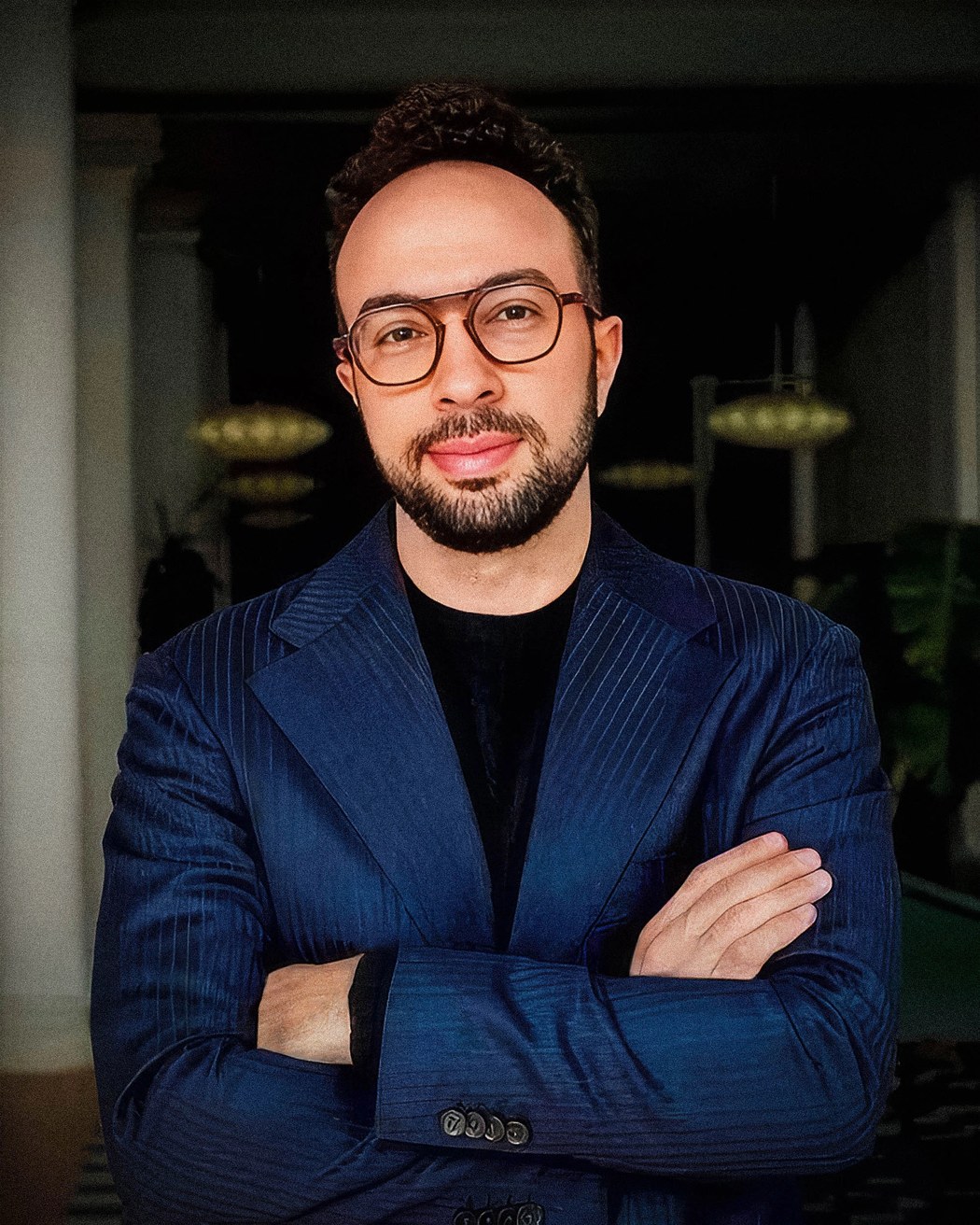
Mostafa M. Elbermawy keeps changing where the search begins
From archaeology to NoGood and Goodie AI, the Cairo-raised founder has followed one persistent question: how do people find something worth choosing?
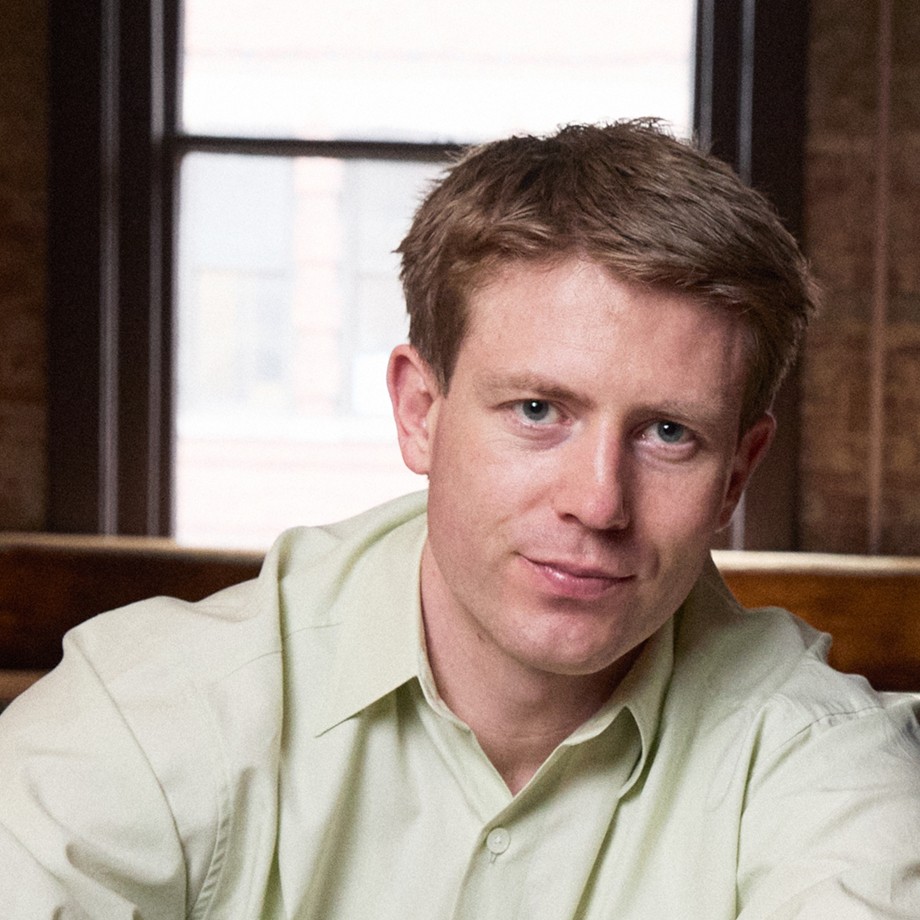
James Cadwallader and the customer who sends a machine
He helped brands win attention on YouTube and TikTok. At Profound, James Cadwallader is working out what happens when the reader is an AI agent shopping on somebody else’s behalf.

Neha Singh and the trouble with a perfect little rectangle
She went from Google to Vogue, then built Obsess to give online shopping a sense of place. After its acquisition, Neha Singh is asking how brands get discovered when the shop window is an AI answer.
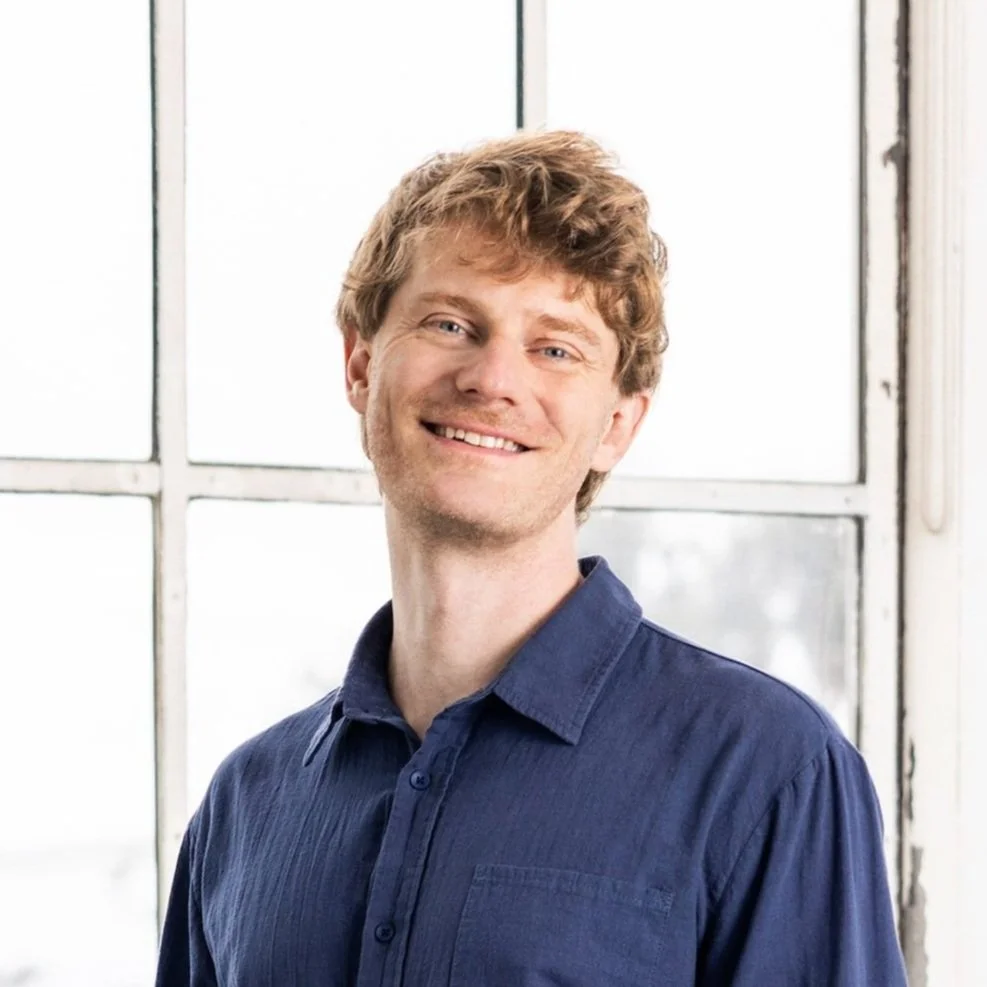
Richard Socher and the work of making himself unnecessary
He helped teach computers to work with language, then built companies to put that research to use. Now Richard Socher wants AI to take on more of the work of discovery itself.
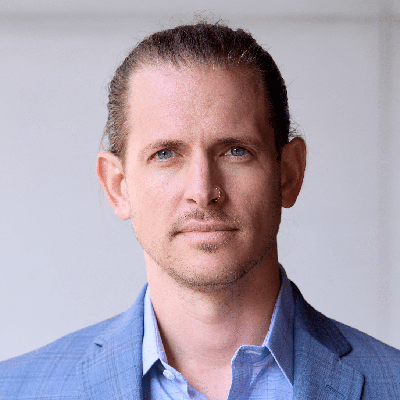
Michael Transon and the business of saying no
Victorious began as a solo consulting practice. Its founder’s recurring challenge has been deciding which opportunities to refuse - a discipline he now brings to the noisy business of AI search.
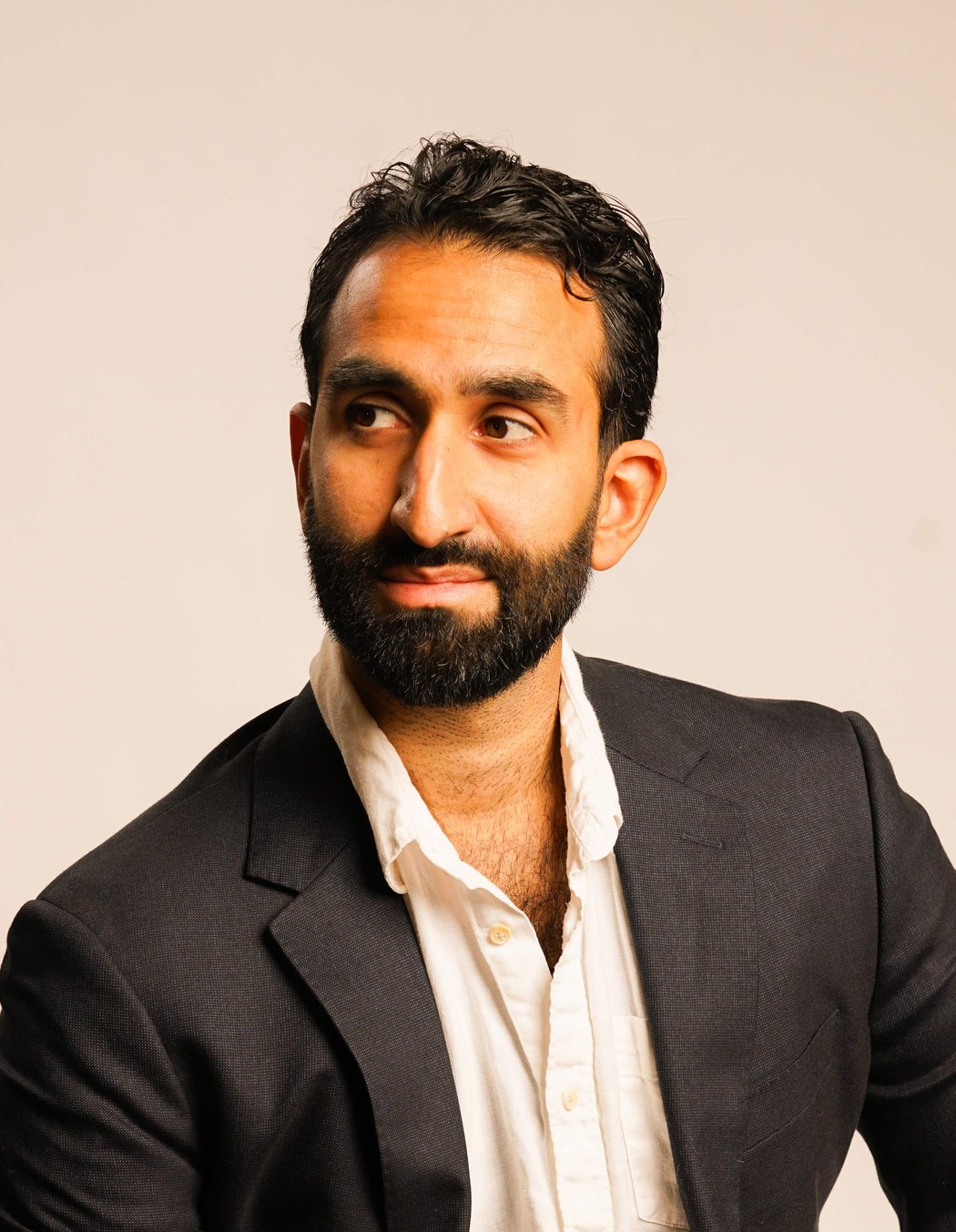
Manick Bhan and the $17 question
His first ticket sale made no profit. The question it raised - how a small business gets found - followed Manick Bhan from Rukkus to Search Atlas.

Harshal Shah and the business of being believed
From a small Ahmedabad team to twenty years of Elsner Technologies, Harshal Shah keeps returning to the same question: how do you earn the next person’s trust?
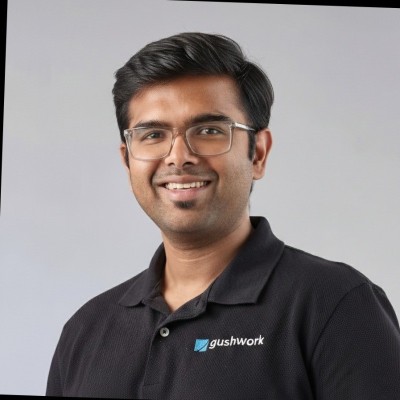
Nayrhit Bhattacharya and the business of being found
After evaluating thousands of startup pitches, Nayrhit Bhattacharya went to work on the other side of the table. At Gushwork, his search for a useful business has led from outsourced tasks to AI search - and a billboard in suburban Pennsylvania.
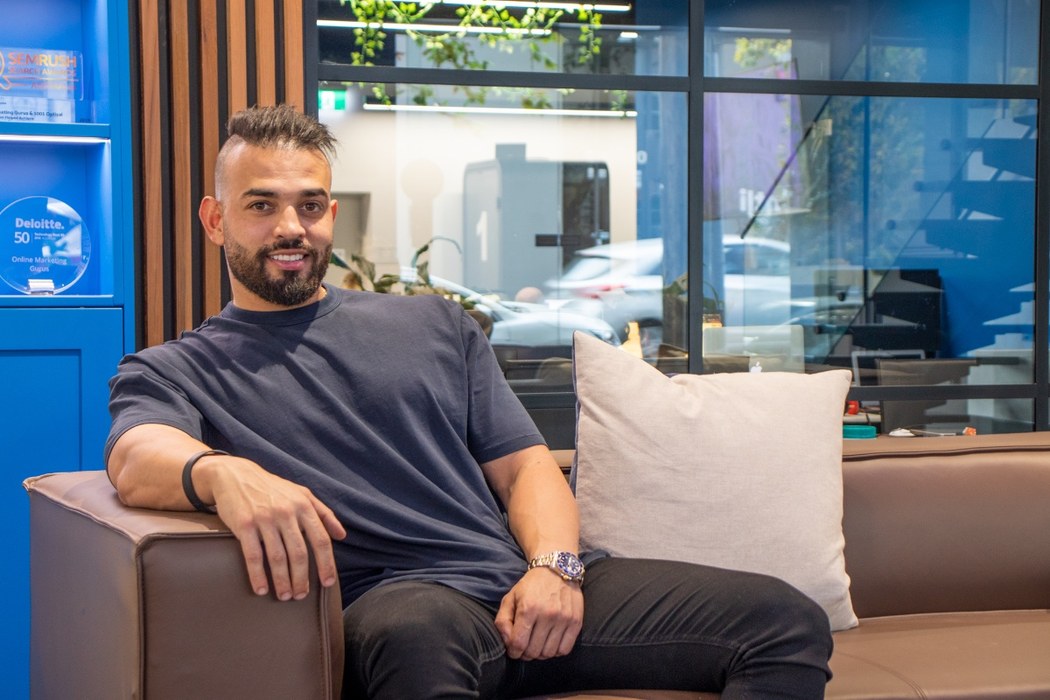
Andrew Raso and the trouble with being everyone’s friend
Andrew Raso built Online Marketing Gurus by finding common ground. Growing it across borders meant learning when a friendly conversation had to become a difficult one.
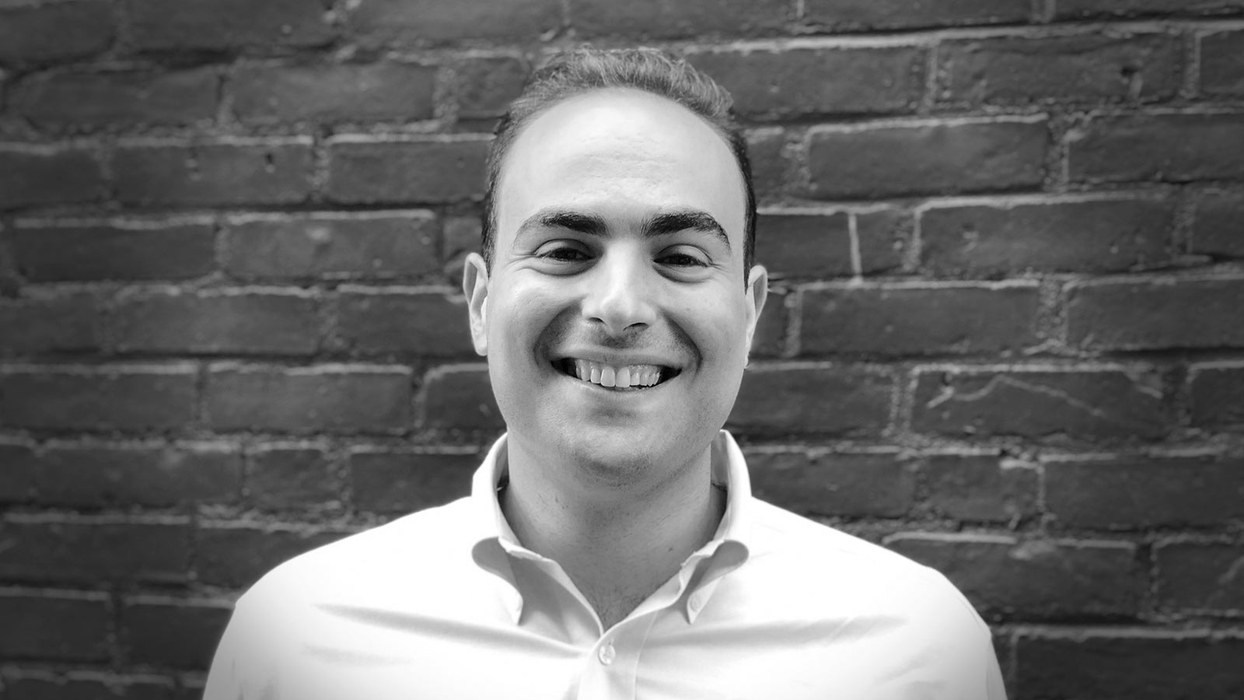
Ben Pleat and the business of staying
A move to Manhattan gave Ben Pleat a question the floor plan could not answer: how do strangers become neighbors? His company, Cobu, has spent years turning that question into a business.
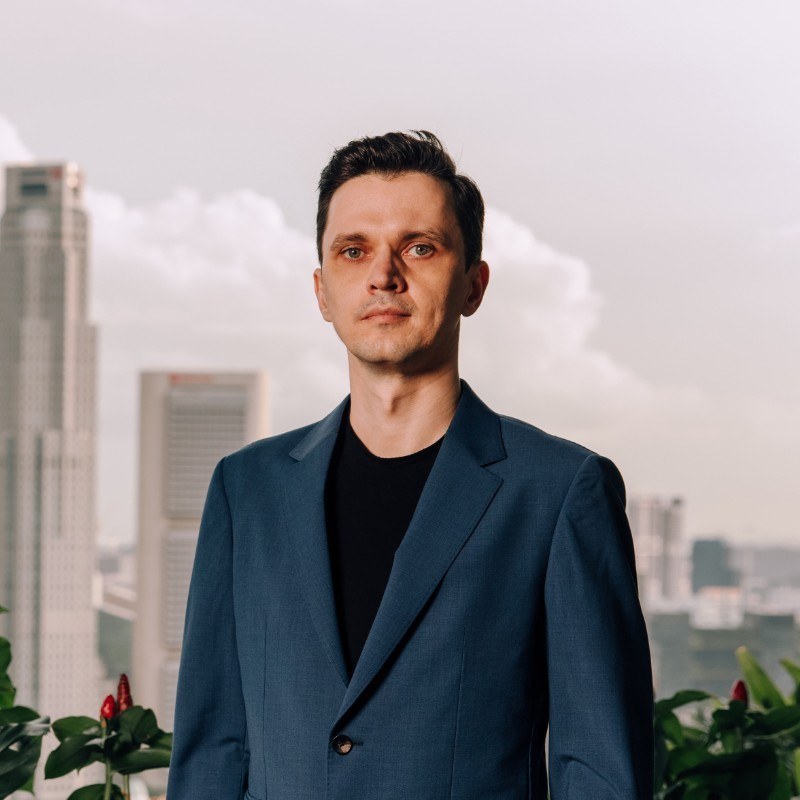
Dmytro Gerasymenko and the price of a search
He built Ahrefs by charging for a better map of the web. With Yep, the Ukrainian founder asked a more awkward question: who should get paid when we use it?
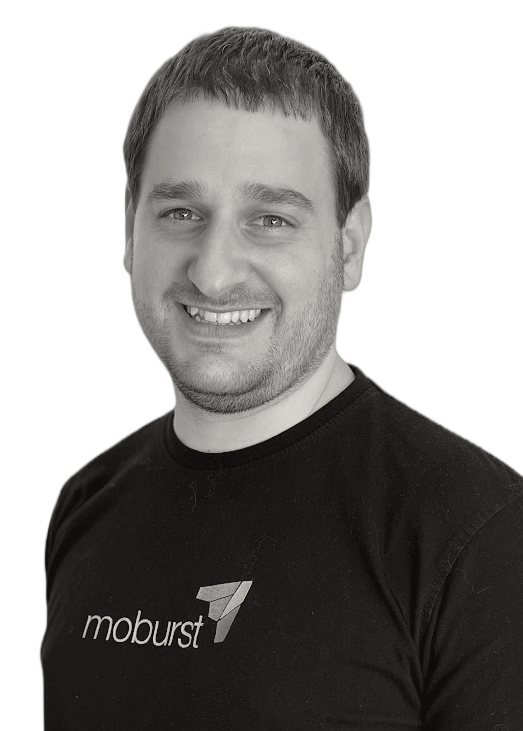
Gilad Bechar and the Growth That Began With No
Before Moburst could grow, Gilad Bechar had to shrink its client list. His path from mobile specialist to agency builder runs through nine months in Israel, a difficult reset, and a recurring question: what is actually working?
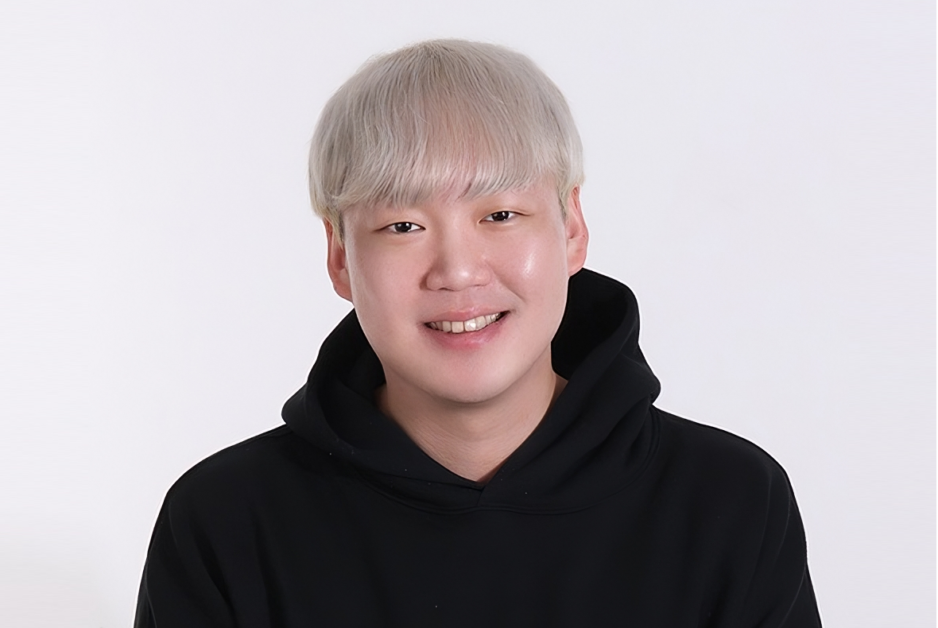
Jinu Kim and the sentence worth saving
Before Liner answered questions, it helped people underline sentences. Jinu Kim has spent a decade following that small act of attention toward a larger ambition: search that people, and now other AI systems, can use with confidence.
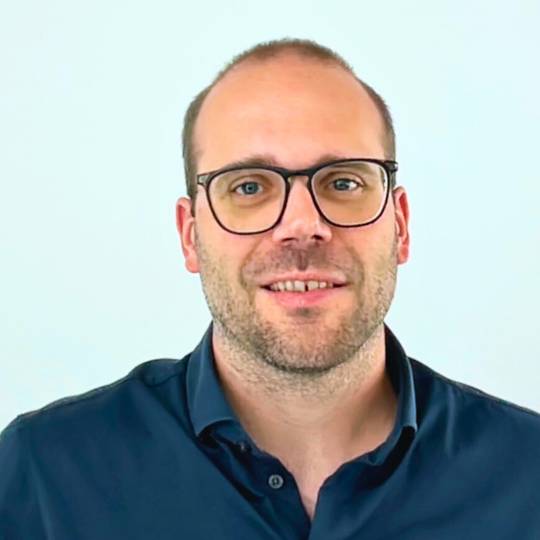
Josef Trauner and the trouble with a missing picture
A vague bug report set Josef Trauner on the path to Usersnap. After a decade of building and a sale to saas.group, he is working on another visibility problem: what AI search tells the world about a brand.
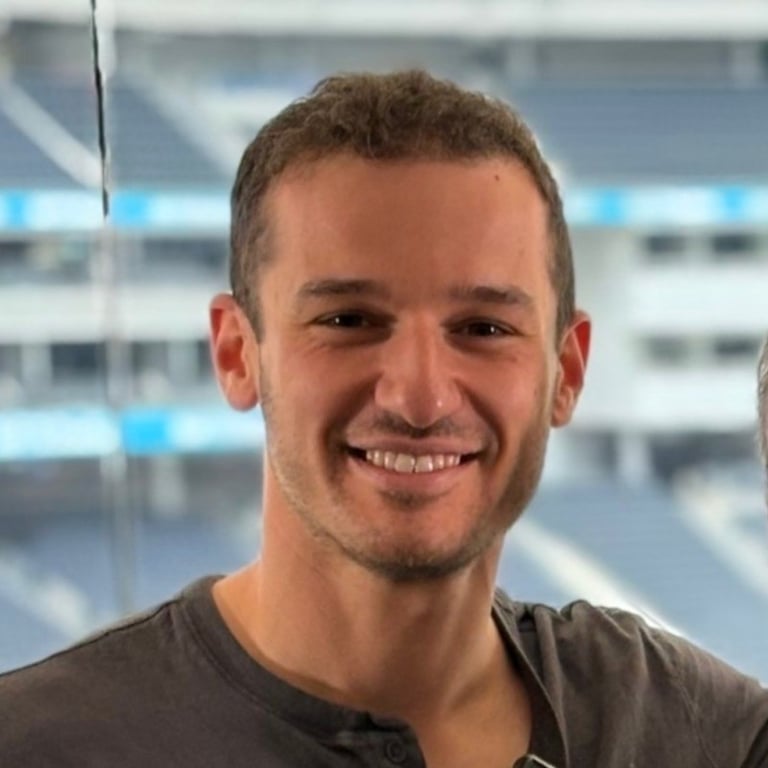
William Bryk and the book that became a search engine
He set out to write a history of civilization and ran into a problem with the present: finding useful information. Now the Exa co-founder is building search for machines, with a very human reason for caring.
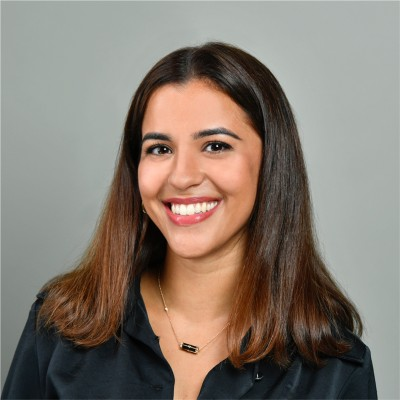
Ghita Houir Alami and the importance of finding the right thing
From a family living room in Morocco to Model Research at Notion, Ghita Houir Alami has built her career around a deceptively difficult question: what information does an AI actually need?
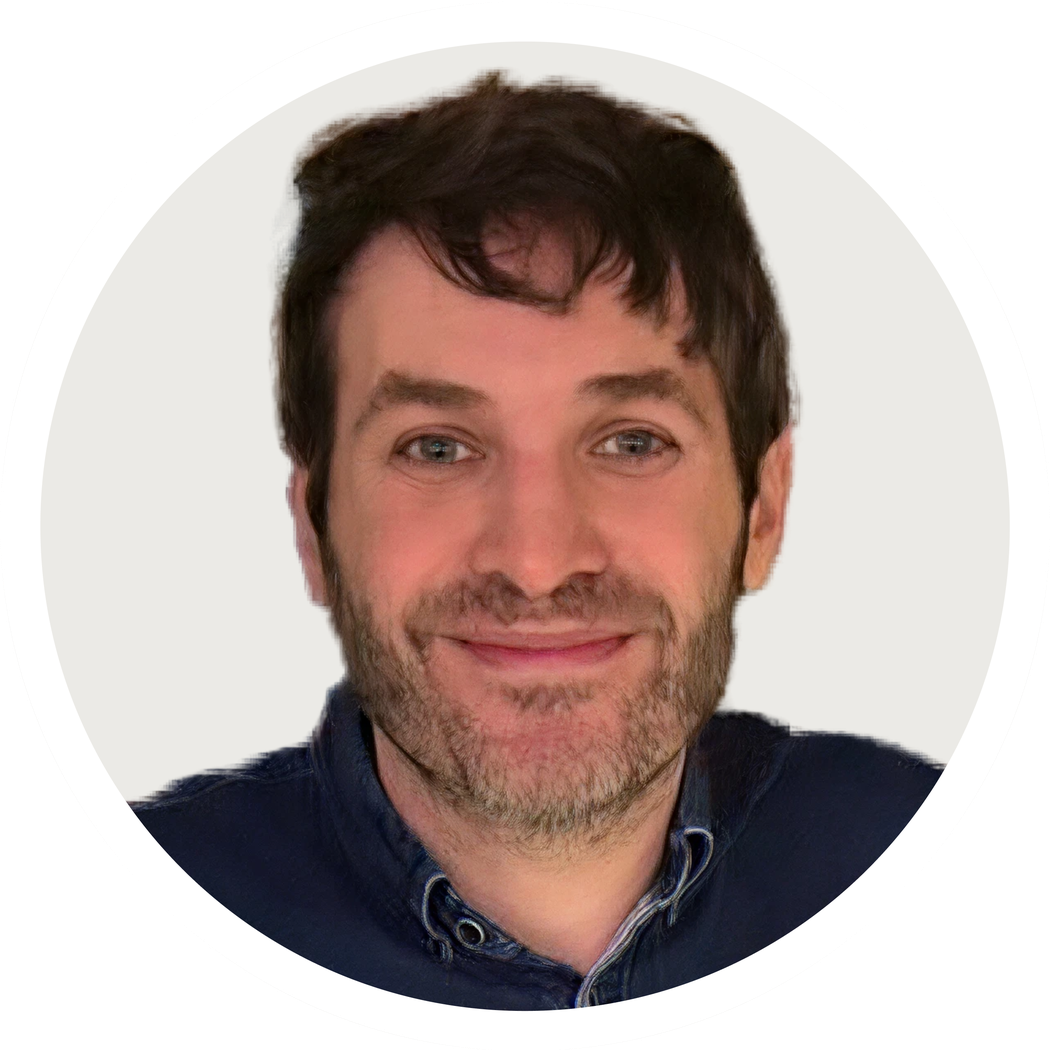
Anthemos Georgiades and the long wait for a book button
A frustrating apartment hunt sent an Oxford classicist into the rental business. Fourteen years after co-founding Zumper, Anthemos Georgiades has handed over the CEO role while the search for a simpler move enters its AI chapter.
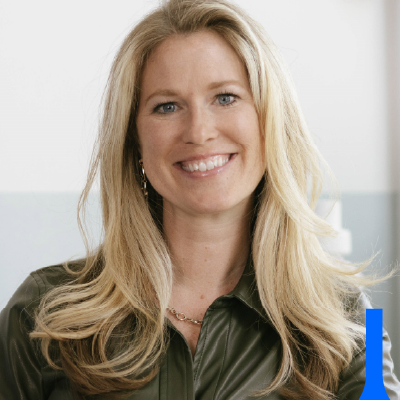
Lisa Jilek and the art of asking a better question
From a technology consultancy to Brandpoint, Lisa Jilek has made a career of connecting business ambitions with the people who carry them out. Her latest assignment asks what happens to a brand when the answer arrives before the click.
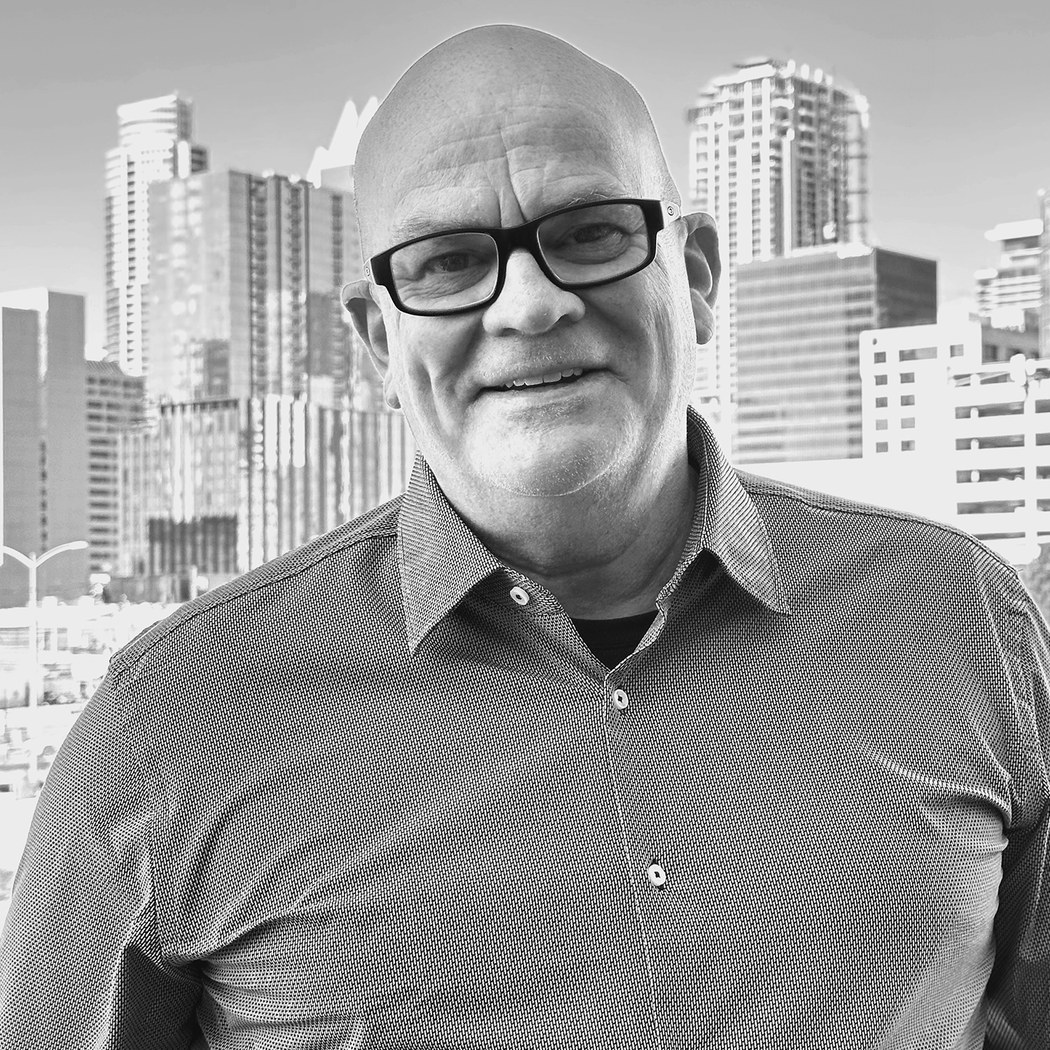
Tim Haslam and the business of being found
After 18 years in the Yellow Pages business, Tim Haslam brought research-led newsmaking to New York. Now the Talker founder is asking what happens when the customer’s first recommendation comes from an AI assistant.
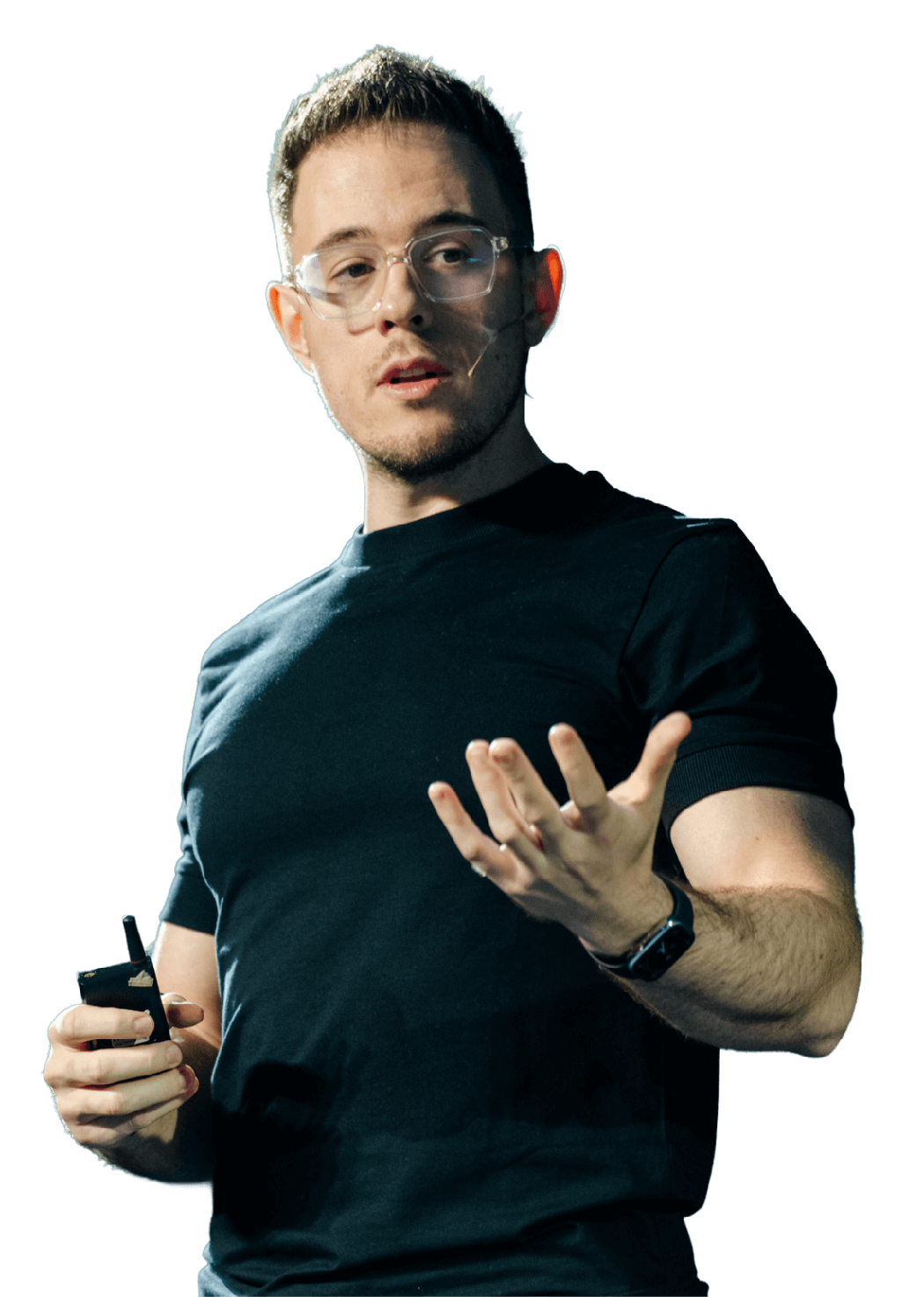
Kevin Indig Learned Search by Building a Gaming Website. Now He Studies What Happens When Search Stops Sending Clicks.
A teenage tournament site set Kevin Indig on a path through Atlassian, G2 and Shopify. Today his Growth Memo asks a harder question: what does growth mean when an answer engine keeps the visit for itself?
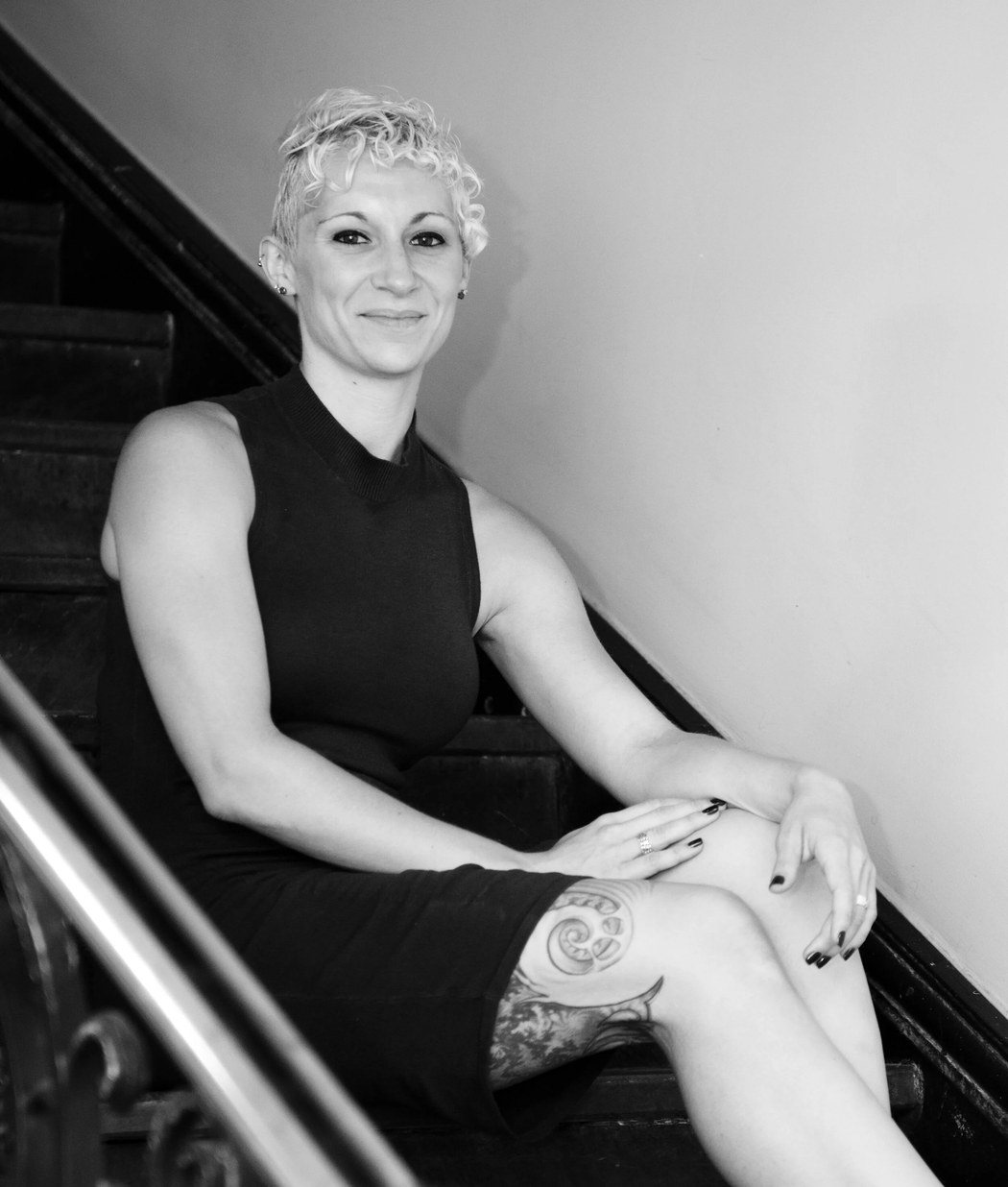
Lily Ray and the Rhythm of a Changing Search Engine
A drummer who learned search the hard way now studies what happens when the rules change. In 2026, Lily Ray gave that work a second address: her own consultancy, Algorythmic.
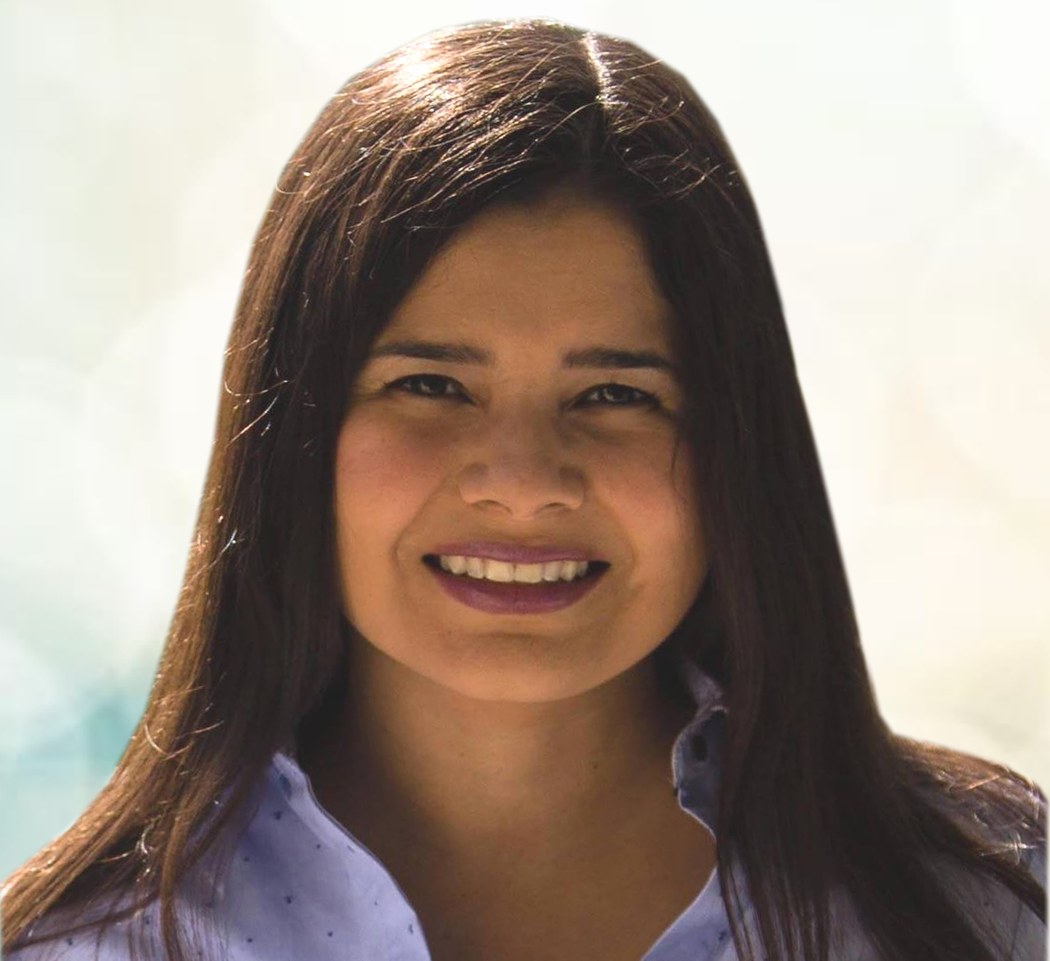
Aleyda Solís and the Search for a Better Question
She began by asking how anyone would find the websites she built. Nearly two decades later, the founder of Orainti is still asking how discovery works - and teaching others to ask with her.
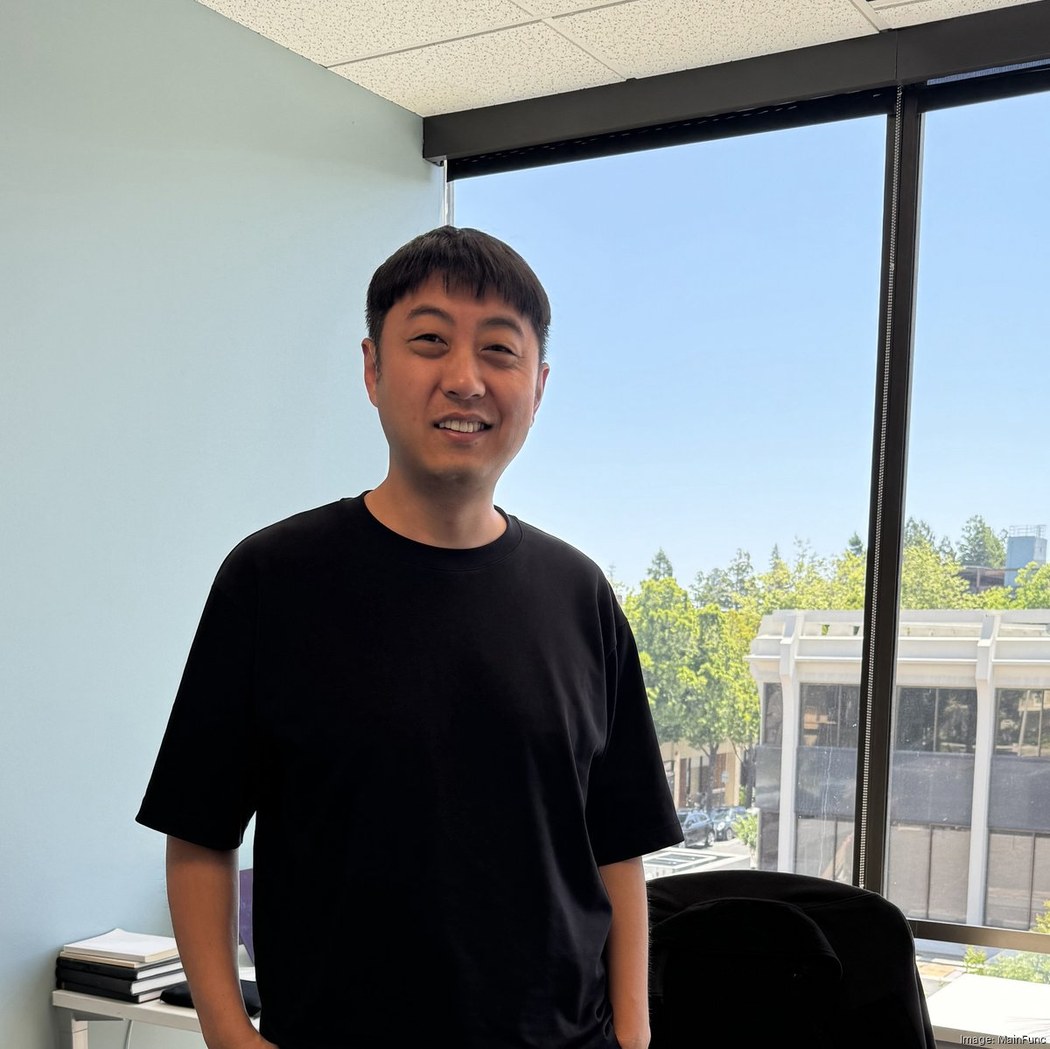
Eric Jing Spent 20 Years Helping People Find Answers. Now He Wants the Work Done.
A Bing veteran built an AI search product that drew millions of users. Then he asked a more troublesome question: what if the search result could finish the job?

Johnny Ho and the Art of the Useful No
Before he helped turn search into a conversation, Johnny Ho learned to prize the exact answer, the fast decision, and the feature left unbuilt. His career is a study in disciplined velocity.
Denis Yarats and the Five-Hour Bet on Better Answers
A competitive programmer became a research scientist, then helped turn citations into a consumer habit. The revealing part of Denis Yarats's story is not a single breakthrough, but his stubborn preference for building the next small thing correctly.

Heather Holmes Built a PR Firm With a Hitch
She learned publicity by counting interviews, built an agency from 23 feet of aluminum, and now argues that earned trust is what helps brands survive the age of AI answers.
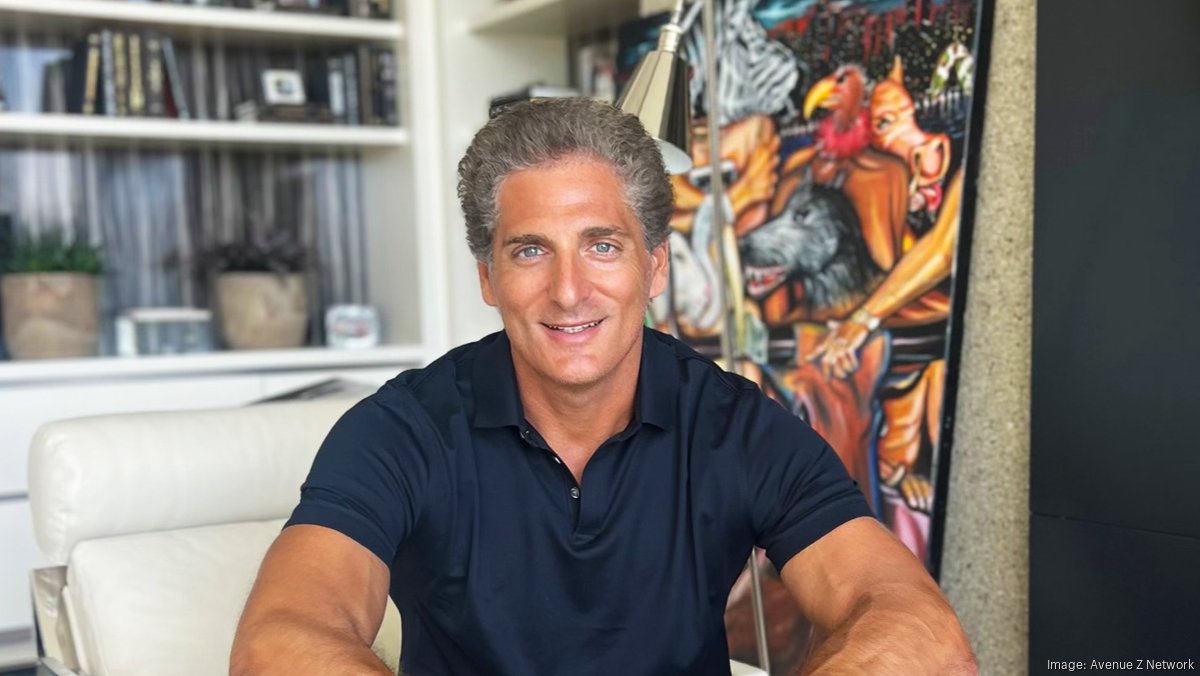
Jeffrey Herzog Built for Google. Now He’s Betting on the Answer Machine.
The founder who caught search before it became an industry is back at the same old puzzle in a new disguise: how does a business become the answer people trust?
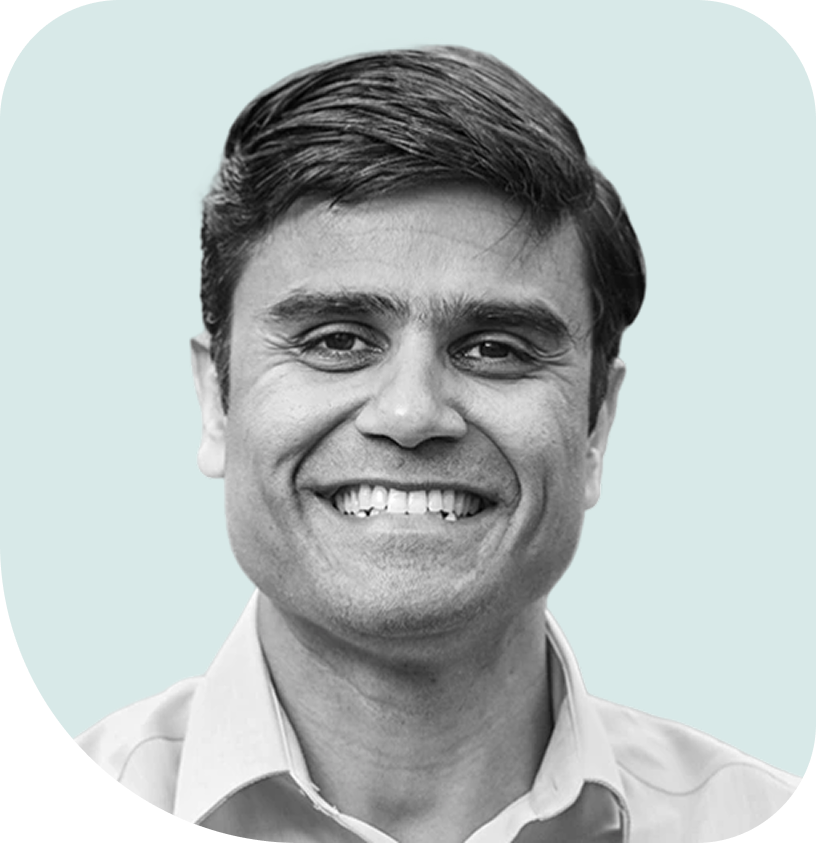
Deepak Bahree Is Teaching Marketing to Think in Locations
The Birdeye CMO has spent two decades turning technical systems into growth systems. His latest argument is simple: AI matters only when it can do useful work for every location.

Christy Roach Used AirOps to Hit Her Numbers. Then She Joined the Company.
The product had already earned her trust from the customer side. Now the former AssemblyAI CMO is selling a practical vision of AI marketing - faster execution, stronger judgment, and no patience for automation theater.