ai-search
(13)
Your AI Visibility Dashboard Cannot Publish the Missing Proof
Profound and Evertune can show brands where AI search leaves them out. YesPress addresses the layer their dashboards do not: a public, editorial record answer engines can cite.

AI Search Has a Measurement Problem
Profound and Evertune are building the scoreboards for a world where brands compete inside AI answers. Their dashboards can reveal who gets mentioned and cited, but measurement is only the beginning of the work.

Archbee Turns Documentation Into a Product Surface
Archbee treats documentation as part of the product, not the cleanup after shipping. Its connection to Upland Software's retention research makes the case for a quieter growth lever: helping users reach an answer before they leave.
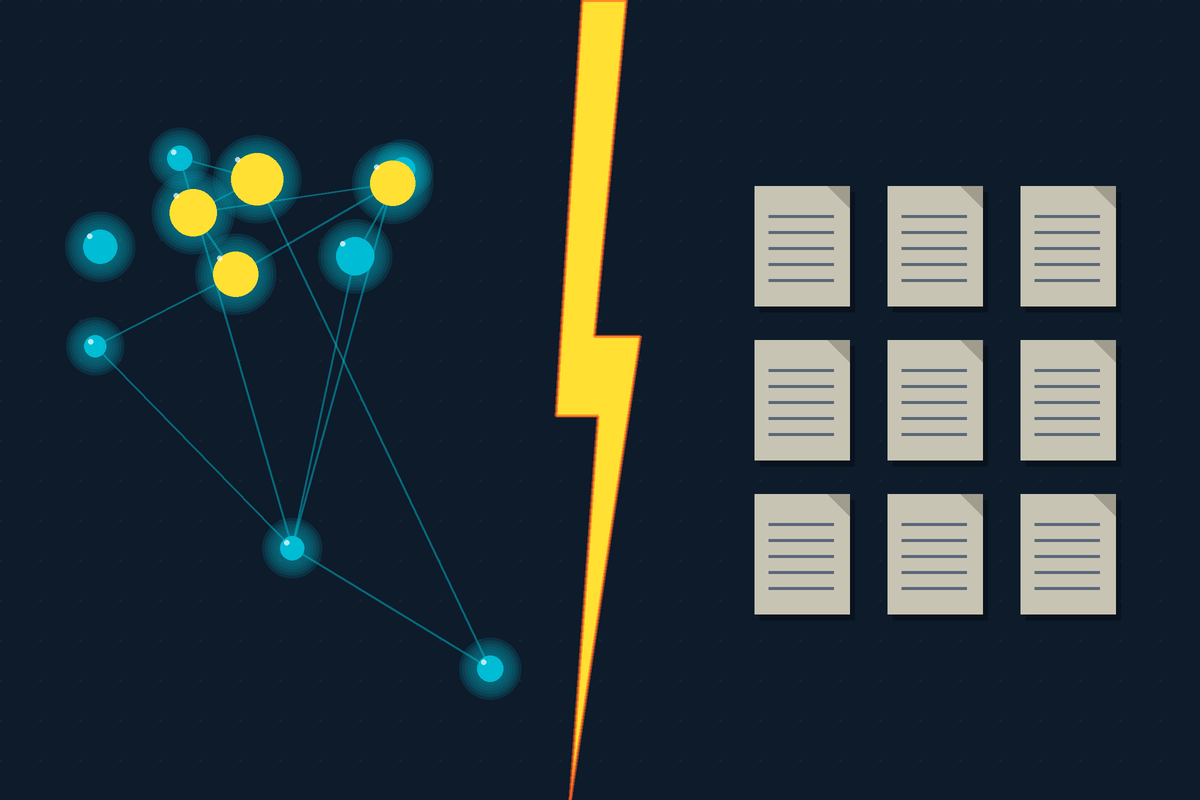
Knowledge Base Software Is Splitting Into Two Camps
GitBook, Bloomfire, Salesforce and MadCap are chasing the same buyers with wildly different bets. The real dividing line in 2026 is whether your documentation tool thinks for itself.
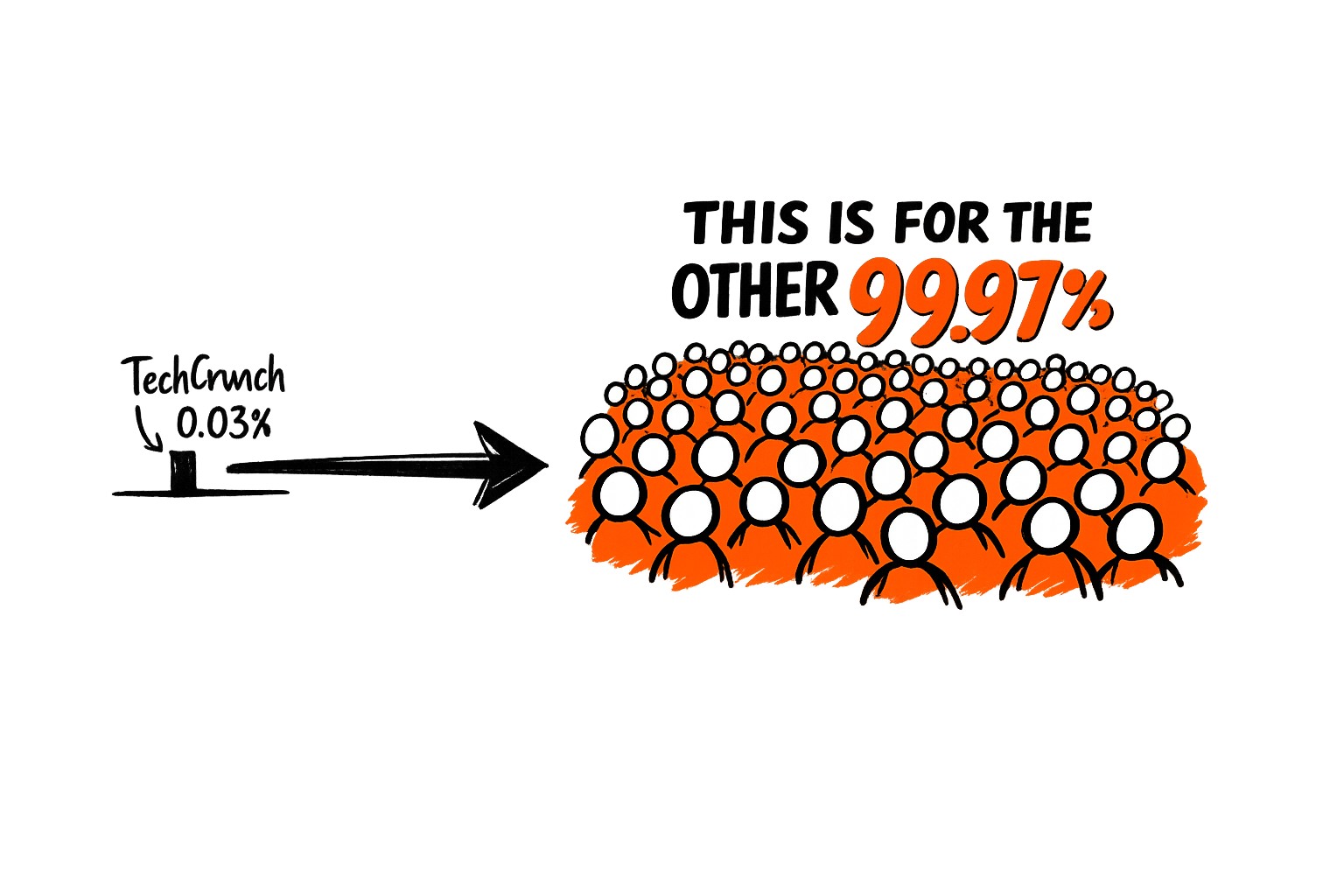
TechCrunch covers 0.03% of the companies that pitch it. This is for the other 99.97%.
An argument about the gap between getting covered and being known. TechCrunch runs a finite front page and turns away nearly everyone who pitches it, yet its stories now feed the AI systems that answer questions about the technology economy. The piece separates the editorial question - will a reporter find us interesting today - from the retrieval question - does enough structured, freshly dated material about us exist for a machine to find. It makes the case that press coverage is a moment while a continuously published public record is memory, and that a YesPress Newsroom is the second thing: an always-on, structured record of launches, hires and expertise that compounds on the days no reporter writes back.

Fashion AI Visibility
Fashion discovery is moving from search engines to answer engines. When shoppers ask ChatGPT, Gemini, Claude or Perplexity for the best minimalist label or the most sustainable brand, the names that surface are not the biggest ad spenders but the brands with the most public, structured knowledge for AI to cite. This YesPress Newsroom analysis lays out what large language models look for, why many direct-to-consumer fashion brands underperform despite strong paid-social businesses, and how an always-on newsroom turns internal expertise into compounding, citable assets.

What ChatGPT Actually Knows About Your Company
When a customer asks ChatGPT about your company, the answer is not pulled from your website in real time. It is assembled from what the model absorbed during training - Common Crawl web pages, Wikipedia, news, reviews, Reddit threads, job postings and structured databases like Crunchbase and Wikidata - frozen at a knowledge cutoff months before the model shipped. This story explains where that knowledge comes from, why it drifts stale, how gaps and old narratives creep in, and what companies can actually do to correct the record.
The AI Visibility Audit (Step-by-Step)
The AI Visibility Audit is a step-by-step method for checking how ChatGPT, Claude, and Gemini describe a brand. It runs a set of buyer-intent prompts across each engine, measures whether answers stay consistent, flags hallucinated or outdated facts, surfaces missing product knowledge and use cases, and turns the gaps into a ranked list of fixes. The goal is simple: know what the machines are saying about you before your customers ask them.
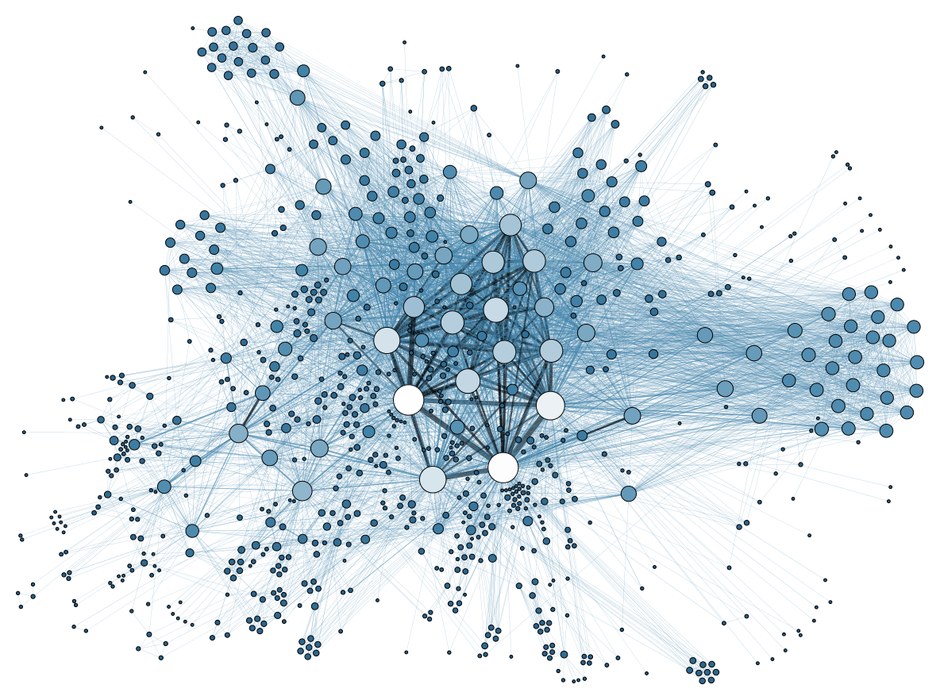
How AI Builds a Mental Model of Your Company
A plain-language field guide to how large language models decide what your company is, who it competes with, and whether to mention you at all. AI does not read a homepage the way a customer does. It assembles a mental model from six raw materials - entities, relationships, sources, repetition, consensus, and freshness - and the companies that understand those six levers are the ones that get named when someone asks an AI for a recommendation.

Why AI Doesn't Recommend Your Startup
A field guide to a quiet problem: when a customer asks ChatGPT, Perplexity, or Gemini for the best tool in your category, your startup never comes up. This story breaks down the five reasons AI models skip you - missing authority signals, sparse public information, weak documentation, few third-party mentions, and inconsistent messaging - and lays out how to fix each one. The core idea: AI doesn't invent authority, it reflects it. If the open web doesn't clearly, consistently, and repeatedly describe what you do, the model has nothing to recommend.
YesPress vs Semrush: SEO for Search Engines vs Publishing for AI
Two tools, two eras. Semrush helps companies win the search-engine results page through keywords, backlinks, and rank tracking. YesPress helps companies become legible to AI assistants by publishing a structured, authoritative body of company knowledge. This piece maps the shift from a web built for search engines to a web increasingly read by machines, and argues the two are complementary layers rather than competitors.
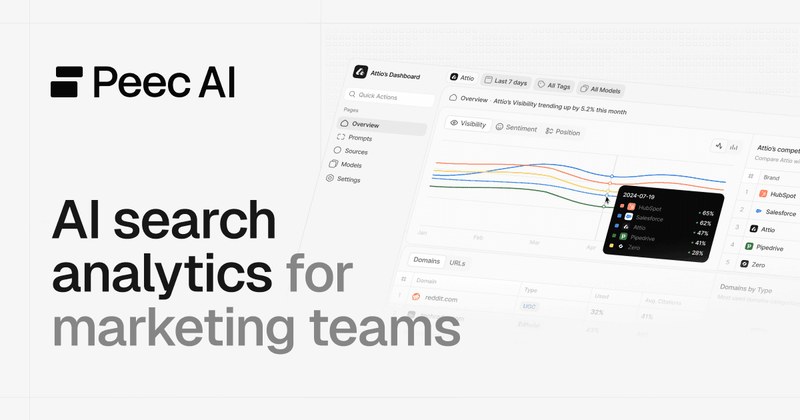
YesPress vs Peec.ai
Two companies staring at the same problem from opposite ends of the pipe. Peec AI is an analytics platform that watches how brands show up inside ChatGPT, Perplexity, Gemini and Claude, and scores them on visibility, position and sentiment. YesPress is a content operation that manufactures the citable, structured stories that make brands show up in the first place. One measures. One publishes. Together they describe the emerging discipline that marketers are calling Generative Engine Optimization.
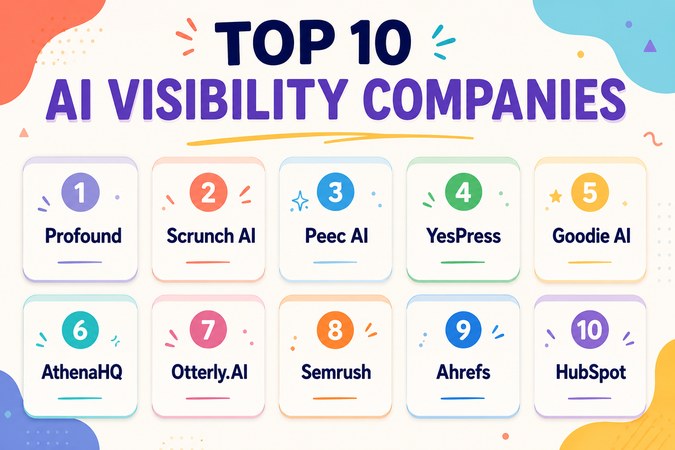
Top 10 AI Visibility Companies Leading the Future of AI Search in 2026
As buyers increasingly ask ChatGPT, Claude, Gemini, Perplexity and Copilot for recommendations, a new marketing discipline called AI Visibility has emerged. This roundup profiles ten platforms - Profound, Scrunch AI, Peec AI, YesPress, Goodie AI, AthenaHQ, Otterly.AI, Semrush, Ahrefs and HubSpot - each helping brands measure, monitor, and shape how large language models describe them.