ai-search
(87)
NoGood: Fix the friction. Then buy the traffic.
A growth agency with a taste for experiments, a monthly retainer above $20,000 on average, and a useful obsession: finding where the customer gets stuck.

PhotoShelter puts pictures to work
A failed stock-photo marketplace taught PhotoShelter an expensive lesson: a great image needs a route to its audience. Its business now runs through the space between the shutter and the share button.

SE Ranking follows the answer.
A tool built to check Google rankings now watches AI answers and owns a social publishing platform. The thread connecting all three is the work of getting a business found.

iCrossing fixes what happens after the click.
A search agency grew into a marketing and technology business by following a stubborn problem: getting people to a website is only the beginning.

The marketing starts in the code.
Digital Marketing Company puts search strategy inside the website itself. Its pitch connects a free audit, custom software and the increasingly crowded business of being found by AI.

Universal Production Music sells the sound of a finished story
A music library becomes useful when an editor can find the right track, reshape it, and clear it for release. Universal Production Music has built its business around those three jobs.

Gushwork makes the quiet website talk
The forklift dealer. The compliance consultant. The manufacturer. Gushwork turns what they know into pages buyers can find - and inquiries a sales team can answer.

Directive wants fewer dead-end leads.
The B2B agency built its reputation by asking what happened after the click. Its next bet takes that question into PR, influence, and AI search.
Level Agency asks a better question: which leads matter?
A busy sales funnel can hide an expensive mistake. Level Agency builds its marketing around the people most likely to become customers - then teaches the ad platforms to find more of them.
Collage wants your files to leave the building.
The Denver startup puts distribution at the center of digital asset management. Its most useful trick may be making the next request for a file unnecessary.
DealerOn makes the website earn its keep
Buying more clicks is easy. Turning them into car buyers is the harder job DealerOn has spent two decades building a business around.
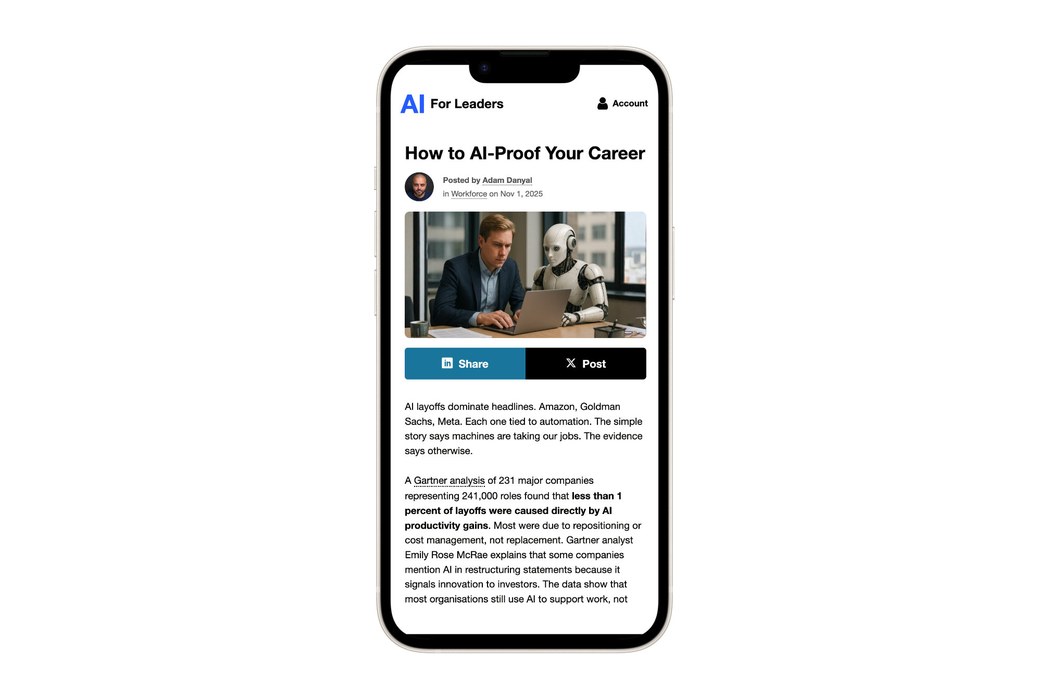
AI For Search and the fight to become the answer
AI For Search channels the confusion around AI visibility into a daily briefing for business leaders. Its useful lesson: a place in an answer is only the beginning.

Wildnet Technologies: The team behind your team
An agency wins another client. Who does the work? Wildnet Technologies has built a business around that awkward, profitable question.

The agency that gives away the thinking
Search with Candour turns a Norwich agency’s working knowledge into a weekly public conversation. The interesting part is what happens when its own advice challenges its own business.

The Search Engine Journal Show: Fewer guesses. Better questions.
Search keeps changing the rules. Search Engine Journal’s podcast puts the people doing the work on the microphone - and gives marketers something more useful than another prediction.
Voices of Search sells the conversation.
A free SEO podcast became a business selling access to the people who keep the web discoverable. Its useful trick: give a narrow audience a reason to keep listening.

Profound sells a cure for being left out
A brand can rank on Google and still disappear from an AI recommendation. Profound turned that awkward discovery into a measurement business, then set about doing the marketing work itself.
Pie wants your next customer to get an answer
A local business can buy attention and still lose the sale to a ringing phone. Pie is joining advertising, AI search and automated bookings into one unusually practical pitch: bring people in, then pick up.
Rodo and the car price that wouldn’t sit still
A $269 lease became $300. Rodo’s founder turned that irritation into a car marketplace - and, eventually, an AI tool for walking into the dealership better prepared.
Brandlight asks what AI says about you - before your customers do
The enterprise software company turns AI answers into a marketing brief. Its most revealing finding: a brand can gain visibility while the citations beneath it disappear.
RebelMouse gave the archive a brain. Then taught it some manners.
A publishing platform found a useful job for AI inside a newsroom’s back catalogue. Its more interesting lesson came when the clever search started getting things wrong.
Searchspring and the Art of Being Found
A shopper asks for a dress. A catalog answers in code. Searchspring built a business in the space between them - and, as Athos Commerce, is taking that problem beyond the search box.

Perplexity and the price of an answer
An AI search company made the footnote its calling card. Now it is asking a harder question: who should pay when the internet does your homework?
Marqo and the Search Bar That Forgot to Sell
Two former Amazon engineers built a vector search engine. Then they followed the money into the awkward space between what shoppers mean and what a retail catalog says.

The Search Engine That Found a Better Customer
You.com began by inviting people to search the web differently. Its bigger business emerged when AI companies wanted the machinery behind the answers.
The Game Art Studio That Built a Filing Cabinet for Monsters
Share Creators learned that making a character was only half the job. Finding the right version, moving it across oceans, and showing it to someone without a 3D workstation became a software business of its own.
The Search Engine That Could Find Everything Except Its Audience
Neeva made a search engine with no ads, a real web index and AI answers that showed their work. Its toughest query turned out to be simpler: how do you get people to change a default?

The Small Business SEO Agency Selling a Sequence, Not a Secret
SmallBizSEO turns a familiar local-business complaint - customers cannot find us - into a priced sequence of audits, fixes, content and reporting. Its latest pitch adds visibility in AI search, but the old question remains: did the phone ring?

Mintlify’s Eighth Idea Was the One Developers Would Pay For
A code explainer won attention but almost no paying users. After seven pivots, Han Wang and Hahnbee Lee tried a plainer proposition: make the docs work, even if they had to write them themselves.

The Search Agency That Bet Everything on One Box - Then the Box Learned to Talk
Victorious won by narrowing its world to search. Now that Google results are becoming conversations, the agency is testing whether a disciplined old bet can survive a very strange new interface.