The Philadelphia Eagles had the photographs. What they lacked was a convenient way to put them in players’ hands. Someone on the social team would download pictures, then text them to individual players. A professional image began its journey in a sophisticated camera and finished in an administrative queue. Meanwhile, fans found something else to look at.
PhotoShelter’s customer account describes the replacement: a searchable library, automated player tagging, and notifications when pictures are ready. The mundane step in the middle becomes smaller. That is a useful introduction to this company. Its subject is photography. Its recurring problem is the handoff.
- Cloud libraries for marketing teams; websites and sales tools for photographers.
- AI helps identify subjects and retrieve images. Distribution gets approved content moving.
- The stock marketplace closed in 2008. The archive kept going.

The marketplace that couldn’t change its buyers
Founded in 2005, PhotoShelter initially gave photographers an online archive. In 2007 it tried a more ambitious proposition: the PhotoShelter Collection, a stock marketplace offering contributors 70 percent of licensing revenue. Better treatment for photographers would accompany a fresh selection for buyers. It was an appealing arrangement.
It also ran into a stubborn customer habit. In September 2008, co-founder Allen Murabayashi announced that the Collection would close the following month. His explanation pointed to entrenched agencies, urgent research requests, convenience, and the complexity of licensing. A different selection and a generous split could not move buyers quickly enough.
“We knew that sales would be challenging, but we honestly underestimated the complexity of sales.”Allen Murabayashi / September 2008
The cost included layoffs and a painful redirection, according to Andrew Fingerman’s later interview. He said the business returned to profit within 18 months of its relaunch. Grover Sanschagrin, another co-founder, explained the decision as protecting the original archive. What changed management’s mind was the marketplace’s economics. The storage and commerce service still had customers worth serving.
A library with an outgoing lane
The enterprise product, launched as Libris in 2015, enlarged that original job. PhotoShelter for Brands gives organizations a shared home for visual assets, with metadata, permissions, search, and collaboration. Its expertise sits where large media libraries meet impatient people: sports staff, university communicators, nonprofit storytellers, and marketing teams.
The distinction from a basic shared drive is practical. Who appears in this photograph? Which images contain a sponsor’s logo? Who may download the original? AI tagging and visual search address retrieval; access controls address distribution. The competitive set includes enterprise DAM products such as Bynder and Canto. PhotoShelter’s sports examples make its emphasis on fast, outward movement particularly clear.
- 01 CaptureBring files in
- 02 IdentifySearch + metadata
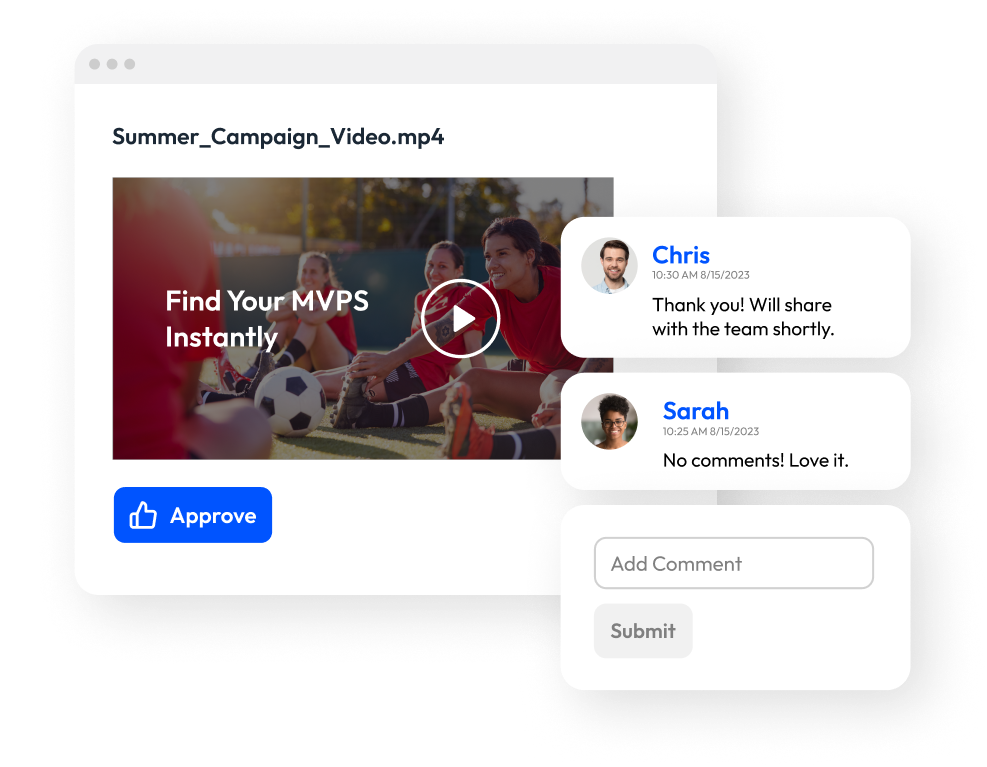
- 03 ApprovePeople + permissions
- 04 DistributeReach the audience
In 2023, PhotoShelter acquired Socialie, an integration partner since 2018. That extended its reach into stakeholder delivery, automation, and social performance measurement. The previous year’s Third Light acquisition had added the Chorus collaboration application and more than 300 customers. Together, the deals widened the route from a stored asset to something people actually use.
When everybody needs the picture
Hartford HealthCare offers a less glamorous, equally revealing example. Its photographers were fielding email requests while designers waited for files. Dropbox folders had become difficult to search and share at the required scale, according to the customer story. The bottleneck was familiar: the person who took the picture became the person everybody needed to ask.
With PhotoShelter, the organization combined searchable collections, Workspaces, and single sign-on. Its account describes access for 37,000 colleagues and a shift toward self-service. That figure describes potential access, not 37,000 people simultaneously editing photographs. The distinction matters when evaluating both scale and price.
Two products. Two price conversations.
Independent photographers buy a different package: an archive, portfolio website, client delivery, and tools for selling prints and licenses. The published annual subscriptions are $120, $300, and $540. PhotoShelter also takes an 8 to 10 percent sales transaction fee; printing, shipping, payment processing, and some usage can add charges.
Brands sells subscriptions by quote. Its published tiers vary by storage, library seats, integrations, and capabilities, while allowing unlimited invited users and contributors. An evaluation should price the required workflow, including distribution and security features. A cheap photographer subscription is a poor proxy for an organization’s DAM budget.
The chores are becoming the product
Jill Vandevoorde became CEO in August 2026, with Fingerman remaining an advisor. By October, release notes included new video embedding options. The evolving product serves a company that increasingly manages moving pictures alongside stills.
Its AI Assistant addresses another unromantic burden: inconsistent names, metadata, and galleries. It proposes changes for a person to approve, follows the user’s permissions, and cannot delete files. Those boundaries make the feature more concrete than a vague promise of effortless organization. Somebody still decides what a useful library should look like.

Copy the handoff audit
The transferable lesson is to follow one asset through a real assignment. Count the requests, downloads, approvals, and repeated uploads. Give approved content a home people can search themselves. Test that route before moving an entire archive.
One useful test would be to give a colleague an assignment: find an approved image, choose the right size, and deliver it without asking the photographer. Watch where the task stops. A missing keyword calls for better description. An inaccessible folder calls for a permissions decision. An approval buried in somebody’s inbox calls for a clearer process. Software can support those decisions; it cannot make the organization agree on them. This is also why a product demonstration should use your files and your colleagues’ questions.
That approach pays off when retrieval and repeated sharing consume meaningful staff time. A small, orderly collection shared occasionally may need much less software. Photographer customers needing native video hosting should also check the product boundary: the photographer platform’s documentation excludes video uploads. Better organization helps when the organization has a problem worth solving. PhotoShelter’s own history is a reminder to establish that first.
Keep looking
Explore PhotoShelter, the interactive product tour, and the company blog. Follow along on LinkedIn, X, Instagram, or Facebook.
For recent news: the CEO announcement. For a customer conversation: watch Hartford HealthCare discuss its workflow.