A league knows how many people watched the clip it posted. It knows considerably less about the fan who filmed the same moment from the stands, the creator who explained it over a replay, or the thousand accounts that passed both around. This is the awkward arithmetic of modern sports media: the official account owns the content, while much of the conversation happens elsewhere. Ripple Analytics has built a business around counting the elsewhere.
- Founded as Videocites in 2014, the company first used video recognition to find unauthorized copies.
- Its MediaTrack product measures owned, partner and fan-made content across social platforms.
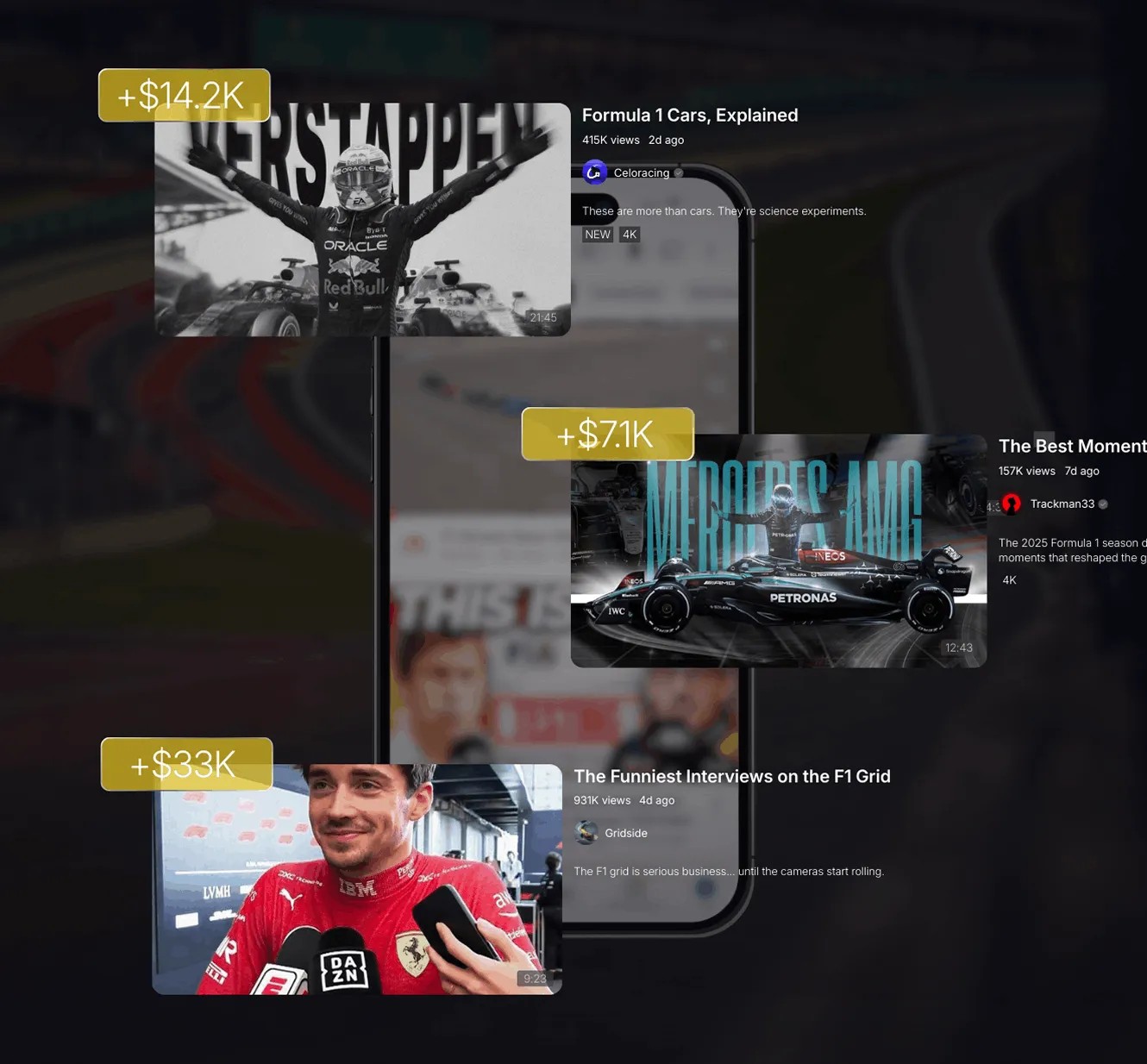
- Leagues and brands use that picture to find creators, assess sponsors and decide which uses to promote, monetize or remove.
- The NBA invested in a $10 million Series B in 2023; the company adopted the Ripple Analytics name in 2026.
The first question was: who stole the video?
The company’s original name was unusually literal. Videocites identified video by its visual content, even when a copy had been clipped, reframed or otherwise altered. For a broadcaster losing a live stream to an unauthorized account, that recognition could trigger a takedown. Its early customer problem was clear: a rights holder cannot protect a broadcast it cannot find. In 2019, sports rights group Infront took a stake and planned to bring the technology to its partners. DAZN later chose the company to detect illegal streams of live sport.
Then the customers changed the question. A fan upload could be an infringing rebroadcast. It could also be a reaction, a meme, a shot from the stadium or an enthusiastic explanation of why a game mattered. Removing everything would erase some of the very attention a league wanted. Counting only official posts would miss it. The same visual matching engine that found misuse could trace how a moment spread.
“We always knew we were undercounting the true reach of the brand.”Kevin Esteves, NBA digital content strategy, 2023
The NBA became an early user and then an investor through NBA Equity in a $10 million Series B led by Velocity Capital Management in March 2023, alongside Infront. That is a meaningful clue to the product’s place in the market: the league was buying a fuller audience map, not simply another dashboard of its own social posts. Sports Business Journal reported in January 2026 that the NBA had renewed the relationship on a multiyear basis.
One match, 24,000 pieces of evidence
A Premier League case study makes the blind spot hard to dismiss. Ripple says it tracked 24,000 uploads and 3.1 billion views over two weeks around one match. Some 22,000 uploads and 2.8 billion views came from channels beyond league control. Yet only 8 percent of the user-generated content included match footage. The other 92 percent was largely the surrounding culture: reactions, commentary and the small productions fans make when a game gives them something to talk about.
The useful distinction is editorial as much as technical. The league has to know what the post contains before it can choose a response. A pirated match stream and a fan’s clever video about the match call for different treatment. Ripple’s product set follows that fork: MediaTrack measures spread and estimates media value; YouTube Monetization finds valid claims and missed revenue; Content Protection detects unauthorized live and recorded video for removal. The company says humans review rights policies and edge cases alongside the automated system.
A sponsor sees the crowd, not the scoreboard
The commercial appeal is easiest to see from a sponsor’s chair. A team can sell a jersey placement and report views from its own posts. But if a fan’s clip shows that jersey to a much larger audience, the original report understates the exposure. MediaTrack Lens maps the full footprint across owned, earned and user-generated content. MediaTrack Landscape compares performance with peers and competitors. Ripple says its system recognizes content without relying solely on hashtags or metadata, and reports on creators, partners, sentiment and estimated media value.
In the NHL’s 4 Nations tournament, Ripple counted 2.6 billion video views; 80 percent came from non-owned sources. The company’s case study says 76 percent of partner media value came from sources outside NHL accounts. Those are Ripple’s measurements, not audited ad sales, but they show why a sponsorship team might care. A logo’s presence in the wider conversation can affect a renewal discussion even when the league did not publish the post.
The company also works with teams and agencies. A public LAFC partnership update said the first year’s measurement covered one billion impressions and found an average 10 percent lift in brand impressions for top team sponsors. Elevate, another Velocity portfolio company, told Sports Business Journal it uses Ripple data to compare properties and advise on sponsorship pricing and negotiations. The buyer is often an organization that must justify a decision in money, not likes.
The MXGP experiment
The most copyable example comes from motocross. Ripple’s MXGP case study says the championship had stalled in social growth and sponsorship value. MediaTrack found more than 1,650 active creators already making MXGP content. The analysis also showed an over-reliance on X, while TikTok and YouTube offered stronger engagement, and video outperformed static images for a sport that plainly moves.
MXGP shifted its content toward those platforms and formats and began working more deliberately with creators. Ripple reports a 50 percent increase in media value, a 35 percent improvement in content effectiveness and a large gain in TikTok efficiency. The precise causal share of any one change is not established by a case study. The operational lesson is still sharp: find the people already advocating for you, see where their work travels, then put production and partnership effort where the response is strongest.
The company grew into its new name
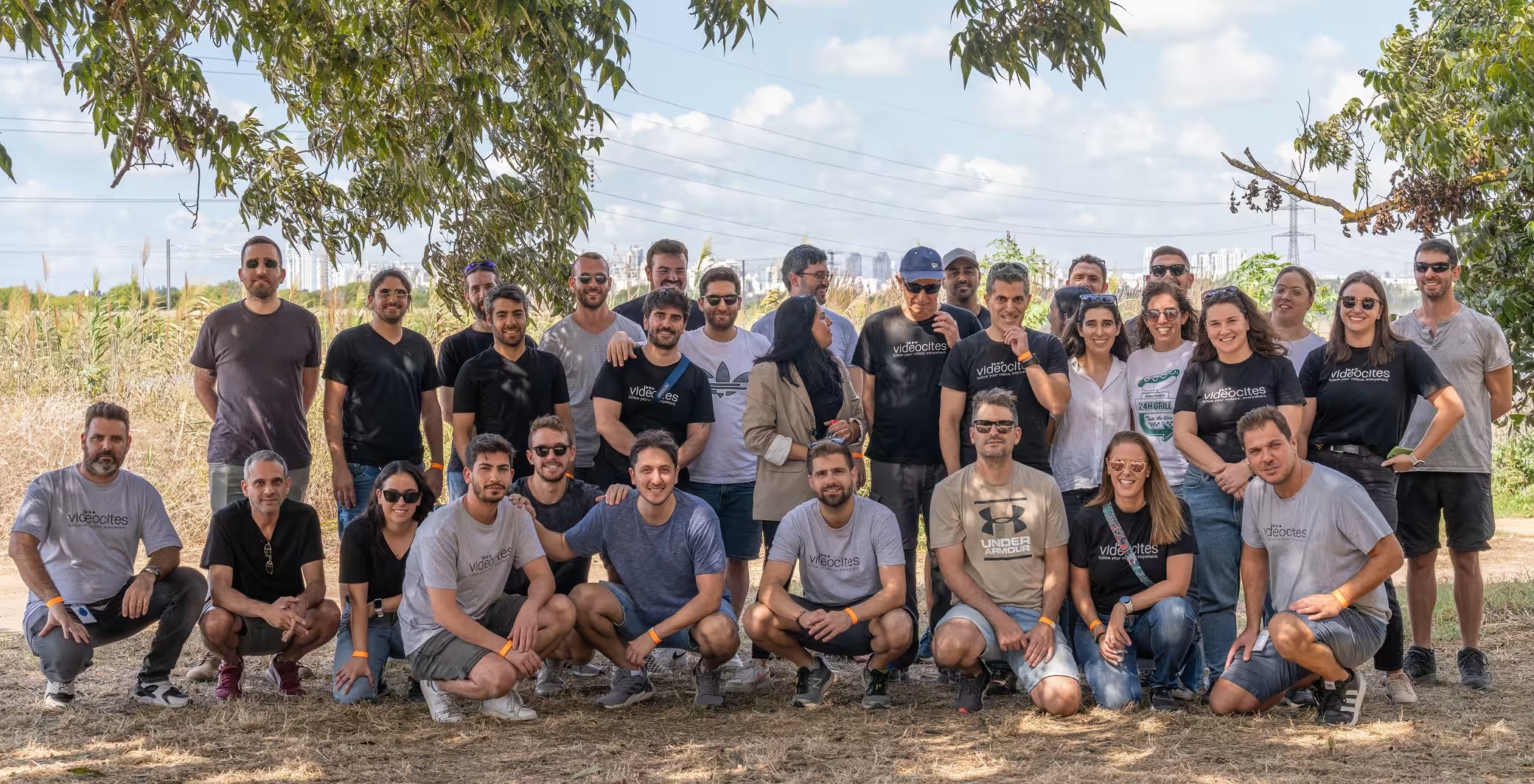
Founder and CEO Eyal Arad has called the technology “Shazam for video.” It is a memorable shorthand, though the product now does more than identify a match. Ripple’s history reaches back to a business school thesis in 2014, with co-founders Aviad Louzon, Michael Bronstein and Ze’ev Ganor. The company says it launched content protection in 2015 and MediaTrack in 2018. By the time Videocites rebranded in January 2026, “video citations” no longer described what customers were asking it to explain.
The rebrand arrived with expanded measurement tools and an undisclosed follow-on investment from Velocity. Sports Business Journal reported that Ripple had doubled revenue between the start of 2024 and the end of 2025, serving dozens of leagues, teams, brands and agencies. The company does not publish a price list; prospects request a demo. Its model is a business platform paired with service teams, reporting and rights expertise. That combination suits organizations with valuable libraries, active audiences and sponsorship or licensing decisions to make. A small brand with little fan activity, few rights to enforce and no commercial use for the extra measurement would have less to gain.
Native social dashboards count what an account posts. Social listening tools follow words and topics. Rights management systems identify claims. Ripple’s claim is that visual recognition joins those views when a moment escapes its original account. The story began with a fear of losing control. Its more interesting chapter is about recognizing the people who were carrying the story all along.