The most revealing photograph in influencer marketing may be a spreadsheet. It has columns for handles, contracts, deadlines, drafts, fees, discount codes and the person who must approve everything before Friday. The smiling creator is visible to the world; this sheet is visible to the person who has to make the campaign work. Mavrck built a company around that person.
The short version
- Mavrck began as Splashscore in 2014 and became an enterprise influencer platform.
- It helped brands recruit creators, manage content and payments, and measure campaigns.
- It acquired Later in 2022; the combined company took the Later name in 2024.
- Its technology now appears as Later Influence, serving brands and agencies.
Its first question was almost impolite to the celebrity economy: why rent a stranger’s fame when a customer might already want to talk about you? Lyle Stevens and his co-founders began with Splashscore, which rewarded ordinary Facebook users for engagement. By 2015 the company had become Mavrck, turning that idea into a way for brands to find and work with people whose influence came from actual relationships. Stevens argued at the time that an existing customer had a different value from a borrowed audience.
The customer was hiding in plain sight
The early distinction matters. A customer advocate knows the product before the brief arrives. That does not automatically make a good advertisement, and affection cannot be entered into a dashboard. Yet it gives a marketer somewhere better to begin than a list sorted only by follower count. Mavrck’s software made that beginning practical: discover people, invite them into a campaign, collect their ideas and content, review drafts, track posts, arrange incentives and measure what followed.
The product eventually widened beyond customer advocates and micro-influencers. Later Influence, as it is now called, sells to enterprise brands and agencies running ongoing programs. It has creator search, relationship management, customizable campaign workflows, content approval, payouts, audience and campaign analytics, and tools for reviews, referrals and ambassador programs. Some customers use Later’s services team to help run campaigns; the platform can also be operated by a brand itself. It is an operations business dressed for a social media party.
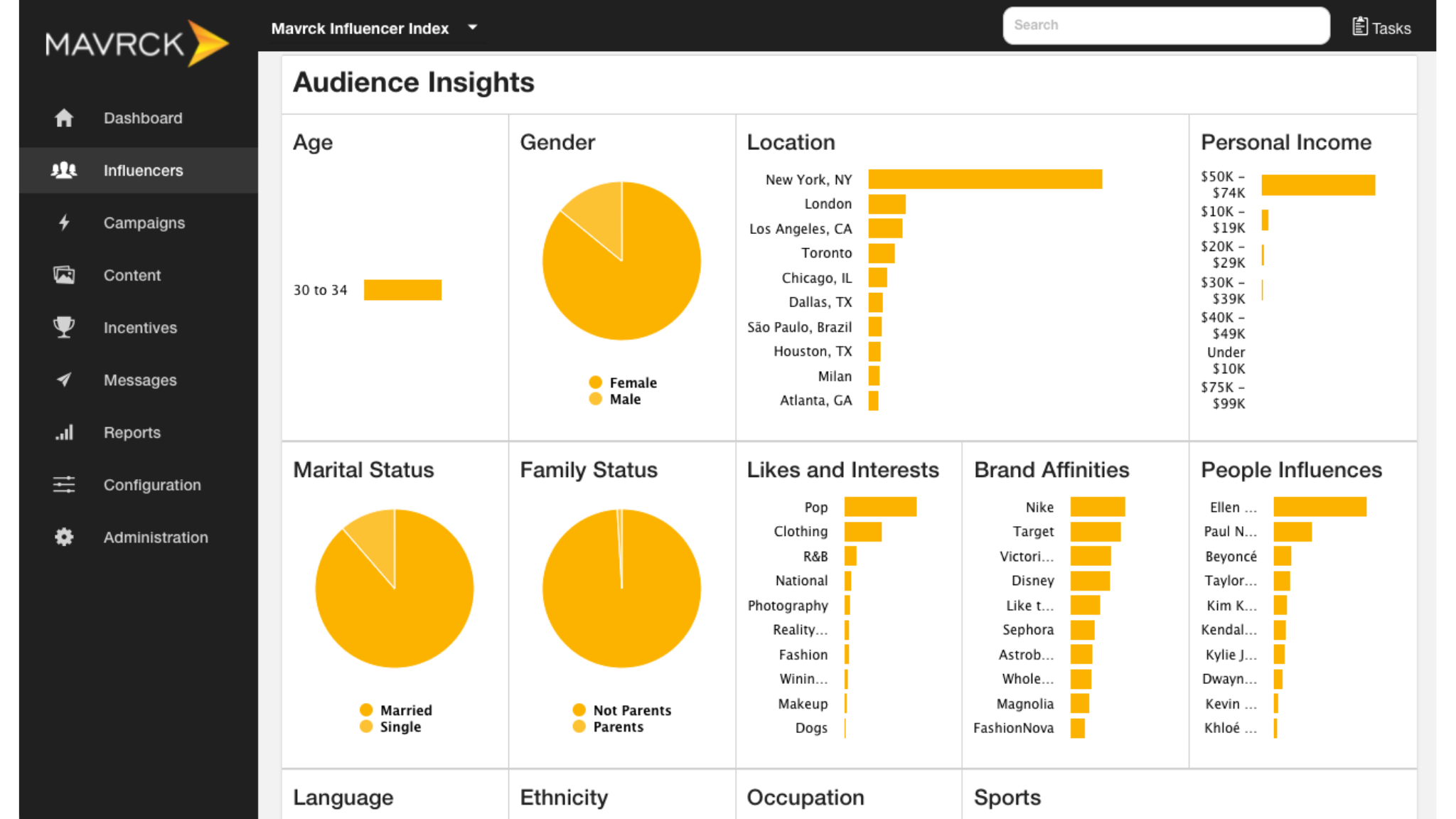
The alternative for a large brand is often an agency, another creator platform such as CreatorIQ or GRIN, or a determined employee with a remarkable spreadsheet. Mavrck’s claim was less mystical: put the repeated steps in one system, then let marketers spend their judgment on who belongs in the campaign and what should be said. The difference becomes sharp when a company has several brands, several markets, or a campaign that runs all year.
What failed first was the manual method
Clif Bar offers a useful example. It was running influencer programs for Clif Bar, Clif Kids and Luna in separate spreadsheets. That made it hard to scale campaigns and hard to see the whole program’s performance. With the platform now called Later Influence, the company ran campaigns, product reviews and an ambassador program together. Its published case study reports 12 million impressions, 1.3 million engagements, 2,591 hours saved and $265,000 in content savings over a year. Those are the customer’s case-study figures, not a promise that every spreadsheet carries the same price tag.
The quote catches another problem Mavrck solved. The value of a creator’s work need not end when one post disappears down a feed. A brand may need product reviews for retailers, pictures for an ecommerce page and footage for paid media. That requires permission, moderation and enough variety to avoid showing the same face everywhere. Later Influence’s campaign tools include ratings and reviews, content reuse, referral tracking and market feedback, so the output can travel farther than the first post.
Seven creators, nine videos
Totino’s wanted to be relevant to Gen Z gamers. Its own content needed more variety, and the brand was struggling to find the right creator group. The team used the platform and Later’s services to recruit gaming and comedy voices for a TikTok campaign. It ran three waves, adjusting communication and recruitment as the work unfolded. The creators were compensated according to their proposals and concepts. The brief left room for jokes and format choices, with only modest guardrails around the logo.
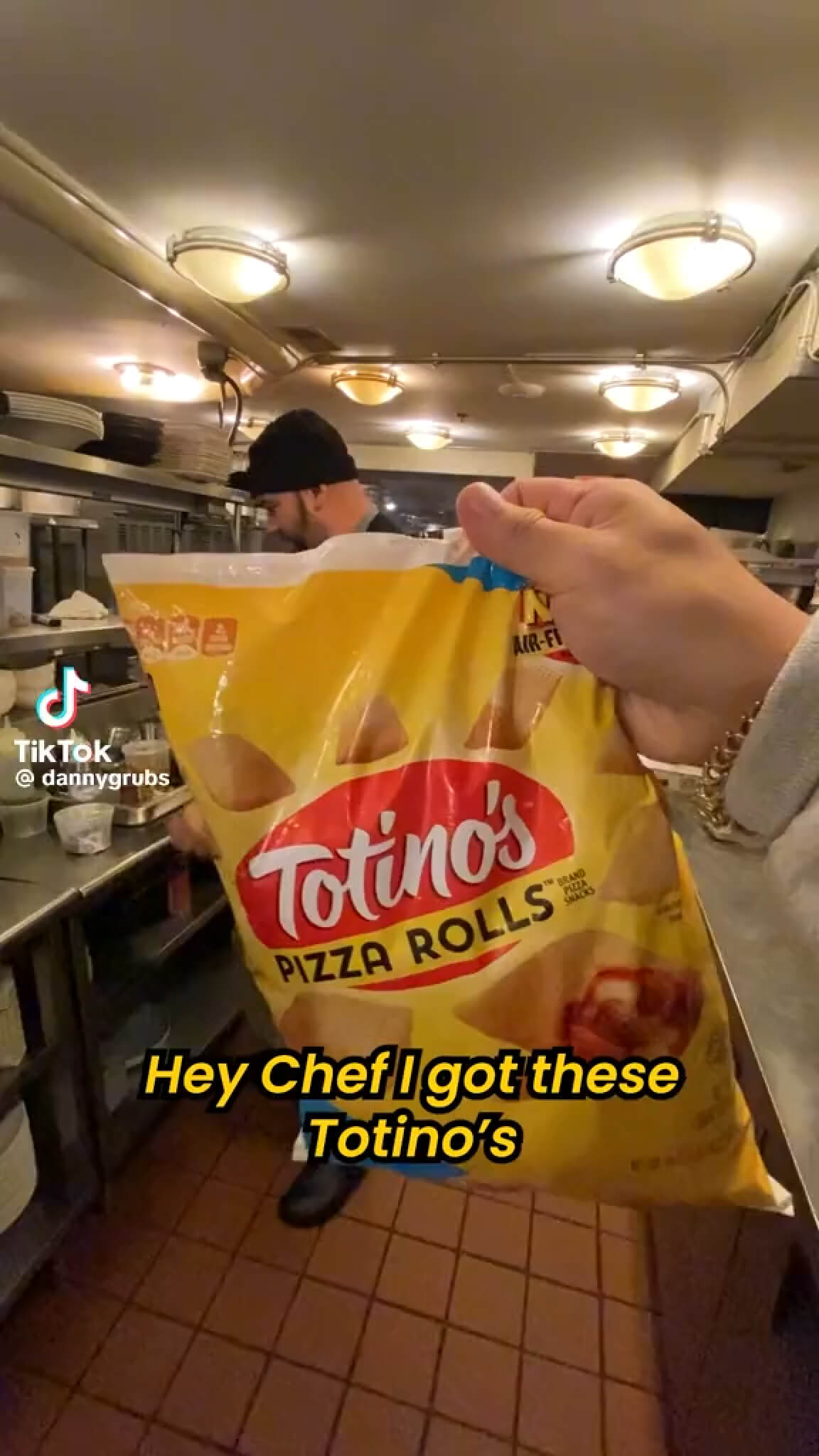
The nine videos generated a reported 11.7 million impressions and 538,400 engagements. The case study gives an average engagement rate of 4.5 percent. A cost per thousand impressions of $0.61 is striking, but it is a campaign result, not the price of buying Mavrck. Enterprise contracts are quoted; creator fees, product samples and paid amplification depend on the job.
Here is the useful detail: Totino’s did not ask a machine to invent a youth culture. It chose a specific audience, recruited people who already spoke to that audience, and changed its approach between waves. A smaller team can copy that sequence with far less software. It will work poorly when the product has no natural community, the brief gives creators no room to speak, or the buyer insists on attributing every impression to a sale by Friday.
The operating sequence
The buyer became Later
Mavrck’s own corporate story has a twist. In December 2021 it announced a $120 million growth investment led by Summit Partners. Four months later, Mavrck acquired Later, the social media management and Link in Bio company. Mavrck brought enterprise influencer campaigns; Later brought publishing tools, a creator marketplace and a much wider front door for people who live in social media every day. In January 2024, the combined operation chose that front door as its name. Mavrck became Later Influence.
That decision says something about the market. A brand no longer treats the creator post as an island. It wants to plan content, publish it, move viewers toward a link, and see whether any of that became business. Later’s subsequent addition of affiliate commerce through Mavely in 2025 extended the path from post to purchase. The old Mavrck problem - making social proof operable - did not vanish. It acquired more neighbors.
For marketers, the practical test remains plain. Start with a person who can plausibly talk about the product. Give that person a brief worth interpreting. Decide in advance whether success means reach, useful content, reviews, lift in perception or sales. Then build a process that can survive a second campaign. Mavrck understood that the second campaign is where an interesting idea either becomes a business or returns to the spreadsheet.