social-media-marketing
(100)
The Best Ad May Be a One-Mile Circle
Quillin built its reputation in a city addicted to spectacle. Its sharper trick is knowing when the useful idea is smaller, stranger and close enough to draw on a map.
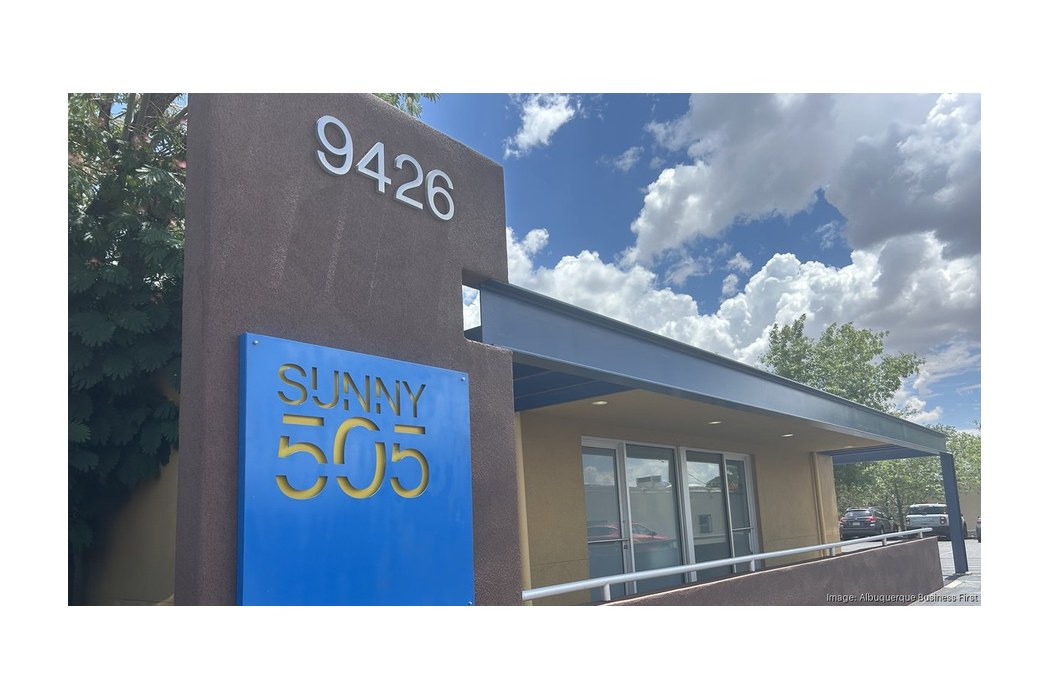
The Fifteen-Year Handoff: How SUNNY505 Made Succession a Growth Strategy
An Albuquerque agency spent fifteen years transferring power to a former intern - while mergers, public-sector work and a stubbornly local identity made the business larger than either woman inherited.

The Firm That Got Smaller - and Stayed in the Room
Solveig Raftery built a Las Vegas PR agency from a spare bedroom, watched it reach 17 people, then learned that a smaller shop could carry a surprisingly large voice. Three decades later, the durable advantage is not volume. It is judgment, relationships, and knowing when a press release is the wrong answer.

Choice Media Doesn't Sell Fame. It Builds the Machinery Around It.
Heather Adams built Choice around a simple diagnosis: attention is not the hard part. The hard part is connecting a clear message, the right relationship and enough execution to make attention useful.

PROFILES Put One Restaurant Online. Then the Rest of the Chain Followed.
A Baltimore PR shop used one local restaurant as a social-media laboratory, then watched the experiment travel. Thirty-five years after its founding, PROFILES still works the same way: close enough to touch the assignment, broad enough to move the story.
The Ice Cream Test: How Mix+Shine Turns Attention Into Action
The Virginia Beach agency built its reputation on a simple idea: a post is only useful if it leads somewhere. Sometimes that somewhere is a DM. Sometimes it is the freezer aisle at Lowes Foods.
The Agency That Put an Ad Where Nobody Could Look Away
The Mavens Agency makes a curious wager: the best marketing move is often not another campaign, but a better decision about where attention already lives.

The Agency That Put Friday Out of Office
From Kokomo, a fully remote marketing shop found a national niche in one of America’s least glamorous industries - then made a four-day week part of the machinery, not the mythology.
The Talent Agent Has a Leash
A Harvard-trained lawyer noticed that famous pets had audiences, contracts and no grown-up in the room. The Dog Agency turned that disorder into a business - and gave brands a safer, stranger kind of celebrity.
The Ninjas Behind the Grocery Aisle
A St. Louis agency built a business by doing the unglamorous work behind memorable brands - then turned pizza, beer, and cheese scraps into unusually useful evidence.
The Agency That Decided Marketing Should Show Its Work
No Boundaries Marketing Group sells a simple corrective to an industry built on mystery: let small-business owners see the work, own the keys and understand what happens next.
The Marketing Agency That Refuses to Worship the Post
Most agencies sell a channel. Social Canvas sells the connective tissue - the route from a first glance to a booked appointment, a product sale, and eventually a loyal customer.

The Mortgage Industry’s Most Valuable Product Is Knowing What Not to Explain
Strategic Vantage found a narrow and profitable problem: mortgage companies do not merely need publicity. They need publicists who already understand the mortgage company.

A-List Me Built a 400-Creator Agency by Making the First Contract Easy to Leave
David Gosselin and Olivia King had no management résumé, so they made creators an unusually simple offer: try us without getting trapped. That low-risk beginning became a talent business built around fair rates, selective partnerships and the delicate economics of audience trust.

The Sacramento Agency That Put the Whole Internet on One Menu
MXSweb sold small businesses a website, a marketing department and a technical back office in one package. Its old pages preserve both a useful agency playbook and the moment that playbook began to outrun its proof.

The Tiny Agency That Put an Entire Marketing Department on One Menu
Global Market Solution sold the convenience of one small shop for nearly every digital chore. Its old price card explains the bet better than any mission statement: make modern marketing legible, bundled and affordable.
The Agency Where the Clever Idea Has to Survive Discovery
L7 Creative has spent a quarter-century turning the mess of marketing into a machine. Its best idea may be the rule that every other idea must earn its keep.

Digital Brand Architects Put a Business Office Behind the Ring Light
Before “creator” was a respectable job title, DBA treated bloggers like talent. The bet grew into an agency that turns attention into contracts, products, podcasts and businesses - while exposing just how much work sits behind an effortless post.
Big Hype Marketing Built a Small Agency for the Jobs Brands Usually Split Five Ways
Its name promises noise. Its case studies reveal something quieter: a 13-person shop stitching strategy, design, content, code and distribution into one operating system for growing brands.
Onefluent’s Real Product Is the Work Nobody Sees
The Los Angeles agency sells influence, but its more interesting business is backstage: contracts, edits, distribution, analytics and the patient work of making a creator dependable to a brand.
The Little Agency That Makes the Message Louder Than the Messenger
Farinella has spent more than three decades arguing that clarity beats cleverness. Its best proof is not a slogan but a trail of rebrands, newsletters and campaigns that made complicated companies easier to understand.
The Agency That Learned Influence Runs on Spreadsheets - Until It Didn’t
The creator economy looks glamorous from the feed. The Sociable Society discovered that scaling it depended on something less photogenic: clean contracts, authenticated data and fewer screenshots.

The Influencer Agency Built Before TikTok Had a Name
Clicks Talent learned influencer marketing by solving a stranger problem: how to make a brand-new social app feel inhabited. The answer became a global agency - and a useful lesson in why relationships still beat databases.
GOLD PR’s 11-Year Lesson: Credibility Comes Before Reach
The Irvine boutique did not make clear aligners famous with one lucky headline. It spent years turning professional doubt into public curiosity - a useful lesson for anyone marketing a product people must trust before they can want it.

The Agency With No Office - and a Taste for Hard Problems
Barbara Gorder built UNLO around a quietly radical premise: the right agency team does not have to share an office - it only has to share the problem.

Wefluens Wants to Turn Influence Into an Operating System
A small Los Angeles agency says it has coordinated 2,000-plus creator collaborations across more than 20 countries. Its wager is simple: taste still belongs to people, but the messy machinery around influence can be made systematic.
Something Massive Built a Small Agency Around the Moment Advertising Escaped the Screen
Something Massive has spent more than fifteen years arguing that a small agency can follow an idea anywhere - from a supermarket password gag to a two-screen Buffy watch party. The interesting part is not the name. It is the machinery hiding behind it.
The Stone Group Sells the Feeling Before the Floor Plan
For more than three decades, this Pleasanton agency has worked a stubborn idea: buyers remember a life they can picture more readily than a list of features. Its homebuilding campaigns show what full-service really looks like - from naming and identity to the eblast that creates urgency.

The Local Paper That Learned to Sell the Internet
Reeder Media spent decades learning who reads the local paper. Then it turned that trust, distribution, and newsroom muscle into a marketing agency for the businesses down the street.
The Hotel Manager Called Social Media a Fad. Keen Social Built an Agency on Proving Him Wrong.
Esteven Gamez learned social media in hospitality when the work still sounded frivolous. His Long Beach agency now sells the opposite proposition: listen closely, make something culturally specific, and measure what happened next.