There is a small shelf inside the restrooms at TD Garden. It is not glamorous. It is there so a person can set down a drink, attend to more urgent business, and return to the Celtics game or the concert. To most visitors, the shelf is furniture. To The Mavens Agency, it was media.
A building-materials supplier had asked the Hingham, Massachusetts, firm for a way to reach more people. The ordinary answers were available: buy more search ads, post more often, increase the media budget. Instead, the agency used its network to secure a placement at New England's largest sports arena. It designed a compact ad that slipped behind the drink shelf, added product examples and contact details, and pointed a dynamic QR code toward the client's site. The destination could change. The scans could be counted. An ignored object became a measurable channel.
“You don't need more marketing. You need better decisions.”The Mavens Agency's strategic-advisory pitch
This is the cleanest way to understand The Mavens Agency. It is a marketing and communications company founded in 2008, but its real product is the decision that arrives before the deliverable. The agency's public line is that many established companies do not have a marketing problem at all. They have a strategy problem, then hire an agency to execute around it.
The brief is not sacred
The dangerous thing about a brief is how official it looks. A company asks for a podcast, so everyone begins discussing microphones. A school asks for a redesigned website, so everyone starts moving boxes on a screen. The Mavens Agency's case work suggests a more useful first question: what job is this thing meant to do?
A corporate B2B client wanted a podcast to display its intellectual capital. The agency tested remote-recording platforms and chose to make the conversation a video. Professional cameras with built-in microphones went to the guests, along with prepaid return packaging. The result was a polished 20-minute, three-person conversation. Then the agency cut shorter clips for social channels. What changed their mind was not a sudden enthusiasm for video. It was the recognition that one recording could serve several audiences, in several formats, without making the participants solve the production problem themselves.
For a major college recruiting nationally, the first output was not a prettier home page. It was comparison. The agency reviewed the sites of more than 100 competitive schools and analyzed how each delivered its message. That research gave the client a picture of the market broad enough to make the later recommendations credible. The method is easy to copy: resist designing until you understand the alternatives your audience is already seeing.
A peculiar range, held together by constraints
On paper, the portfolio looks almost too varied. Professional-services firms sit beside restaurants, schools, manufacturers, nonprofits and Caribbean tourism operators. The services are similarly broad: market research, buyer personas, brand archetypes, logos, voice, websites, e-commerce, public relations, video, social campaigns, media outreach, databases and events.
The connecting thread is not an industry. It is a taste for assignments where the context matters more than the format.
A rehabilitation hospital needed to coordinate participants, medical conditions, transport, modified equipment, staff and certified volunteers across cities and states. The agency researched the people and workflow, then built an accessible database and registration hub used by hundreds.
A heritage cocoa and nutmeg estate in Grenada was climbing out of the pandemic tourism slump. The agency traveled to the property, captured photography and video, built a website, ran social campaigns and worked with influencers to explain the experience.
An agriculture supplier wanted to grow beyond its ZIP code without losing its local feel. TV, radio, digital, social, a new site and e-commerce were coordinated around that tension rather than deployed as separate chores.
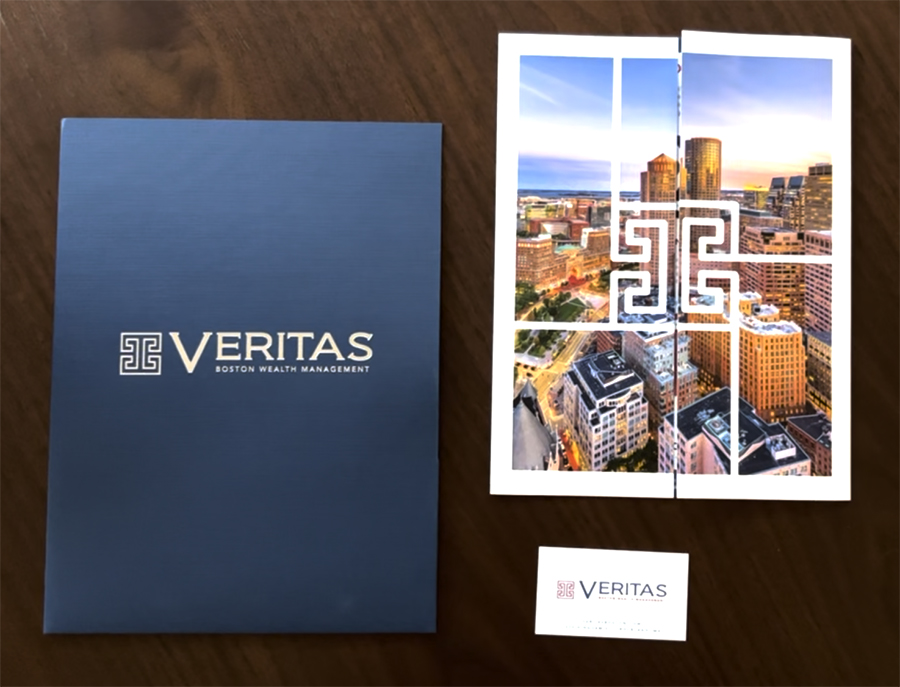
For Veritas Boston Wealth Management, the work began with market research, buyer personas and archetypes, then moved through identity, language and physical brand materials. The visible design followed the less visible diagnosis.
Strategy that cannot walk away
There are consultants who leave behind a deck, and production shops that build precisely what was ordered. The Mavens Agency has placed itself between them. Walter Osterman, its owner, president and CEO, sells senior counsel; the wider practice can then supply design, development, writing, media relations, social strategy and video. The advantage is continuity. The person arguing that the brief should change does not disappear when the work begins.

That arrangement also explains the firm's market position. It is not selling software or a standardized package. It sells projects and advice, scoped around the assignment. Prices are not published. A buyer is paying for access to senior judgment and for the people who can turn it into something tangible. The natural alternatives are a larger integrated agency, several specialist shops, an independent strategist plus freelancers, or an internal marketing team.
| Client problem | First move | What the work became |
|---|---|---|
| Wider awareness | Find overlooked attention | A physical arena placement with trackable digital response |
| Complex registration | Interview every user group | An accessible matching database, not a generic form |
| National recruiting | Map the competitive field | A 100-plus-site audit before recommendations |
| Expert content | Test the recording constraint | One remote video and many reusable clips |
What failed first
The public case studies rarely provide a postmortem or a dollar figure, so there is no honest way to claim a precise cost or a failed ad set. They do reveal the thing that failed before The Mavens Agency arrived: fit. A plantation with a remarkable physical experience did not have enough digital material to show it. A rehabilitation program had too many human variables for an ordinary event form. A college could not judge its site without seeing the competitive field. A retailer wanted regional reach but could not afford to sound generic.
This approach is less useful when speed and repetition matter more than diagnosis. A company with a proven offer, a stable audience and a mature internal strategy may simply need low-cost production or high-volume media buying. Senior counsel adds expense and friction if the decision has already been made well. It also depends on candor. An agency cannot challenge a brief if the client is shopping only for agreement.
But in messier situations, the overlooked shelf matters. The shelf is a reminder that audiences do not experience “channels.” They wait, travel, compare, struggle with forms, watch a game, visit an island and set down a drink. Marketing gets more interesting when somebody notices.
Continue exploring