The first clients arrived with wet noses and terrible administrative habits. Their deals drifted in through Instagram messages. Their managers were usually humans with unrelated day jobs. Their contracts contained the usual adult complications - fees, deadlines, exclusivity, rights - despite the talent’s complete inability to read. Somewhere inside this absurd arrangement, Loni Edwards Lunau saw a very normal business problem.
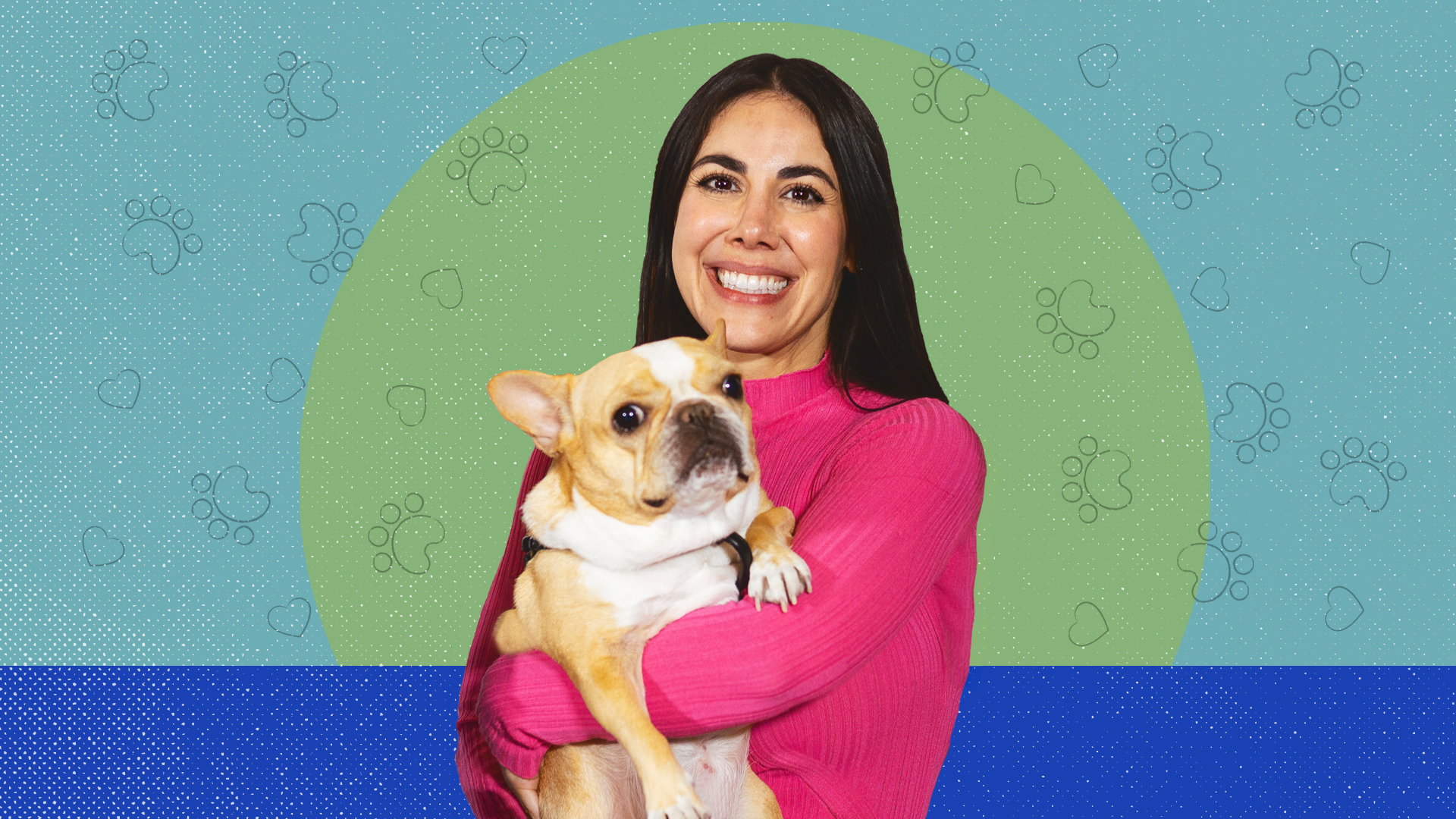
Edwards Lunau had the useful misfortune of being overqualified for the chaos. She had graduated from Harvard Law School, worked in corporate law and built a fashion-technology company. Then she adopted Chloe, a miniature French bulldog whose Instagram account became popular enough to attract invitations and brand inquiries. Other pet owners at events learned that Chloe’s human was a lawyer. The questions followed: Is this contract fair? What should I charge? Can they use this picture forever?
The Dog Agency began in 2015 because those questions kept repeating. Its origin story sounds whimsical only if you ignore the invoice. What Edwards Lunau discovered was a two-sided coordination failure: brands were messaging animals one by one and often hearing nothing; owners were juggling content, contracts and full-time work; nobody had assembled the creators into a dependable market.
“There was no central hub pulling together this new pet influencer space.”Loni Edwards Lunau
The inbox became infrastructure
The agency’s job is to make an odd transaction boring. It finds and represents animal creators, develops their brands, sources and negotiates opportunities, and helps manage what happens after everybody says yes. For advertisers, it recommends talent, shapes creative strategy, runs campaigns and handles production. Its own description now reaches beyond dogs to cats, pigs and specialty pets, plus a few humans whose expertise belongs in the same universe: veterinarians, trainers and groomers.
That sounds like standard talent management because it is. The specialty lies in the talent and the conditions of production. A human model can be told to look left. A dog may look left because a sandwich has entered the room. The agency has said it prepares brands to be patient and to leave space for spontaneity. The strongest pet content often works because the animal’s established personality survives the brief.
Why a vacuum cleaner hires a dog
Pet products are the obvious assignment. The more revealing work sits elsewhere. Public examples associated with the agency include fashion labels, hotels, entertainment studios, camera makers, technology companies and cleaning products. Dyson, Ritz-Carlton, Ralph Lauren, Google, Sony Pictures and Facebook have all appeared in reporting about its campaigns or talent. Vogue later cited pairings with Valentino, Fendi, Hugo Boss, Zara and Poshmark.
The logic is emotional rather than zoological. People voluntarily follow animals because the content is funny, comforting or oddly specific. The pet arrives with a character, not merely a follower count. That lets a brand borrow attention without making the audience feel it has wandered into a television commercial. Pets also carry less conventional celebrity risk. They rarely publish ill-considered manifestos at two in the morning.
Where the agency earns its place
This is also the company’s distinction from a software marketplace. A marketplace can produce a list. The Dog Agency sells judgment around the list: which personality fits, which terms matter, what the animal can plausibly do, and how a brief becomes something followers might enjoy. The alternative remains direct outreach or a general influencer shop. Both can work. The niche agency’s advantage is accumulated context and the ability to speak fluently to the human at each end of the leash.
The agency does not publish a rate card. Public interviews make clear that price changes with reach, engagement, format, usage rights and exclusivity. Historical reporting put top pet posts in the five figures, while 2018 PetCon tickets were reported at $75, with weekend VIP access at $300. Those are period examples, not current quotes.
A convention is a business model with doors
PetCon is where the agency’s network became visible. The event brought online creators, fans and brands into the same physical room for meet-and-greets, panels, shopping, activations and adoptions. The sixth annual edition went to Chicago in 2023, where more than 1,800 attendees were expected over two days. In 2025, PetCon returned to Los Angeles at Wallis Annenberg PetSpace.
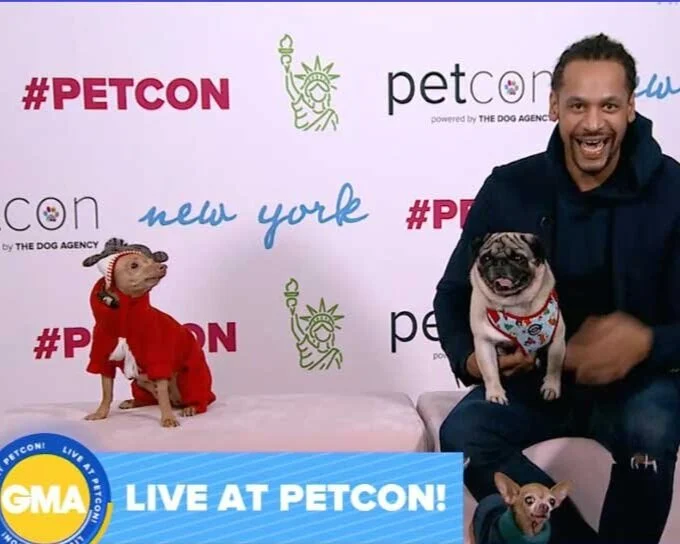
Strategically, the convention does several jobs at once. It produces ticket and sponsorship opportunities. It gives brands an activation surface. It strengthens relationships with creators. It gives fans a reason to care beyond the next post. And it creates room for animal-welfare work, from adoption gardens to policy discussions. The company says it has worked with the Animal Legal Defense Fund, ASPCA, Foster Dogs and Animal League; a 2019 PetCon also hosted a New York legislative announcement aimed at banning animal devocalization surgery.
The failed fit came before the company
There is no tidy public story of The Dog Agency’s first failed campaign. The more useful failure came earlier: Edwards Lunau has said she hated life at a large law firm. She moved into entrepreneurship and built emPOWERED, a fashion-tech venture based on a patent for charging-capable bags and accessories. When a buyer showed interest in that company, she had an off-ramp. By then, Chloe’s career had already shown her where the next problem lived.
What changed her mind was not a single inspirational moment. It was repeated evidence. Brands kept reaching out. Owners kept handing her contracts. Both groups were wasting time. The opportunity sat at the intersection of what she knew how to do and what she had accidentally been doing for free. That is a better founding signal than enthusiasm alone: strangers repeatedly ask for the same help, and the helper possesses an unfairly relevant skill.
Copy the boring part
The transferable lesson is not “start an agency for famous animals.” It is to watch a new culture form and look for the neglected professional layer. Emerging markets are full of glamorous supply and unglamorous friction. The Dog Agency did not create the attention. It organized discovery, contracts, negotiation, production and trust around attention that already existed.
A founder can copy that sequence: participate closely enough to see the mess; notice which requests repeat; solve the administrative pain for one side; then become legible to the other. The next expansion should deepen the network rather than distract it. PetCon made sense because the same creators, brands and fans already wanted to meet.
The trap is copying the visible surface. Cuteness is abundant. A durable animal account needs a recognizable point of view, consistent work and an owner willing to treat opportunities like a business without treating the pet like equipment. The model is weaker when the audience is inflated, engagement is thin, the character clashes with the advertiser, or a rigid shoot depends on behavior the animal cannot safely deliver. It is also weaker when welfare becomes subordinate to content. The company’s best argument is not that every pet should be famous. It is that the few who already command real attention deserve competent representation.
That may be why The Dog Agency’s story remains more interesting than its premise. The dogs are delightful, but delight did not build the company. The company appeared when somebody noticed that delight had acquired contracts, taxes, usage rights, deadlines and conference tickets. The internet supplied the celebrities. A lawyer supplied the adulthood.