animal-welfare
(14)
Christina Burke Found a Business Model in the Dollar Bin
The Missouri technology executive discovered that donated coats, crowded tables and one-dollar price tags could do more than clear a room. They could help a town finance the causes it cared about.
The Group That Watches the People Watching the Farm
Animal Agriculture Alliance began when an agricultural journalist realized the argument over farm animals was arriving faster than the industry could answer it. Nearly four decades later, its product is preparedness: intelligence, training, and a room where the food chain compares notes.
The Talent Agent Has a Leash
A Harvard-trained lawyer noticed that famous pets had audiences, contracts and no grown-up in the room. The Dog Agency turned that disorder into a business - and gave brands a safer, stranger kind of celebrity.
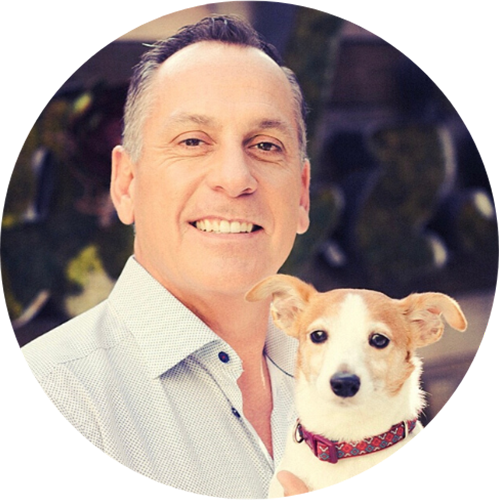
John Hussey Makes Two Kinds of Calls - Flags on Sunday, Lifelines All Week
An NFL referee walked into an airport with a startup on his mind. A decade later, his second rulebook has routed more than $100 million toward animal rescue - and put purpose-driven dog food on Walmart shelves.
How Egg Farmers of Canada Runs a 937 Million Dozen-Egg Balancing Act With 85 People
It does not own the hens, grade the cartons or sell you breakfast. It runs the rules, forecasts and trust marks that help 1,270 regulated farms keep a perishable national market supplied - even when disease, demand and trade all move at once.
RockStep Built the Operating System for the Messiest Room in Drug Discovery
Its first workflow engine could handle bespoke academic experiments, then routine pharma studies exposed the cracks. RockStep rebuilt with scientists, turned paper-and-spreadsheet chaos into Climb, and found the strategic buyer that needed its missing half.

The Wedding Registry for Shelter Pets Is Run by an NFL Referee
John Hussey officiated Super Bowl XLV. His day job is a Seal Beach platform that has routed more than $100 million to 4,600 animal rescues - by selling them dog food instead of taking a cut of their donations.
The Pet Store That Followed Ukraine West - Then Doubled in Size
MasterZoo lost access to most of its stores when Russia's full-scale invasion began. It answered by moving with its customers, rebuilding its logistics and growing from a regional chain into a national pet-care system.
Petco Wants the Food Aisle to Lead to the Exam Room
The 60-year-old retailer is betting that kibble, grooming, vaccines and loyalty can work as one system. Its turnaround depends on making that loop useful enough to beat both big-box convenience and online price comparison.
The egg company that put a farm's name on every carton
How a 20-hen Texas farm turned radical transparency and 108 square feet of pasture per bird into a $759 million business - one carton at a time.

ButcherBox
How a founder who once lost investors' money built a half-billion-dollar meat company on a Kickstarter, a trash bag of grass-fed beef, and a refusal to take venture capital.

Good Dog
Good Dog is a New York-based online marketplace that helps people find and bring home a healthy dog from a screened, responsible breeder, shelter, or rescue. Founded in 2017 by Josh Wais and Lauren McDevitt, the company built the first set of breed-by-breed, expert-backed standards for responsible breeding and health testing, then layered on secure on-platform payments, buyer protection, arranged transport, and a lifelong care team of veterinarians and behaviorists. It aims to bring transparency and accountability to a fragmented, opaque, and scam-prone process of getting a dog.
Josh Wais
Josh Wais is the co-founder and CEO of Good Dog, a New York-based marketplace that helps people find and get a dog from vetted breeders, shelters, and rescues. A Wharton graduate and early Jet.com operator, Wais built Good Dog with co-founder Lauren McDevitt after they hit a wall trying to find a puppy themselves and discovered how opaque and scam-prone the process was. The company applies expert-backed vetting standards to a fragmented, roughly $70-billion pet industry, and has raised over $18 million from investors including Felicis, BoxGroup, Slow Ventures, and the founders of Warby Parker and Harry's.
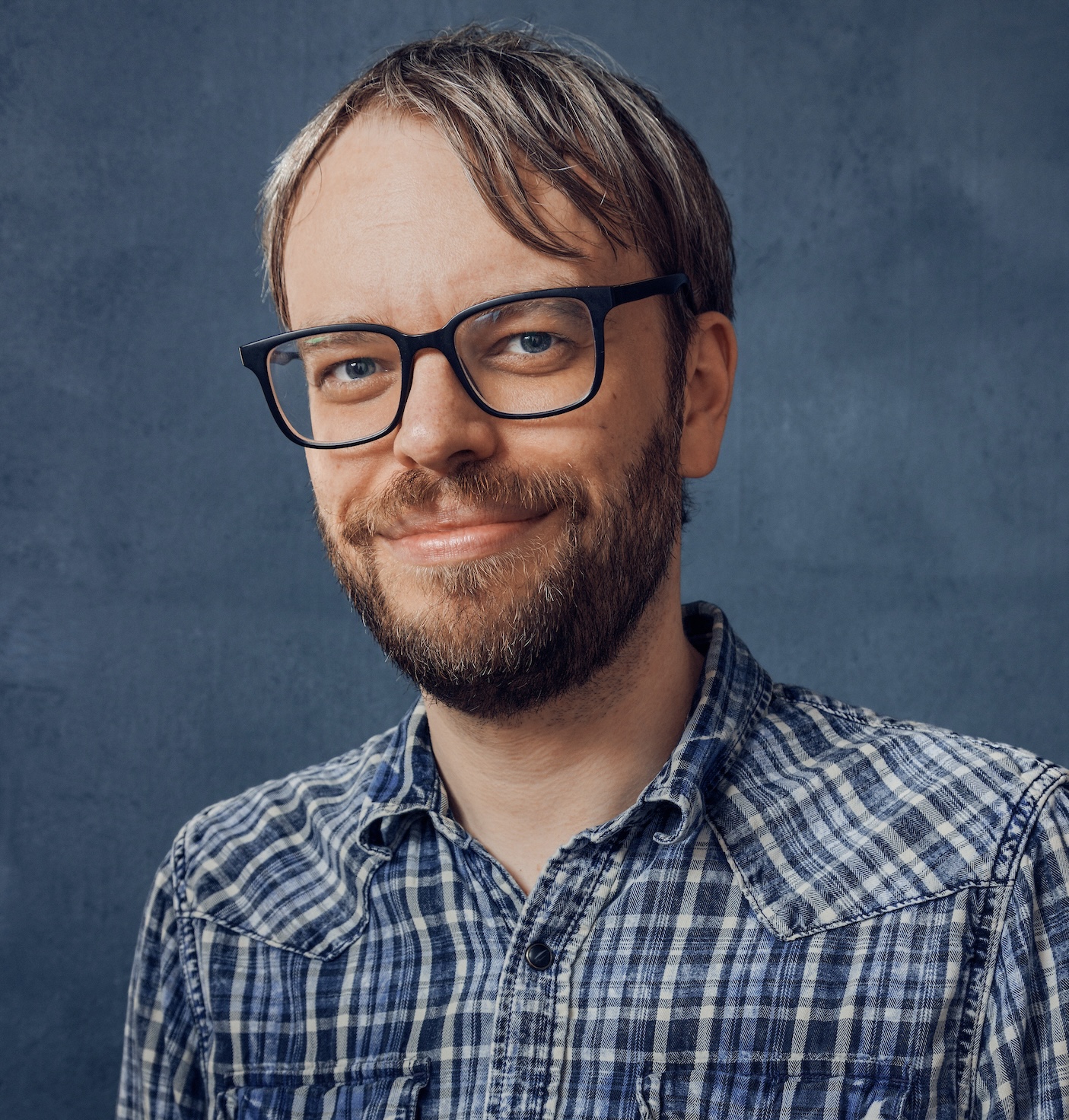
Dylan Matthews
Dylan Matthews is a policy journalist, effective altruism advocate, and former senior correspondent at Vox, where he founded and led the Future Perfect newsletter and section for seven years. Known for his deep-dive reporting on global health, animal welfare, and evidence-based philanthropy, Matthews embodies his own editorial philosophy: he donated a kidney to a stranger in 2016, initiating a chain that helped four people. As of December 2025, he joined Coefficient Giving (backed by Open Philanthropy) to manage the $120M+ Abundance and Growth Fund, moving from writing about doing good to actually doing it.