The most important sentence in the history of Animal Agriculture Alliance may be the one its founder got wrong. In 1980, Steve Kopperud, then an agricultural journalist, heard that British farmers were growing worried about animal-rights activism. His first reaction was wonderfully confident: “That stuff will never catch on here.” It did. A proposed federal study of livestock practices followed. Kopperud interviewed a Humane Society executive, published the piece, and spent the next week answering angry phone calls from agriculture.
The calls changed his mind because they revealed two problems at once. The argument about how farm animals should be raised had arrived in America, and the people raising them had no shared machinery for answering it. Producer groups knew how to defend their individual businesses. Few had a person watching the issue full time. Nobody wanted to stand alone in front of an activist campaign or a television camera.
So in 1987, eight producer organizations created the Animal Industry Foundation, the nonprofit that later became Animal Agriculture Alliance. Kopperud was its sole employee, part time. The American Feed Industry Association donated his hours and a desk. The first-year budget was roughly $65,000. This was not a grand institution. It was a listening post with borrowed furniture.
The Alliance does not sell meat. It sells the food chain fewer surprises.The first product
A booklet gets out of the building
Its first success was almost comically analog: a “Myths & Facts” booklet that paired animal-rights claims with the industry's explanation of modern housing and care. Companies bought copies for schools. Kopperud later walked into a rental-car office at Denver airport and found one on the coffee table. An advertisement featuring an Iowa large-animal veterinarian ran not in a farm journal but in regional editions of Better Homes & Gardens and Newsweek. The one magazine appearance produced more than 1,000 requests for information.
The clever choice was distribution. Agriculture already knew what agriculture thought. The booklet went to teachers; the ad went beside recipes and sofas. Long before “meet your audience where they are” became a slide in every marketing deck, this tiny foundation was leaving its material by the rental cars.
Four moves before the microphone arrives
The modern Alliance is part media desk, part classroom, part security briefing, and part industry switchboard. Its staff monitors news and activist groups, builds profiles and campaign reports, sends a weekly Animal Ag Activism Update, and supplies members with farm-security and hiring guidance. When pressure turns into an incident, members can call for crisis counsel. The goal is not to write the perfect rebuttal after a story lands. It is to notice the pattern, decide who needs to know, and practice an answer while there is still time to breathe.
The preparedness loop
That loop serves an unusually wide customer list: farmers and ranchers, veterinarians, feed and animal-health companies, processors, commodity associations, restaurants, grocers, universities, and foodservice operators. A pork group and a restaurant chain may experience the same campaign from opposite ends. The Alliance's advantage is seeing both ends. Species-specific trade groups offer deeper expertise in their lanes; public-relations agencies can supply polished crisis work. The Alliance sits across the lanes and keeps an institutional memory of the argument.
Training the person who actually knows the cow
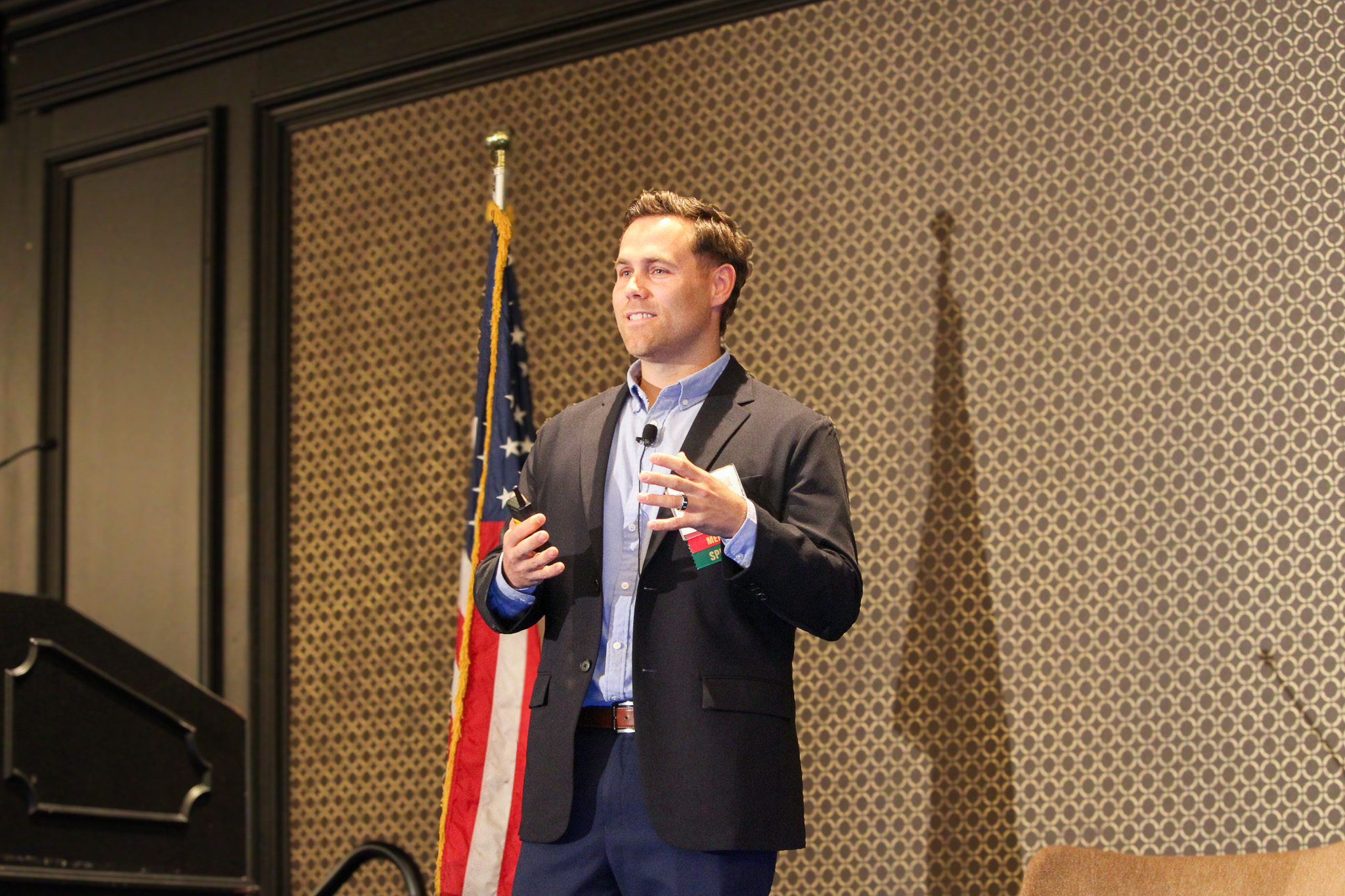
Animal Ag Allies, launched from an idea brought by Zoetis, trains farmers, ranchers, practicing veterinarians, and industry professionals to communicate online, in interviews, and in their communities. Five self-paced modules cover ten animal sectors, emerging issues, difficult conversations, social media, and media interviews. Graduates enter a private forum with peers and quarterly learning sessions. The premise is sensible: an authentic practitioner can explain a practice with a texture a spokesperson cannot manufacture.
The program also reveals how the business works. Participants require an organizational sponsor. The fee is $100 for a farmer, rancher, or veterinarian backed by an Alliance member; $250 for a member-sponsored industry professional; and $500 through a non-member sponsor. Organizational membership itself begins at $1,500 and rises to $50,000-plus, adding logins, briefings, event places, policy reviews, and access to staff. In 2024, the nonprofit reported $1.15 million in revenue. Contributions supplied 84 percent; program services supplied 13 percent.
College Aggies Online supplies another route into the work, using mentors, weekly communications challenges, and scholarships to recruit students. The Stakeholders Summit performs the same function at industry scale. The 25th edition, held in Kansas City in May 2026, brought together more than 229 people to discuss technology, welfare, antibiotic use, transparency, law, and activism. Half were attending for the first time. This is less a mass audience than a deliberately mixed table.
The useful missEight people short, and specific about why
Small organizations often turn every result into a victory. The Alliance's 2023 Animal Ag Allies report did something more useful. It set a goal of 160 total graduates and finished with 152. Recruitment had slowed while the team updated the program. Instead of polishing the eight-person gap away, the report named it and described the repair: more promotion at trade shows and speaking engagements, plus a pilot with the Kansas Academy of Nutrition and Dietetics.
That pilot enrolled 26 dietitians outside the core farmer-and-veterinarian cohort. It was a change of audience without a change of subject. Dietitians answer food questions for the public; the Alliance had information they could use. Meanwhile, surveyed participants rated the program's value 4.7 out of 5. The failure was not the curriculum. It was the route into the room.
What another organization can borrow
- Assign someone to watch the issue continuously, not when the phone starts ringing.
- Build the cross-functional contact list before a campaign reaches the brand.
- Train practitioners with first-hand knowledge, then give them a private place to compare notes.
- Write down the target, publish the miss, and change distribution before rebuilding the product.
Preparedness can become a bunker
The Alliance's language is unapologetically defensive. It speaks of extremists, adversarial groups, threats, misinformation, and attacks. For members facing trespass, vandalism, covert recording, or coordinated brand pressure, that framing makes the service legible. It also creates the central tension in the model. A system built to detect opponents can begin to treat criticism itself as hostile. Trust-building requires curiosity, evidence, and a willingness to admit when a farming practice should change. Threat intelligence cannot do that work alone.
This approach is therefore a poor fit for an organization seeking a neutral animal-welfare forum, a broad consumer coalition, or an independent audit of industry claims. It works when members share a basic commitment to animal agriculture, need cross-sector coordination, and are willing to prepare before a crisis. Even then, the most transferable lesson is not “defend harder.” It is earlier and quieter: listen before the issue becomes a headline, connect people before they need one another, and put the person with real knowledge close to the microphone.
Kopperud's original mistake now reads like the organization's operating instruction. The danger was never simply that an argument would catch on. It was that an entire industry would notice too late.