creator-marketing
(38)
William Heath Keeps Building for the Moment After the Starting Gun
The Newhouse co-founder has moved from brand strategy to scooters, fitness studios and creator culture. His through-line is less glamorous than the industries suggest: make the next decision, then keep moving.
Newhouse Knows the Internet Still Wants Something It Can Touch
The New York agency’s best work begins with an object, a room, or a small piece of theater - then gives creators a reason to carry it far beyond the guest list.

The Advertising Agency That Went for a Walk
A 1957 agency changed owners, changed its name, and picked a fight with advertising's oldest false choice: build the brand or make the sale.
The Agency That Learned a Good Idea Can Wear the Wrong Name
Allen & Gerritsen spent four decades building an integrated independent agency. Then one successful acquisition taught it a sharper lesson: the work can be right while the wrapper is wrong.
The Agency That Wants to Be the Whole Funnel
Avenue Z is assembling PR, paid media, AI search and commerce into one operating system. The interesting part is not the menu of services - it is the bet that reputation and revenue have become the same problem.
The Three-Creator Rule: How Dopamine Studios Chose Depth Over Scale
Most talent agencies make money by adding names. Dopamine Studios has made a more awkward bet: give each manager only a few creators, then build careers that can outlast the feed.

Steph Lund Builds Agencies Around What Fans Already Love
The New York agency executive has spent two decades turning music, sport and entertainment fandom into an operating system for growth. Her second act with a trusted leadership trio suggests the real product is not attention - it is specialist judgment.

The Podcast Was Four Episodes Old. House 17 Found 32 Million Reasons to Keep Watching.
A young Boston agency learned that the useful unit of modern advertising is not the campaign. It is the moment worth clipping, distributing and answering before the audience moves on.
Pitchblend Put the Press Release Inside the Experience
A 20-year-old communications agency has a peculiar answer to the attention problem: make the story, the room and the media plan behave like one object.

The Agency That Wants to Make the Middleman Useful Again
Majors Management Group sells something the creator economy routinely misplaces: the disciplined middle between a good personality and a useful partnership.
The Agency That Put Mashed Potatoes in a Blender
Spool built a people-first PR agency, then proved its taste for odd ideas with Thanksgiving smoothies, pocket-filled jeans and whisper-quiet pickleball paddles. The joke is visible. The operating discipline underneath it is not.

The PR Agency That Outgrew PR
Vicariously began with two game journalists and a suspicion that press releases were not enough. Eight years later, the name had become the least accurate thing about the business.
The Influencer Agency That Put 50,000 Creators Through a Filter
Hello There Collective built an agency around a useful suspicion: a large following is not the same thing as influence. Its answer is part talent network, part content studio and part performance-marketing lab.
CURATIONS sells the campaign. It also owns the audience.
The Los Angeles agency combines human editors, eight named AI assistants and a local publication. Its most interesting offer is a $2,000-a-month restaurant program with somewhere to put the story.

amp&go puts a finish line on influencer marketing
An Apple alumnus built a business around a deceptively simple question: when is an influencer campaign actually finished? At amp&go, the answer starts with the metric you agreed to buy.

EAG Sports Management and the job nobody put in the contract
A playing contract can make an athlete rich. Denise White built EAG around everything that comes next: the interview, the endorsement, the charity event, and the call nobody wants to get.

The Craftsman makes advertising you can play with
Chocolate couture, a museum takeover, and a robot cat built from LEGO. The Craftsman turns brand stories into things people can do, then gives those moments a second life online.

Gaiax wants its employees to outgrow the company
The Tokyo startup studio lets teams turn their departments into independent businesses. Its next experiment asks what happens when those businesses share more of what they know.
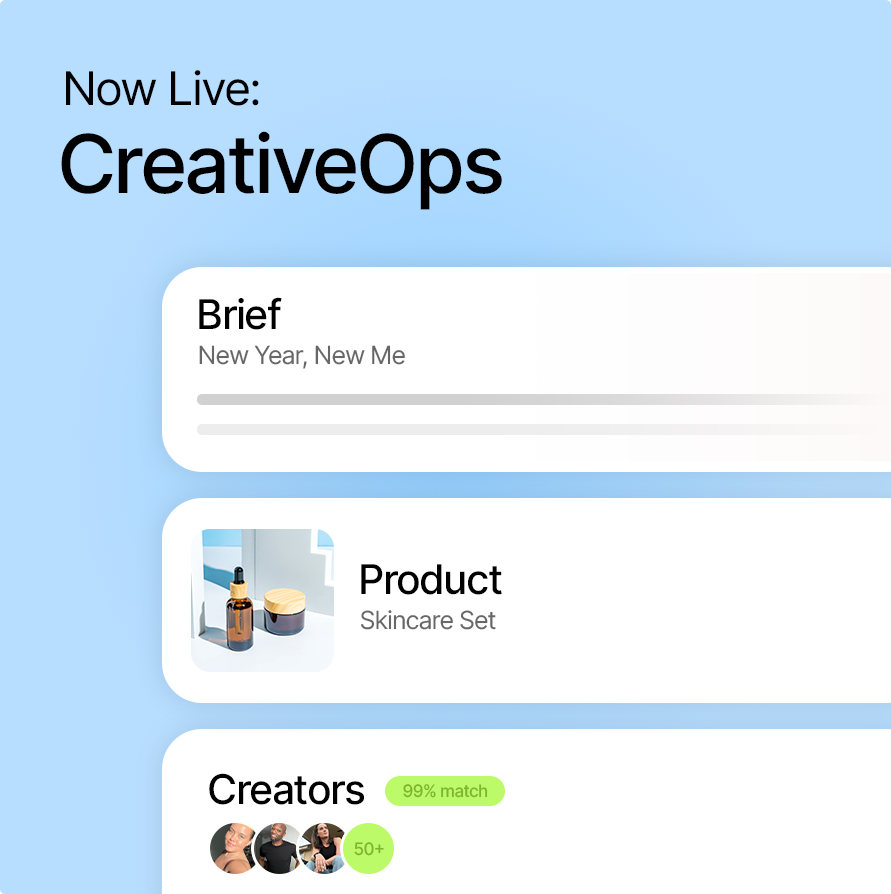
Billo Puts the Ad Factory in Your Pocket
Billo began as a shortcut to smartphone UGC. Now it wants to run the whole creator-ad loop, from the first brief to the ROAS chart - with real people still in front of the camera.
Pixability Bet Brands Would Pay to Make YouTube Less Chaotic
YouTube has the audience, Google has the auction, and advertisers still have a thousand ways to waste an impression. Pixability built its business in that gap - selling data, judgment, and control to brands that cannot afford to guess.
Crispin Made a $50,000 Chicken Famous. Now It Has to Make Integration Interesting
The agency that taught the early web to obey a man in a chicken suit is rebuilding for a messier brief: make culture, media and measurement work in the same room.

Christina McGonagle Is Turning Fashion Marketing Into a Place People Want to Stay
The Outcast CMO has spent a career learning how attention becomes belonging. Her playbook joins performance discipline with parties, pop-ups and creator experiences people choose to talk about.

Alden Reiman Bet His Career on the Brand Side of Fame
After learning the machinery of talent at CAA and the NFL, Alden Reiman chose a less glamorous seat at the table: representing what brands actually need. An acquisition, a new firm, and a decade of creator-economy work followed.
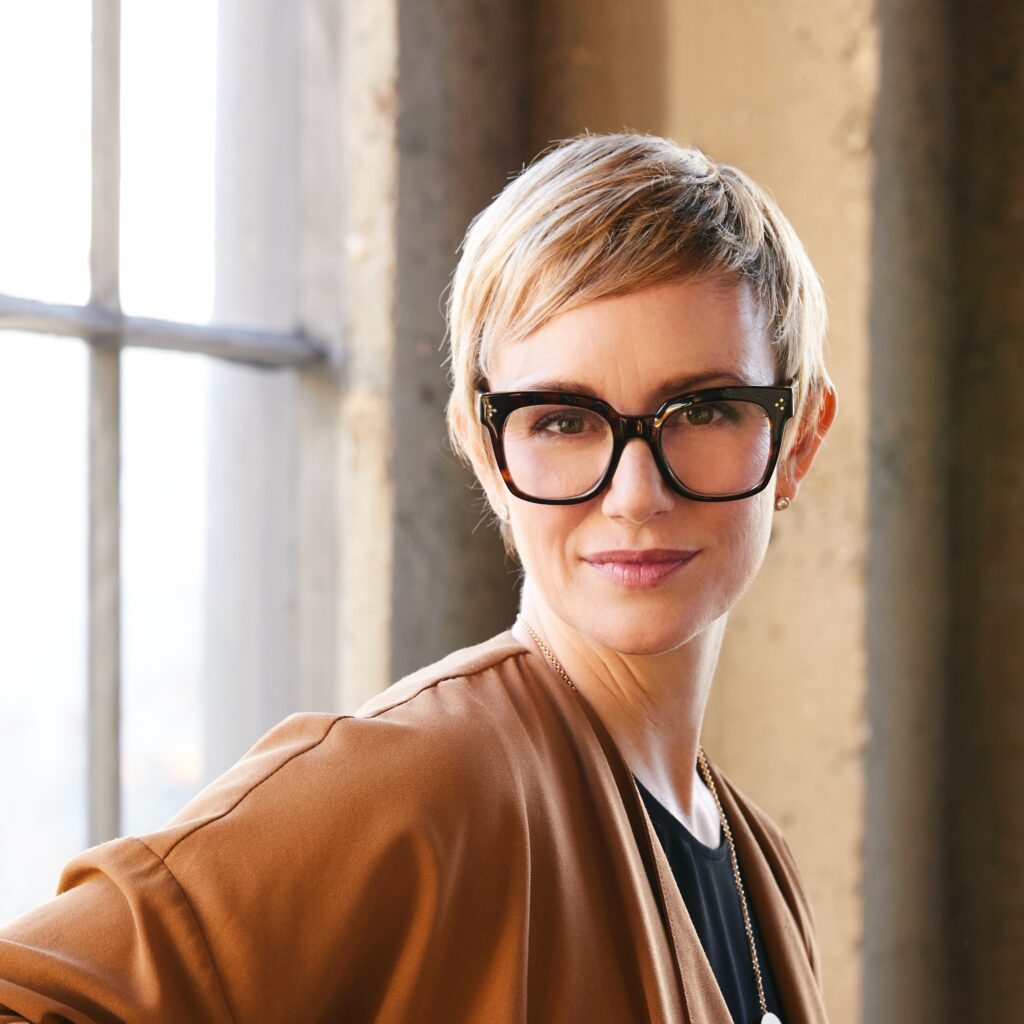
Ryan Stern Saw the Creator Economy Coming - Then Built for What Came Next
Before creator marketing had a playbook, Ryan Stern learned its central lesson from food bloggers: attention can be bought, but trust has to be hosted. Thirteen years after founding Collectively, she is still building around that distinction.
Bellesa’s First Model Failed in Public - Its Second Built a Pleasure Brand Where Ads Couldn’t Go
A consent crisis forced the Montreal startup to tear out its original engine. What followed was a sharper business built on owned products, creator distribution and the radical idea that the checkout page is part of sexual wellness.
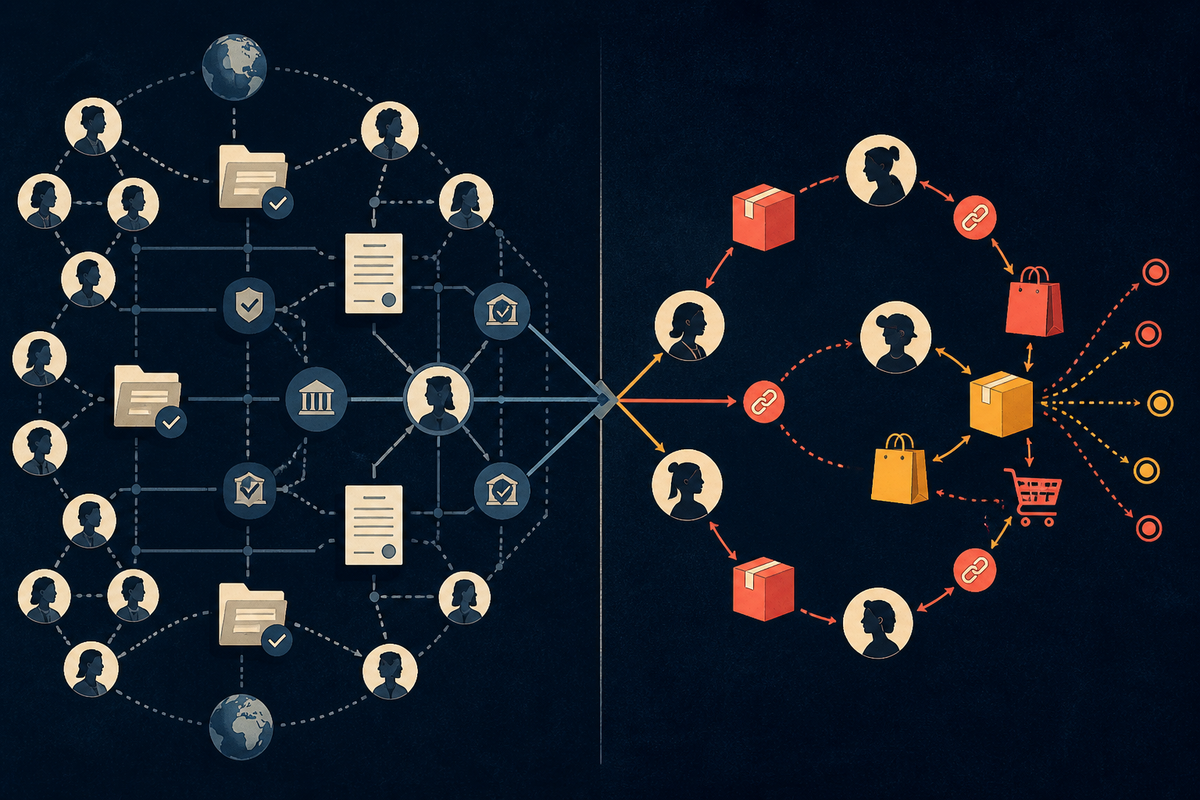
CreatorIQ or Aspire Depends on the Work You Repeat
CreatorIQ organizes the governance of a global creator operation. Aspire turns product seeding, affiliate links and social commerce into a repeatable growth loop.
Collectively Built the Influencer Machine Big Brands Actually Trust
The agency turned a messy trade in sponsored posts into an operating system for brand influence. Its real product is not reach - it is repeatability, from the creator brief to the sales report.
Graza Put Olive Oil in a Squeeze Bottle - Then the Grocery Aisle Copied It
A shower-bottle sketch, two verbs and a no-strings gifting list turned an ancient commodity into a modern kitchen system. The useful lesson is not “use plastic” - it is to make a premium product easier to understand, easier to use and hard to miss.
Glossier Built the Comment Section Into a Beauty Counter. Then the Counter Moved.
Born from a beauty blog and built for Instagram, Glossier made customers part of the product team. Its second act is a harder experiment: keeping that intimacy while selling wherever beauty shoppers already are.
Bazaarvoice Built the Plumbing Beneath the Five-Star Economy
Every star rating looks tiny. Bazaarvoice turned billions of them into retail infrastructure - then began teaching that infrastructure to speak to creators, social platforms, and AI shopping agents.