A chocolate dress is an unlikely way to sell a movie. It is also a useful introduction to The Craftsman, the California creative agency that helped Disney promote Cruella for home viewing. The team commissioned miniature chocolate versions of two costumes, packaged them for creators and media, and gave the film’s fashion a fresh excuse to circulate. The audience already had a trailer. Now it had something worth opening a box for.
That small act of translation explains much of the agency’s work. A screen story becomes an object. An object becomes an encounter. The encounter produces another story, this time told by someone outside the marketing department. Across entertainment launches, technology campaigns and industrial branding, The Craftsman sells the ideas and execution that connect those steps.
Couture, with a shipping address
The Cruella brief was commercial and specific: encourage people to watch the film at home when it arrived on Digital and Blu-ray. The Craftsman led an integrated campaign, collaborating with the publicity team, other agencies and creators. Sustainable fashion, drag, dogs and chocolate each offered a different route into the same character.
The chocolate concept changed shape along the way. In her appearance on Gravity Group’s Brand Story podcast, founder Gina Michnowicz discussed a pivot from a life-size chocolate model to miniature creations. The finished idea put the costumes into mailers that could reach multiple recipients. As a creative decision, it suggests a useful discipline: preserve the detail people care about while changing the delivery.
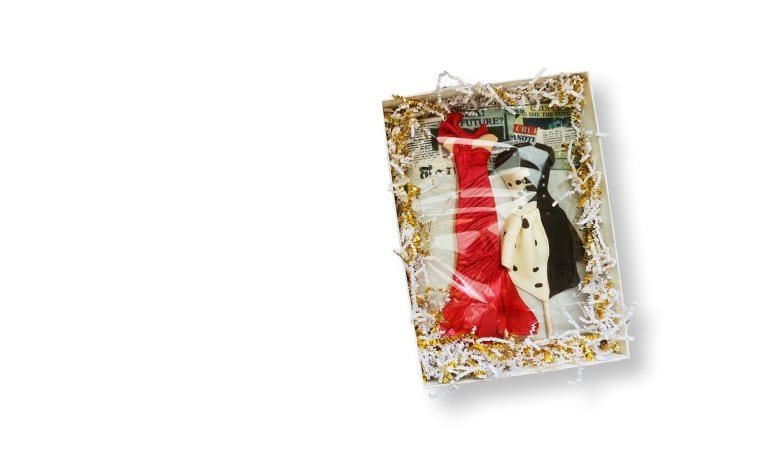
The agency says Disney Eats shared the chocolate work and designer Nick Verreos posted his own Cruella-inspired design. The campaign received a Silver at the 2022 Clio Entertainment Awards in Home Entertainment: Integrated Campaign. That distinction recognizes the whole campaign; the dresses were one part of it.
A consultancy with an appetite for making things
Michnowicz’s route into this work ran through human resources, internal consulting and marketing management consulting. Competitive intelligence, messaging and positioning preceded the more conspicuous creations. In a 2025 CanvasRebel interview, she described learning across disciplines while working on marketing for companies including Microsoft and Cisco.
She also recalled writing stories and drawing party invitations as a child. The connection is easy to see: a themed party requires someone to care about the invitation, the room and what guests will actually do once they arrive. Those are practical questions for an experiential agency, too.
Her stated ambition for The Craftsman included a place where people could develop their craft and broaden their skills. The service menu reflects that outlook: brand strategy, integrated campaigns and experiences, both digital and physical. Its expertise sits across planning, design, copywriting, creator collaboration and production.
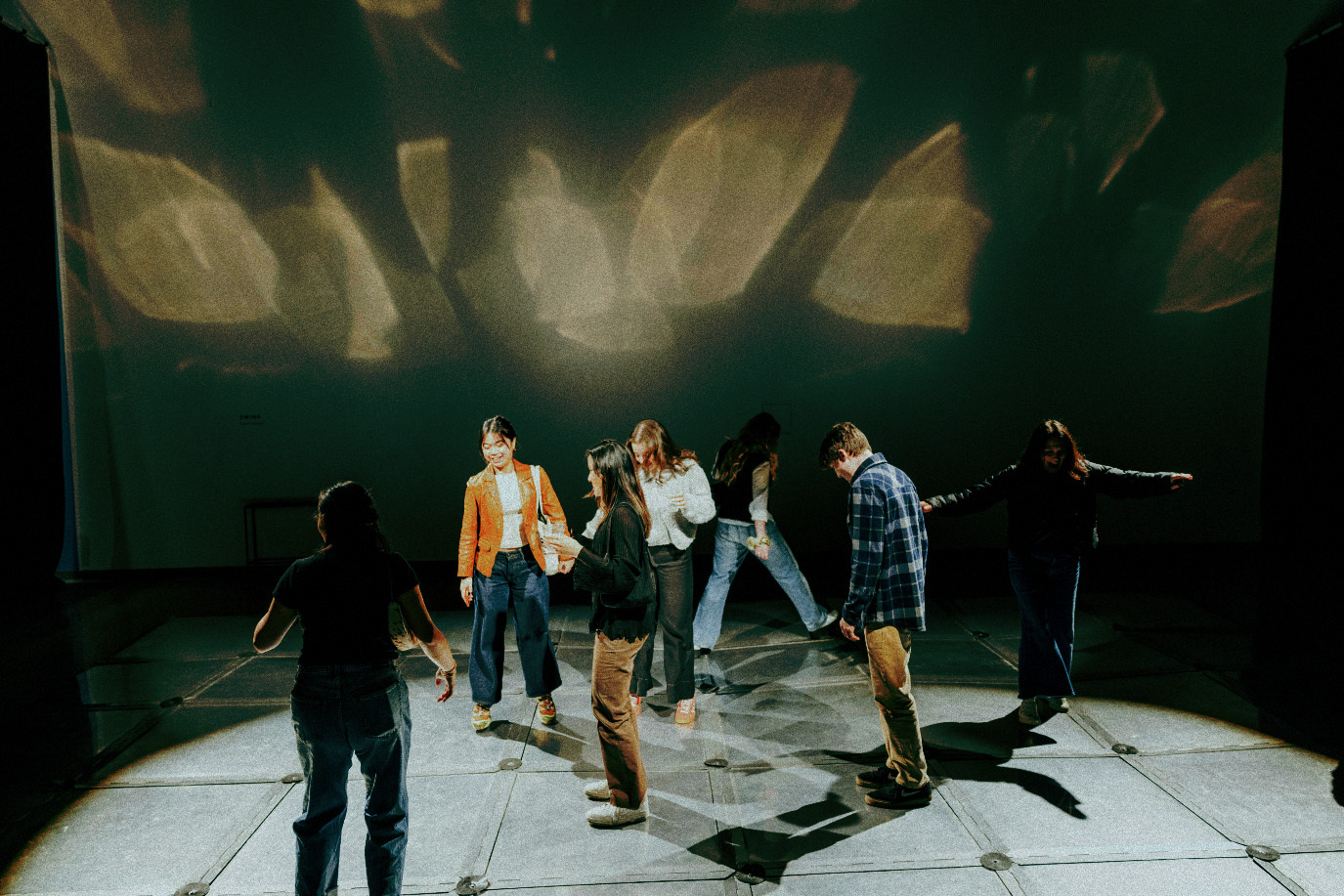
That breadth matters to a buyer. A marketing director can bring a positioning problem as well as an event brief. The agency’s portfolio includes work for Disney, Booz Allen Hamilton and Mercury GSE, businesses whose audiences and buying decisions have little in common.
Please touch the movie
For Disney’s Strange World home-entertainment release, the agency helped turn the Cayton Children’s Museum into a place families could explore. Splat’s Space included slime. Other elements included a science-themed ball pit, a photo opportunity with the Clade family and a wishing wall.
Publicity and PR teams worked alongside the activation to attract press and influencer coverage. Meanwhile, creator content carried the campaign beyond the museum. An artist known as The Flippist made a flipbook that appeared on social media; signed copies went into influencers’ event bags. Even a small paper object had two jobs.
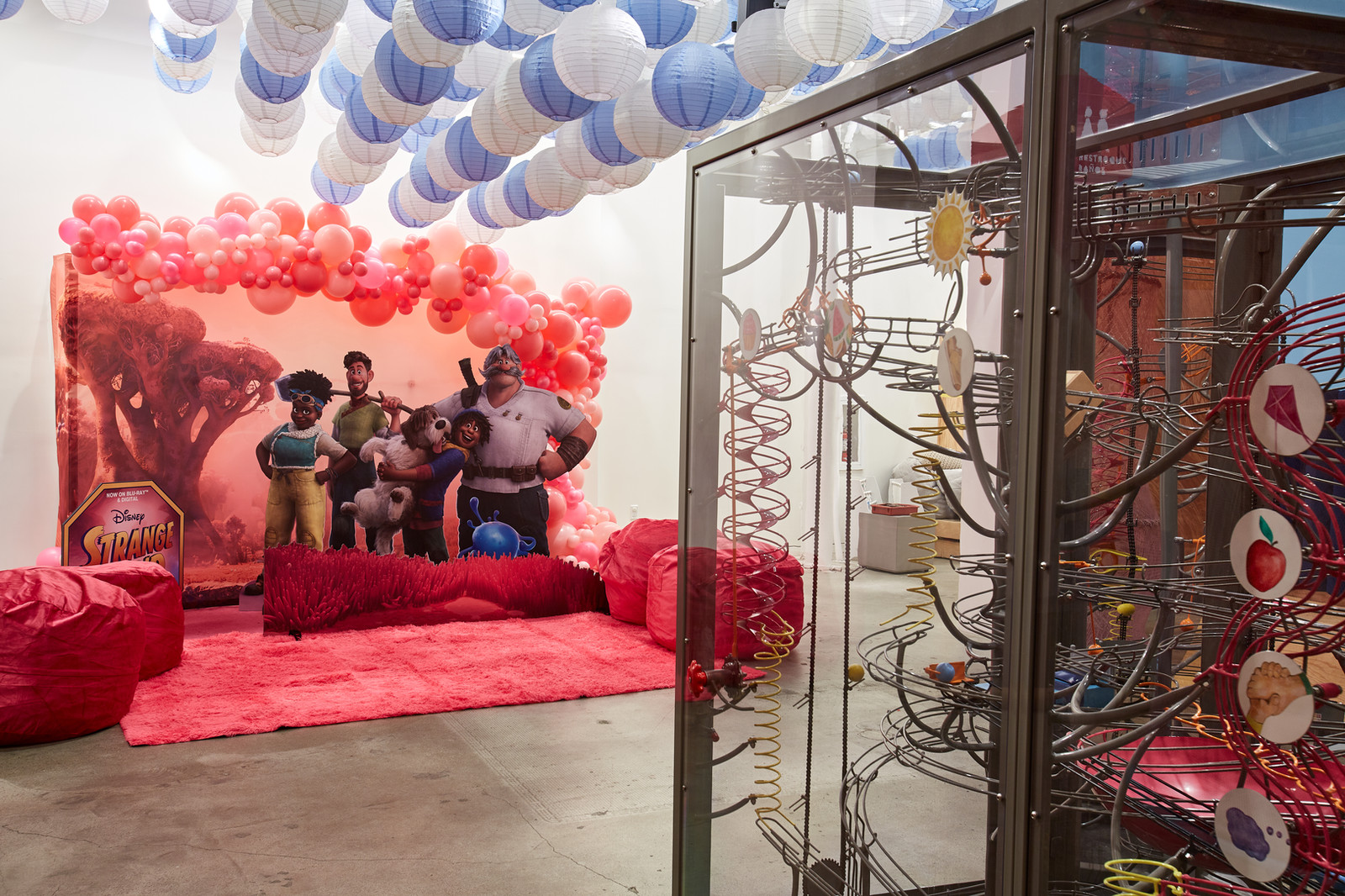
The agency reports that the client reached its business goals within the campaign’s first week. Read that as the agency’s account of this assignment. The more transferable observation is the design: visitors received activities, creators received material, and the film’s characters held the pieces together.
One robot cat, several lives
The Lightyear campaign used a similar pattern with different materials. For the film’s home-entertainment release, The Craftsman brought a LEGO sculpture of Sox, Buzz’s robot-cat companion, to Disney’s D23 fan event. Photo opportunities and a behind-the-scenes timelapse gave the build uses beyond the display itself.
Then the team stretched a movie joke into a 7.5-hour “sleep machine” video for Pixar’s YouTube channel. Interactive social content invited fans to complete Buzz’s catchphrase, while creators contributed movie-night material. A character became a sculpture, a video and a prompt.
The runtime of the Sox-and-Buzz “sleep machine” video created for Pixar’s YouTube channel.
The lesson here is about format. A timelapse rewards curiosity about construction. A photo opportunity lets a fan appear in the story. A long ambient video gives a familiar character a place in someone’s day. Each asks for a different kind of attention.
What a consulting firm can learn from a ball pit
Booz Allen Hamilton’s SXSW 2019 assignment shows how the approach translates to a business audience. The firm wanted to connect with people interested in shaping the future, at a festival where attention was already heavily contested. The Craftsman produced three activations with distinct functions.
At the Startup Crawl, attendees chose from six Austin-influenced T-shirt designs and watched their shirts being printed. A Beat Saber tournament received custom signage and neon lighting. A recharge room offered seats, power outlets, music and coloring postcards.
The recharge room is the telling detail. It took an ordinary conference irritation - tired people with depleted phones - and made helping them part of the brand encounter. The attraction had a reason to exist in the visitor’s day. The shirts offered choice; the game offered competition; the room offered relief.
Mercury GSE needed a different intervention. The ground-support-equipment supplier wanted branding that matched its service ambitions. The Craftsman examined competitors and business goals, then developed a new identity and narrative. A replacement logo had not been in the initial request; the agency says seeing its proposed wingtip design persuaded the client to expand the work.
Mercury announced the rebrand in September 2023, identifying The Craftsman as its agency of record. The rollout covered its website, equipment and facilities. Here, the creative problem was consistency across places customers encounter the company, from a browser to the tarmac.
The chocolate train had an itinerary
The agency’s portfolio also includes a ten-foot replica of the Orient Express built from 3,000 Godiva chocolate bars. For the Murder on the Orient Express partnership, chocolate artist Jen Lindsey-Clark, known as the Chocolatician, supplied the specialist skill.
The display appeared at the film’s world premiere, spent three weeks at London’s St. Pancras International station and continued aboard the Queen Mary 2. Teaser and making-of videos accompanied the physical installation. The locations and formats gave the central creation several opportunities to find an audience.
- 01World premiereThe reveal
- 02St. Pancras3 weeks
- 03Queen Mary 25 weeks
The fit between the two brands was visible in the object itself. Godiva provided the material and associations with indulgence; the movie provided the train. A partnership becomes easier to understand when its shared idea can be photographed in one frame.
What the client is buying
The Craftsman operates as a business-to-business creative-services company. Its clients commission brand and campaign work intended to influence their own customers. The public record includes both individual campaigns and an agency-of-record relationship. For a prospective buyer, that makes the relevant unit of work an assignment or ongoing relationship, with a scope to agree.
That scope can contain several kinds of expense: strategic development, design, fabrication, venue work, creator production, distribution and measurement. Those are planning categories suggested by the work, rather than a price list. A chocolate mailer and a museum transformation require very different production arrangements.
The agency occupies the space between a brand consultancy, a creative studio and an experiential producer. Buyers weighing alternatives can compare that combination with an event specialist, a social-content agency or an internal team coordinating separate suppliers. The decision turns on how much of the work must share a creative idea and how much coordination the client wants to retain.
Michnowicz told CanvasRebel that word of mouth was the strongest source of new business, with clients bringing the agency into new companies when they moved jobs. That is a revealing business detail: the relationship, as well as the finished campaign, can travel.
Give the idea somewhere to go
For a marketer studying these campaigns, the useful starting point is the audience’s activity. What would make a family explore, a fan film, or a conference attendee stop? Then choose a detail the brand can credibly own. A costume works for Cruella because the film gives people a reason to care about it.
Choose a character, promise or detail the audience understands.
Give people something to make, play, explore or use.
Build the photograph, creator story or video into the idea.
Agree on the desired response before commissioning the attraction. A buyer seeking product inquiries needs a way to connect participation to an inquiry; a home-entertainment campaign needs a route to the viewing decision. The exhibit alone cannot carry every commercial task.
These projects also suggest the conditions that demand caution. An unfamiliar brand may need more explanation before an elaborate reference lands. A tight deadline may favor a simpler format. A campaign without a credible distribution plan has fewer ways to reach people beyond those physically present. Those are practical limits, not predictions about any one client.
“True collaboration happens when you leave your ego at the door.”
Gina Michnowicz, in Brand Storytelling
The Craftsman’s appeal lies in the specificity of its answers. Slime belongs to one world, chocolate couture to another, and a charging socket to a particular moment of need. The creative work earns its place when those details make sense to the person encountering them. That is a demanding standard for an agency - and a useful one for anyone paying the bill.
Step into the work
Explore The Craftsman’s website, its campaign portfolio and agency blog. Follow along on Instagram and LinkedIn.
Watch Gina Michnowicz discuss the marketing mix on Brand Story, brand, demand and experiential campaigns, or creativity in the age of AI. Read Mercury GSE’s rebrand announcement.