A sneaker ad landing beside a conspiracy rant is the cartoon version of YouTube's advertising problem. The real version is less dramatic and more expensive: a perfectly safe placement that reaches the wrong person, a clever target that costs too much, an automated campaign that reports a result but hides the path, or a brand video channel treated like a storage closet. Pixability has spent 18 years turning those small leaks into a business.
The Boston company sits between major advertisers and the largest video platform on earth. It does not own the audience or the auction. Google does. Pixability supplies another layer: data on individual videos, contextual curation, brand-suitability rules, campaign buying and optimization, reporting, creator discovery, and people who have spent enough time inside YouTube's machinery to know which lever matters.
The product is a smaller YouTube
YouTube's abundance is its charm for viewers and its administrative headache for buyers. A campaign can reach almost anyone, across phones, laptops and television screens, while appearing beside content made by a studio, a teenager, a news organization or a channel that did not exist last week. Native tools can buy that inventory efficiently. They cannot give every advertiser a bespoke definition of relevance, quality and risk.
Pixability's job is to shrink the possibility space. Its contextual products use signals including topic, language, past performance, suitability and audience behavior to assemble inventory around a campaign. Its managed team can then buy, pace and optimize the media. The company says it held video-level data on more than 3.6 billion YouTube videos when it introduced GenAI Contextual Segments in 2024. The number sounds like a brag until you consider the task: find the tiny fraction of a giant catalogue that makes sense for one cereal, hotel, shoe or insurance campaign.
That distinction separates Pixability from a pure verification vendor. Brand safety asks whether content crosses a broad danger line. Brand suitability asks whether it fits this advertiser. Performance asks whether the placement did useful work. Pixability wants all three questions in the same loop, plus an operator who can change the campaign while it is still running.
“Brand safety is a floor. The business lives in deciding what is worth buying above it.”
From every platform to one complicated planet
Pixability began in 2008, when founder Bettina Hein saw online video becoming more data-heavy and difficult for marketers. The date makes a tidy origin story: March 14, Pi Day. Hein later said it was accidental. She wanted March 15 to honor her grandfather, an entrepreneurial role model, but that date fell on a Saturday. European date formats had also spared her the American fixation on 3.14. Corporate mythology, defeated by a calendar.
The company first developed software for distributing and optimizing brand video, then followed advertising into YouTube. By the middle of the next decade, its ambition was broad. Pixability promoted tools that unified targeting, buying and measurement across the walled gardens of YouTube, Facebook, Instagram and Twitter. PixabilityONE, announced in 2019, packaged audience building, campaign optimization and reporting across video platforms and connected TV.
The breadth was rational. Marketers hated comparing incompatible reports, and audiences were scattering. Yet the company's current positioning is much sharper: it calls itself a YouTube outcomes platform and says its team wakes up focused entirely on YouTube. This is not evidence that the broader chapter failed. It is evidence that YouTube became large enough to reward specialization. Its videos now fill the living-room screen, its creators behave like media companies, and its buying products span awareness, action and commerce. One platform became a whole market.
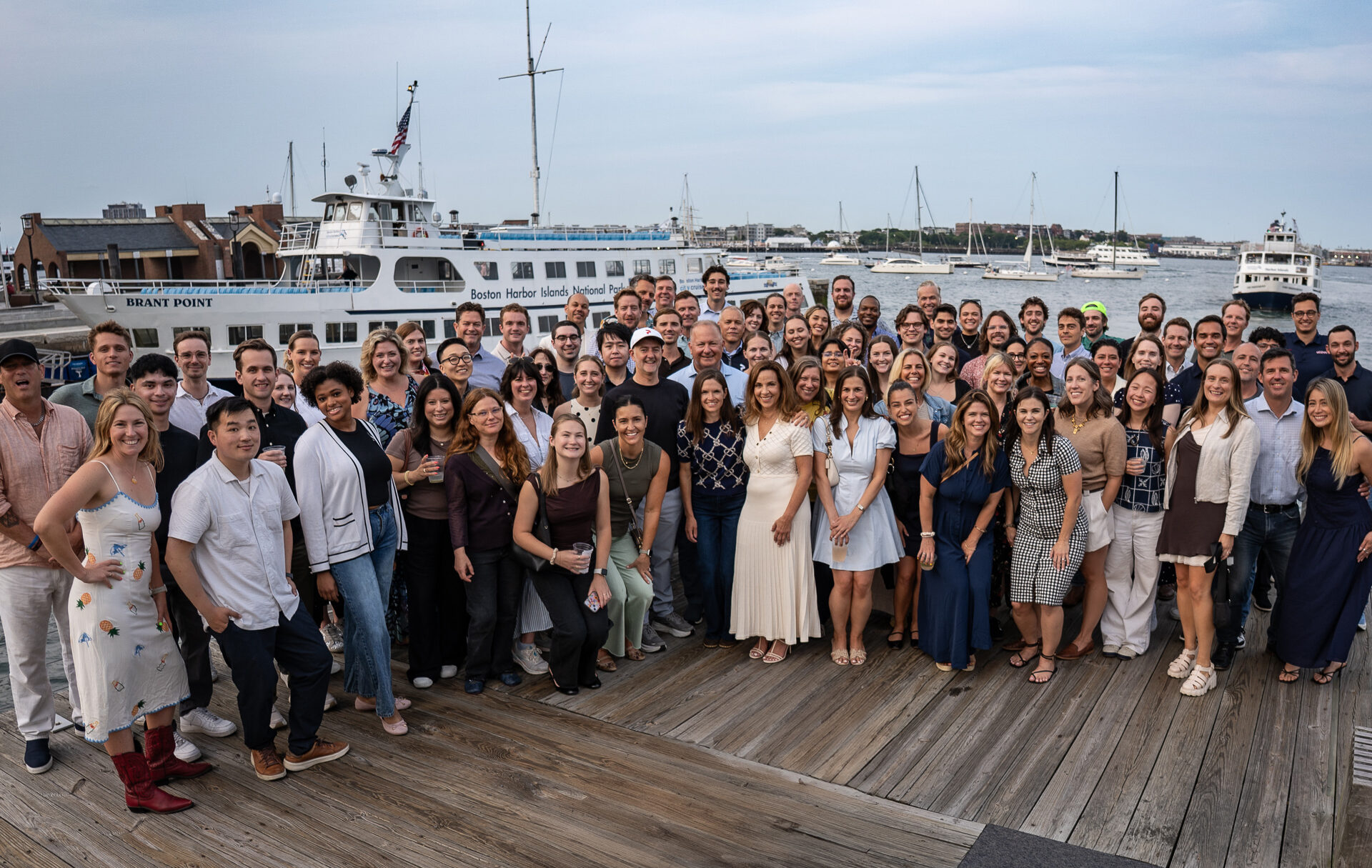
The corporate turns followed the market. In 2015, Pixability raised an $18 million Series C led by Jump Capital and Edison Partners, bringing announced funding to about $28 million. The money was earmarked for technology and international growth. In 2018, former Facebook executive David George became chief executive while Hein moved to Executive Chair. The same year, Pixability participated in early YouTube connected-TV reporting. The service that began around internet clips had arrived in the lounge.
Automation creates a market for an auditor
Google has steadily automated more campaign decisions. That can make buying easier, but it also reduces the knobs and windows advertisers can touch. Pixability has responded with products that supplement, rather than replace, Google's systems. Its 2025 Demand Gen Solutions Suite added exclusion controls and reporting around Google's AI-optimized format across YouTube, Discover and Gmail. Its agent, called pixie, curates inventory and optimizes campaigns toward buyer goals. In October 2025, Google named Pixability among the launch members of its YouTube Activation Partners program.
There is a delicious ad-tech paradox here. The more automated the underlying auction becomes, the more some buyers want a second machine to watch the first one. Pixability can make that arrangement credible because it brings its own data and because it executes enough YouTube campaigns to learn across them. The human service layer matters too. Software can flag a costly audience segment; a strategist still has to decide whether the learning is real, temporary or creatively useful.
The clearest proof comes from campaign case studies, with the normal caution that vendors publish their wins. For Saucony and agency iProspect, Pixability built a full-funnel plan across YouTube, Amazon Fire TV and Roku. It reported more than 143,000 YouTube optimizations, a 128 percent lift in Google and YouTube searches for three shoe collections, 22,400 site clicks and 5,739 purchases. The interesting move was not merely targeting runners. When post-workout and recovery interests performed well on Amazon, the team applied related behavioral targeting on YouTube. Learning crossed the garden wall even when the data systems did not.
A business priced like a media plan
Pixability is enterprise infrastructure, not a $49 dashboard. Its customers include major agency groups such as Publicis, Omnicom, Dentsu, IPG, Stagwell and WPP Media, along with publicly named brands including KIND, McDonald's, Salesforce, LEGO and CVS. It offers full-service campaign execution, self-service access to curated inventory, YouTube channel management, creator tools and the newer Pixability360 proposition that links paid media, organic channel work and creator strategy.
There is no public price card. Contracts run through negotiated insertion orders. Pixability's terms allow management or technology fees to be calculated as a percentage of billable media, a fixed one-time or recurring fee, a hybrid, or a performance arrangement. The media budget sits separately. In practice, the buyer is paying for software, data and service in proportions tailored to the campaign.
That model also defines where Pixability will not work. A small advertiser with a simple campaign and native Google skills may spend more on the layer than it saves. A brand focused mainly on TikTok or retail media is shopping in the wrong aisle. And optimization gets weaker when a customer cannot provide a meaningful outcome signal. Better machinery does not rescue vague objectives, poor creative or a budget too thin to learn from.
What a reader can copy
- Separate “safe” from “suitable” and “effective.” They are three tests, not one.
- Use broad discovery before narrow targeting. The obvious content category is not always the best performer.
- Carry learnings across channels even when the platforms will not share their plumbing.
- Ask creators to self-identify. Do not turn visual guesswork into audience data.
- Price the control layer against waste avoided, not against the cheapest dashboard.
The creator is not just inventory
Pixability's Inclusive Media Initiative is the most revealing extension of its core idea. Advertisers often want to support creators from underrepresented communities, yet conventional classification can reduce identity to somebody else's visual guess. The initiative asks creators to opt in and self-identify the communities they belong to or support. Brands receive inclusion lists filtered through their suitability criteria, then reporting on impressions, spend and estimated creator revenue.
It is still an advertising product, not social policy. But the mechanism is worth noticing: improve the input, give the subject agency, then measure where the money went. The same logic appears in Pixability's work with sustainability partner Cedara, which measures campaign emissions. Both products turn a soft corporate intention into a field that can appear in a media report.
By 2026, Pixability's proposition had widened within its chosen planet. Pixability360 connects paid campaigns, brand-owned channels and creator programs. That is sensible because a viewer does not experience those as separate departments. She watches a creator review, sees an ad, searches the brand and lands on its channel. The organization chart is invisible to her. A platform that sees the whole sequence has a better chance of explaining what moved.
Pixability's enduring trick is not pretending it can tame YouTube. Nobody can, and viewers would probably hate the result. It makes the platform temporarily legible to one advertiser at a time. In a market obsessed with reach, the company sells a narrower promise: know what you bought, why you bought it, and what happened next. Chaos remains. The invoice is for navigating it.