connected-tv
(104)
JWX wants every story to earn its keep
A video player grew into a bet on the economics of publishing. JWX now connects the work of making content, finding an audience and getting paid.
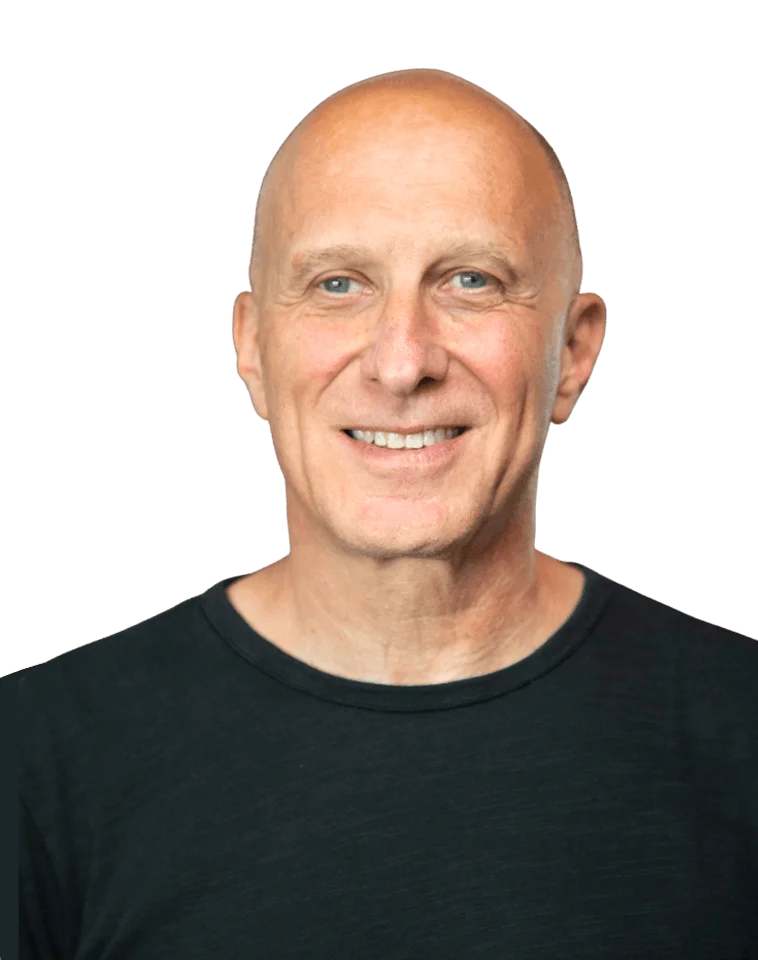
David Kostman and the art of the second act
He has sold the promise of the internet, run a textile business and helped put hummus on the Manhattan lunch menu. At Teads, David Kostman is trying to bring advertising’s separate worlds to the same table.

The E.W. Scripps Company bets on free.
A newspaper company built for working people now wants to make live sports easier to watch. The antenna is cheap. The business behind it is anything but.

Guy Edri and the strange business of making TV simple
Guy Edri helped build VIDAA by inviting other companies onto the screen. Now, as the business becomes V, he wants the television industry to see the household the way viewers do.

Jeff Green and the price of an open door
Jeff Green built The Trade Desk by asking who gets a fair chance in an advertising auction. His scholarships ask a related question about college, while a difficult year tests the company he still leads.
Channel Factory bets on the video around your ad
A cheap impression can become an expensive mistake. Channel Factory built a business around choosing the company an advertisement keeps.
Cadent wants your screens to talk.
The audience moved. The advertising budget got stuck. Cadent is stitching TV, streaming, digital, and YouTube into a system that can follow the money - and change where it goes.

GumGum wants to read the room
The company that started with photographs now sells advertisers a better sense of timing. Its wager: what you are paying attention to can matter more than who you are.
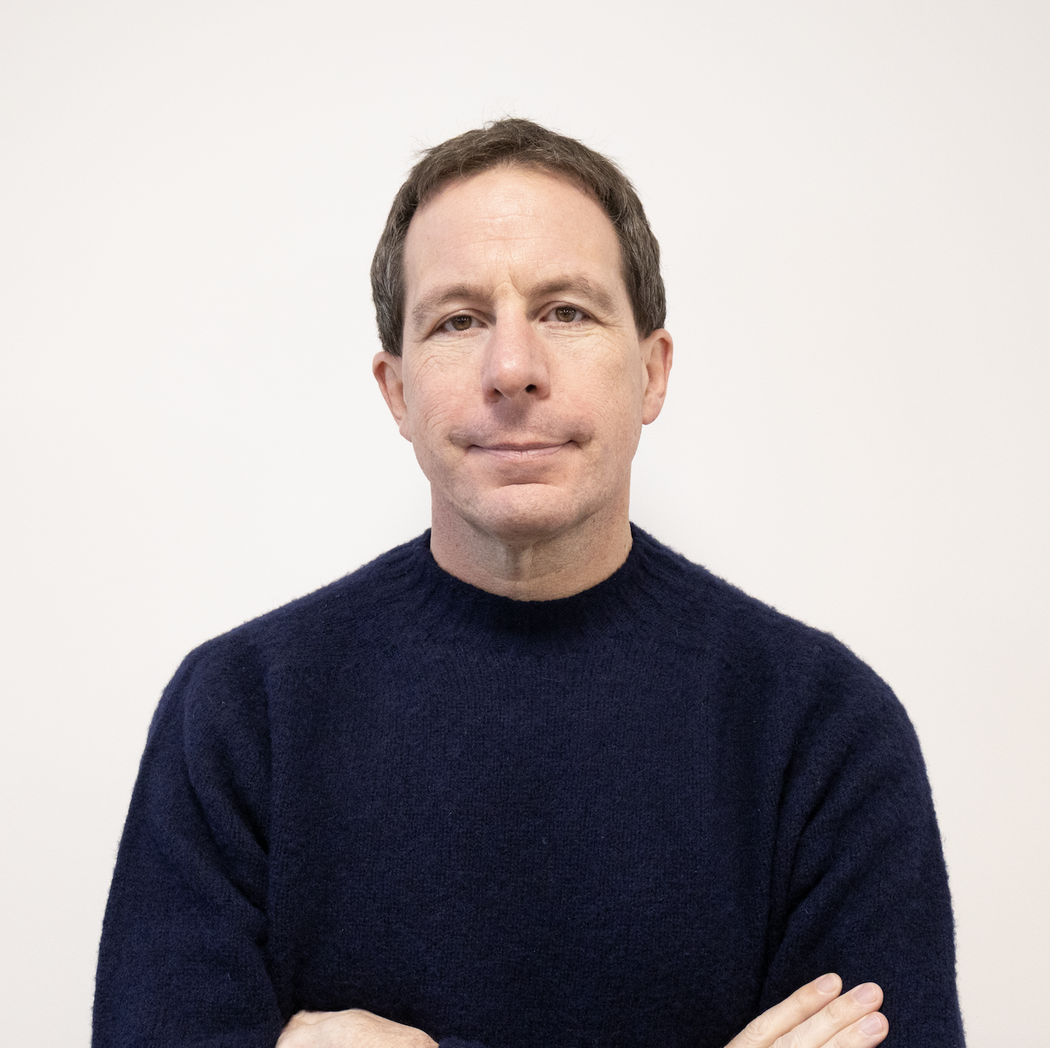
Stephen Upstone and the trouble with a click
A click can tell you where a finger went. Stephen Upstone has spent years trying to discover where a mind went - and built LoopMe around the difference.
Leif Welch Kept the Name. He Changed the Tune.
A music marketplace went nowhere. Leif Welch kept JamLoop alive through two years of Uber shifts, then found a different audience: the smaller advertisers trying to follow their customers onto streaming TV.
Anthony Wood and the trouble with watching television
He wanted an easier way to record Star Trek. Three decades, a lost DVR battle and a detour through Netflix later, Anthony Wood has built a business around deciding how television reaches the living room.

Centro found the work hiding behind the ads.
Buying an ad takes a moment. Everything around it can take weeks. Centro, now Basis Technologies, built its business in that gap.
Imagine Communications: Change the system. Keep the show.
Television has to reinvent its machinery while the pictures keep moving. Imagine Communications sells the bridges between old and new - and the software that helps pay for the crossing.

Integral Ad Science makes ads prove their worth
An ad can load perfectly and accomplish nothing. Integral Ad Science built its business around the awkward questions that come after “delivered.”

Outbrain bought a bigger stage.
It built a business on what you read next. Then Outbrain spent roughly $900 million on Teads and took its name. The next act reaches from article feeds to television screens.
Amagi put the TV station in software
A request to replace two hours of television helped turn an Indian advertising startup into a global broadcast business. Its real product is the work viewers never see.
Unified makes the ad budget legible.
Buying digital ads is easy. Understanding where the money went is harder. Unified built a business around closing that gap, pairing campaign specialists with software that keeps the receipts.
Fubo fought Disney. Then joined the team.
It began with a $7 soccer subscription. Eleven years later, Fubo is a Disney-controlled TV business testing whether fans will pay for a bundle built around the teams they actually follow.
Choozle puts the buyer back in charge
Buying an ad is easy. Knowing what you bought is harder. Choozle has built its business around giving smaller agencies a clearer view of the machinery.
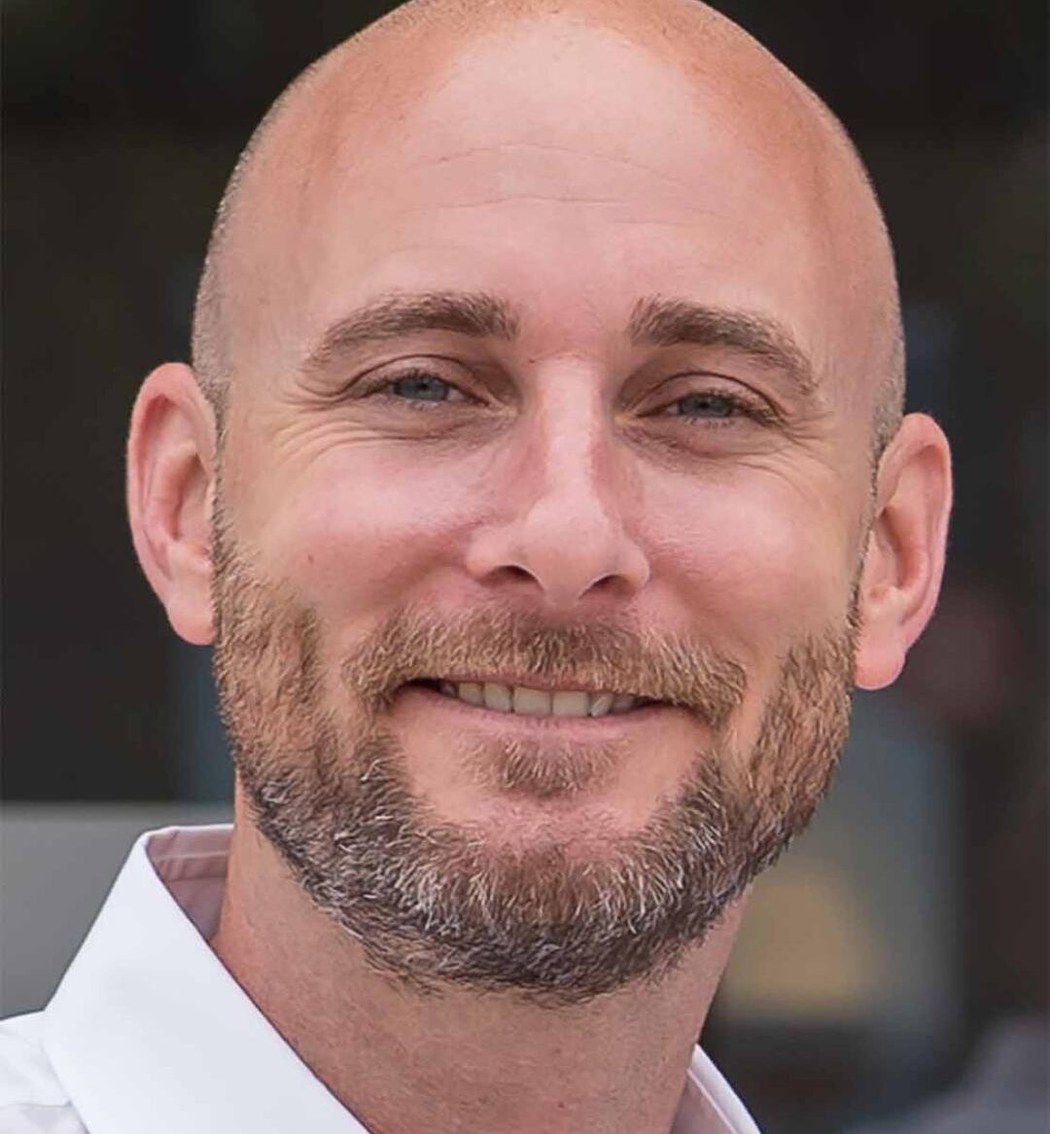
Tim Vanderhook’s $99 education
A borrowed credit card helped launch his advertising business at 18. Myspace, a company buyback and a Nasdaq listing followed. Now the Viant co-founder is writing another chapter in code.
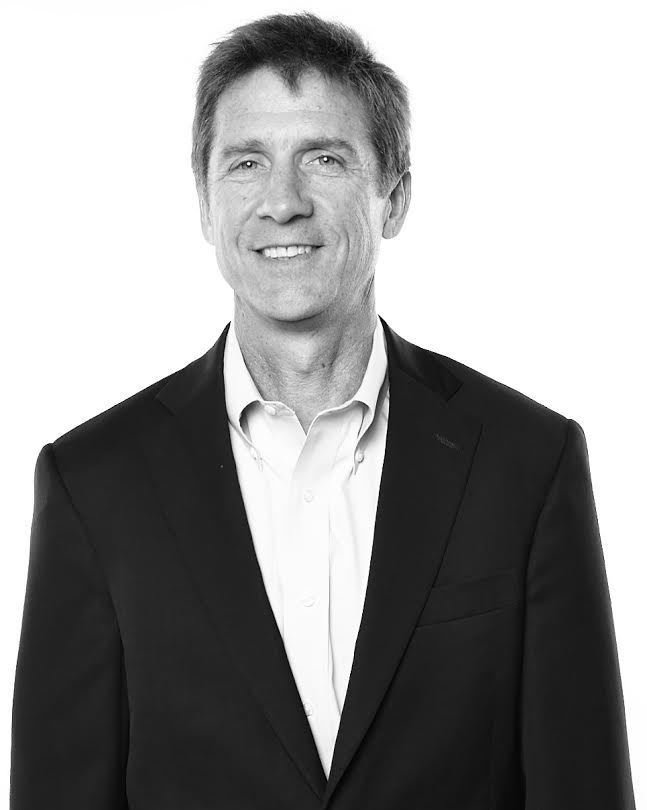
Frost Prioleau and the value of thinking small
From a family foundry to Simpli.fi, Frost Prioleau kept returning to customers other people overlooked. His next chapter includes a planned CEO handover and a seat on Fort Worth’s school district board.

Ashwin Navin and the audience hiding in plain sight
From BitTorrent’s distribution deals to Samba TV’s audience data, Ashwin Navin has spent his career connecting technology to the people using it. His next question is what happens after the advertisement.
Connatix Found the Money Behind the Play Button
Publishers had stories. Advertisers had budgets. Connatix built the machinery between them - and its evolution into JWX reveals why a video player was only the beginning.

Applicaster builds streaming apps that can change their minds
A volleyball service wanted control. An app builder had spent years learning how to give it away. Inside Zapp, Applicaster’s bet that streaming teams should be able to change the screen without rebuilding the machine.

Uniper turns the television into a place to belong
The remote control is an unlikely instrument of social change. Uniper uses it to bring classes, conversation and care into the homes of older adults who want to stay put.
NBTV wants your television to close the sale
A bottle, a golf club, a jar of sauce: NBTV puts the checkout inside the entertainment. Its bigger wager is that a good story can earn a sale before the viewer reaches for a second screen.
Beeswax let advertisers bring their own brains
Most ad platforms sell you their judgment. Beeswax rented out the machinery and let buyers supply their own - a distinction that carried a New York startup into Comcast’s television business.

Digital Remedy and the case of the missing credit
A $42,000 advertising test offers a clue to Digital Remedy’s business: the channel that closes a sale may owe a debt to the one that started it.
NextRoll wants your ads to talk to each other
The company behind AdRoll grew by bringing retargeting to smaller businesses. Its next bet is that marketers need their channels, data and sales teams to agree on what actually works.
Affinity Global finds money in the overlooked click
A browser shortcut. A misspelled address. A broken shopping link. Affinity Global has built a business around the small moments that advertising tends to overlook.