connected-tv
(26)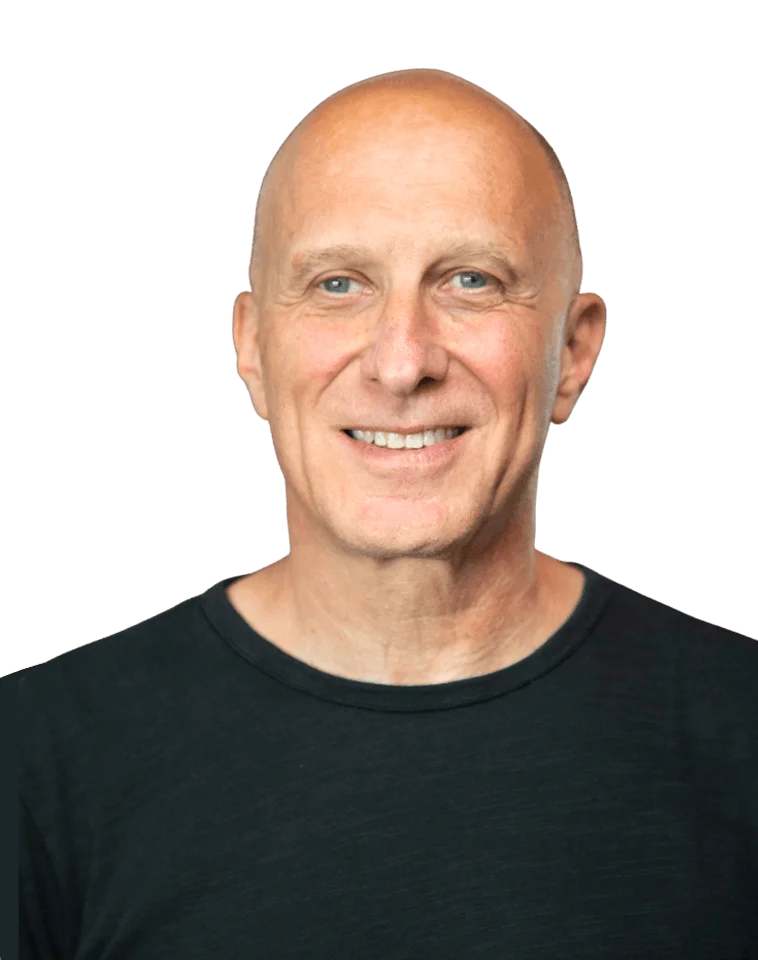
David Kostman and the art of the second act
He has sold the promise of the internet, run a textile business and helped put hummus on the Manhattan lunch menu. At Teads, David Kostman is trying to bring advertising’s separate worlds to the same table.
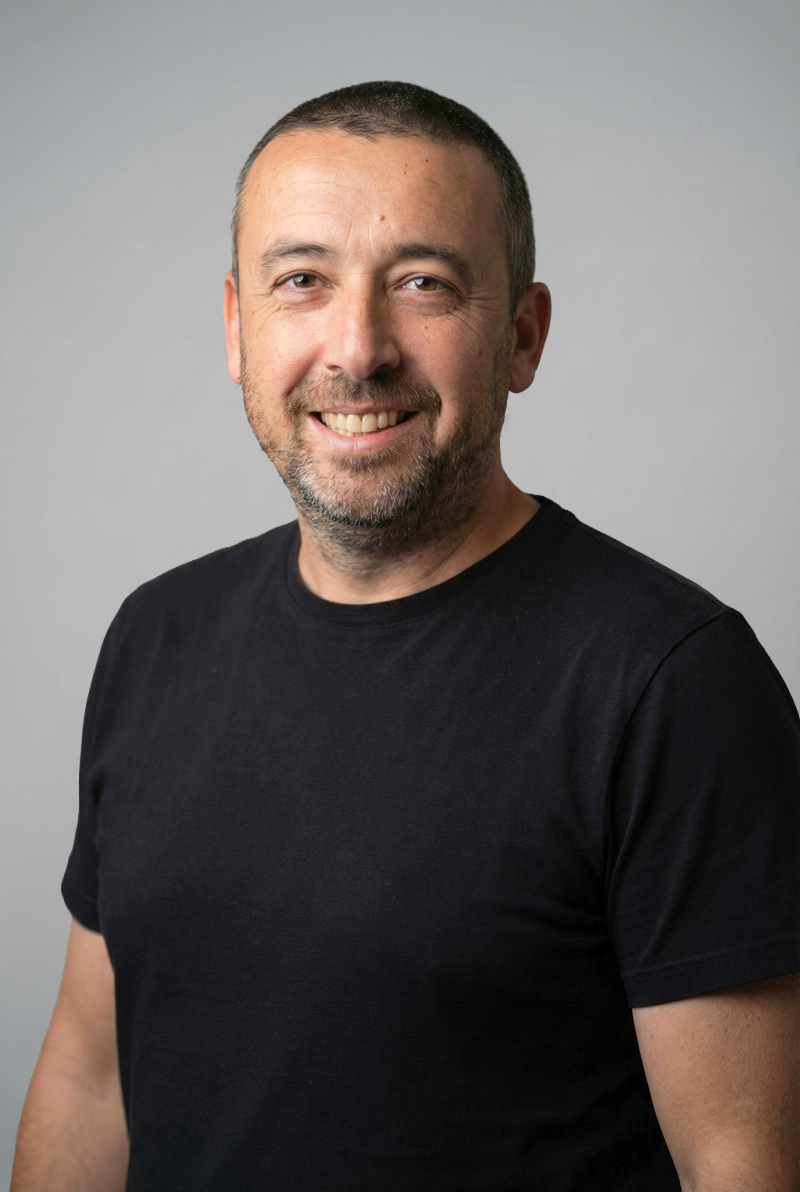
Guy Edri and the strange business of making TV simple
Guy Edri helped build VIDAA by inviting other companies onto the screen. Now, as the business becomes V, he wants the television industry to see the household the way viewers do.

Jeff Green and the price of an open door
Jeff Green built The Trade Desk by asking who gets a fair chance in an advertising auction. His scholarships ask a related question about college, while a difficult year tests the company he still leads.
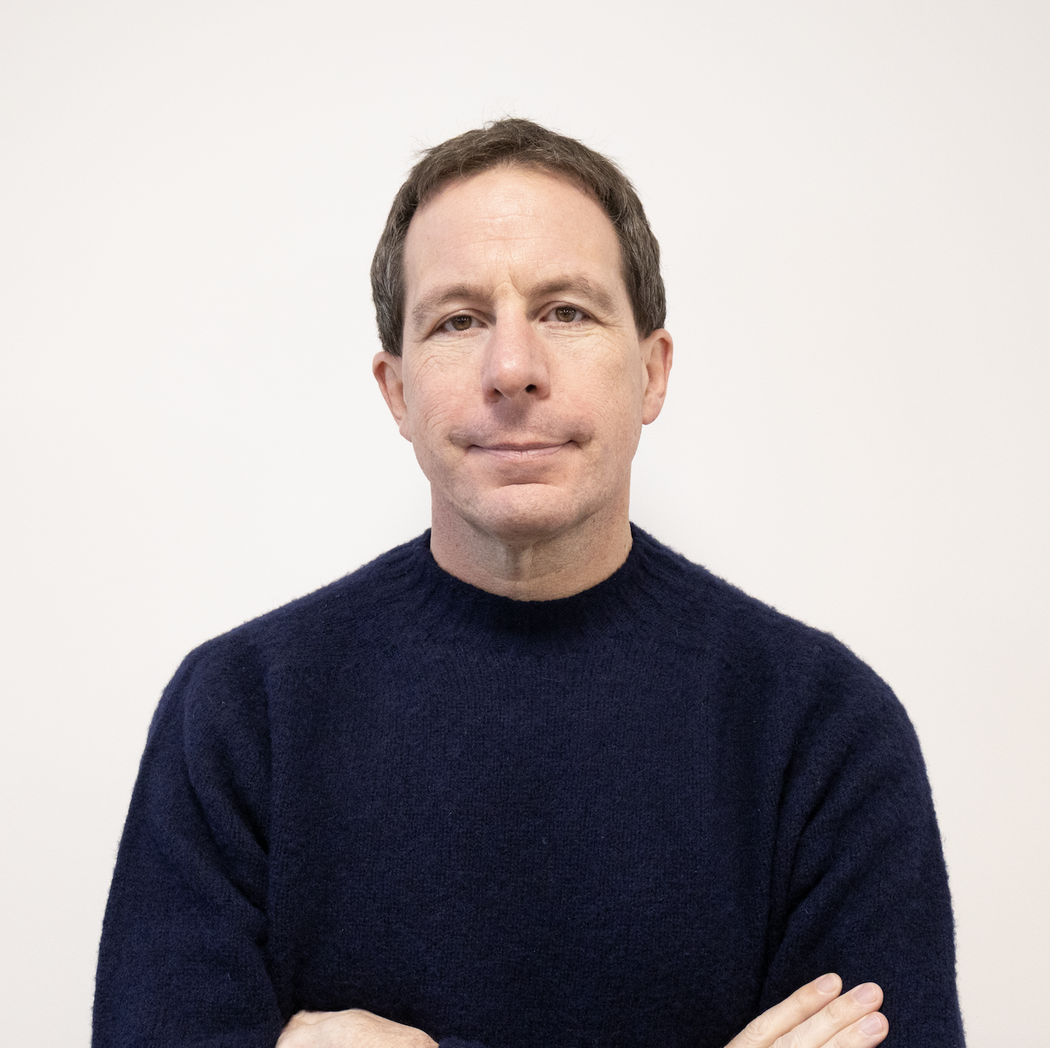
Stephen Upstone and the trouble with a click
A click can tell you where a finger went. Stephen Upstone has spent years trying to discover where a mind went - and built LoopMe around the difference.
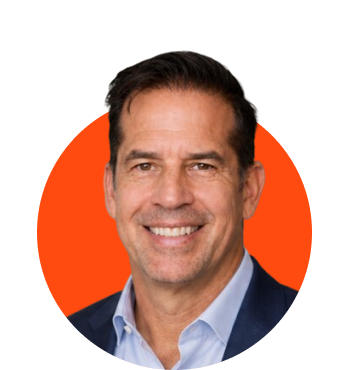
Leif Welch Kept the Name. He Changed the Tune.
A music marketplace went nowhere. Leif Welch kept JamLoop alive through two years of Uber shifts, then found a different audience: the smaller advertisers trying to follow their customers onto streaming TV.
Anthony Wood and the trouble with watching television
He wanted an easier way to record Star Trek. Three decades, a lost DVR battle and a detour through Netflix later, Anthony Wood has built a business around deciding how television reaches the living room.
Tim Vanderhook’s $99 education
A borrowed credit card helped launch his advertising business at 18. Myspace, a company buyback and a Nasdaq listing followed. Now the Viant co-founder is writing another chapter in code.
Frost Prioleau and the value of thinking small
From a family foundry to Simpli.fi, Frost Prioleau kept returning to customers other people overlooked. His next chapter includes a planned CEO handover and a seat on Fort Worth’s school district board.
Ashwin Navin and the audience hiding in plain sight
From BitTorrent’s distribution deals to Samba TV’s audience data, Ashwin Navin has spent his career connecting technology to the people using it. His next question is what happens after the advertisement.
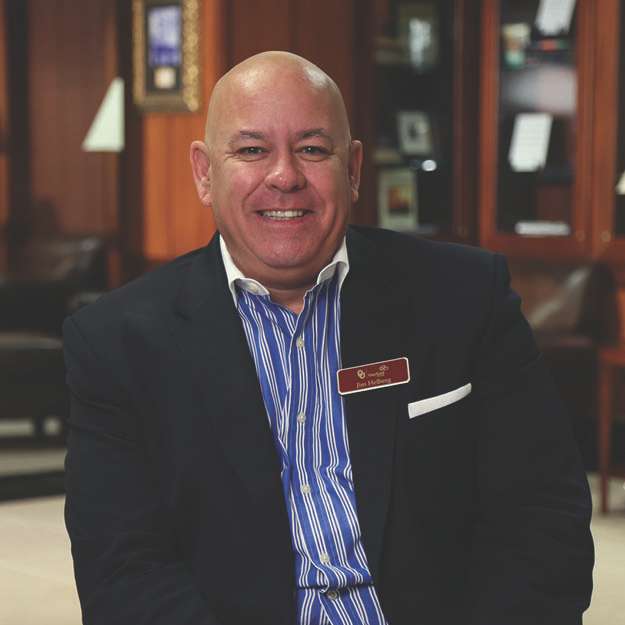
Jim Helberg Came Back to RPA. Now He Has to Carry It Forward.
Four decades in media brought Jim Helberg back to the agency where he once worked on Honda. As RPA's CEO, he is betting that old-fashioned judgment and new machinery can still share the same desk.

Matthew Duffy Is Teaching Advertisers to See the Whole YouTube Screen
After three decades near the fault lines of digital media, Pixability's CMO has a plain-spoken case for YouTube: stop treating its ads, creators, and brand channels as separate worlds.
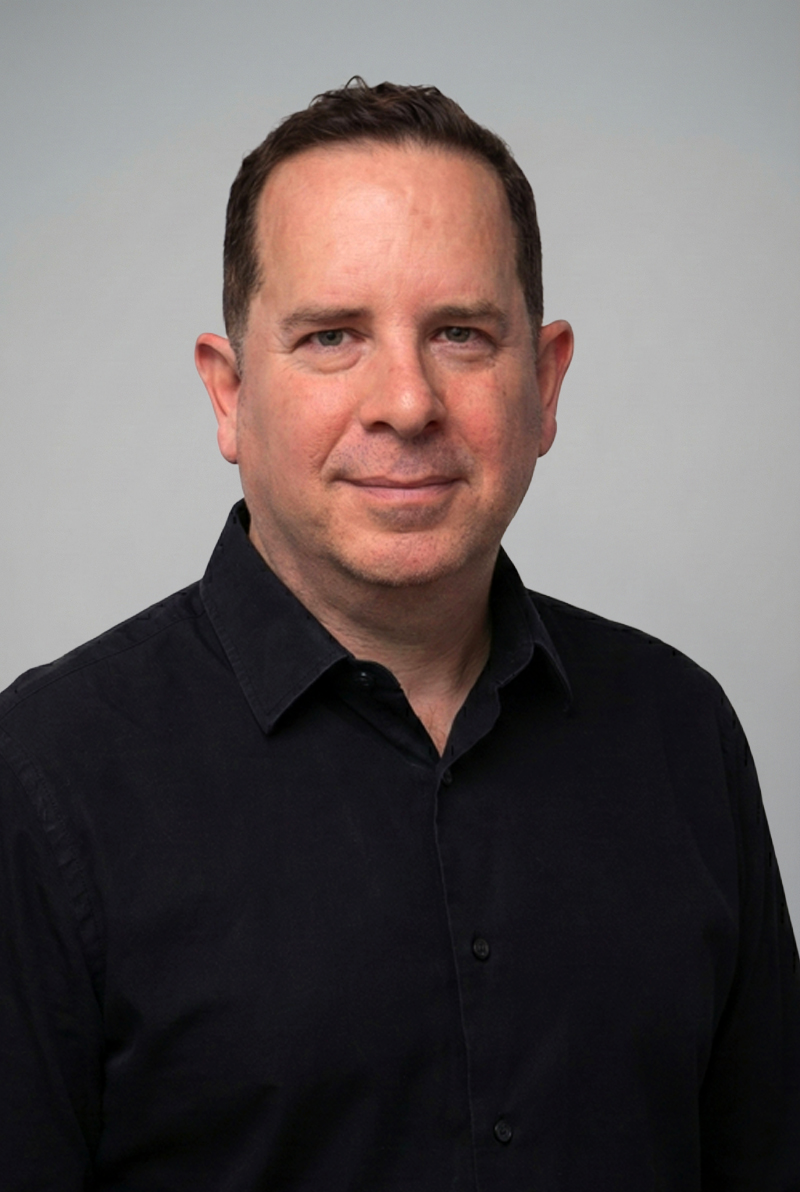
Michael Melnick Designs Brands for the Screen - and Beyond It
Before he was marketing a television operating system, Michael Melnick was teaching people how to name the problem. His career connects the design studio, the classroom, the chocolate wrapper and the largest screen in the house.
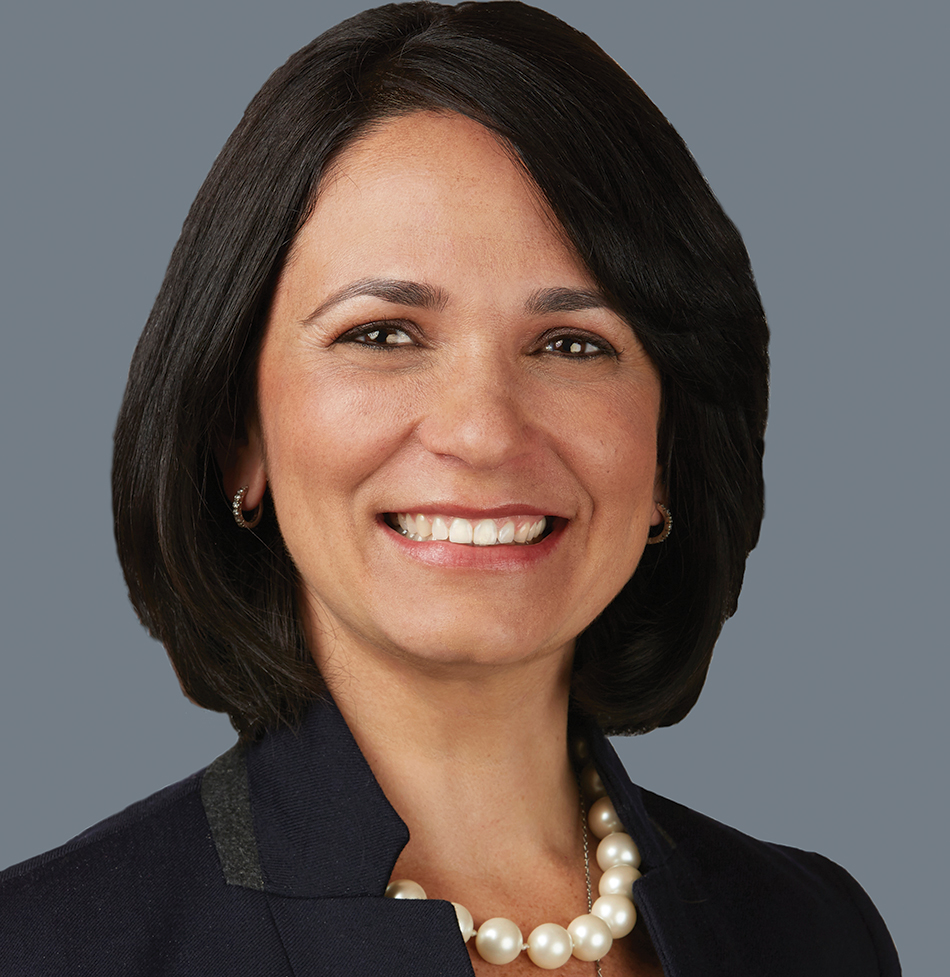
Marcella Sciorra Knows the Future of Advertising Still Has to Earn Your Trust
After two decades in media, Marcella Sciorra carried television's oldest lesson into healthcare advertising's newest frontier: reach means little without relevance, and relevance means little without trust.

Nancy Roberts Is Making Ad Tech Speak Human
After years spent selling algorithms, retargeting and creative technology, RZR's chief marketing officer keeps returning to a stubbornly analog advantage: speak clearly, notice the person, and build the room you once needed.

Jeff Fagel Wants Television to Show Its Work
After a career stretching from margarine and Kmart to streaming ads and AI, the Chicago CMO keeps returning to one stubborn question: did the marketing move the business?
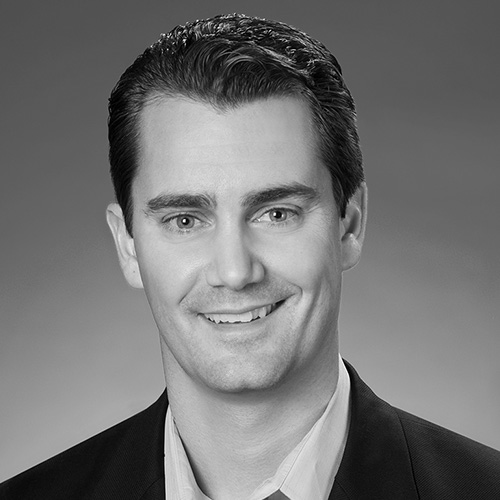
Jon Schulz Has Spent a Career Making Advertising Answer for Itself
From Windows 3.0 migrations to Ford's digital showroom and Viant's AI-era advertising platform, his work keeps returning to one stubborn question: did the marketing actually work?

Meredith Brace Is Making Advertising’s Back Office Impossible to Ignore
After two decades moving between the buy side, television, adtech and company reinvention, Meredith Brace has taken on a stubborn brief at MINT: make the machinery of advertising legible - and make people care about it.
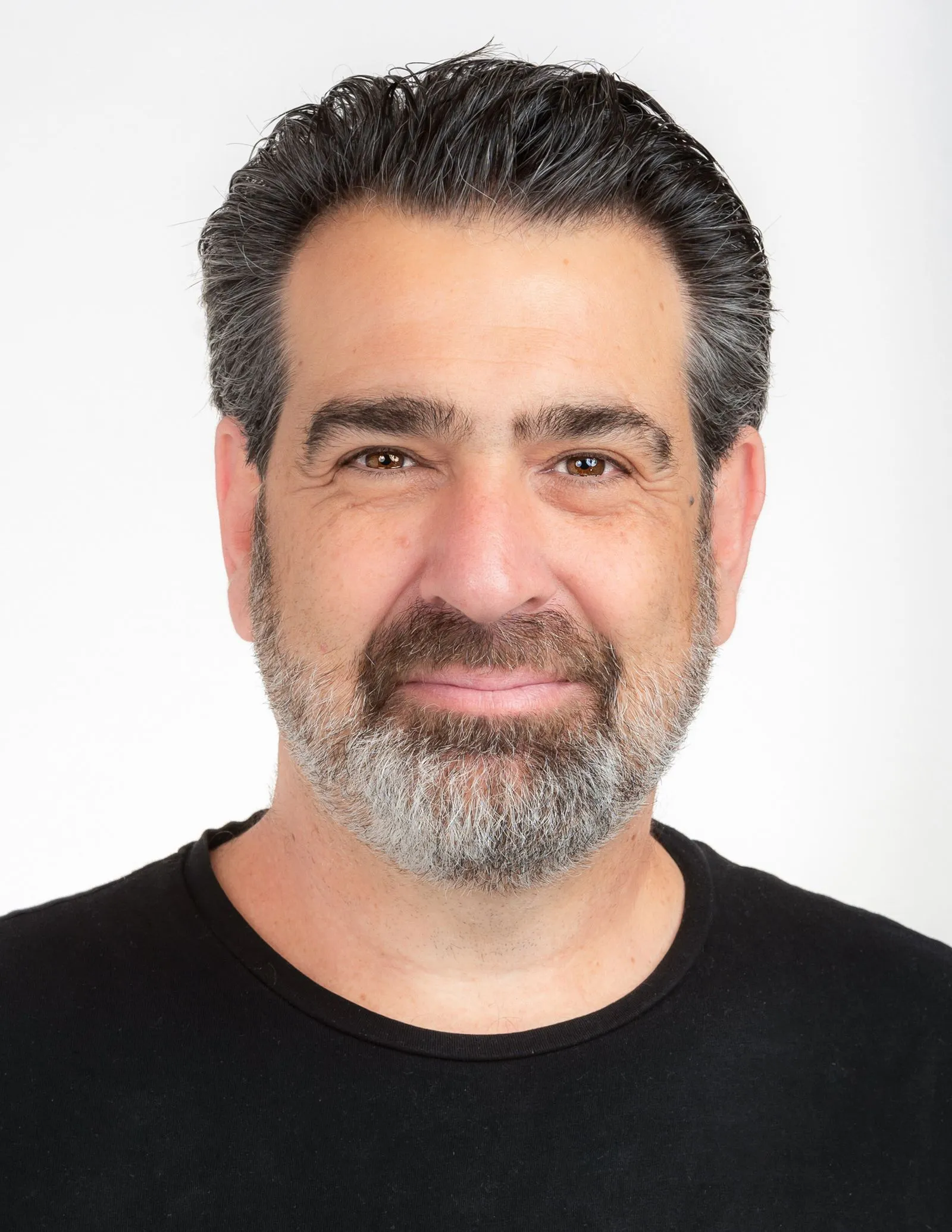
Zvika Netter Spent 18 Years Making TV Ads Less Dumb
He started with clickable objects inside video. The more durable invention was an independent control layer for a television business learning to speak software.
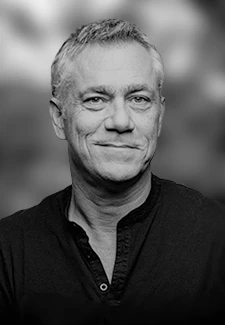
Blair Harrison Has Been Rebuilding Television Since Before It Had a Skip Button
The Frequency founder has spent three decades making video easier to find, program and distribute. His latest bet is that television's next control room will be software that can learn.
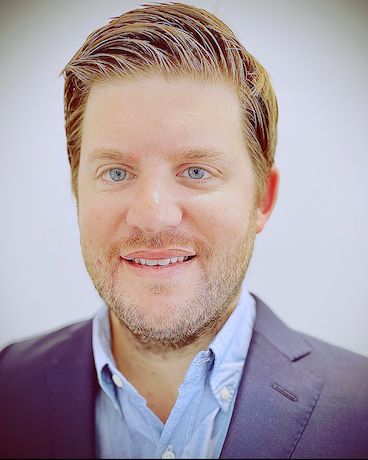
Chris Schneider
From streaming's cord-cutters to healthcare's data-rich digital stack, Chris Schneider keeps returning to one practical question: are marketers reaching the people they think they are?
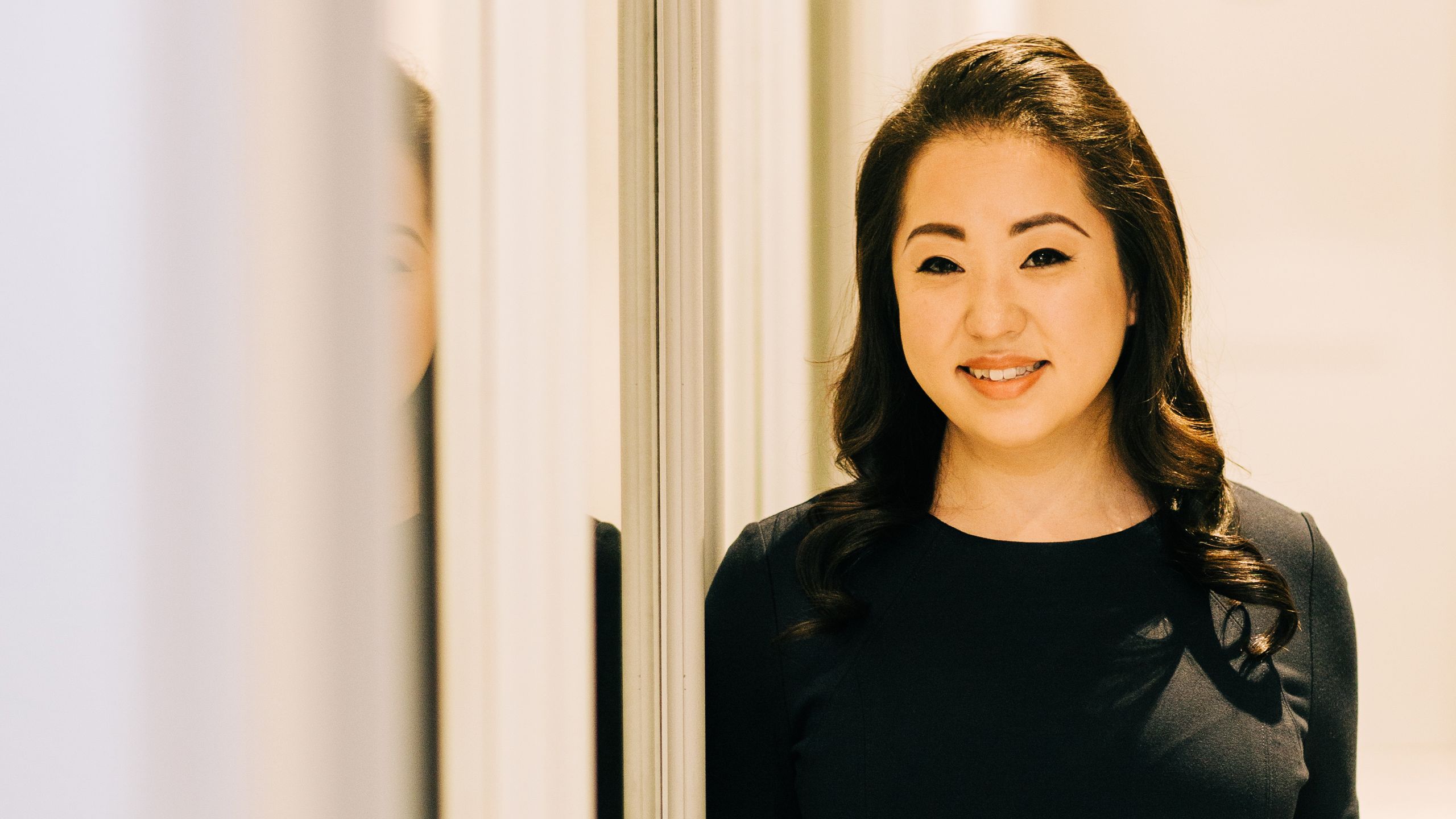
Cathy Oh
From a college internship at Bravo to Samsung Ads' founding team, Cathy Oh has spent two decades turning shifts in how people watch into practical lessons for how brands should listen.
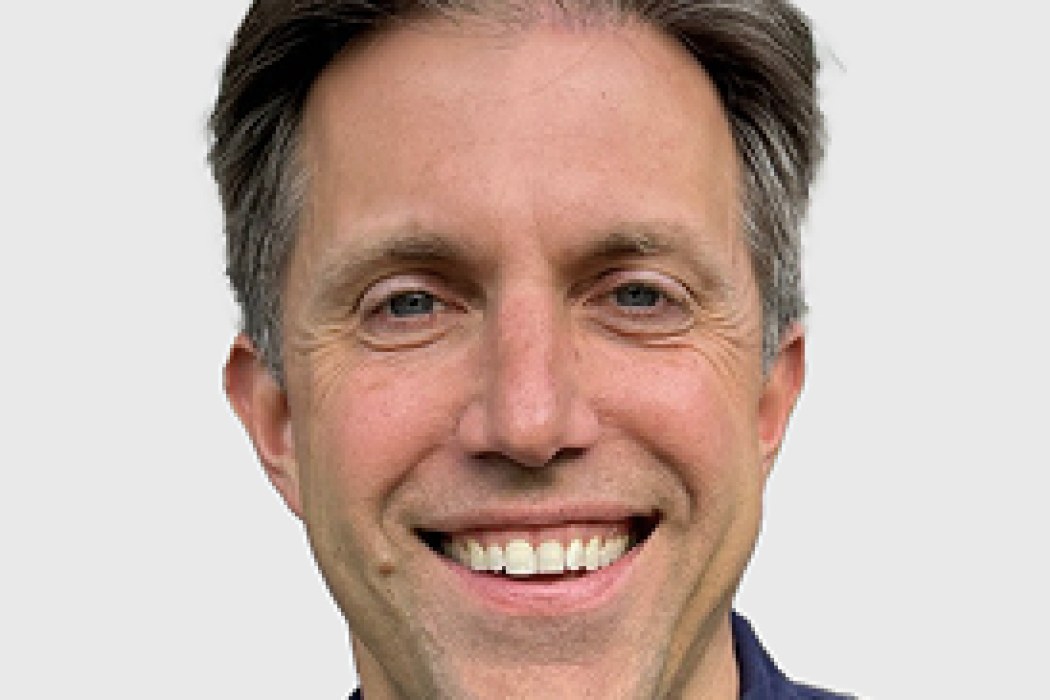
Brian Stempeck
Brian Stempeck is the CEO and co-founder of Evertune AI, a New York startup that helps brands measure and improve how they show up inside AI models like ChatGPT, Gemini, Claude and Perplexity. He spent 11 years on the executive team of The Trade Desk as employee number eight, serving as Chief Client Officer and later Chief Strategy Officer and a board member, and helped grow the company from a tiny team to a public company worth tens of billions. Before adtech he was a management consultant at Bain & Company and, earlier still, a political journalist. He founded Evertune in 2024 with former Trade Desk colleagues to build the category he calls Generative Engine Optimization.
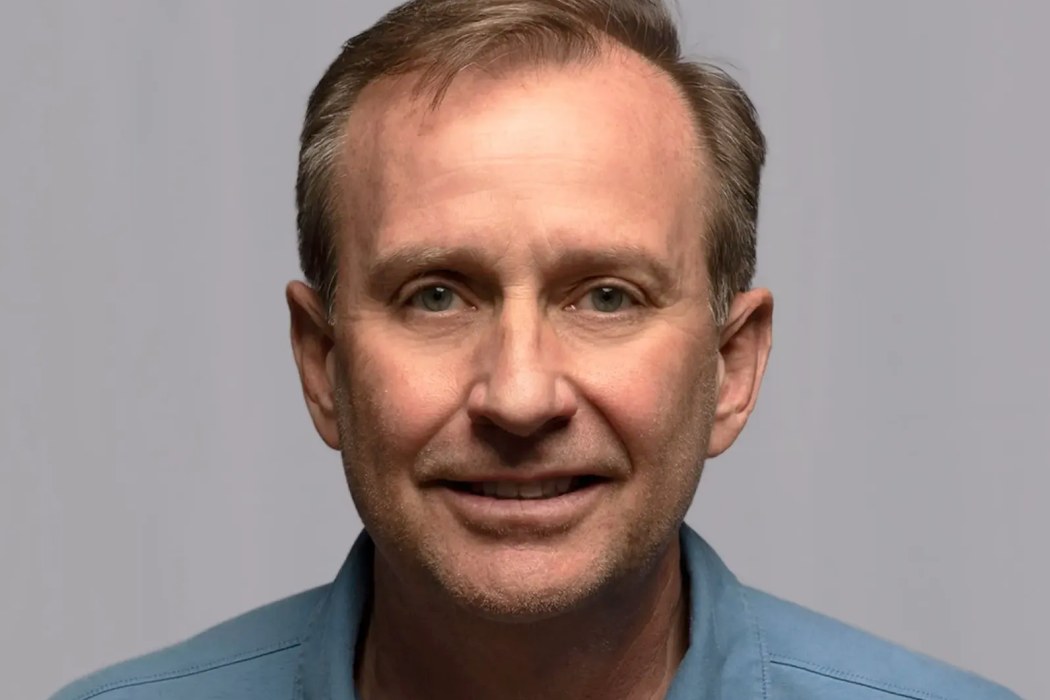
Dave Morgan
Dave Morgan is the founder and CEO of Simulmedia, a New York adtech company that pioneered data-driven linear TV advertising and now runs the cross-channel TV+ platform, the Skybeam self-serve CTV buying tool, and the PlayerWON in-game video ad network. A lawyer turned three-time adtech founder, he earlier built Real Media (a predecessor of 24/7 Real Media, sold to WPP for $649 million) and TACODA (a behavioral targeting pioneer acquired by AOL for $275 million in 2007). Morgan returned to Simulmedia's CEO seat in October 2024 to chase the connected-TV opportunity, and he is a long-running MediaPost columnist known for his '96/4' rule about the gap between CTV viewership and CTV ad dollars.
Jules Minvielle
Jules Minvielle is the co-founder and CEO of Olyzon, a Paris-born, New York-headquartered adtech company building an AI-driven decisioning and orchestration layer for connected TV (CTV) advertising. A serial entrepreneur with more than a decade in mobile and adtech, he previously co-founded Ogury and Mozoo. In May 2026 Olyzon raised a $10M Series A led by Sir Martin Sorrell's S4S Ventures to expand across the US and EMEA.
Arthur Querou
Arthur Querou is the co-founder and CEO of Vibe.co, a self-serve connected TV advertising platform that lets small and medium businesses run streaming ads with budgets starting at $50 a day. A Y Combinator alum mentored by Sam Altman and a serial entrepreneur with four prior exits, he raised a $50M Series B in September 2025 at a reported $410M valuation and pushed Vibe past a $100M revenue run rate in under two years.
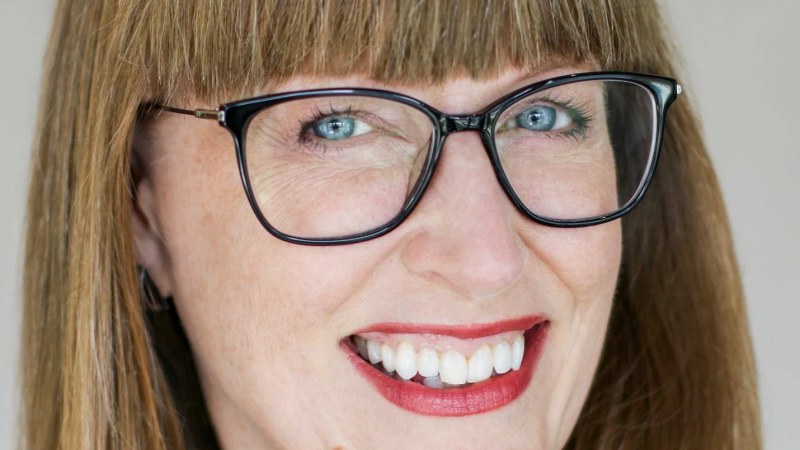
Amanda Richman
Amanda Richman is VP of Global Media Sales at Microsoft Advertising, leading a 700+ person omnichannel sales team from New York. A 30-year veteran of media and advertising, she has run agencies including Wavemaker US and Mindshare North America, winning Adweek's U.S. Media Agency of the Year at Wavemaker in 2020. She joined Microsoft in March 2024 to help brands navigate the convergence of generative AI, search, and connected TV advertising.