The advertising business has changed its machinery several times during Jim Helberg's career. The screens multiplied. The audience splintered. The ledger learned to speak in impressions, identities and attribution windows. Television, once the magnificent blunt object of American persuasion, acquired the manners of software. Through all that reinvention, Helberg kept returning to one stubborn question: what is the media actually meant to do?
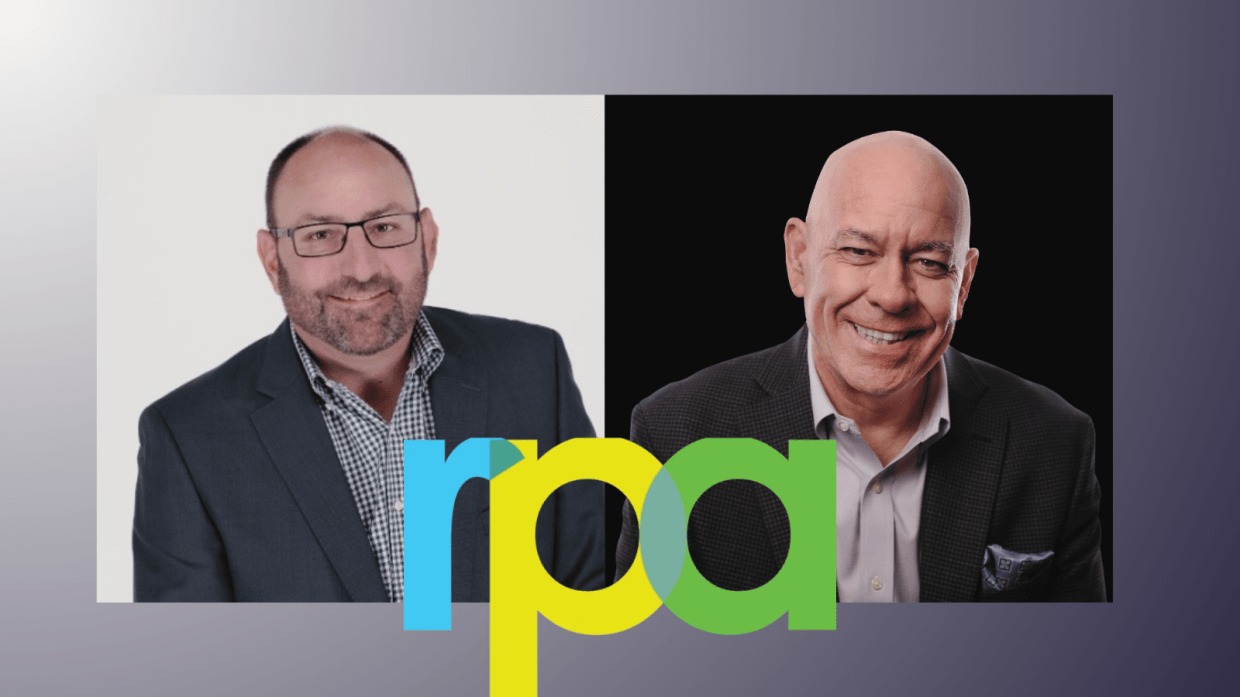
In October 2025, the question became larger. RPA elevated Helberg from executive vice president and chief media officer to chief executive officer, succeeding Pete Imwalle. A media planner was now responsible for the whole house: strategy, creative work, technology, client relationships, talent and the special burden of keeping a large independent agency independent.
The appointment looked like a step up. It was also a return completed. Helberg had worked at RPA in the late 1980s on Honda, the automotive account braided through the agency's history. He left, accumulated a career's worth of other vantage points, and came back in 2012. Thirteen years after that second arrival, he was handed the keys.
The useful detour
Helberg's route between those two RPA chapters was hardly decorative. He held senior media jobs at FCB, Grey and Saatchi & Saatchi. At OMD and PHD, he oversaw media work for Nissan and Chrysler in Los Angeles and Detroit. He crossed from agencies into publishing as group vice president of corporate sales and marketing at Time Inc., working across Time Warner divisions. Later, at automotive shopping company Autobytel, he served as executive vice president of product, marketing and analytics.
Each stop supplied a different view of the same market. An agency sees the plan. A publisher sees the inventory. A digital platform sees the behavior. Automotive marketing adds its own charming complication: a national brand, regional associations, local dealers and a purchase people tend to consider more carefully than a packet of biscuits. Helberg became practiced in connecting those systems without pretending they were simple.
A career measured in returns, not straight lines
An early chapter on Honda.
Media leadership, automotive accounts and a publisher's view of the market.
Product, marketing and analytics meet the car-shopping journey.
A new role integrating strategy, media and measurement.
The return trip reaches the chief executive's office.
When RPA recruited him back in 2012, it created a position with a title as long as the problem: senior vice president of media strategy, integration and analytics. His brief was to join traditional and interactive planning while matching media choices to the emotional intent of the creative work. The phrasing belongs to an era when “digital” could still sit across the corridor from “traditional.” The impulse was sound. Media and message ought to know one another.
By 2017 he was chief media officer. His remit grew across strategy, social, programmatic buying, search and operations. The promotion to CEO eight years later suggests that media was no longer a specialist lane. In modern advertising, the route by which an idea finds a person - and the evidence that it worked - runs through nearly every decision an agency makes.
The professor in the media plan
There is another return in Helberg's week. He graduated from the University of Oklahoma in 1983 with a journalism degree. Years later, while living and working on the West Coast, he described going back to Gaylord College to teach as a “pie-in-the-sky goal.” In 2014, the pie landed. He began teaching media strategy and now also serves on the college's Board of Visitors.
The classroom matters because Helberg does not speak about generational change as a weather system to endure. In a 2025 conversation about mentorship with RPA colleague Kelly Kim, he made the unfashionably generous observation that ambition remains ambition. The institution has obligations, too. Companies once ran formal training programs; many no longer do. If agencies want people to invest in the business and in their careers, he argued, agencies must invest in them.
“We have to feed a desire by these people to invest in this business and their career that has never changed.”Jim Helberg, on developing the next generation of media talent
It is a useful correction to the industry's fondness for declaring every young cohort incomprehensible. Helberg has taught long enough to meet the change one class at a time. The students encounter a professor who has watched media vocabulary expire in public. He encounters people for whom the distinction between a television, a phone and a social feed is less a taxonomy than a nuisance.
The exchange is practical. A student-produced profile, Driving Advertising: Jim Helberg, won a Silver Telly Award in 2021. More importantly, teaching keeps the executive close to the beginners who will inherit his tools. An industry cannot automate its way out of apprenticeship. Someone still has to explain why a number matters, what a client promised and when a dazzlingly efficient placement is simply the wrong idea.
Precision without abdication
Helberg's public arguments about technology tend to be hopeful without becoming devotional. In 2021, discussing connected and addressable television, he celebrated the ability to understand behavior, locate an audience in the right need-state and connect exposure to conversion. He also put the burden on broadcasters and cable companies to invest. The old reach of television could become precise, he said, but technology would have to drive the change.
“What once was the power of large blunt objects in terms of audiences could now translate into the power of precision.”Jim Helberg, on addressable television
That thought acquired a rather literal sequel in 2026. RPA joined NBCUniversal, FreeWheel and Newton Research in a test that used AI agents on the buying and selling sides of live sports inventory. The agents gathered availability, pricing and impression forecasts, helping package a proposed buy around an NFL playoff game. Helberg described the potential as a way to streamline strategic media intelligence and transactions in service of business outcomes.
Give the machine
- Inventory gathering
- Pricing inputs
- Impression forecasts
- Repetitive workflows
Keep for people
- Strategy
- Marketplace nuance
- Client judgment
- Accountability
The appealing part is not robots buying football. It is the proposed division of labor. Reengineer the manual work, Helberg has said, and human attention can move toward strategy and marketplace nuance. The machine handles the clerical drag; the practitioner remains responsible for the choice. In a business forever tempted to confuse a faster answer with a better one, that distinction is worth posting above the conference-room screen.
It also joins the two halves of his professional life. The media executive wants technology capable of precision. The teacher wants practitioners capable of judgment. Neither is sufficient alone. Perfect automation in the hands of an untrained operator merely allows a mistake to arrive before lunch.
Independence on Monday morning
RPA describes itself as an independent agency with roughly 500 specialists across multiple disciplines and a full-service model. Independence is an attractive noun. In practice, it is a verb performed under pressure. There is no holding company to blame, no distant owner to absorb a muddled quarter, and no automatic reason a client must keep taking the meeting.
Helberg and chief operating officer Brett Bender were charged with sharpening RPA's strategic offering as the agency landscape shifts. The portfolio includes the sort of accounts Helberg knows well: automotive, insurance, property marketplaces, furniture, fuel and food. These are businesses where advertising must survive contact with dealers, agents, franchisees, expensive media and customers who have other things to do.
His preparation for that assignment is almost comically on the nose. He has bought media and sold it. He has worked on car brands and for a car-shopping platform. He has watched television become data and data become a creative constraint. He has taught the beginners and managed the experts. He left RPA and returned to find a new agency wearing the old initials.
Now the return becomes a test. Can an independent agency move quickly without mistaking motion for direction? Can it adopt agents without surrendering agency? Can a business built on human insight protect the time required to have one? These are practical questions with expensive answers. Helberg's career offers no slogan large enough to settle them. It offers something more credible: long exposure to the consequences.
Forty-plus years into media, he is back at the same company and nowhere near the same business. That may be precisely the point. A career's great advantage is not that one has seen everything before. It is knowing just how rarely the future repeats itself - and still remembering where the controls are.