media-strategy
(28)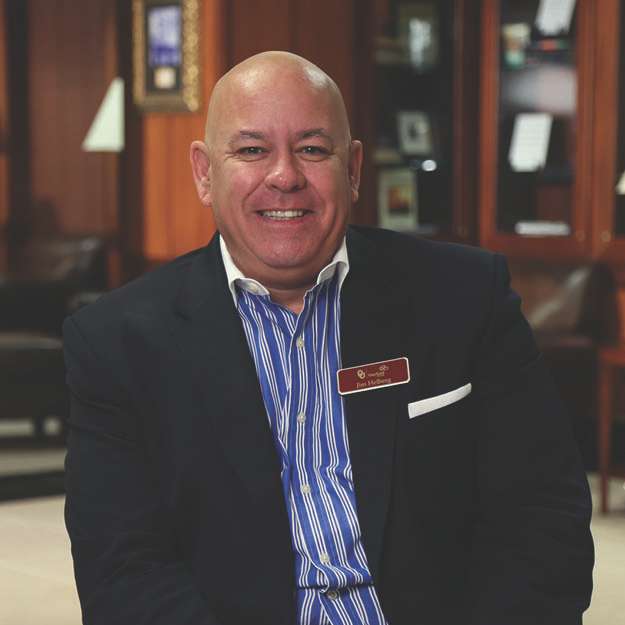
Jim Helberg Came Back to RPA. Now He Has to Carry It Forward.
Four decades in media brought Jim Helberg back to the agency where he once worked on Honda. As RPA's CEO, he is betting that old-fashioned judgment and new machinery can still share the same desk.

Orchestra Bet That the Agency of the Future Would Look Like a Crowd
The communications business spent years splitting expertise into ever-smaller shops. Orchestra’s answer was to buy the specialists, keep their names, and teach them to play from the same score.

HELLER and the Sentence Before the Story
Most PR firms sell attention. HELLER sells the judgment to know when to answer, what to correct and which sentence must land before the story hardens around you.

The Talent Agency That Learned to Represent Attention
UTA began as a Hollywood merger. Three decades later, it sells something broader: a map of where culture is moving - and a seat beside the people moving it.
Moxie Strategies Bet the Agency on the People Usually Left in the Waiting Room
A two-year-old public affairs firm grew by refusing the oldest agency trick: selling senior judgment, then handing the work downstairs. Its more interesting product may be the structure itself.
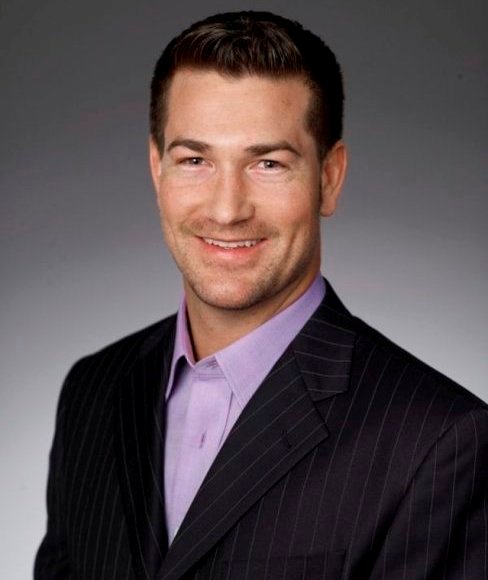
Jacques Hart Built a Career on the Work Nobody Could Ignore
From a cowbell-and-ice-cream stand in remote Alaska to a nationally ranked South Florida agency, Jacques Hart has kept the same operating principle: make yourself useful, measure what matters, and let the title catch up later.
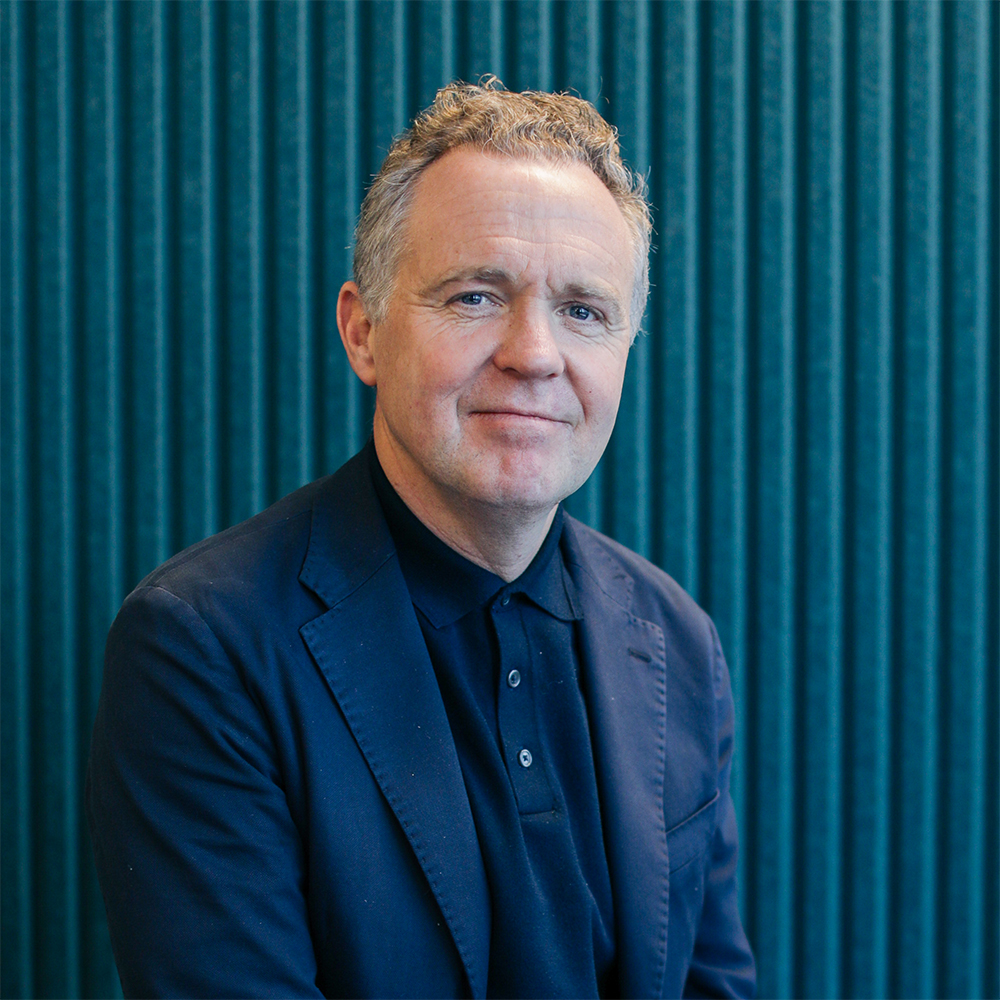
Stephen Farquhar Has Spent 30 Years Making Media Make Sense
From a Toyota planning brief to agency leadership across London, China and New York, Farquhar built a career by translating complexity into decisions - and keeping the audience human.

The People Between the Rooms
Nation Consulting built a business in the awkward space where a press statement, a government decision and a roomful of stakeholders all become the same problem.

The Ad Agency That Put Naloxone on the Guest List
Amélie Company sells behavior change, not breakfast cereal. Its best campaigns begin where ordinary advertising gets uncomfortable - addiction, overdose, mental health - and end with something people can actually use.

The Company That Sells a Second First Impression
Ealixir began with a peculiar promise: change what appears when somebody searches your name. Eight years later, its price list reveals an entire economy built around the second first impression.

CRAFT Learned to Campaign Without a Candidate
The Washington agency left candidate races behind but kept their most useful habits: find the persuadable audience, make the complicated memorable, and give every message a job to do.

The $78 Bet That Learned to Speak Pentagon
A Mississippi agency started with a tax refund, challenged a state's caricature, and found a durable niche explaining complicated things to skeptical people.

Crosswind Learned to Land in Bad Weather
A small Austin communications firm helped chase down a $286 million federal win, built a concert in 34 days, and turned the mechanics of a difficult landing into a business philosophy.

When the Story Turns Hostile, Sitrick Starts With the Facts
The Los Angeles crisis firm has spent decades teaching executives a severe little lesson: the information vacuum never stays empty. Its edge is a newsroom-trained team that treats facts, timing and legal strategy as one problem.

The PR Firm That Would Rather Build the Story Than Pitch It
Upland Workshop began with a political strategist’s hunch: a good message should do more than earn attention. It should create leverage, open doors, and sometimes become a business of its own.

Fabric Media Built an Agency for the Moment the Map Stops Working
Fabric Media does not merely promote companies caught between television, advertising, data and technology. It builds the language, evidence and rooms that let those companies make sense to everyone else.

The Publicist Who Brings a Camera Crew to the Press List
The Confluence built a small global agency around an unfashionably practical idea: strategy, pictures, publicity and measurement work better when the same room owns all four.

The Campaign Shop That Works Between the Headline and the Vote
In Sacramento, persuasion is less a speech than a supply chain. I Street Public Affairs built its business by connecting the message, the coalition, the media buy and the paperwork that turns an argument into a result.

align PR knows what comes after going viral
A bag of bagels, a family meeting and a very Hollywood idea: internet fame needs somewhere to go. Inside the publicity firm connecting creators, performers and the people who can open their next door.

Orienteer knows a good story can take years
The music PR company behind campaigns for Tyler, the Creator and Turnstile makes a case for patience in a business addicted to the next release.

Too much work, too few hands. Enter hifens.
Built by agency veterans who knew the cost of overwork, hifens connects overloaded marketing teams with a distributed collective of specialists. Its business starts where the staffing plan runs out.
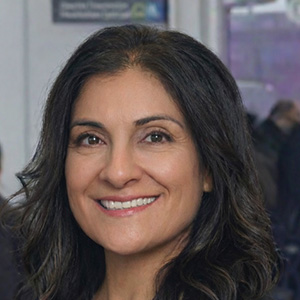
Mary Ventresca Makes the Billboard Think
After nearly three decades in out-of-home advertising, Mary Ventresca is helping physical media learn the language of data without losing the simple creative idea that makes someone look up.
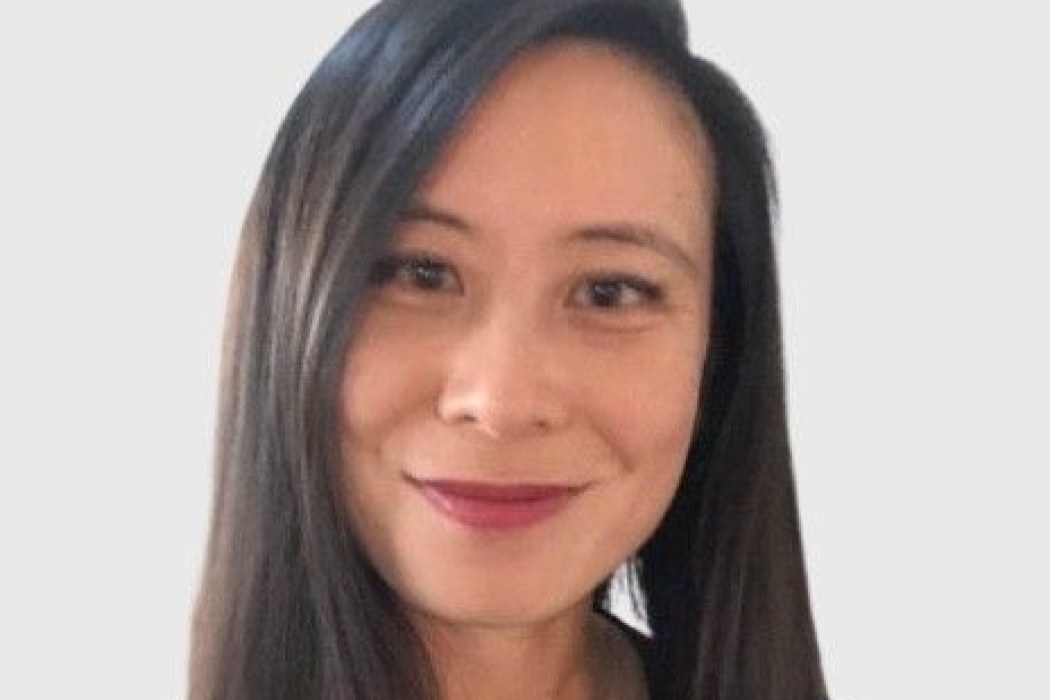
Iris Yen
Iris Yen is the Chief Marketing Officer of Cupshe, the California-founded swimwear and beachwear brand that grew from a single-category bet into a global direct-to-consumer business with roughly $420 million in annual revenue. She joined in February 2025 after a run through some of the loudest brand-building rooms in the business: Head of Media, Content and Partnerships at Nike; VP and Head of Media, Strategy and Audiences at Red Bull; VP and Head of Communications at GUESS?, Inc.; VP of Communications at American Eagle Outfitters; and VP of Global Marketing and PR at Quiksilver. She started in music, running marketing and PR at Universal Records in the early 2000s, and has built campaigns around names including Britney Spears, Nelly, Kelly Slater, Tony Hawk and Torah Bright. A Washington University in St. Louis graduate who studied anthropology alongside marketing, Yen tends to treat brands as cultures rather than catalogs - a habit visible in Cupshe's 10th-anniversary work, its fourth Miami Swim Week runway show, and its 2026 Casa del Sol collaboration with Jessie James Decker.
Jacob Cohen Donnelly
Jacob Cohen Donnelly is the founder of A Media Operator, a subscription publication, podcast, and conference for the people who run digital media companies. He started it in August 2019 as a weekend Substack while holding down full-time roles at CoinDesk and then Morning Brew, where he became Publisher. In 2024 he went all-in, rebuilt AMO into a five-person media business doing roughly $1 million in revenue, and turned the annual AMO Summit into the room media executives consider essential to be inside.

Patrick Brown
Patrick Brown is SVP of Global Marketing at Adobe, leading growth, analytics, media, and marketing engineering across the company's global B2B and B2C operations. He oversees Adobe's Digital Economy Index — a research engine that tracks a trillion e-commerce transactions across 100 million SKUs — and has emerged as one of the most data-forward voices in enterprise marketing. Based in San Jose, California, Brown combines an MBA from Carnegie Mellon's Tepper School of Business with deep experience in technology, finance, and consumer goods sectors.
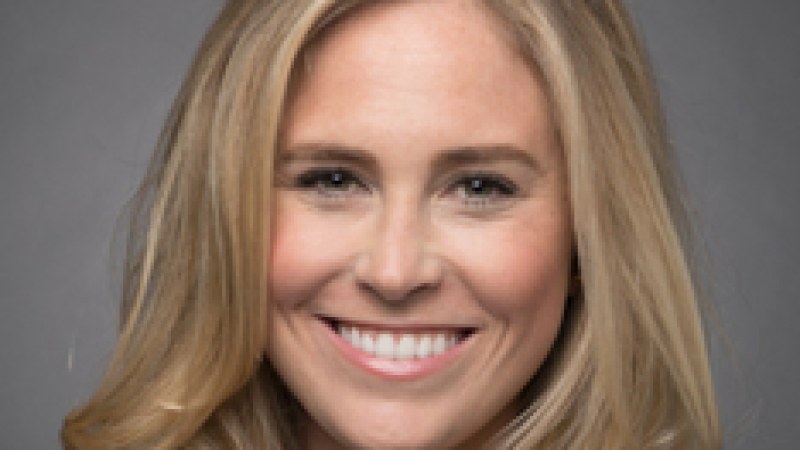
Sydney Williams
Sydney Williams is Vice President of Global Brand Marketing at ServiceNow, where she oversees the company's global marketing and communications across creative, content, media, and events. An award-winning marketing leader with over two decades of experience, she has shaped the brand voices of iconic organizations including General Electric, The Walt Disney Company, and JPMorgan Chase, and now steers ServiceNow's push to put AI to work for people.
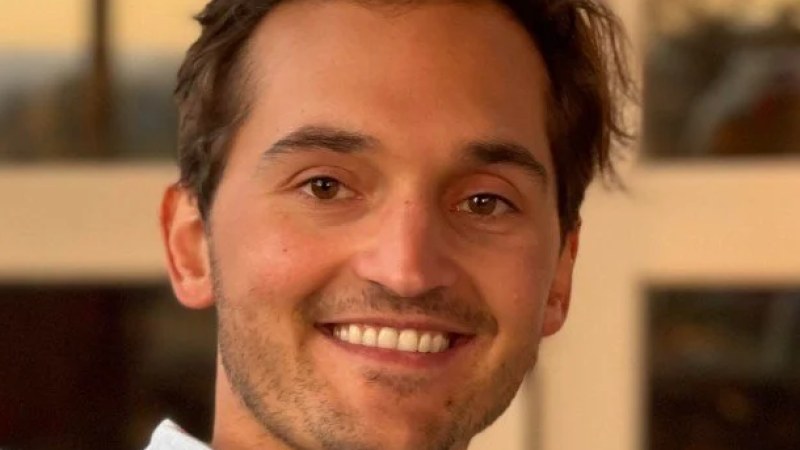
Tom Phillips
Tom Phillips spent 18 years at Microsoft rising to VP of Communications, where he led PR strategy for the company's advertising business, managed media around major acquisitions, guided CEO communications, and drove narratives through cultural transformations. With over four decades of total PR experience, he left Microsoft in late 2024 to launch Upstream Communications, a Seattle-based strategic communications firm focused on helping clients tell their stories with precision and purpose.
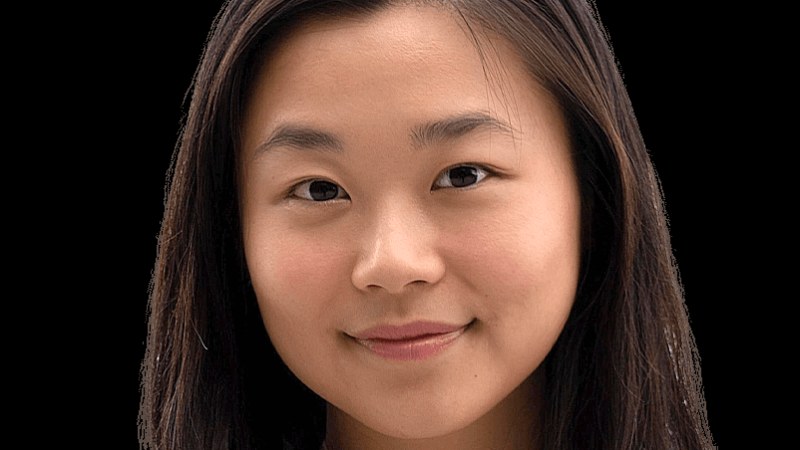
Zoe Wang
Zoe Wang is the Operations Partner on the New Media team at Andreessen Horowitz (a16z), the storied Silicon Valley venture firm that manages over $39 billion in assets. She came to a16z through the firm's acquihire of Turpentine, the fast-growing podcast network that became the backbone of a16z's media ambitions. Before Turpentine, Wang built a career spanning venture capital operations, capital markets, and investor relations at firms including 10X Capital and SAX Capital. Based in New York, she sits at the intersection of media, operations, and venture — the rare ops executive who understands both the spreadsheet and the microphone.