The first plan was to hold the concert on the banks of Lake Travis. This had poetry going for it and almost nothing else. Central Texas had just endured catastrophic flooding. The weather that created the need for a benefit also made an outdoor venue beside a lake a fairly perverse choice. So the planners abandoned the pretty idea and took the practical one: an indoor hall in the center of Austin.
That decision contains most of what you need to know about Crosswind Media & Public Relations. The firm deals in narrative, but its best stories are about logistics. It polishes messages, certainly. It also counts chairs, maps stakeholders, rehearses spokespeople, studies polling, calls reporters, watches regulators and asks the question that vanity tends to suppress: will this work under the conditions we actually have?
Crosswind is an independent Austin consultancy founded in 2008 by Thomas Graham. Its territory is the busy intersection where reputation, policy and commerce keep blocking one another's view. Companies and institutions hire it for media relations, public affairs, crisis preparation, opinion research, executive coaching, digital work, investor communications and events. The list sounds broad until you notice the common ingredient. Every service concerns what one group needs another group to believe, understand or do.
The grant before the press release
The firm's most consequential public claim is not a viral stunt. In 2012, Crosswind led public relations for the Texas A&M-led team pursuing a federal biodefense and medical-research contract. The team won $286 million. Crosswind describes it as the largest federal healthcare grant in Texas history. Whatever label one prefers, the important distinction is timing: communications was part of competing for the work, not an ornamental announcement after the decision.
That is where Crosswind sits in the market. It is not primarily an advertising studio inventing desire for a new snack. It is closer to a corporate-affairs workshop: part newsroom, part campaign room, part flight simulator. Healthcare, energy, finance, infrastructure, education and government recur because these fields have complicated products, formal stakeholders and little tolerance for a careless sentence.
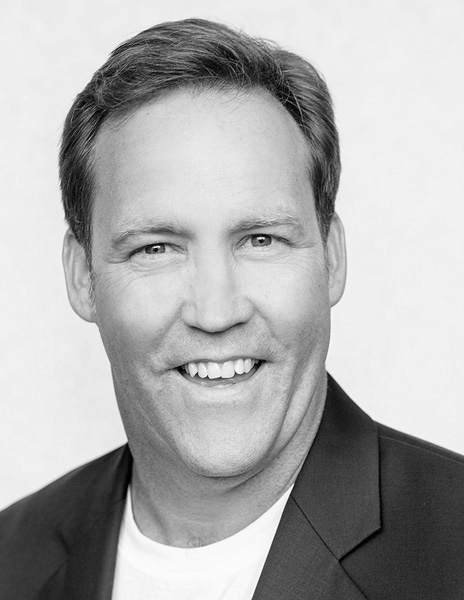
The bench reflects the work. The team page includes former journalists, public servants, producers, brand managers, scientific communicators and political hands. Graham is presented as a crisis-tested spokesperson and brand strategist. One director came from biotechnology and nationally televised college sports. Another staff member moved from microbiology and municipal water treatment into video, photography and animation. This is a useful kind of oddness: a water operator may know more about explaining a public-health system than a copywriter who has only met one in a brief.
Why call it Crosswind?
Graham has explained the name through aviation. A crosswind landing demands control, composure and repeated correction. The flight is not finished when the wheels touch. The pilot must manage the rollout - the deceleration from landing speed toward the gate. Crisis work has the same neglected final act. The statement is published, the worst headline passes, and everyone wants to go home precisely when customers, employees and regulators are deciding what the episode meant.
The crosswind method
Crosswind packages this work as CPR+, a pre-crisis and response practice. Its published crisis guide is bracingly unglamorous. Name the team leader. Clarify decision rights. Identify facilities and equipment. Prepare a dark website. Decide how information moves. Drill the plan. The first failure in a crisis is often not the tweet that provokes outrage; it is the unanswered question of who may approve the tweet.
The goal they missed
Flood Aid TX began after the 2015 floods with a phone call from Graham to Austin producer and musician Clayton Corn. They hoped to attract more than 10,000 people and raise $500,000. Artists were being asked to join benefits all over town. The lakefront venue was implausible. Time was vanishing. The group recruited musician Ray Benson, accepted the city's offer of the Palmer Events Center and brought in experienced people from Austin's event community, including SXSW staff.
For 34 straight days, the organizers met by phone at 4 p.m. The eventual concert put 36 performers on four stages. About 6,500 people attended and more than $250,000 was raised with the Austin Disaster Relief Network and United Way. Measured against the announced target, it fell short. Measured against the calendar, it was a remarkable civic improvisation.
What failed first was the venue logic. What changed their minds was the obvious collision between weather, infrastructure and ambition. What changed the business was the result. Corn and Graham used the project as the foundation for Crosswind Events + Experiences. A campaign created under emergency conditions became a standing service for events, promotion and brand-building.
What judgment costs
Private agencies usually make pricing disappear behind the word custom. A public Texas A&M System agreement offers a clearer view. Crosswind described monthly management fees based on estimated hours, reviewed every six months. It also allowed project or time-based billing, with estimates approved before work began.
These are contract figures, not a universal rate card. Still, they reveal the model: recurring counsel pays for continuity; project fees pay for discrete production; specialist time pays for judgment. There is no public funding story or venture valuation because this is a services business, not software wearing an agency costume.
Texas as product and laboratory
Crosswind's defensible difference is geographic without being merely local. The firm knows Texas as a political system, a collection of industries and a story other people tell about themselves. Its national polls ask outsiders whether Texas is a good place to build a business, raise a family, visit or invest. Texas Pulse has measured state opinion on elections and the economy. Branding Texas watches how the world watches the state; the newer Crosswinds newsletter mixes analysis with client news.
Research does two jobs here. It tells a client where opinion sits, and it produces a fact the press may want to repeat. The survey is compass and content. That combination helps explain how a small team can work beyond Austin: local knowledge supplies specificity, while healthcare, finance, energy and reputation travel.
What readers can copy: put communications into the bid, not after it; plan roles before a crisis; replace the romantic venue with the workable one; recruit specialists rather than pretending the core team can do everything; and measure the outcome against both the goal and the clock.
The method has conditions. It depends on senior access, a client willing to rehearse uncomfortable scenarios, and a problem where trust or public permission genuinely affects the outcome. It is a poor fit when leadership wants publicity without disclosure, when the product cannot survive scrutiny, or when a national campaign requires vast paid-media buying power rather than counsel and coalition work. Local fluency also loses value when every important stakeholder lives somewhere else.
Crosswind's own metaphor is useful because it resists the fantasy of a fixed script. A pilot cannot negotiate with the wind. The correction that worked a moment ago may soon be wrong. The company sells preparation, instruments and practiced hands - then stays attentive until the aircraft is slow enough to turn toward the gate.