In December 2024, Andrew Graff, the chief executive of Allen & Gerritsen, supplied the kind of sentence executives usually sand smooth before publication. Three years earlier, his independent advertising agency had acquired a seven-person customer-experience firm called Carter Edwards & Co. The team was good. The client demand was real. The integration appeared sensible. Then A&G retired the Carter Edwards name.
“It was hugely successful, until it was not,” Graff said later. The sentence is funny because the contradiction is only apparent. The work had succeeded inside the building. Outside it, the market could no longer see what had been purchased.
The useful failure
A&G was known for communications and creativity. It was not known as the place to buy customer-data systems, product development or enterprise technology. Folding Carter Edwards into the parent made the agency more integrated, yet made the specialist practice less legible. Prospective clients did not come looking for technology. Technology talent did not see an obvious home. An organizational simplification had created a sales complication.
The correction was CeCo Digital - a separate customer-technology brand under the A&G umbrella, able to work with the agency when a client needed both. CeCo was Carter Edwards 2.0, now with a visible front door. The episode says more about A&G than an awards shelf does. This is a company willing to admit that integration, one of the advertising industry's favorite words, can go too far.
“It was hugely successful, until it was not.”Andrew Graff, on the first Carter Edwards integration
A full-service agency is a sequence, not a buffet
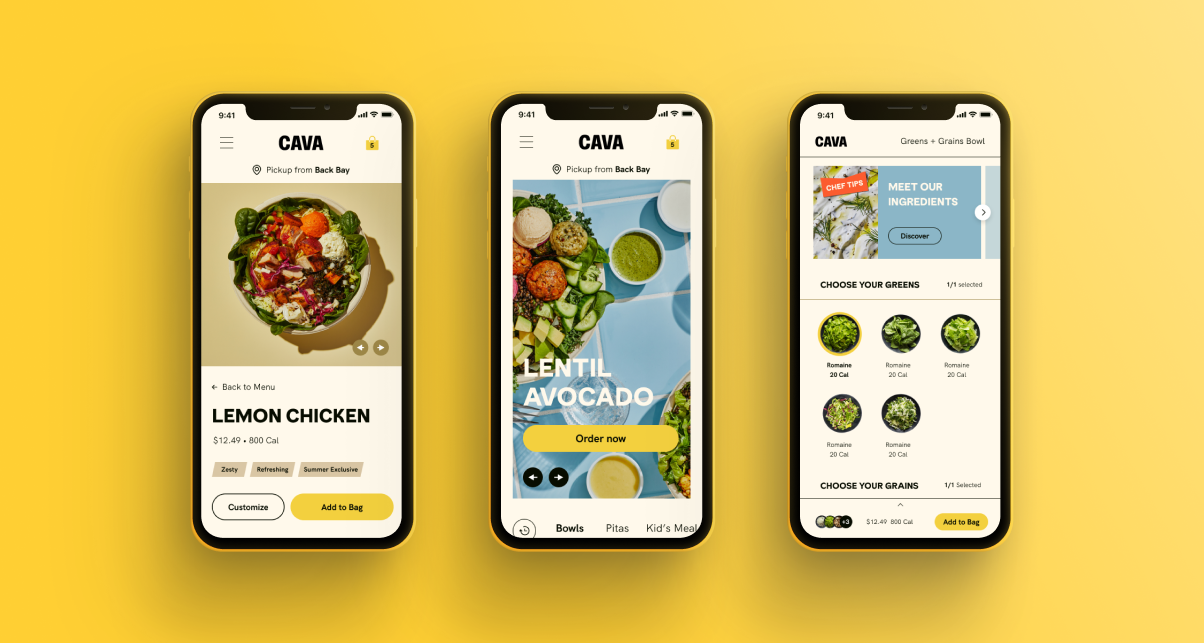
Allen & Gerritsen began in 1985, when college friends and former pre-med students Paul Allen and Peter Gerritsen started the business in a bedroom. Its modern form stretches across Boston and Philadelphia and puts creative, media, public relations, creator relations, analytics, experience design and production near one another. The customers range from Dunkin' and CAVA to Eastern Bank, Blue Cross Blue Shield of Massachusetts, Visit Philadelphia, the New England Aquarium and the Legal Defense Fund.
That list can sound like every integrated-agency capabilities page. The more useful distinction is the order of operations. A&G says it begins with an outcome, studies the audience and the strength of its relationship to a brand, creates something capable of changing behavior, then uses media and measurement to see whether it did. Its newer LifeShare Index tries to formalize the relationship part - how much permission a brand has to matter in someone's life, not merely whether they remember an ad.
Three billboards, 2,400 employees and one absent basketball player
The cleanest example began with a home-remodeling company worried about culture. Power Home Remodeling had expanded quickly. Its chief executive wanted the growing staff to feel connected to the company's Philadelphia roots. Inspired by the film Three Billboards Outside Ebbing, Missouri, he proposed billboards recruiting LeBron James to the 76ers.
A&G treated the idea as more than outdoor advertising. The first boards appeared near Cleveland's arena before a Cavaliers-76ers game. ESPN received an exclusive look. The hashtag #PhillyWantsLeBron traveled. In phase two, the billboards carried the names of all 2,400 Power employees, each of whom could find and share a name through a digital portal. On NBA Draft night, aerial boards flew above Manhattan and Brooklyn.
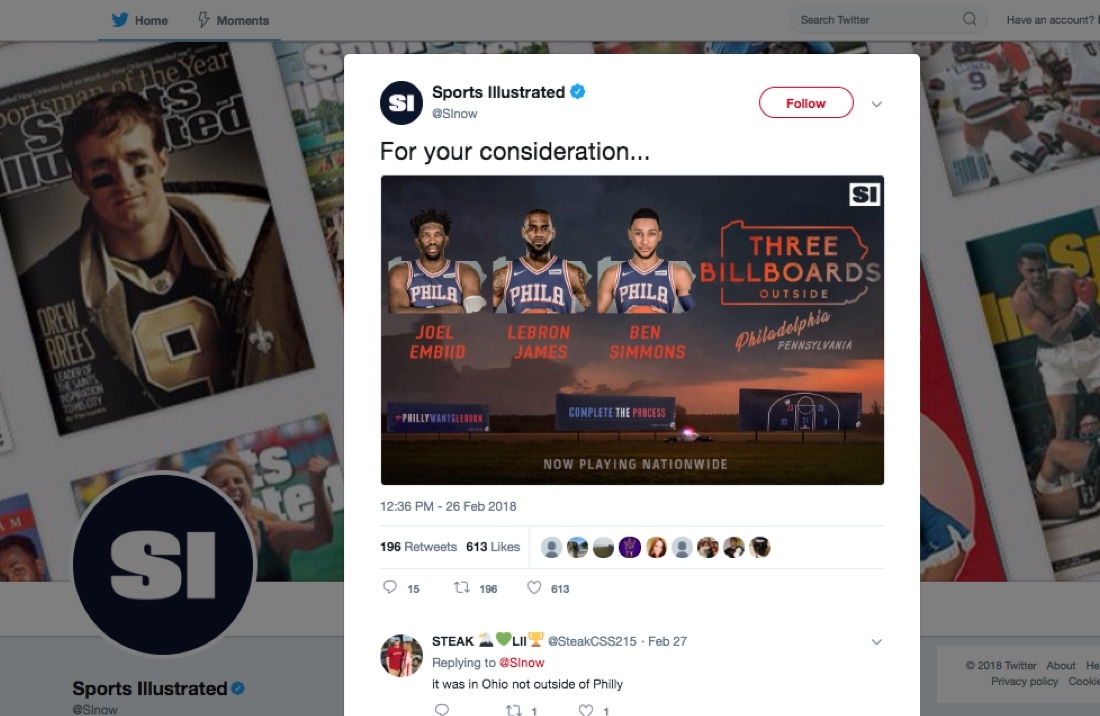
James signed elsewhere. As a recruitment campaign for a basketball player, it failed immediately and publicly. As an employee and brand campaign, it worked. A&G reported 3 billion impressions, large social gains, double-digit increases in appointments and revenue, and a 25 percent year-over-year increase in talent applications. LeBron supplied the review: “That's dope.” The first audience was never really LeBron. It was the workforce watching its company behave like a fan.

The medium can be lunch meat
The agency's own Amperspam project is smaller and stranger. Holiday inboxes fill with spam, so A&G designers carved a typeface from actual luncheon meat, photographed it and sold the font for $12. Proceeds went to the Greater Boston Food Bank and Philabundance. The second edition added type weights with names including Grilled Bold and Nibbled Neue, plus streetwear.
It is a joke with an operating diagram hidden inside. Creative made the artifact. Third Space Studios shot and edited it. PR gave the oddity somewhere to travel. Commerce turned attention into a donation. Since 2023, the broader employee-anniversary giving program has donated more than $33,000 to over 60 organizations. The meat was silly; the distribution logic was disciplined.
An office that had to become a production system
In 2023, A&G moved into new Boston and Philadelphia spaces and retired the word “office.” The company calls them Third Spaces. Assigned desks gave way to bookable seats and gathering areas with names such as Bodega, Speakeasy and Taqueria. The flourish matters less than the premise: if people can work alone at home, the shared place needs a more specific job.
A year later, the Boston location added Third Space Studios, an in-house facility for live action, editing, motion graphics, animation, photography and audio. It serves agency clients, outside organizations, creators and nonprofits. That shortens the distance between idea and artifact while creating a separate line of work through rentals, co-creation and full-service production.
What the work costs - and what the agency sells
A&G is privately held and does not publish a rate card, valuation or audited revenue. It makes money the recognizable agency ways: retained agency-of-record relationships, strategy and creative projects, media planning and buying, PR and creator programs, experience work, and production engagements. Public profiles place the company in the 51-200 employee range, but financial estimates for the private firm are not independently confirmed.
One public number is easy to misread. Visit Philadelphia announced a $9 million campaign for America's 250th anniversary, including a national media buy and $4 million from the city. A&G created the “Anything But Silent” work, but $9 million was the campaign effort - not the agency's fee. The distinction is worth keeping because advertising budgets contain far more than agency revenue.
The copyable part
Begin with the business tension, not the deliverable. Give the audience an object it can carry - an employee's name on a billboard, a customizable civic badge, a font made of meat. Let paid, earned and owned media reinforce the same object. Measure the behavior that mattered before the campaign arrived.
This approach needs cultural permission, a client willing to move quickly and teams willing to share control. It is weaker for a commodity brief, a buyer shopping only for low-cost execution, or an organization unable to connect creative, media and customer data. The CeCo episode adds one more condition: integration fails when the combined offer becomes harder for the market to name.
Independence as permission to correct yourself
A&G's longevity is sometimes presented as a straight line: bedroom in 1985, State Street in 1995, a Philadelphia acquisition in 2013, a wider set of capabilities today. The more accurate shape is a series of edits. Acquire Neiman for scale. Acquihire Carter Edwards for customer experience. Open a production studio. Split technology back into a specialist brand. Keep the ownership independent while changing the machinery underneath it.
That is the useful lesson of Allen & Gerritsen. Creative companies like to be judged by the ideas they launch. Mature ones should also be judged by the ideas they revise. A name is a tiny thing. It fits on a door, a proposal and the corner of a screen. Sometimes it is also the only clue a customer has about what is on the other side.