There is a peculiar moment in every creator deal when the exciting idea becomes a spreadsheet. Someone has to find the right person, read the audience correctly, negotiate the rate, clear the usage rights, supervise the shoot, chase an approval, publish the work, and explain what happened afterward. The post may take fifteen seconds to watch. The machinery behind it takes weeks. Majors Management Group has made that machinery its product.
The Miami-based company describes itself as a creator marketing, brand partnerships, and experiential activations agency. That is accurate, if a little bloodless. A better description is that MMG translates between two groups who speak confidently past one another. Brands arrive with briefs, budgets, and anxieties about relevance. Creators arrive with a voice, an audience, and anxieties about being turned into a billboard. MMG tries to make the encounter useful to both.
The origin
The dancer learned to read the other side of the room
Marcus Majors did not begin as the man holding the brief. He worked as a dancer, actor, and model, then moved into talent management at Stampede Management. He managed artists including Snoop Dogg, Busta Rhymes, Dani & Dannah, and Ric Wilson, while working on collaborations involving Google, Doritos, Sunkist, Foot Locker, and Bacardí. MMG says its story began with managing emerging talent and widened into a full-service agency. The public company record dates that agency to 2022.
That change in vantage point matters. A performer learns that a brand's neat sentence can become awkward in a human mouth. A manager learns the reverse: personality alone does not make a deliverable arrive on time. MMG's answer is a three-beat piece of choreography - strategy, talent matching, execution.
The three-beat campaign
“Culture moves fast. We build the partnerships that move with it.”Marcus Majors, founder and CEO
The first thing to fail in this market is translation. Talented people struggle to state their value, brands choose reach without fit, and one-off posts disappear without building equity for anyone. The agency's expansion from artist management into campaigns, live experiences, founder positioning, athlete branding, and education reads as a response to that repeated leak.
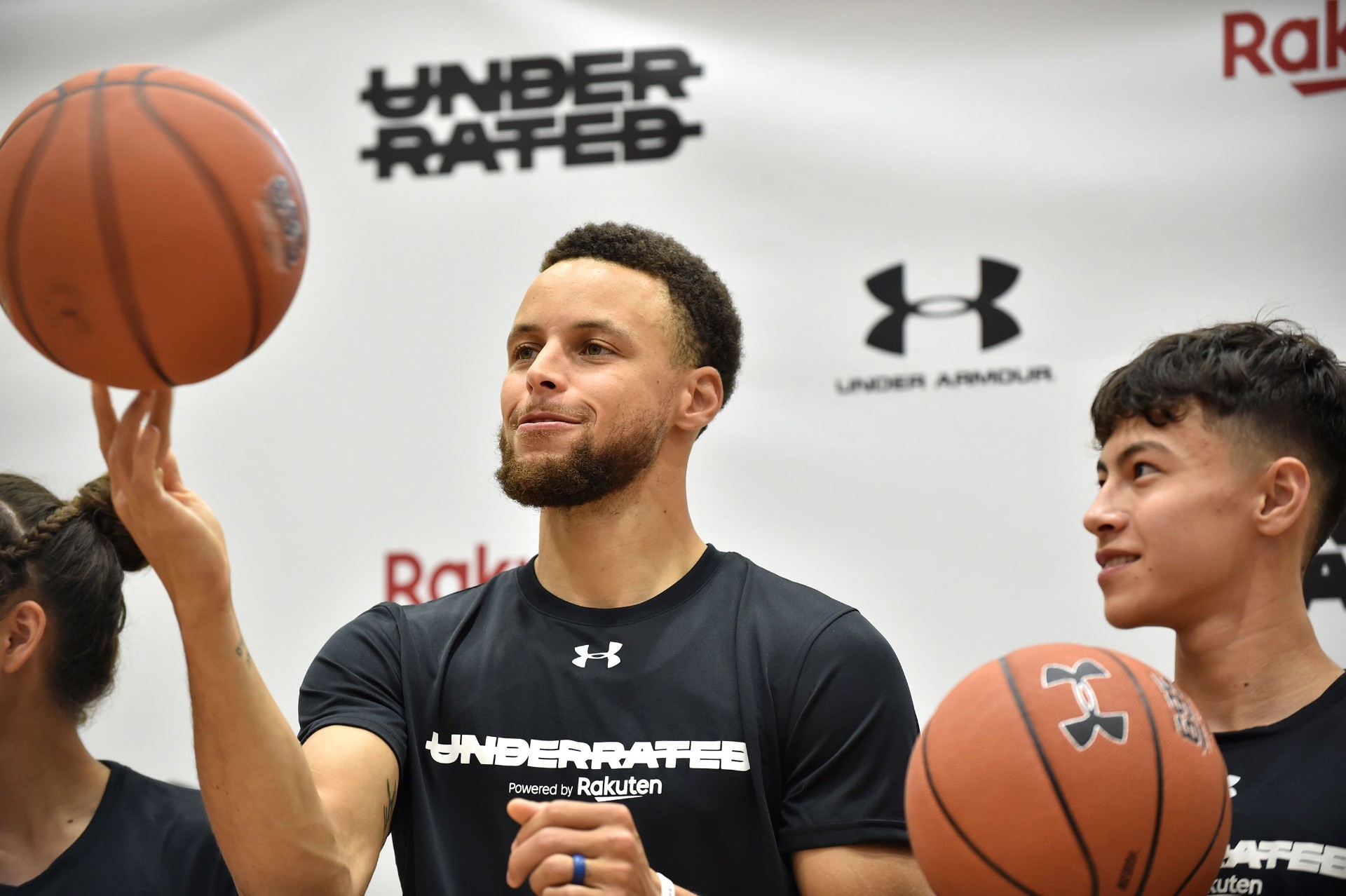
Stephen Curry makes the ball float. The agency work is everything in the room that cannot.
The offer ladder
A company with two front doors
One door says brands and agencies. Through it, MMG sells creator strategy, sourcing, negotiation, UGC production, short-form video, photography, social rollout, sponsorship work, and large-scale activations. A brief can travel from audience insight to a fabricated physical build-out, with talent on the ground and content moving online.
The other door says creators, athletes, and founders. A creator can apply to a non-exclusive network for free. When MMG brings in a deal or is invited to negotiate one, the agency takes 20 percent; work the creator books alone remains entirely theirs. At higher rungs sit a branding intensive and monthly founder services. The company is not merely brokering attention. It is selling increasing amounts of structure.
This is the clearest answer to “what did it cost?” Public prices exist on the talent and founder side. The four-week cohort is $2,500; the six-week VIP version is $5,000. Founder retainers run from $3,500 a month for a done-with-you positioning system to $8,500 a month for strategy, capture, editing, publishing, reporting, and community management. Brand campaigns and activations are custom work.
The economic trick: free entry widens the talent pool; commission aligns the first transaction; education and retainers monetize the people who want a system, not just a deal.
The forthcoming Creator Playbook makes the logic almost comically explicit. It promises a creator CRM, outreach systems, pricing calculators, dashboards, templates, prompts, and checklists. In an industry fond of mood boards, MMG is proposing office supplies. That is not a criticism. A reliable follow-up email has probably rescued more careers than inspiration has.
The proof
The portfolio is a map of borrowed trust
MMG's most developed public example is Chicago rapper Ric Wilson. The agency says it helped Wilson build a long-term Bacardí relationship that reached the VMAs and flavor launches, alongside collaborations with UGG, Vans, M&M's, and Sweetgreen. The important phrase is “long-term.” A creator who fits can become a recurring piece of a brand's world rather than rented media for an afternoon.
Ric Wilson × Bacardí
A long-term deal, tentpole appearances, and launches rather than a single post.
Steph Curry × Rakuten
A global activation with documentary production and content capture.
Wolftyla × F1 Shanghai
Performance, talent, promotion, and capture at a cultural crossover.
Junior Knicks
Activation and programming around youth basketball in Colombia.
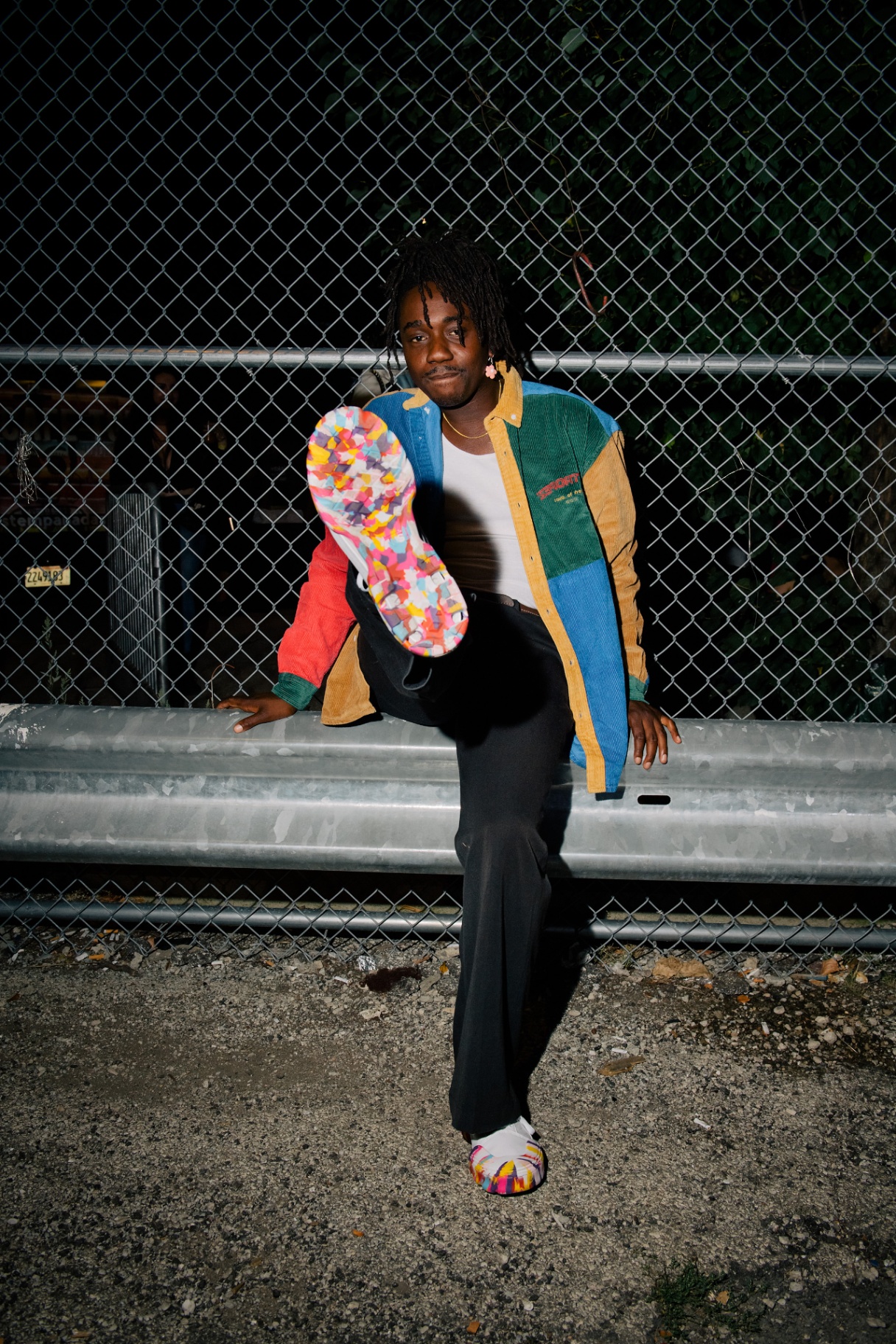
Ric Wilson, one fabulous sole, and the visual argument for matching a brand to the person instead of the other way around.
The broader portfolio jumps categories: Stephen Curry and Rakuten's Underrated Tour; Wolftyla at Formula 1's Shanghai carnival; a Facebook advertisement with Marcus Majors; youth basketball programming with Junior Knicks; older work tied to Nike and NBA All-Star Weekend. MMG reports 425-plus brand partnerships, 200 creators and talent, 150 global experiential activations, and an average campaign reach above one million. These are company-published counts, useful as scale markers rather than audited results.
The reusable bit
Copy the sequence, not the orange logo
The idea worth borrowing is not “be culture-first,” a phrase elastic enough to survive almost any meeting. It is the operating sequence underneath. Define the audience before selecting the face. Choose for voice and community, not raw follower count. Decide what happens after the first post. Put rights, review, distribution, and measurement inside the offer instead of treating them as paperwork.
- Build two clear doors. Tell buyers what you execute and talent what they receive. Do not make either side decode the other.
- Make the invisible work visible. Casting, contracts, approvals, and reporting are features when clients understand the operational drag they remove.
- Use a ladder. A free network, aligned commission, fixed-price training, and high-touch retainer let customers buy the amount of help they need.
- Design for the second deal. A durable ambassador relationship is more valuable than a clever post with no sequel.
The model has limits. It needs enough quality opportunities to make a free network meaningful, enough judgment to resist a high-reach mismatch, and enough operational discipline to deliver bespoke work across live events, content, and talent. It also suits people willing to clarify their positioning and publish consistently. A creator who wants guaranteed deals, a brand that only wants the cheapest impressions, or a founder unwilling to become visible will frustrate the system.
MMG's bet is that a middleman earns the middle by doing more than introducing two email addresses. The useful version reads the room, makes the match, translates the language, handles the dull parts, and leaves both sides with something that can compound. In a business built on fleeting attention, that is a pleasantly unfashionable promise: process.