ai-infrastructure
(212)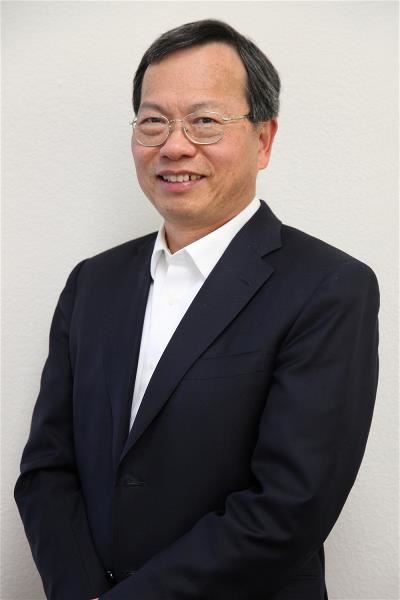
Charles Liang and the twenty-year head start
Long before AI made server cooling a boardroom subject, Charles Liang was counting wasted watts. The Supermicro co-founder’s career runs from Taiwan’s classrooms to the machinery behind the AI boom - with the responsibilities of scale now catching up.
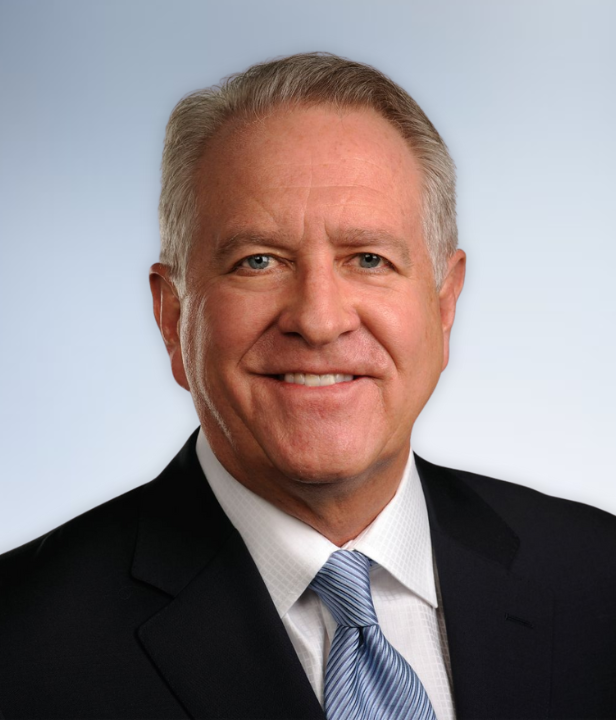
Bill Brennan and the case for slowing down
The Credo chief executive spent years building a business between the chips. Now his pitch for AI infrastructure involves purple cables, quieter connections, and a surprising argument for doing less work on each optical channel.
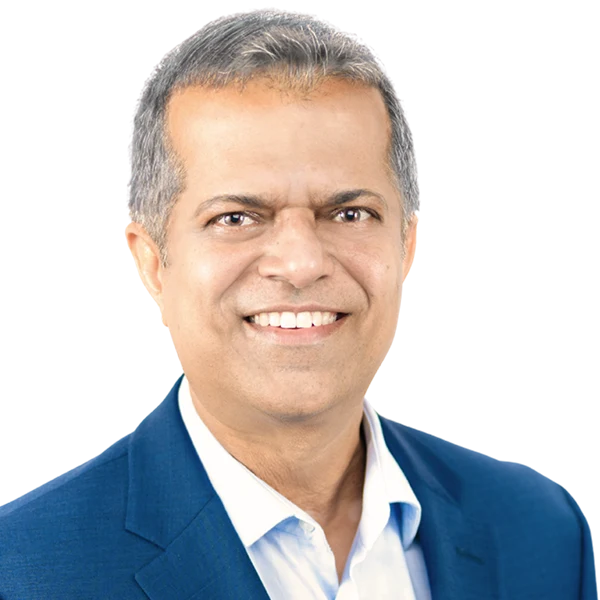
Kash Shaikh and the hard work of making things simple
From software engineering to the CEO’s office at Penguin Solutions, Kash Shaikh has kept returning to the same problem: how to make complicated technology useful to the people who depend on it.
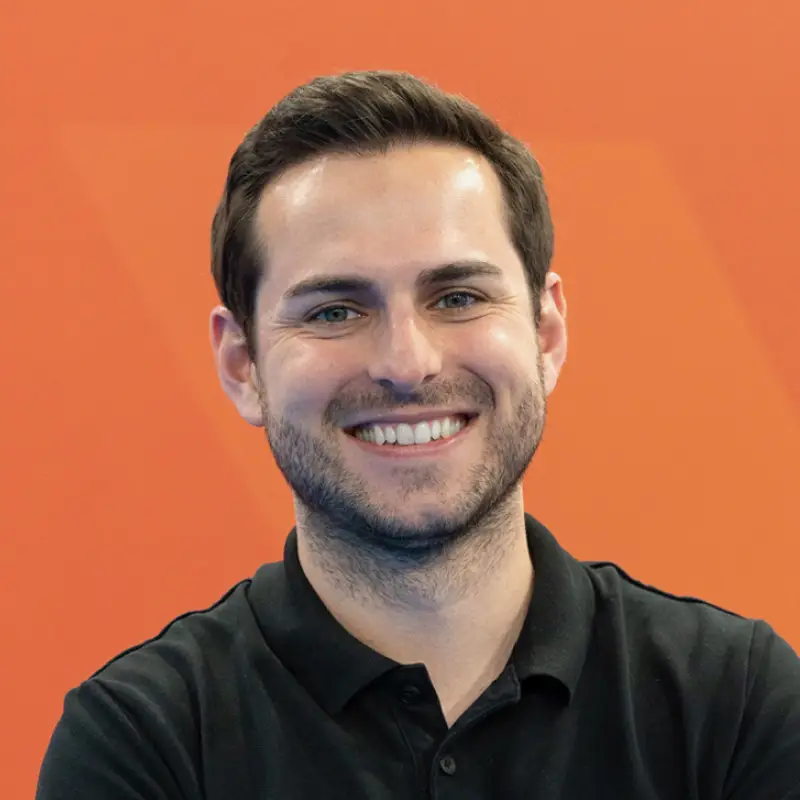
Lukas Gentele and the freedom to build
At sixteen, he needed a judge’s permission to run a business. Today, the vCluster Labs co-founder is working on a different kind of independence: giving teams control of their own infrastructure.
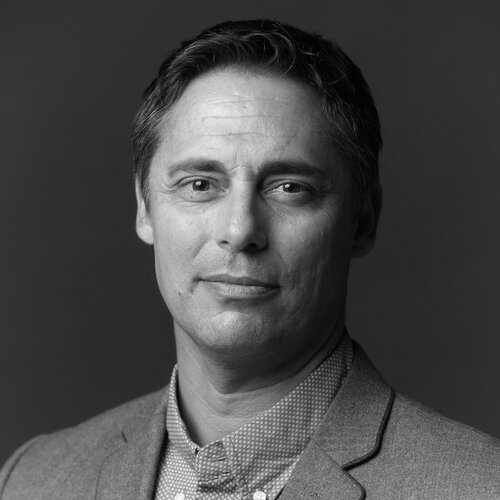
David Lazovsky and the cost of keeping AI waiting
Before co-founding Celestial AI, David Lazovsky built a materials research company and took it public. His next bet was on moving data with light - a pursuit that brought him, and the business, into Marvell.
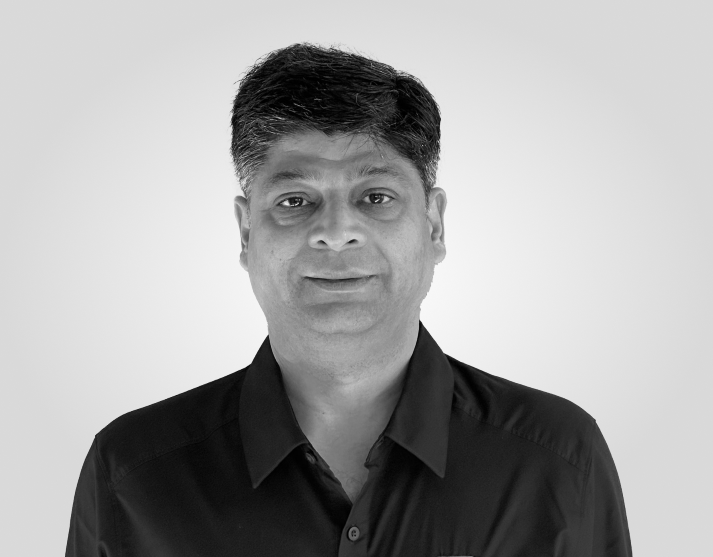
Sachin Gandhi and the distance between two data centers
After two startup acquisitions, Sachin Gandhi is building Retym around an easily overlooked part of AI: the connections between its machines. His route runs through chip engineering, company operations and the patient work of getting silicon into customers’ designs.
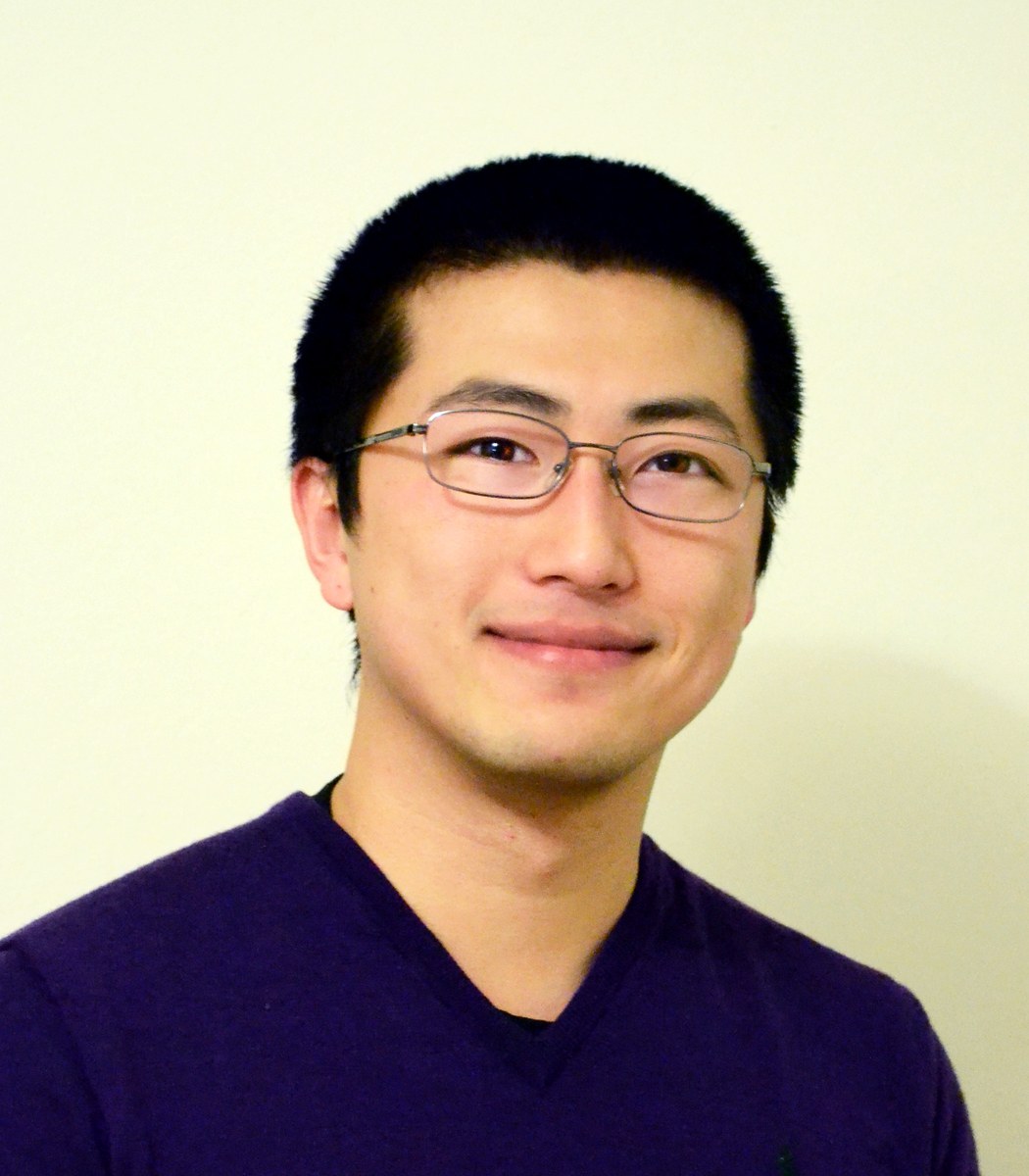
Haoyuan Li and the problem of keeping fast machines fed
A Christmas coding project became Alluxio. Haoyuan (H.Y.) Li has spent the years since working on a stubborn problem: getting data to the machines that need it, before the waiting gets expensive.

Tom Hamer and the Trouble with Knowing What You Want
At 14, he built an app that taught people to make apps. With Marqo, Tom Hamer turned to the gap between what people mean and what computers understand. His next project takes aim at the wait.
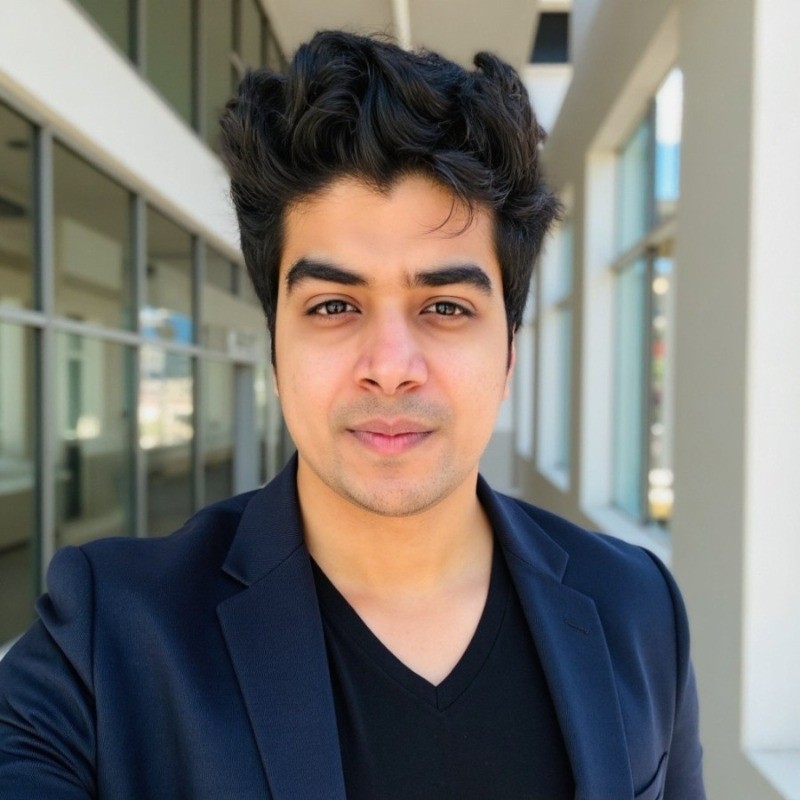
Amritanshu Jain and the business hiding inside the product
A customer noticed the engine inside Simplismart. For co-founder Amritanshu Jain, that conversation helped turn a broad machine-learning platform into a more focused bet on how AI runs.

Laurence Cohen and the business of being introduced
Before Raion turned toward AI infrastructure, Laurence Cohen was working on a more familiar bottleneck: getting the right people into the same conversation. His route from finance to founder interviews helps explain the business he is building now.

Marc Freed-Finnegan and the value of right now
From Google Wallet and Index to Chalk, Marc Freed-Finnegan has kept returning to the moment a customer needs an answer. His latest work asks AI to get the timing right - and remember what it knew.
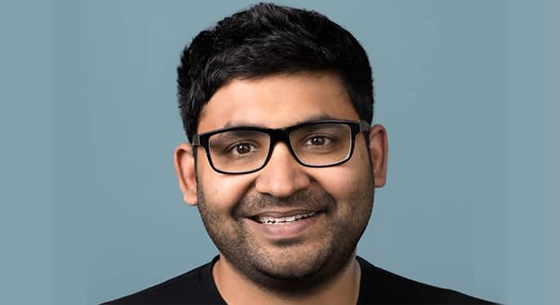
Parag Agrawal and the Reader Who Never Clicks
He spent eleven years helping Twitter decide what people should see. At Parallel Web Systems, Parag Agrawal is building for a different reader: the AI agent, and the people whose work supplies its answers.
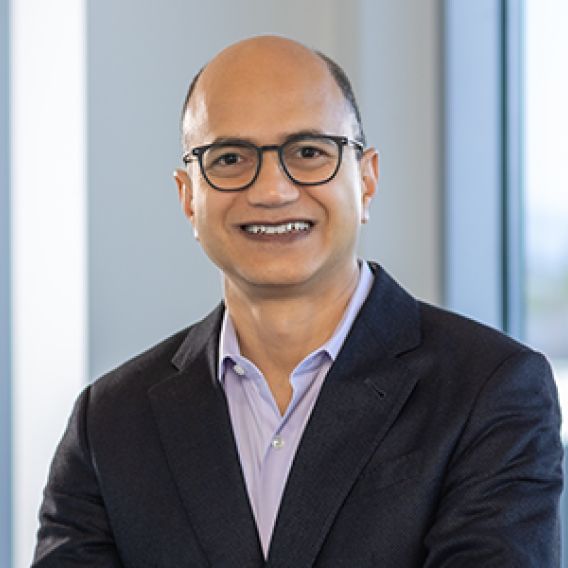
Raghib Hussain and the value of a second beginning
After building Cavium and helping steer Marvell toward data infrastructure, Raghib Hussain took on an older company with a fresh start. At Altera, his wager is that programmable chips need a more predictable business behind them.

Jay Dawani and the art of changing the machine
He set out to make autonomous robots possible, then designed chips, then walked away from the chips. At Lemurian Labs, Jay Dawani keeps following the same question: what is actually stopping the idea from working?
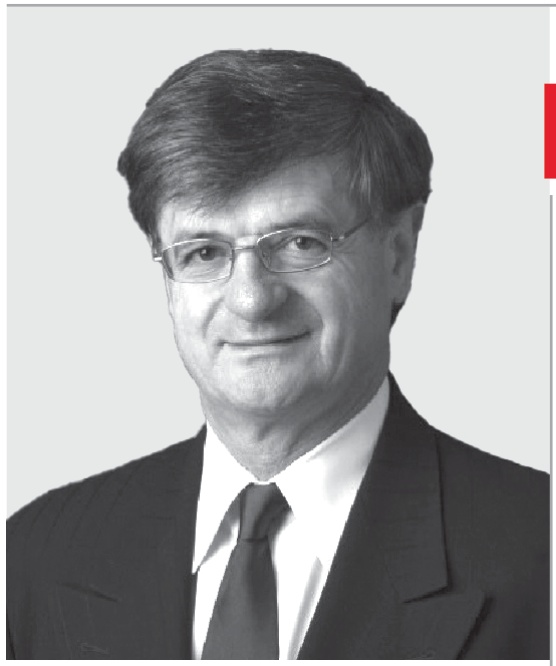
Jure Sola and the business of making things work
He co-founded Sanmina in 1980 with circuit boards, customers and little room for error. Four decades later, Jure Sola is applying the same practical instincts to the machinery behind artificial intelligence.
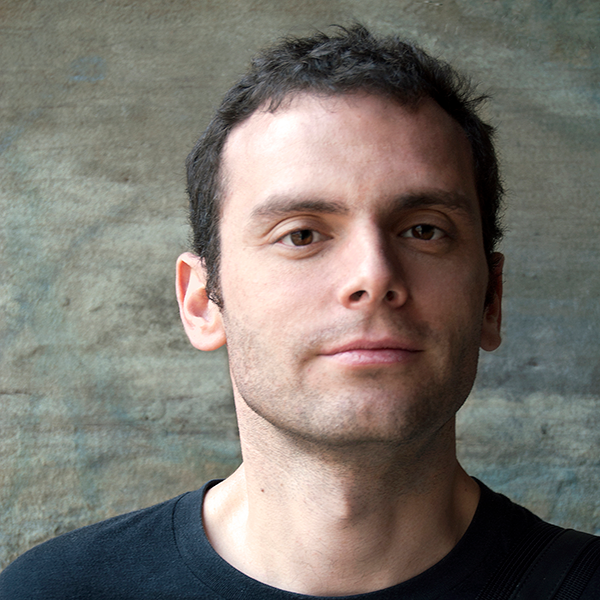
Olivier Pomel would like the bad news first
Before Datadog became a public company, Olivier Pomel and his co-founder had a simpler ambition: get their teams to stop blaming each other. The habit that followed - looking for uncomfortable facts - still shapes how he builds.
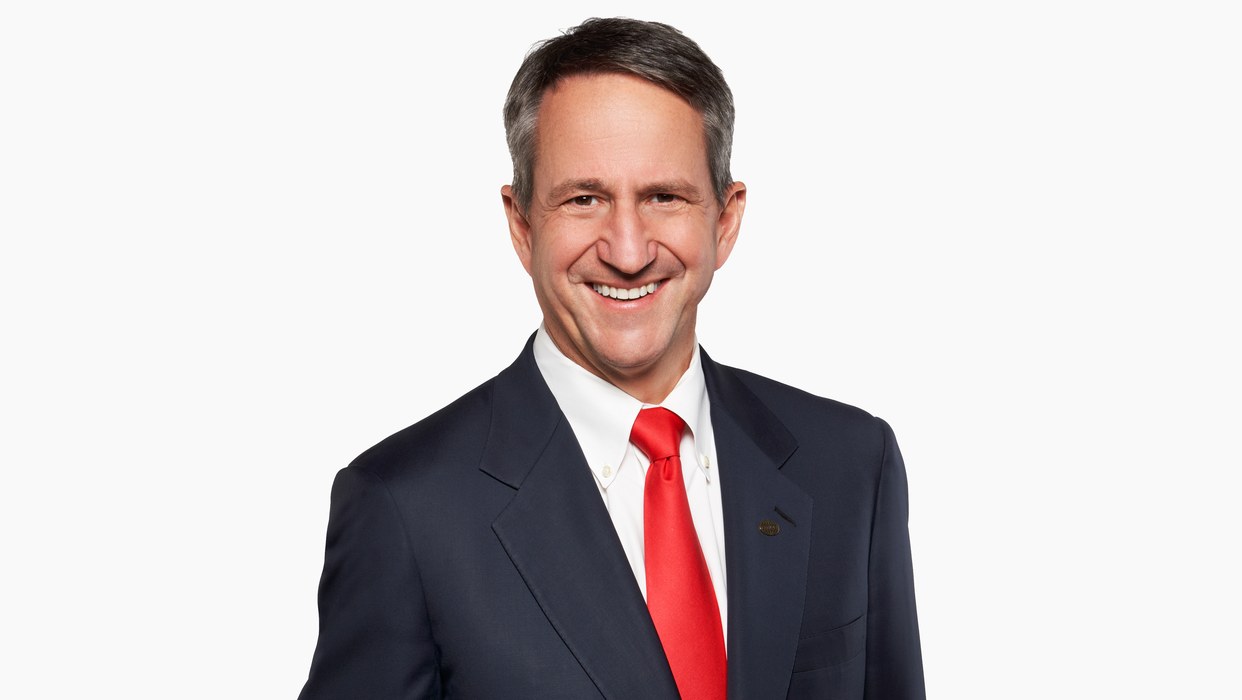
Christophe Beck and the water inside the cloud
An engineering graduate who once worked on a space-shuttle project now runs Ecolab. Christophe Beck’s next assignment is down to earth: helping the AI economy live within its water supply.
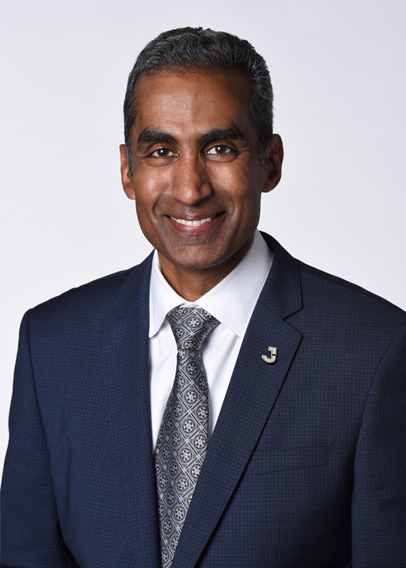
Bob Pragada and the art of making things work
A Navy engineer who kept Camp David running now leads Jacobs through a different kind of reconstruction. His career connects the discipline of service with the physical demands of the AI age.
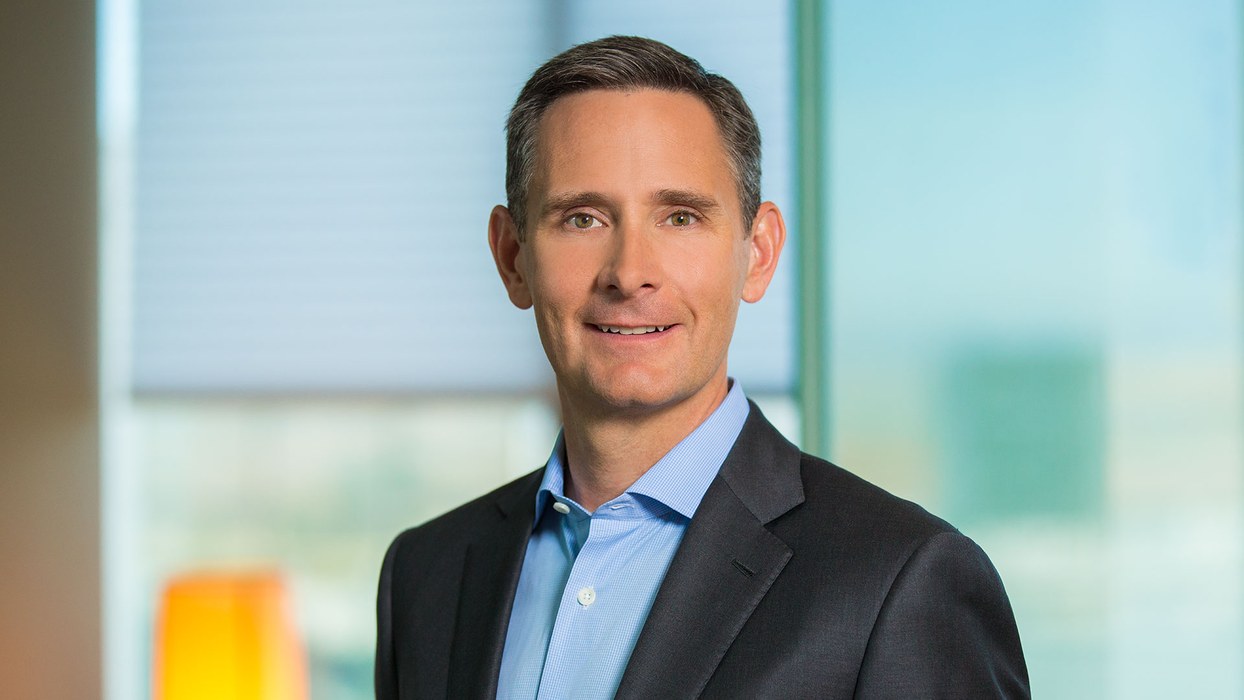
Matt Murphy and the art of arriving early
When Matt Murphy took over Marvell in 2016, its data center business was a small part of the company. His next decade was spent moving toward the infrastructure that AI would eventually need.
Joe Dominguez and the twenty-year promise
The former engineer and federal prosecutor now leads Constellation. His deals with technology companies reveal what happens when the speed of AI meets the long working life of a power plant.
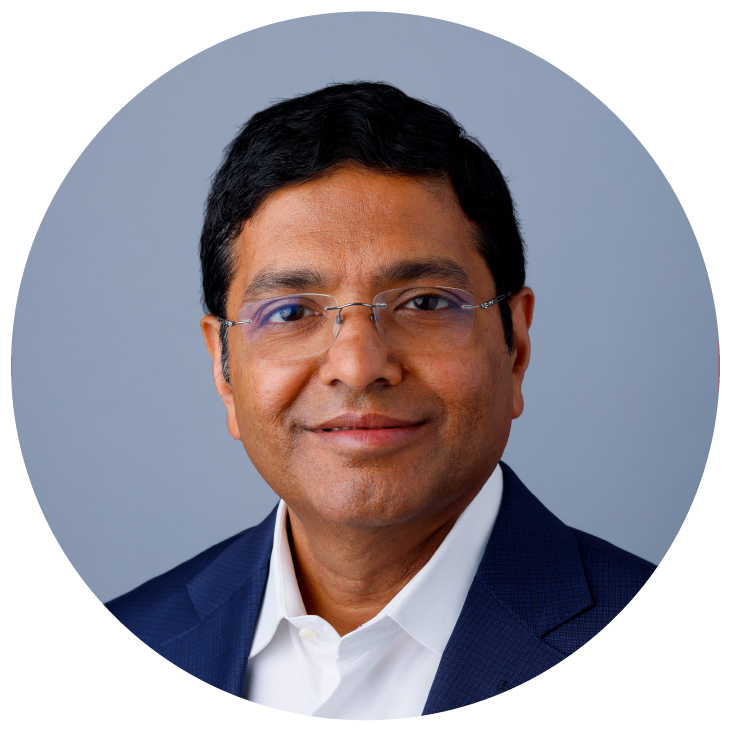
Satish Dhanasekaran and the business of being early
Before a new technology can change your life, someone has to find out whether it works. From early smartphones to 6G, Satish Dhanasekaran has built a career on that inconvenient little detail.
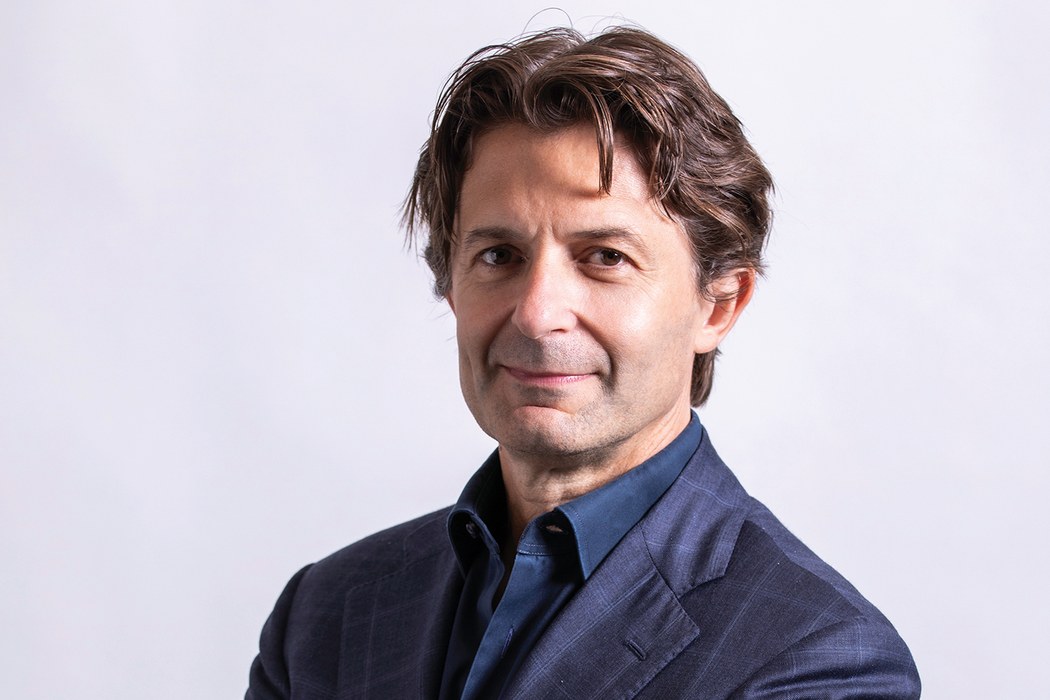
Giordano Albertazzi and the long apprenticeship behind the AI rush
Before AI made power and cooling a boardroom obsession, Giordano Albertazzi spent decades learning the machinery. Now the Vertiv CEO has to make an industry moving at software speed work in the physical world.
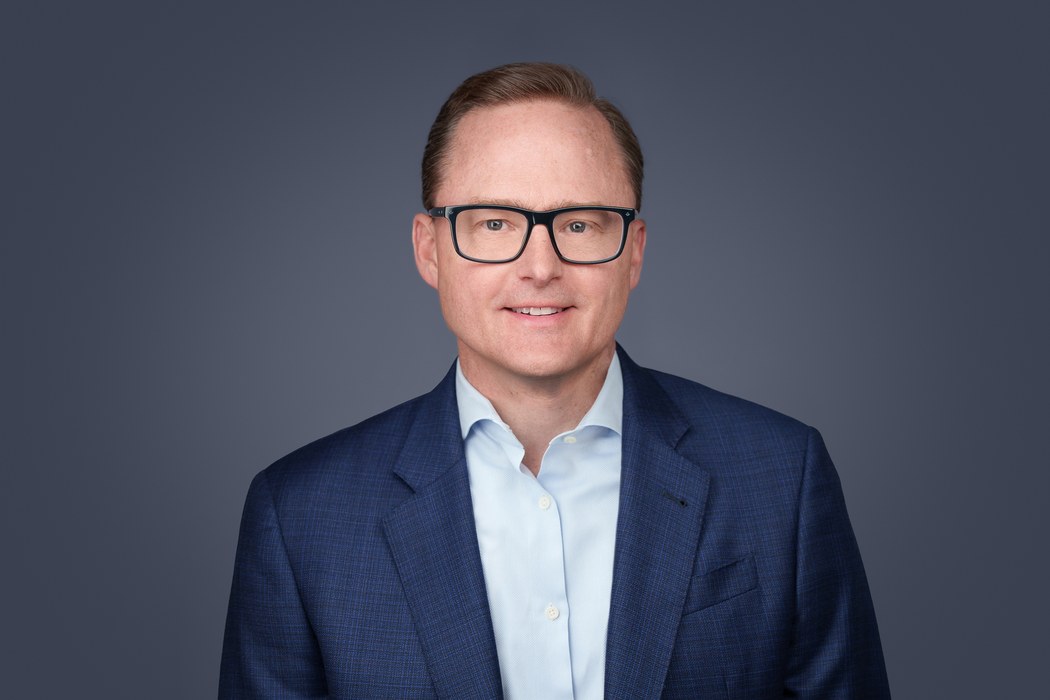
Jim Anderson and the space between the chips
He spent years in the processor business. At Coherent, Jim Anderson is working on what happens between processors - and discovering how much of the AI race depends on light.
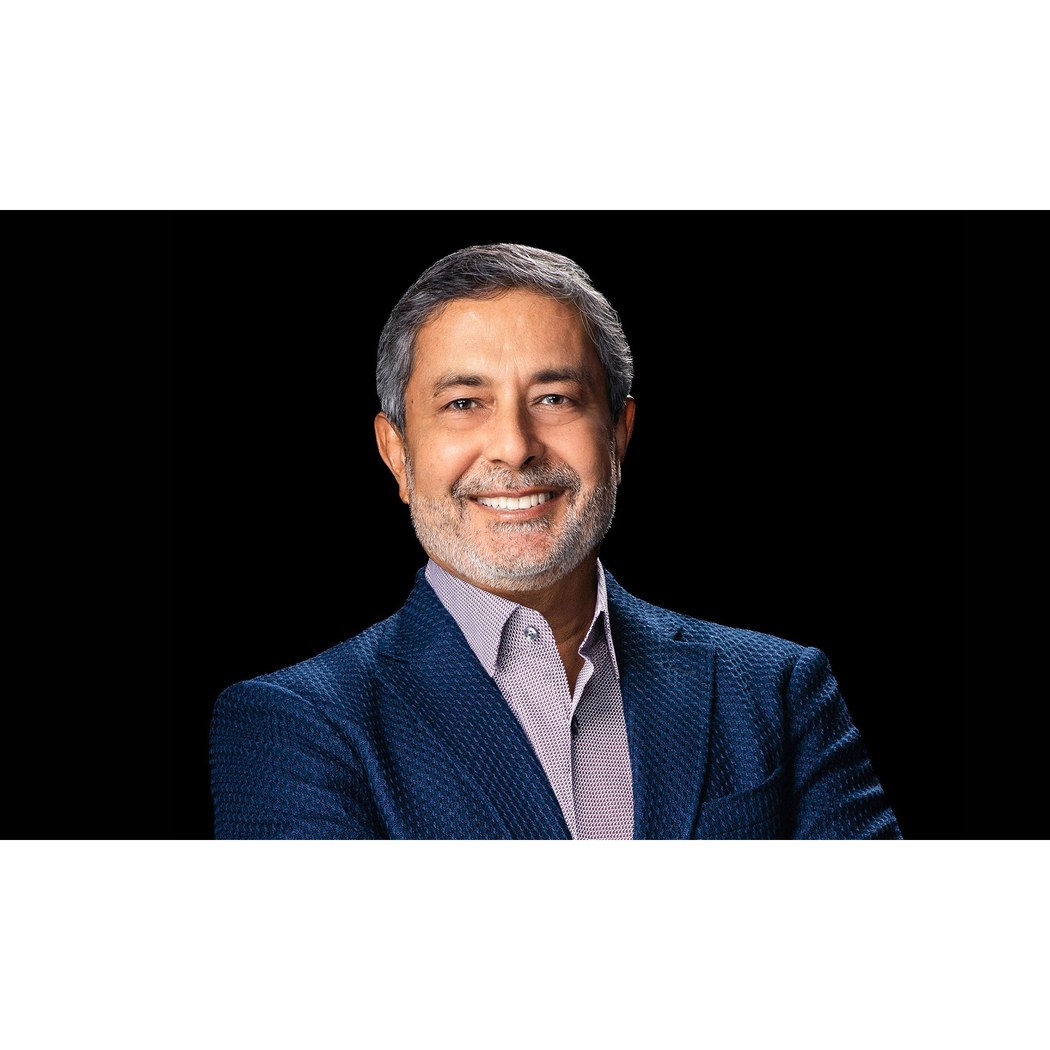
Sanjay Mehrotra and the value of one more try
Three visa refusals nearly kept Sanjay Mehrotra from Berkeley. A career spent making memory chips helps explain why the Micron chief still talks about the day his father refused to go home.
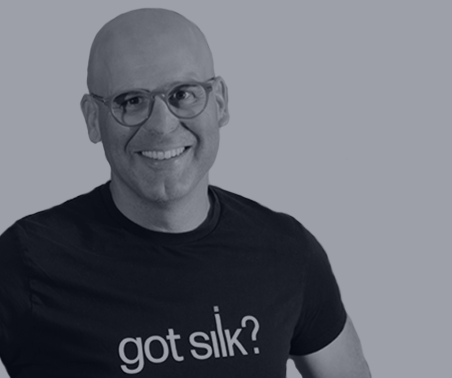
Dani Golan and the Art of Changing Course
A former fighter pilot built a storage company, handed off the hardware, and followed the data into the cloud. At Silk, Dani Golan is making another turn - toward the information that AI needs to do useful work.
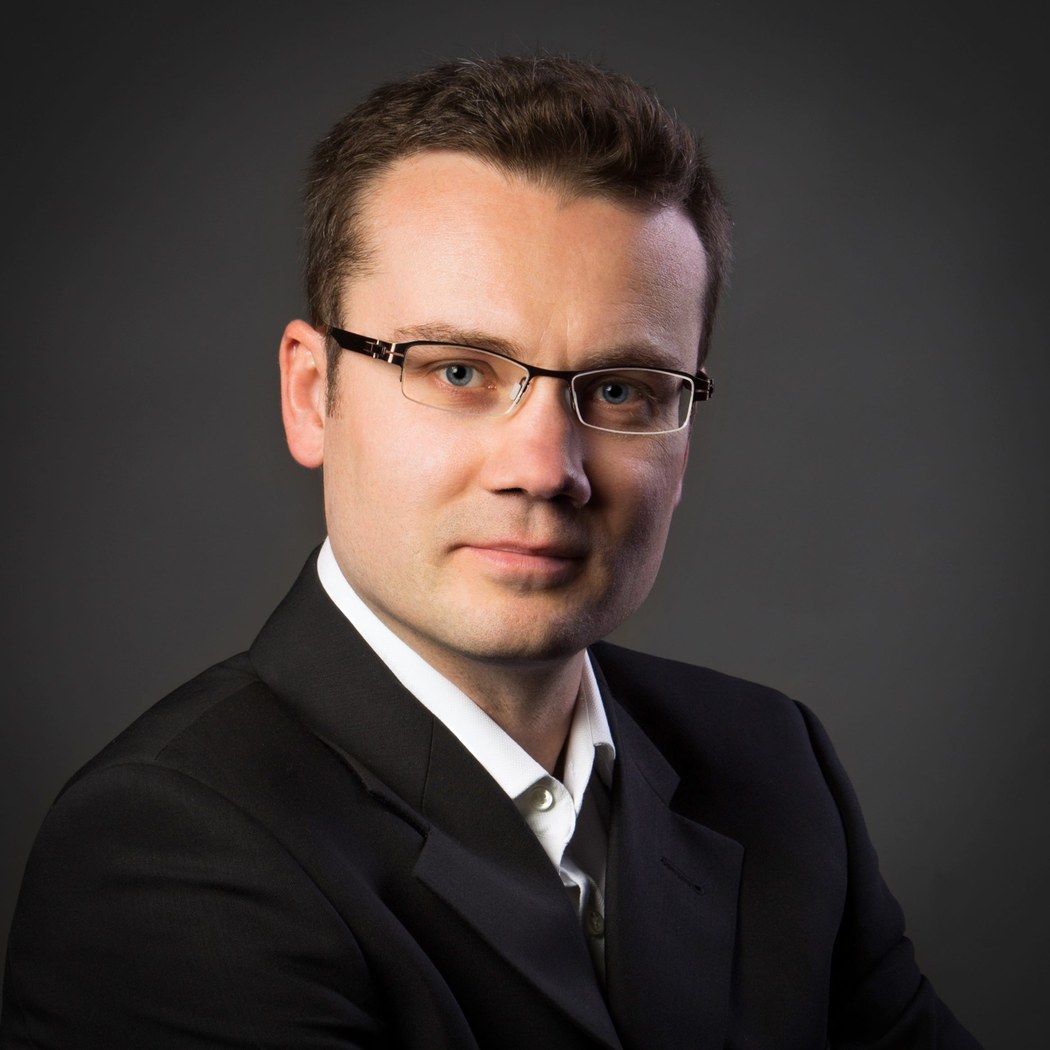
Yuriy Bulygin and the computer beneath your computer
The Eclypsium co-founder built a career inspecting the code most people never see. His question has followed him from Intel to the AI data center: what, exactly, are we trusting?
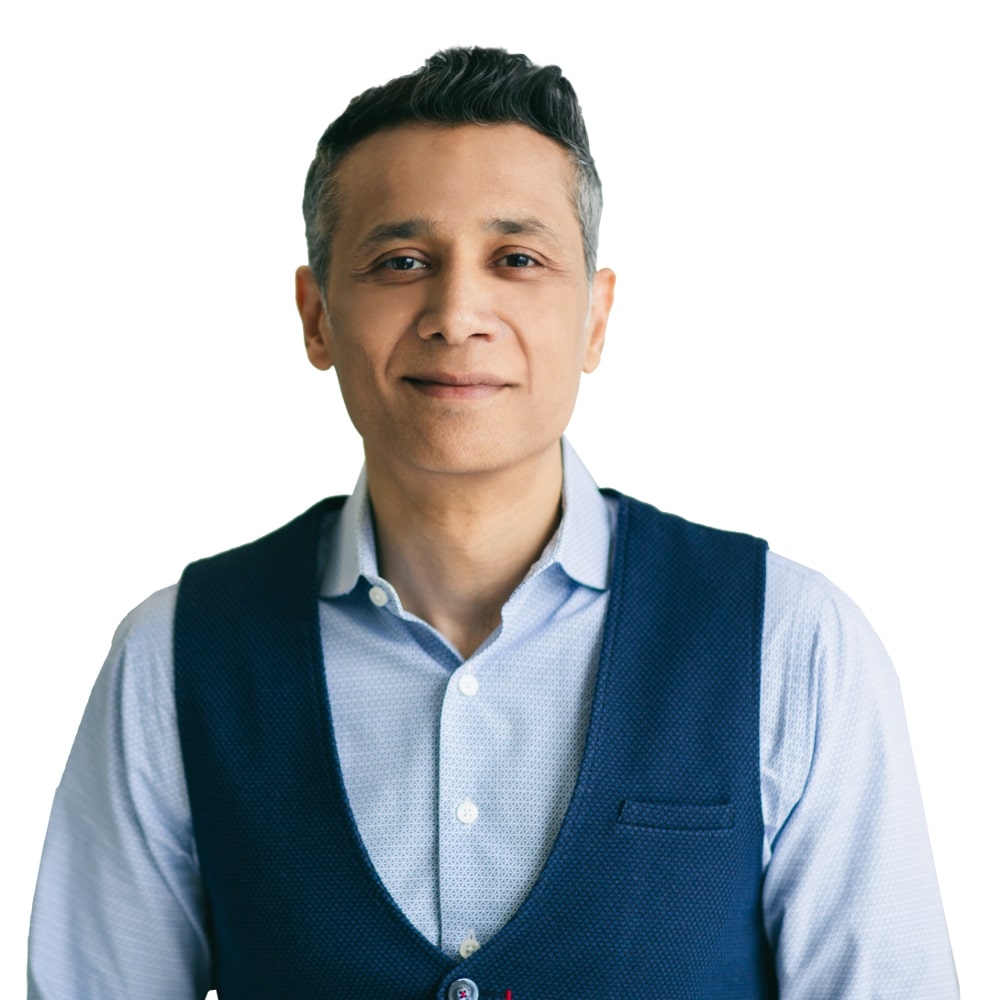
Taymur Ahmad and the trouble with a single drop
After nearly two decades in manufacturing, Taymur Ahmad began testing protective coatings in his kitchen. His company, actnano, now takes a lesson learned inside cars into the increasingly liquid-cooled world of AI.
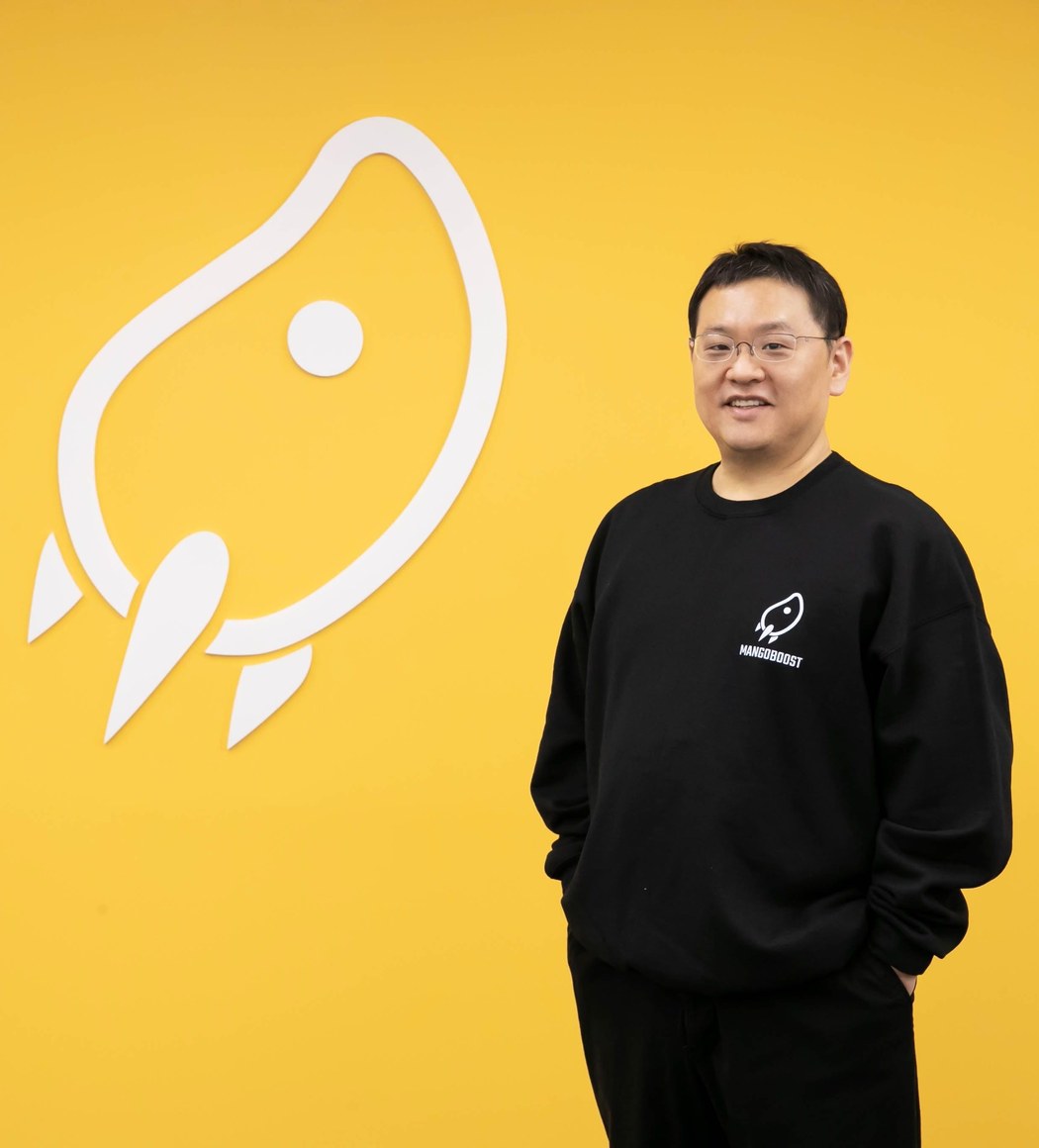
Jangwoo Kim and the Cost of Standing Still
The MangoBoost co-founder spent years studying how computers waste time. Now he is taking a university lab’s ideas into data centers, with a wager that moving data matters as much as making chips.
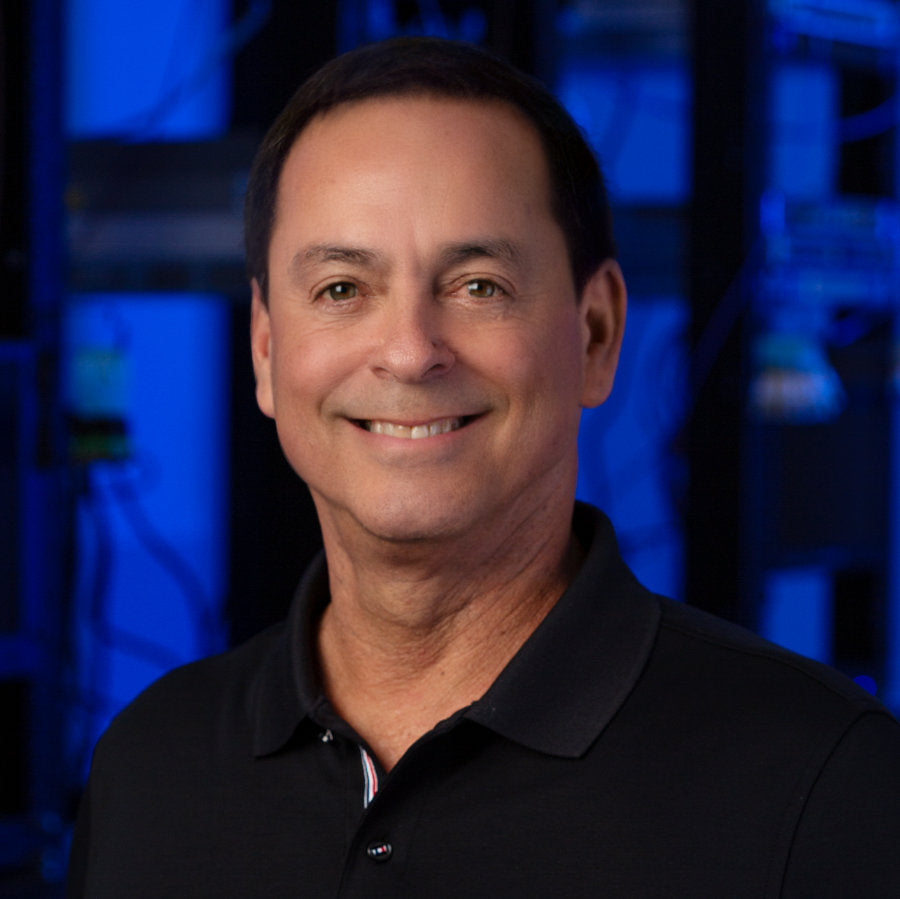
Dan Miranda and the physical business of the cloud
Dan Miranda founded Proficium in 2003. Now president after a 2024 investment and a change of CEO, he remains part of a company connecting the machinery behind AI.
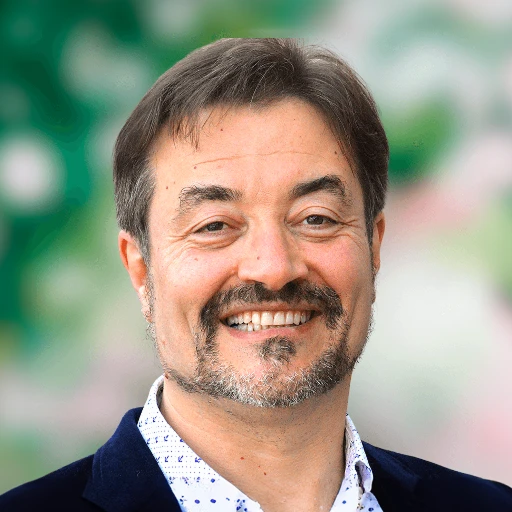
Alex Freedland and the art of coming back
He helped build Mirantis, handed over the CEO chair, then returned to it. Alex Freedland’s route from software services to AI infrastructure runs through a kitchen-table conversation and a company that kept changing its mind.