y-combinator
(635)
Abacus made the expense report disappear.
A delayed reimbursement helped inspire a different way to handle company spending: one transaction at a time. Now called Emburse Spend, Abacus still asks why anyone should wait until month-end.
Cashfree Payments and the other half of money
Getting paid is only the beginning. Cashfree built a business around what happens next: refunds, vendor payouts, identity checks, and money that has somewhere else to go.
Nowports makes freight less of a guessing game
A container carries two loads: the goods inside it and the uncertainty surrounding it. Nowports built a business around helping Latin American companies manage both.

The Social Radars gets past the pitch.
Jessica Livingston and Carolynn Levy know the founders behind the famous companies. Their podcast returns to the awkward decisions, failed ideas, and human details that a pitch deck leaves out.
TENDERD and the expensive art of doing nothing
An idle machine still sends a bill. TENDERD began by finding renters for heavy equipment; now it helps operators see where time, fuel and money disappear.

Howdy.com and the art of keeping the people you hire
An engineer can work anywhere. A team needs somewhere to belong. Howdy.com sells the infrastructure between those two ideas.
Players’ Lounge puts a price on your next game
It started with FIFA nights in bars. Now Players’ Lounge lets ordinary gamers wager on their own performance - and its latest expansion lets them trade on real sports, too.
Avo made the whole building its customer. Then the bill arrived.
Avo bundled grocery orders by building and let landlords do the introductions. Its rise and retreat reveal how much a clever delivery model still depends on the price of growth.
Cleanly sold you time. Then it had to own the laundry.
A laundry app promised New Yorkers a shorter to-do list. Its journey into ByNext shows how much machinery sits behind a simple tap.

TYBR Health wants your repaired tendon to mind its own business
A blue gel, a narrow space, and a stubborn surgical problem: TYBR Health is building a business around keeping healing tissues from sticking together.
Inito asks the question an ovulation test leaves unanswered
A hormone surge is a promise. Did the body keep it? Inito built a home fertility business around that second question - and is now betting on the chemistry behind the strip.

Jiga wants your engineer to meet the machinist
A custom part can survive a thousand calculations and still be undone by one unanswered question. Jiga puts engineers and manufacturers in the same conversation, with software to keep the paperwork from taking over.
Flockjay wants your best seller’s knowledge to stop being a company secret
The sales bootcamp became a software company with a familiar obsession: who gets access to the knowledge that makes a career. Now Flockjay wants to turn scattered sales wisdom into training, coaching, and answers people can actually use.

Mem0 wants AI to remember you. The trick is knowing what to forget.
A chatbot that forgot its users sent two founders toward a different business: selling memory to the people building AI. Mem0’s wager is that useful context should survive a conversation - and a change of model.
Fond made a business of saying thank you
A corporate discount gets you a cheaper ticket. A timely thank-you tells you somebody noticed. Fond built its business in the space between the two.

Remedial Health found a bigger business in the pharmacy shopping list
A pharmacist and a pharmaceutical salesman set out to sell medicines. Their customers needed something more useful: a reliable way to fill the shelves, finance the stock and keep track of what left them.

Datacurve and the price of a difficult answer
The internet has plenty of code. Datacurve pays people to produce the kind that teaches an AI what to do when the easy answers run out.
Xobni and the address book that wrote itself
Your inbox knew who mattered. Your address book did not. Xobni built a business in the gap - then watched its idea become part of Yahoo Mail.

The $7 Phone Call That Became a Call Center
Phonely began with an after-hours demo and a first sale for $7 a month. Now three customers have invested in the company - and every phone script is a candidate for an experiment.
Spott’s Sensible Idea Failed. Then the Bigger Bet Worked.
Three Belgian consultants set out to add a clever feature to old recruiting software. The old software refused to cooperate, so they replaced the whole thing - and found 500 agencies willing to follow.
Laika took pet shopping online. Then it opened the doors.
The Colombian pet retailer raised $65 million across three funding rounds, built a membership habit and moved into physical stores. Its next test is making that combination pay.
SmartAsset’s real business begins after the calculator
Millions arrive with a money question. SmartAsset turns some of those questions into introductions to financial advisors - then sells the software to keep the conversation going.
Verto’s bet: the money has to arrive
A poker-table conversation became a payments business built around Africa’s awkward currency routes. Verto’s real product is what happens after the exchange rate looks good.
The $200 Million Pivot: How PartnerStack Turned a Bad Slack Clone Into a B2B Sales Machine
Four founders escaped a failing nonprofit app by productizing the one thing that worked: other people selling it. A decade later, their platform had 138,000-plus partners, 600-plus software customers, and a new owner - plus a playbook any SaaS team can test before buying the machinery.

The Postgres Company That Let AI Write the Signups
It started as the open-source answer to Firebase. Then AI coding agents adopted it as their default backend, and Supabase doubled its valuation to $10.5 billion in eight months.

The Startup That Turned Cloud Marketplace Paperwork Into a Product
Selling software through AWS, Azure, and Google Cloud is where the big B2B deals now happen - and also where the operational mess lives. Suger built the plumbing so vendors do not have to.
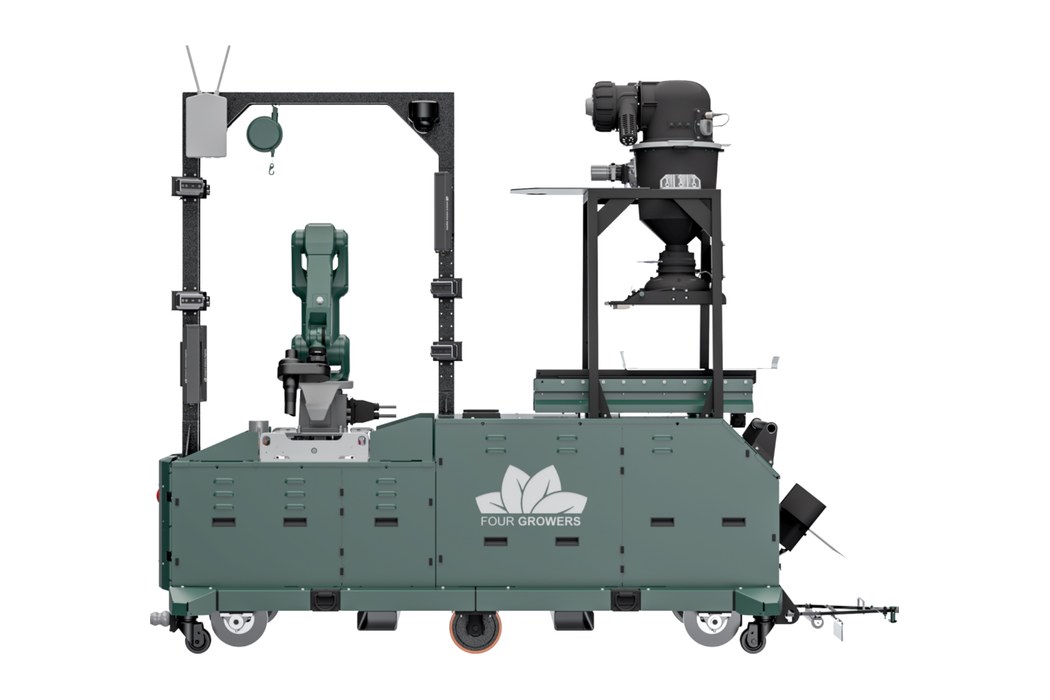
The Robot That Picks a Tomato Better Than You Can
Two Pitt engineers spent months living in greenhouses to learn why picking a tomato is so hard for a machine. Their answer, the GR-100, now harvests faster than the humans it works alongside.
The Austrians Who Wrote the Rulebook for How the Internet Plays Video
Stefan Lederer and his co-founders helped write MPEG-DASH during their PhDs. Then they built a company on top of it - and won an Emmy for the encoding tech that keeps modern streaming from choking.
The Compliance Team That Never Sleeps, Built by People Who Hated Compliance
Three founders got tired of babysitting their own robo-advisor's SEC paperwork, so they built the tool they wished existed. Now 500+ firms run their audits through it.
The Austin Drone Company Betting the Air Force Will Ditch the $30,000 Helicopter Hour
Skyways flies cargo drones nobody steers - no joystick, no remote pilot - between air bases and out to oil rigs. Now it wants to turn a hand-built aircraft into a production line.