Ted Power’s problem began with a trip to California. He had joined Google in New York, and his manager wanted him out west for a month of orientation. Power paid for the flight and hotel himself. Fresh out of college, he could hardly afford it. Reimbursement took a couple of months.
There is an odd arrangement hidden inside that ordinary office ritual. A company asks an employee to travel, then temporarily borrows the employee’s money. The delay is easy to overlook when you are designing a form. It becomes rather more noticeable when you are paying the hotel bill.
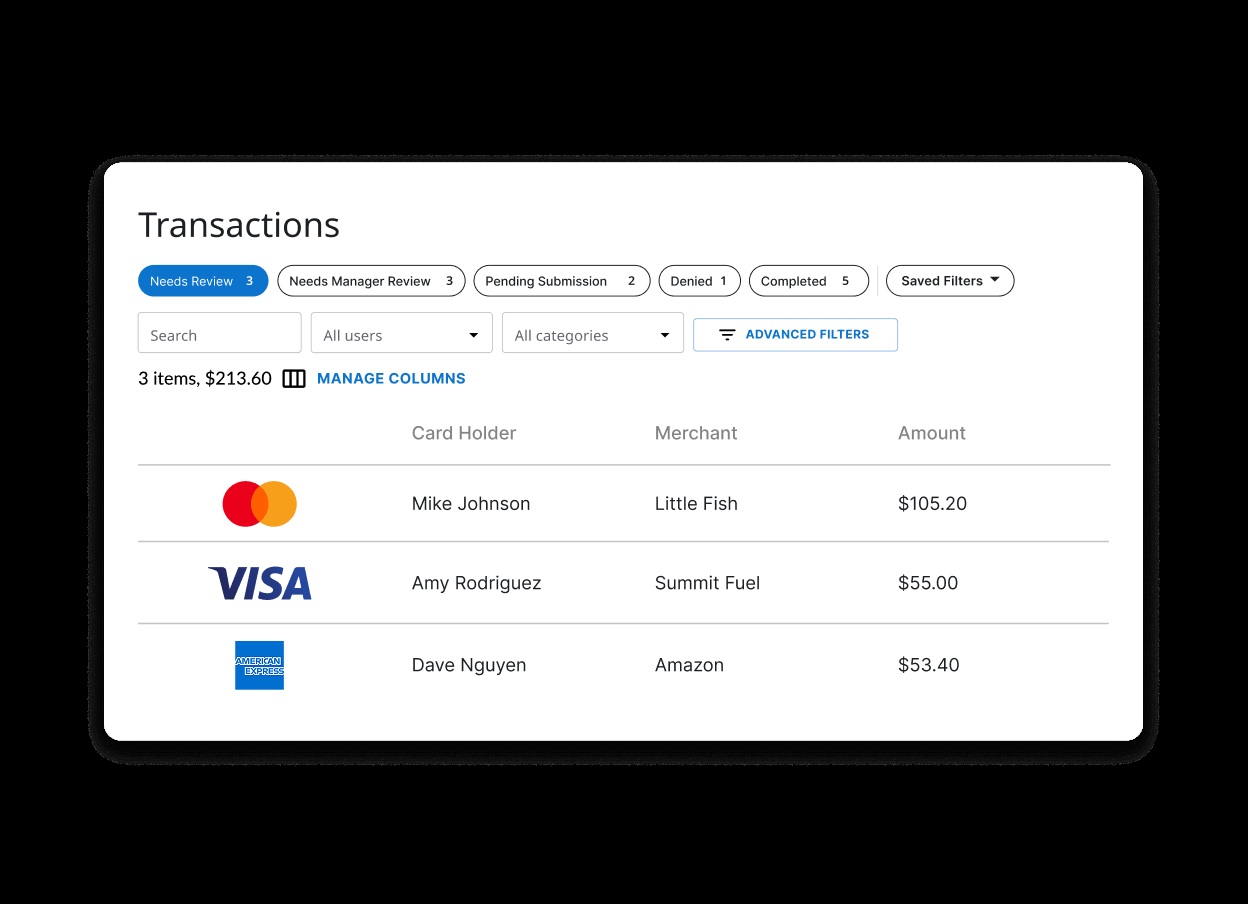
- Abacus replaced bundled expense reports with individual transactions.
- Employees submit sooner; finance can review throughout the month.
- The product lives on as Emburse Spend, with cards and accounting connections.
A receipt with somewhere to go
Power cofounded Abacus with Omar Qari and Joshua Halickman. Contemporary accounts place its beginnings in 2013; the team joined Y Combinator’s winter 2014 batch. Their backgrounds combined product design, finance and engineering. They were building for a familiar frustration they had encountered themselves.

The early app let an employee submit an expense from a phone, get a manager’s approval and receive money directly into a bank account. Each purchase could move independently. A taxi receipt no longer needed to wait for a hotel receipt, a flight receipt and somebody’s willingness to assemble them.
That changed the rhythm of the job. A monthly report is a container: useful for organizing information, but also capable of holding it hostage. Abacus gave the receipt somewhere to go immediately. Finance could see transactions before the end-of-month scramble.
The first obstacle was the queue
For the employee, the obvious failure was waiting for money. For the employer, delayed submissions created another problem: incomplete knowledge of spending. In 2016, Abacus introduced automated accrual accounting, addressing the mismatch between when an expense occurred and when it finally reached the books.
There was a catch. Break one monthly report into individual expenses and a manager might imagine a phone buzzing all day. Power described that concern in an early interview. He said managers often valued the visibility, while notification settings let them choose their own reviewing cadence. Faster submission did not require constant interruption.
By 2016, Abacus had also brought approvals into Slack. Qari described targeted prompts for the expenses needing attention. The useful shift was from reviewing everything with equal effort toward directing a human to exceptions. That is a design principle other administrative products can borrow without handling a single receipt.
“Productivity to us doesn’t mean spending time in Abacus, it means getting your work done.”- Omar Qari, 2016 interview
The customer before the employee
One early use was especially revealing. Pinterest used Abacus to reimburse prospective employees for interview travel. The traveler did not even work there yet, but already had the same problem as an employee: somebody else’s business had created a personal expense.
A later Lever integration supported candidate reimbursements. Historical customers also included ClassPass, Betterment, Foursquare and Dropbox. These examples suggest a wider job than filing expenses: handling the financial loose ends of people doing things for an organization, including people outside its payroll.
The founders returned to New York after Y Combinator. In November 2014, investor Homebrew announced its participation in a seed round led by Bessemer and General Catalyst. Contemporary funding coverage put the round at $3.5 million. There was capital behind a deliberately unglamorous ambition: shorten the distance between paying and being paid back.
A new owner, then a new name
Certify acquired Abacus in July 2018, initially keeping its identity. In January 2020, Abacus became part of the unified Emburse organization alongside expense products including Certify, Chrome River, Nexonia and Tallie. The portfolio brought resources for support, implementation and shared technology.
Emburse Cards arrived inside Abacus the following month. Company-funded physical and virtual cards let administrators set spending rules before a purchase. That extended the original idea upstream: an employee could avoid advancing personal money in the first place.
On April 23, 2025, the Abacus brand became Emburse Spend. Its transition notice told customers to keep using their existing credentials. The name changed around a continuing transaction-based approach.
The price of a shorter queue
Today’s Spend targets small and growing businesses. Its practical pitch includes keeping existing corporate cards and connecting expenses to accounting tools. QuickBooks, Xero, NetSuite and Sage Intacct integrations support that handoff; available connections vary by plan.
Per submitting user × minimum billed users = minimum monthly subscription. Plus starts at $12 per user.
Approvers count as users only if they submit expenses themselves. Optional guided implementation costs $1,500. For a small team, the minimum matters more than the advertised per-user number.
For a finance team testing the idea, a useful starting point is one recurring bottleneck: missing receipts, delayed approvals or manual account coding. Follow a purchase through each handoff. Who supplies the context? Who decides whether it is allowed? Who enters it into the books? A faster submission screen helps only when the next person can act on what arrives. The point of connecting these steps is to keep a small task from turning into a detective assignment weeks later.
The fit has limits. Spend occupies the small-business end of a market that includes SAP Concur and Expensify; it also sits beside Emburse’s own Professional and Enterprise products. Complex global governance or specialized accounting requirements deserve a different evaluation from straightforward employee expenses.
And “real-time” needs careful reading. Current US help documentation allows up to six business days after final approval for reimbursement. Removing the report does not remove bank settlement. The lesson readers can copy is narrower and more useful: find the bundle that makes work wait, then ask which decisions could happen sooner. Abacus found one hiding in everybody’s receipts.
Follow the transaction
Explore Emburse Spend ↗ · Current US pricing ↗ · Abacus on LinkedIn ↗ · Abacus on X ↗ · The Emburse announcement ↗ · Watch a quick product demo ↗ · Join a live demo ↗ · Emburse on YouTube ↗