y-combinator
(9)
Retell AI Turned $5M Into $50M and a Voice on Every Phone Line
A five-person startup out of San Carlos hit $50 million in annual revenue on $5.1 million raised, powering more than 50 million voice calls a month while the giants it competes with spend hundreds of millions buying their way in.

Retell AI Built a $60M Business on 5 Cents a Minute
The YC-backed voice startup raised about $5 million, then rode 650% growth to a $60 million run rate - selling AI phone agents by the minute while Microsoft, Salesforce and Cresta chase the same calls.

Retell AI and boost.ai Are Rewiring the Customer Call
Two companies - one a Norwegian chatbot pioneer, the other a Y Combinator voice startup - are pulling conversational AI in opposite directions. Whoever wins gets to decide how you talk to every business you deal with.
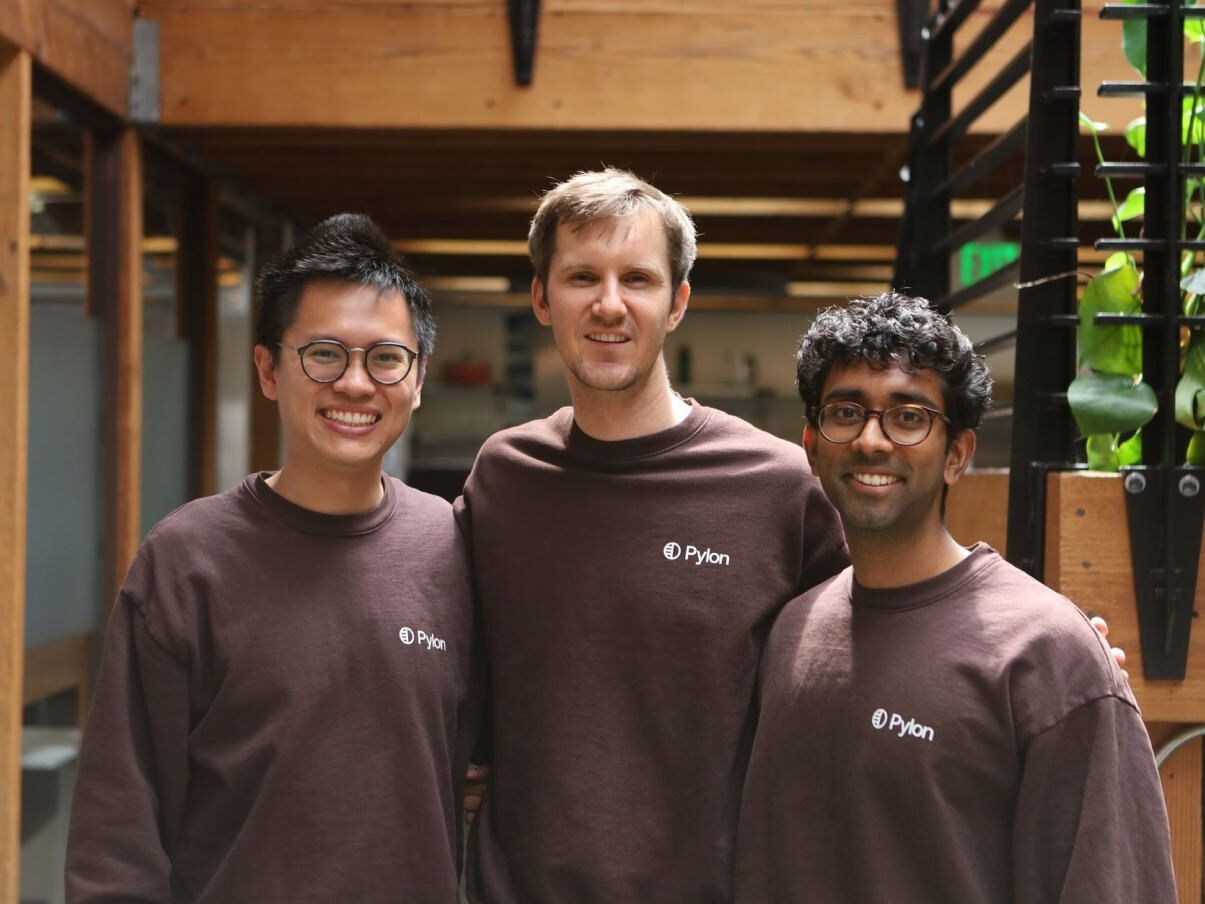
Pylon Wants to Kill Zendesk for the Slack Generation
The Y Combinator startup rebuilt customer support for B2B companies who live in Slack, not ticket queues. Now it has $51M and 750+ customers betting it is right.

Why Everyone Is Building the HVAC Chatbot
Five AI-native startups and every major field-service platform are racing to build the same product: an AI assistant that sits in a technician's pocket and answers questions about the air conditioner in front of them. The technicians are a proxy. The real contest is whether a thin AI layer on an underserved dataset can survive once the platform that already owns the customer relationship copies the feature for free. HVAC is the smallest, clearest test of a question every vertical AI founder is asking: does depth beat distribution?

Ryan Petersen on AI, Logistics, and the Future of Flexport
In this episode of Y Combinator's podcast The Light Cone, Flexport founder and CEO Ryan Petersen explains how artificial intelligence is transforming global logistics. Petersen details how AI already saved 2% of Flexport's ocean freight spend while improving transit time 20%, how the company aims to make ocean container shipping 8-10% cheaper, and how AI agents now make phone calls, parse contracts, detect unhappy customers, and automate freight forwarding work. He also reflects on incumbency advantages in AI, his personal 'founder mode' evolution, capital discipline, and a sweeping philosophical vision of what automation means for humanity.

How My Company Built an AI App So Good We Sold It for $650 Million
In this Y Combinator Startup School talk, Jake Heller, co-founder and CEO of Casetext, explains how his team stopped everything at $20M in revenue to build CoCounsel, the first AI assistant for lawyers, on early access to GPT-4 — a bet that led to a $650 million acquisition by Thomson Reuters. He lays out a practical playbook across three areas: how to pick an idea (target jobs people already pay for, in categories of assist, replace, or do the previously unthinkable), how to actually build reliable AI (map exactly what a professional does, turn each step into prompts or plain code, and grind on evaluations until you pass 97-99% of tests), and how to market and sell it (build a genuinely great product first, price to value, build trust with head-to-head comparisons, and watch out for pilots that never convert to real revenue).

The Seven Powers: How AI Startups Build Moats
In this episode of Y Combinator's Lightcone podcast, hosts Garry Tan, Jared Friedman, Diana Hu and Harj Taggar revisit Hamilton Helmer's 'Seven Powers' framework and reboot it for the AI era. Prompted by anxious college founders who fear their AI-agent companies are just easily-cloned 'ChatGPT wrappers,' the group argues that durable moats absolutely exist in AI, they're just not obvious. They walk through process power, cornered resources, switching costs, counter positioning, branding, network economies and scale economies, adding an eighth power the book leaves out: speed. Along the way they use concrete, current examples like Cursor, Windsurf, Casca, Greenlight, Plaid, Happy Robot, Salient, Legora vs Harvey, Giga ML, Speak vs Duolingo, Avoca, Exa and OpenAI vs Google to show how founders should think about defensibility, and when.
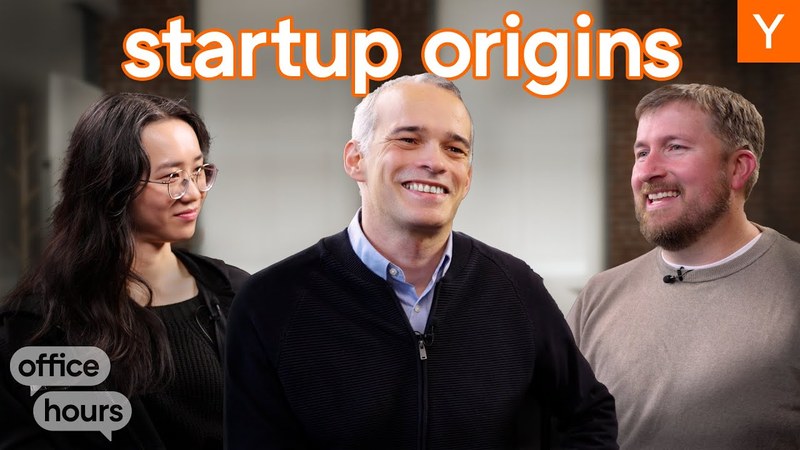
How the Best Startups Really Begin — YC Office Hours
In this episode of Y Combinator's Office Hours, a rotating cast of YC group partners pulls back the curtain on how legendary startups actually began. Using real interview memories of companies like Solugen, CaptivateIQ, Amplitude, Segment, Brex, Jeeves and Nourish, the partners argue that companies such as Airbnb, Stripe and Dropbox looked indistinguishable from every other early-stage startup on day zero. The through-line: greatness comes not from a magical origin but from tens of thousands of decisions, a bias for action, obstinate conviction, clear and honest communication, and the willingness to pivot until you build something people want.