The useful thing about a nursery is that nobody needs reminding where to go. Parents arrive to collect their children, day after day. In Tel Aviv, Avo spotted another possibility in that dependable ritual: the parents could collect their shopping, too. Baby products were the beginning. A group of people with a shared destination was the business idea.
- Avo pooled orders at workplaces and apartment buildings.
- Employers and landlords introduced the service to shoppers.
- A $45 million Series B financed an ambitious expansion plan.
- Residential losses and tighter funding prompted a retreat in 2022.
The company would eventually dress that idea in branded storefronts, groceries, gifts and an avocado mascot. But its distinctive feature was geographical. The customers had already assembled themselves. Avo did not have to persuade them to form a buying club; it had to persuade the institution that held the keys to let it in.
The nursery knew where everyone would be
In a 2021 interview, co-founder and CEO Dekel Valtzer recalled a pilot conducted before Avo had a website. Nursery teachers sent orders by message, and he went shopping. The first experiment tested a routine before it tested software. An existing pickup could carry another small errand.
Launched in 2017, Avo joined Y Combinator’s Summer 2018 batch and expanded into the United States in 2019. Its founders brought separate responsibilities to the operation: Valtzer as CEO, Idan Hershko in customers, Nir Smadar in product and Neri Bluman in operations. A business coordinating purchasing, websites and physical deliveries needed more than a pleasant checkout screen.
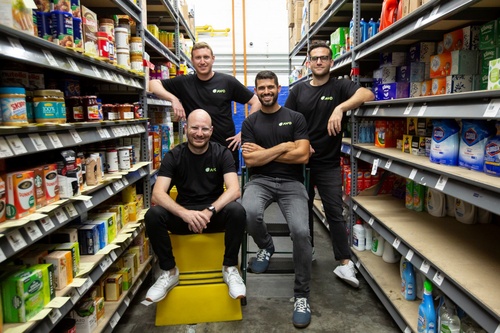
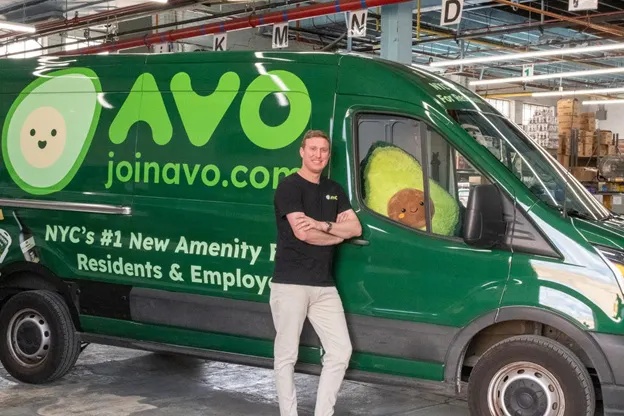
By 2021, the small pickup experiment had become a proposition for large institutions. Avo’s company directory profile described online convenience stores for residential and office buildings. The premise was easy to grasp: reach shoppers through the place where they already lived or worked, then combine their orders on the delivery route.
An avocado with a landlord attached
For a resident or employee, the offer was everyday shopping without the usual delivery tolls. Groceries, alcohol, personal care and electronics could arrive the same day. The advertised terms included no minimum basket, delivery fee or tipping fee. Avo’s 2021 announcement described a full-time salaried team. A small order could remain small.
For the landlord or employer, Avo sold an amenity: a branded marketplace that could make the building or workplace more convenient. Named partners included Related, Extell, Greystar and JLL, alongside corporate customers such as Microsoft and KPMG. Tenant and employee engagement supplied the sales vocabulary; moving goods supplied much of the work.
“Instead of serving a single customer at a time, we serve a whole building at once.”
Dekel Valtzer · Mind the Tech NY, 2021
That separation between the partner and the shopper explains the model. Avo described earning the difference between its purchase and selling prices, as a retailer does. Building managers and workplace staff could introduce the service to many people together. Consolidating orders could spread a delivery stop’s cost across several purchases. Free delivery still required someone’s margin to pay for it.
Avo occupied the intersection of retail, logistics and property amenities. Grocery Dive placed it beside Gopuff, rapid-delivery firms and supermarket services, while noting that Shipt also worked with apartment operators. Building partnerships were a useful distinction, not exclusive territory. A shopper could still choose another way to stock the fridge.
The catalog of amenities went beyond shopping. Avo offered events and gifting, giving workplace teams another reason to use it. In March 2022, Vanta documented Avonow gift boxes filled with products from women-owned businesses. Here was a concrete example of the broader pitch: one vendor could handle a recognition gesture as well as a grocery order.
The map grew faster than the margin
In September 2021, Avo announced a $45 million Series B led by Insight Partners. Kleiner Perkins and JLL Spark participated. The company reported 1,000% revenue growth over two years and proposed expanding across ten major markets over the following twelve months. The funding coverage conveyed a company preparing to get considerably bigger.
Expansion capital is a runway, with an end.
The pandemic had altered where its customers spent their days. Avo moved further into residential deliveries as offices emptied. When offices returned, the company had to manage both activities. In Globes’ reporting, Valtzer connected the retrenchment to unprofitable New York operations and an inability to raise a planned $70 million to $100 million round on the desired terms.
The first visible fracture was in the residential expansion. In May 2022, CTech reported plans to cut roughly 500 of 750 employees and refocus on offices and companies. Valtzer described residential activity, particularly in New York, as too heavy a financial burden. Later that month, Avo closed Israeli business operations and further reduced its US activity.
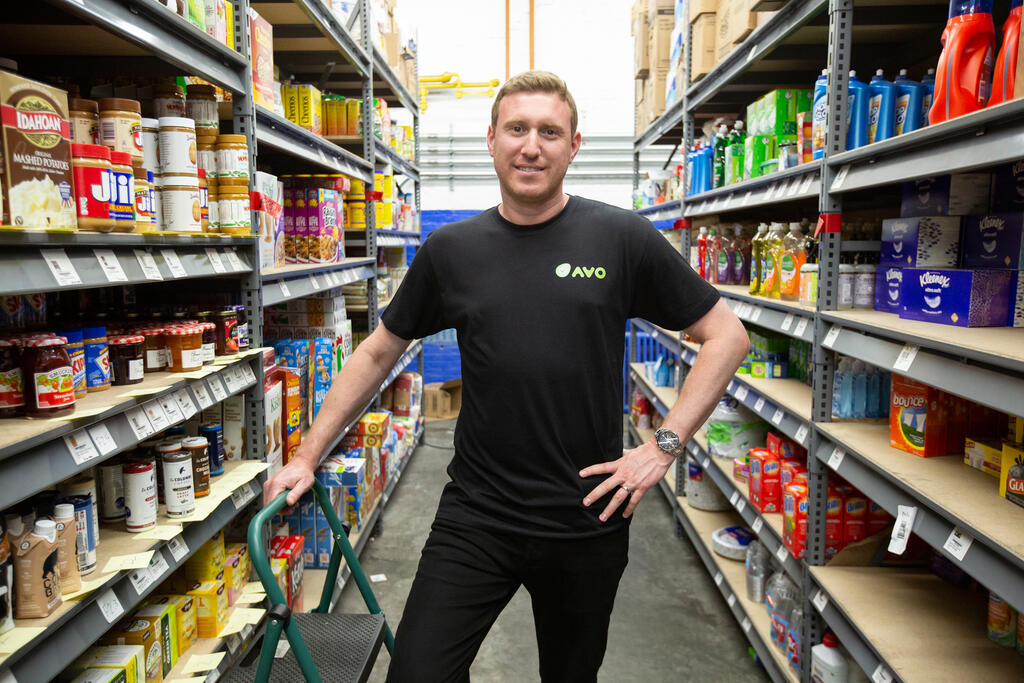
The ambition outlasted the easy financing. In May’s closure report, Valtzer maintained that scheduled deliveries could become efficient and profitable, given time. Time, however, needed financing. Y Combinator now lists Avo as inactive; Finder dates cessation to August 2024, and IVC records the same outcome in the third quarter.
Borrow the audience. Count the costs.
The practical lesson is an inference from this history. Start where customers already gather. Test their appetite through an existing relationship before building a large acquisition machine. Then measure the actual orders per stop, the margin after fulfillment and the expense of running each market. A building full of potential customers is only a starting point.
The approach needs enough repeat demand at shared destinations, buyers willing to accept scheduled service and partners willing to promote it. Sparse participation or expensive fulfillment can undo the advantages of a grouped route. Avo found an imaginative way to open the door. Its history makes the next question unavoidable: what does it cost to keep delivering through it?