Peter Reinhardt had an idea that sounded considerate. Give students a button to press when a lecture confused them. Give professors a graph of those moments. Surely a classroom with more feedback would be a better classroom. Then his team stood at the back and watched. Students were shopping, checking messages, and looking at almost anything except the lecture. The observation made their original argument rather awkward.
On The Social Radars, that awkwardness has somewhere to go. Jessica Livingston and Carolynn Levy ask Reinhardt to return to the beginning of the company that became Segment. Their shared history lets them ask follow-up questions that interrupt the tidy sequence of events. A famous business becomes a conversation about uncertainty.
- Two hosts with years of experience helping startup founders.
- Free interviews, public transcripts, and YouTube videos.
- Listen for failed assumptions and the evidence that changed them.
The question behind the question
Livingston co-founded Y Combinator and wrote Founders at Work. Her nickname there, the social radar, came from reading the people behind the proposals. Levy, YC’s Managing Director, Legal, is known for creating the SAFE, the financing document used by early-stage companies. Between them sit two different kinds of attention: how people behave and how a business gets put together.
That combination gives the show its particular angle. In her conversation with Lenny Rachitsky, Livingston describes watching how co-founders interact, whether they can accept questions, and whether their commitment survives inconvenience. Those concerns travel naturally into an interview. The first product can change. The relationship between the people building it is harder to swap out.
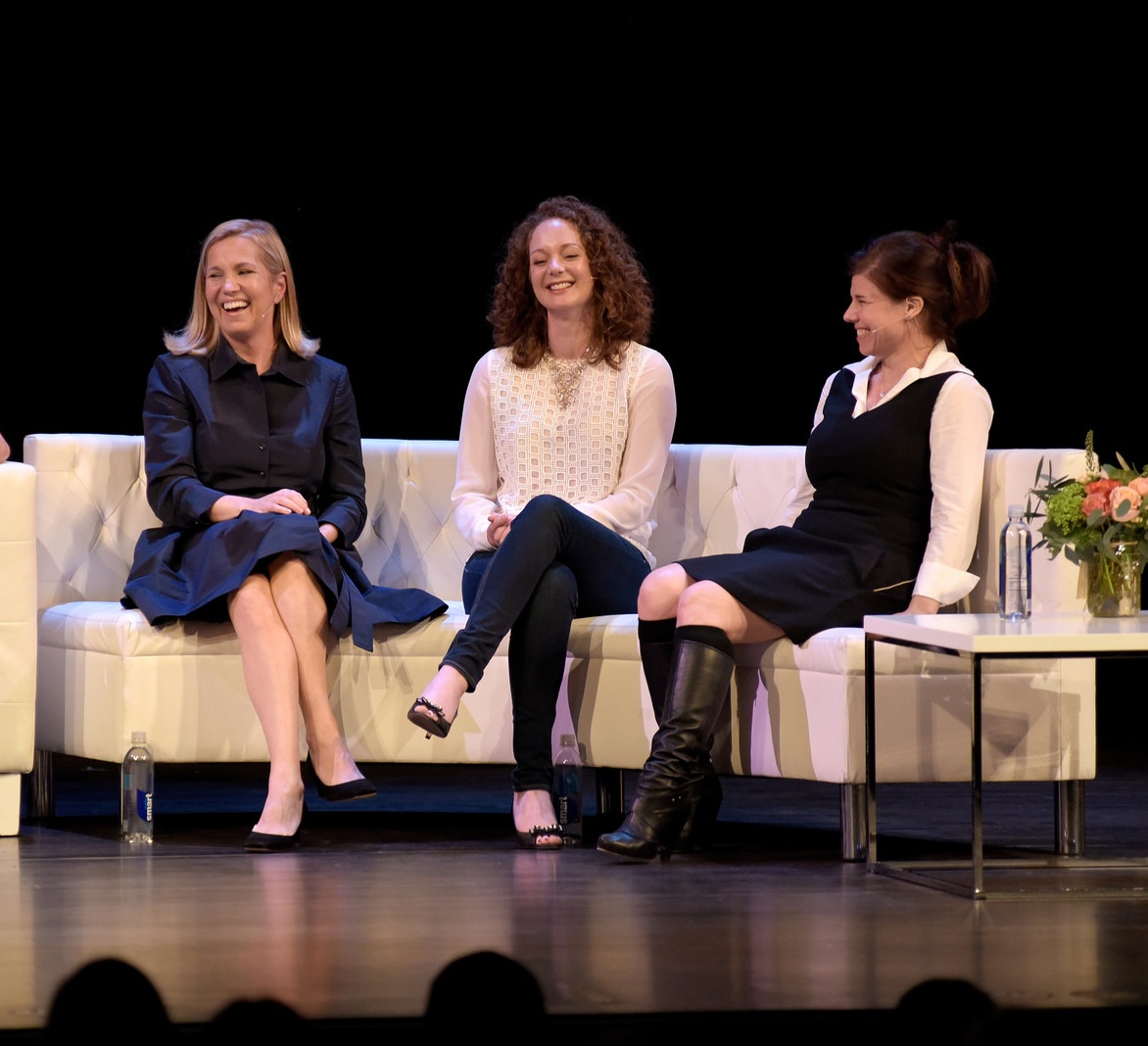
The advantage is familiarity. When someone remembers you before the acquisition, the conversation has a useful starting point. A question can refer to an earlier choice rather than a prepared biography. The hosts also let surprise remain in the recording. They are learning things about people they have known for years.
The classroom did not cooperate
In Reinhardt’s account, even early customer research had offered unreliable encouragement. A prospective user who had sounded positive later said he would not use the product. Levy’s response is deliciously brief: “The betrayal.” Anyone who has mistaken politeness for purchase intent can recognize the moment.
“The betrayal.”
Carolynn Levy, hearing how a prospective customer changed his answer
The company raised $600,000 after Demo Day, Reinhardt recalls. Its classroom trials exposed the problem: the students were not using the tool. Watching their behavior changed his view of laptops in lectures. An analytics attempt followed, with its own difficulties. The interview makes the pivot feel slower and more expensive than the word usually suggests.
For a listener building something, the useful move is small enough to repeat. Go where the product is supposed to work. Watch. An agreeable conversation and an actual habit are different kinds of evidence.
An hour, a transcript, a way in
The Social Radars launched in March 2023 with Gmail creator Paul Buchheit. Its product is straightforward: founder conversations distributed through a public podcast feed, with an official website linking episodes and transcripts. YouTube adds a way to watch. For listeners, the public audio costs nothing. The commitment is time; many interviews run around an hour or longer.
That makes it useful to founders, investors, and people curious about how technology companies happen. The transcript makes a second kind of use possible. You can return to a particular exchange, compare decisions across interviews, or bring a passage into a discussion with a co-founder. The archive does not require you to consume everything in order.
It occupies the business interview corner of a crowded media market. A listener might also spend that hour with Acquired, How I Built This, or Lenny’s Podcast. The Social Radars’ distinctive asset is its hosts’ shared history with founders. Their experience supplies follow-up questions and a conversational shorthand that a company chronology alone cannot provide.
The guest list also allows a different sort of company story. A two-part interview with Theranos whistleblower Tyler Shultz follows the discovery of unreliable results and the intimidation that followed his speaking out. It brings the consequences of a business’s behavior into the same archive as its ambitions. For a reader interested in company culture, that is a useful change of perspective: whose account gets heard when the people running the company want the conversation to stop?
Even the interviewers changed the format
The show has experimented with its own product. In 2025, a shorter Founder Mode series explored how founders approach leading their companies. The Chris Best conversation was recorded before a live audience at a YC retreat. In December’s Season 5 announcement, the hosts introduced a new look, Substack, and full YouTube episodes. They credited the Best interview with inspiring the Substack move.
By May 21, 2026, the feed contained 65 entries, including announcements. Its latest interview put TBPN co-host John Coogan in the guest’s chair. He recalled arriving with $17,000, building an educational app that failed to become a business, and watching the budget fall to $4,000. Cutting expenses helped surface the food problem behind Soylent. Here, a constraint earns its place in the story.
Copy the question
There is a temptation to finish an interview with a rule: be stubborn, pivot sooner, raise less. The archive rewards a more careful reading. Ask what the founder believed, what happened when that belief met a customer, and which constraint made the next decision possible. Write down the evidence before the advice. A practical listening notebook needs only four lines: the assumption, the observation, the constraint, and the next decision. Compare those lines with your own situation before borrowing the conclusion.
Successful guests are a selected sample. Their relationships, timing, and markets can differ sharply from yours. An approach that worked with an established network may travel badly without one. Treat the conversation as a case to examine. The next useful question might be waiting in the part of the story everyone normally edits out.
Keep listening
Start with a problem you recognize. Then follow the conversation.