Andrew Warner had a perfectly reasonable idea: people came to his business events, so why not build software to invite them? The events worked. The software absorbed thousands of dollars, then tens of thousands, then hundreds of thousands. Warner says the money was his own. An invitation had become an expensive distraction from the reason anyone wanted to meet.
- Founder interviews that dig into decisions, money and mistakes.
- More than 200 courses organised around business problems.
- A public Premium offer of $49 monthly or $399 annually.
- Best approached with one question you need to answer.
On August 4, 2008, he announced the failure on video. He would close the invitation business and learn by interviewing entrepreneurs. Others could watch him learn. That premise became Mixergy’s advantage: the person holding the microphone had something at stake, too.
The seminar left the bills unpaid
Years earlier, while struggling with Bradford & Reed, the internet company he built with his brother Michael, Warner attended a self-improvement seminar. He joined the excitement. He even bought follow-up coaching. But the coaches, he later recalled, lacked business experience. His sales problem remained a sales problem. The bills still needed paying.
Mixergy would gather people who had actually operated businesses. Its name combined “mixer” and “energy”; its early meetups borrowed an idea from Howard Dean’s political organising. Warner dates those beginnings to 2004. Eventually, interviews let the conversations travel beyond the room.
He initially kept his own story out of them. Neil Patel persuaded him to explain his track record and show his financials. Warner feared sounding like the gurus he disliked. Instead, he says, disclosure helped people understand why he was doing the work. The questioner needed credentials as well as questions.
The extra question earns its keep
Consider the 2012 interview with Buffer founder Joel Gascoigne. Warner asks for revenue. Gascoigne gives a monthly figure: $71,000 for October. Warner repeats it and asks about the previous month. A success story acquires a sequence. Someone building a side project can begin examining what happened between the idea and a business that paid.
Gascoigne also introduces himself as a longtime viewer. This is the audience Mixergy wants: aspiring founders and working operators who may eventually return with a company of their own. Its archive spans software, ecommerce and other businesses, with filters for subjects such as bootstrapping, customer acquisition and selling a company.
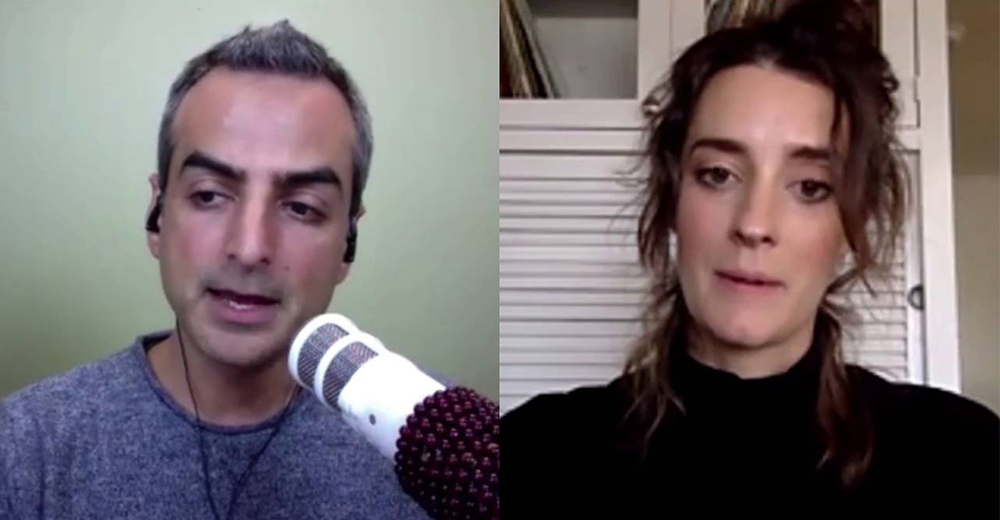
Sometimes Warner is inside the case. He was Zapier’s first customer, paying Wade Foster to connect a Wufoo form with an AWeber mailing list. In their 2016 interview, the tiny automation sits beside a much larger question: how did Zapier move from its first user to a million? The small inconvenience makes the growth story easier to inspect.
One user. His name was Justin.
The courses turn such cases into methods. In Justin Kan’s product-development class, a failed Justin.tv feature does the teaching. The team spent months creating Challenges, where viewers could vote for things someone would perform live. Only one person completed a challenge. It was Justin.
Kan’s proposed remedy is incremental development: investigate customer problems, build a hypothesis, put something in front of customers, then revise. The embarrassing detail gives the method a reason to exist. It is easier to remember one lonely participant than another instruction to listen to users.
- 01Find the problem
- 02Build a hypothesis
- 03Test with customers
- 04Revise. Repeat.
Other classes address other bottlenecks. Teachable founder Ankur Nagpal teaches how to sell an online course around a specific outcome. Sam Parr’s ambassador-program class examines how readers helped grow The Hustle’s mailing list. The expertise is distributed among practitioners, with Warner drawing out what they did.
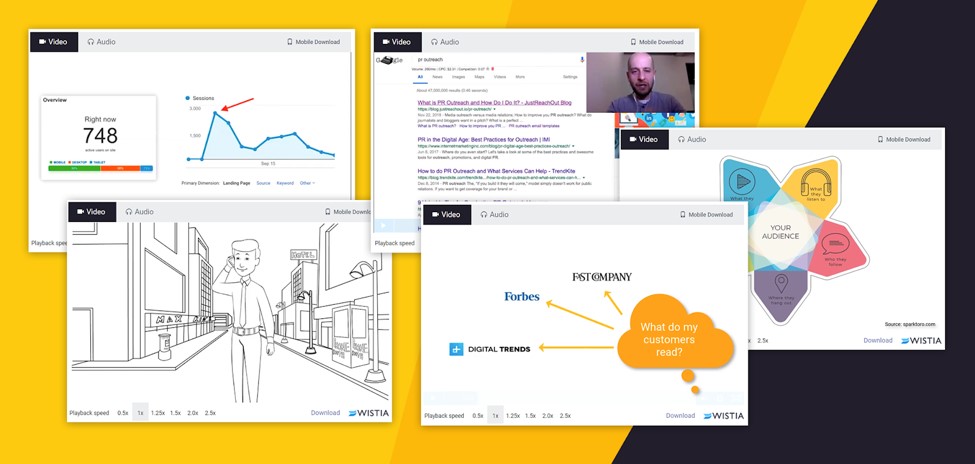
Parr’s class also shows Mixergy experimenting with its own product. Warner hired a video producer, visited the course leader’s office and stepped off camera. The resulting lessons were split into short modules. That matters for someone returning to a particular step after trying it: finding the relevant explanation is part of learning. A recorded conversation and a reusable course can contain similar ideas, but they ask different things of the viewer’s attention. Mixergy sells both formats, giving a busy operator more than one way into a subject.
The price of a better question
Mixergy makes money through Premium subscriptions and sponsorships. Its public offer lists $49 a month or $399 a year; the annual option includes downloads. Twelve monthly payments total $588, making the listed annual price $189 cheaper. Recent interviews provide an entry point, while the paid library adds archive access and courses.
The sponsor directory lists businesses including ActiveCampaign, Toptal and HostGator. They are buying access to an entrepreneurial audience. Mixergy occupies the overlap between business media and professional learning: interviews attract attention; organised instruction gives that attention a paid destination.
That space has alternatives. Y Combinator’s Startup School offers free startup instruction and tools for early founders. Foundr sells practitioner-led courses. Mixergy’s distinguishing feature is the accumulation of founder cases under one questioning host. Its appeal depends on whether a useful case is more valuable to you than a prescribed curriculum.
Even the interviewer needs an edit
Mixergy’s own account of production describes a largely remote team building pre-interview routines to protect quality. The routines multiplied. Eventually, checklists began consuming the energy they were supposed to preserve. Monthly systems calls helped the team reconsider which steps actually improved the work.
“I wasn’t building a company, I was building a glorified job for myself.”
Andrew Warner, on Mixergy’s systems
The subject matter keeps moving. In May 2026, Warner questioned Polsia founder Ben Cera about skeptics’ objections to an AI-run company. Eric Ries followed with a conversation about AI businesses and durable company design. The homepage numbered the Ries interview #2,307. The archive grows; the need to examine a founder’s account persists.
Bring a problem, leave with a test
A sensible way to use Mixergy is to write down one decision before opening it. Find two relevant cases. Note the action, its cost and the conditions that made it possible. Choose a small experiment and decide what result would persuade you to stop. This is an editorial suggestion, rather than a promise from the company.
An old marketing tactic may depend on a platform that has changed. A guest’s resources may exceed yours. A compelling anecdote supplies a hypothesis, not evidence that your customers will behave identically. Warner’s invitation software offers the appropriate reminder: even an experienced founder can spend a great deal making something the business does not need.