customer-acquisition
(48)
Mixergy: Ask what went wrong.
Andrew Warner spent hundreds of thousands of dollars building the wrong thing. Mixergy became useful when he started asking other founders how they had done it.

Perpetual Traffic: Stop rewarding the last click
An ad can introduce the customer and still get none of the credit. Perpetual Traffic turns that awkward truth into a working education in how businesses buy attention, measure sales, and decide what to try next.
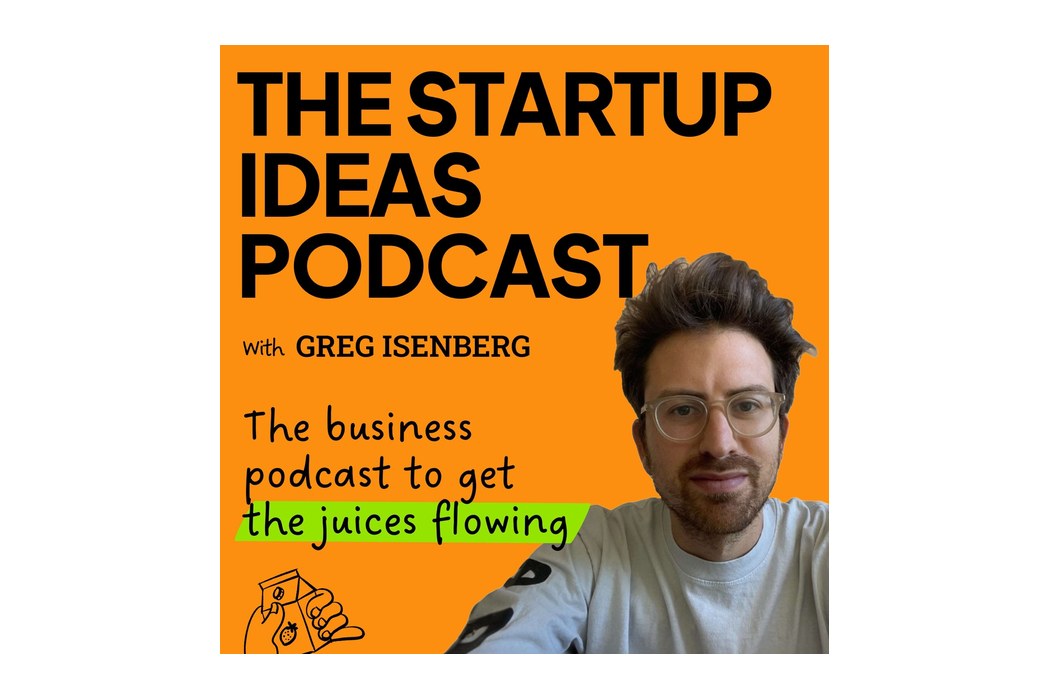
Good ideas deserve a test drive.
The Startup Ideas Podcast turns business brainstorming into something you can watch, question, and try. Greg Isenberg’s real subject is the distance between an interesting idea and a paying customer.

SaaS Club asks the expensive questions.
Omer Khan has spent twelve years asking software founders what actually worked. SaaS Club turns their wrong turns, first sales and uncomfortable decisions into something the next founder can use.

BRIIA gives AI founders a map before asking for a stake
A San Ramon accelerator turns startup building into a sequence of measurable steps. Its wager: help founders prove the business first, then earn the right to invest.

Snoball spent $250,000 learning to ask less of salespeople
A referral app failed because busy salespeople had another job to do. Snoball’s answer was to take over the follow-up - and put a person behind the automation.

Jobble learned that a shift is only the beginning
The Boston company began by organizing gig work. After events vanished during COVID, it widened its sights - first to essential work, now to finding customers and putting people behind the jobs.
Pie wants your next customer to get an answer
A local business can buy attention and still lose the sale to a ringing phone. Pie is joining advertising, AI search and automated bookings into one unusually practical pitch: bring people in, then pick up.

Localised: The world is your market. The customer is still local.
A foreign brand can be desirable. A foreign shopping experience can be exhausting. Localised builds and runs country-specific stores that let retailers keep their identity while learning the customer’s habits.

ConsumerAffairs sells the power of asking
A complaint can warn the next buyer. A phone call can change the evidence. Inside the review publisher that turned consumer uncertainty into a business for brands.

JumpCrew grew by giving up its first good idea
The Nashville company traded social media management for the harder business of turning interest into sales. Its lesson: the handoff between marketing and sales deserves a business of its own.

Adteractive and the Price of Free
Adteractive turned online attention into customers for advertisers. Its history exposes the awkward distance between a lead that can be counted and a customer who actually wants to be there.

The Party Was Never the Product
Interluxe began by putting luxury customers in remarkable rooms. Then it built a company around the harder question: what happens after everyone goes home?

Streamline Connections Bet the Sale on a Human Conversation
While advertising chased clicks, this small Southern California firm kept betting on eye contact. Its public record reveals a hands-on customer-acquisition shop where campaigns, sales training and telecom enrollment meet.

Parcon Put a Marketing Department Behind the Fractional CMO
The Orange County firm has a tidy answer to fragmented marketing: pair a virtual CMO with the people who buy the ads, make the content, shape the message and fix the path to purchase.

Next Step knows when fewer leads are better
A behavioral design agency finds growth in the details companies overlook: the wrong prospect, the intimidating message, the feature nobody asked for.

RB Marketing puts a person between a cause and a crowd
The Pleasanton marketing company recruits people to bring nonprofit campaigns into the community. Its most revealing detail is what happens after the conversation: someone has to record the result.

SmartUp Academy Wants Your First Customer Before Your Finished Product
ZoomInfo co-founder Yonatan Stern teaches entrepreneurs to sell early, spend carefully and build for profit. At SmartUp Academy, the classroom can lead to a lasting co-founder partnership.
IWCO's $50 Million Bet on a Smarter Mailbox
The direct-mail company put digital presses, audience data, and postal economics into the same business. Its story shows why a better letter needs more than better copy.

Upstream Finds the Sale After the Click
The mobile marketing company turns operator channels, fraud checks and well-timed messages into customer acquisitions. Its most revealing work happens where an ordinary advertising campaign would stop.

Evyatar Sagie Turned Search Discipline Into a Cybersecurity Growth Playbook
Before he marketed an AI-native security platform, Evyatar Sagie learned growth one query, campaign and conversion at a time. His career explains why Guardz speaks to MSPs in the language of useful outcomes rather than cyber theater.

John O'Reilly and the Quiet Mathematics of Growth
From Irishjobs.com to OppFi's public listing and NinjaTrader's $1.5 billion combination with Kraken, O'Reilly has kept returning to the same question: can growth be measured, diversified and made useful to the customer?

Anne Ghaltchi Keeps the Machines Honest - and the Marketing Human
ZeroBounce's CMO built her career on paid-search precision, creative pivots and one durable suspicion: automation is useful, but somebody still has to check the work.

The Marketing Operator Trying to Make Business-Building Feel Calmer
Zachary Rippstein spent two decades learning how intent becomes action. At ZenBusiness, he is applying that lesson to a harder conversion: turning an aspiring entrepreneur’s uncertainty into a workable next step.

Steve Rafferty Built a Company Around the Internet's Least Glamorous Question
For more than two decades, the ActiveProspect founder has turned consent, provenance, and lead quality into working software. His wager is disarmingly practical: better marketing begins by respecting the person at the other end of the form.

Meghann O'Hara Fraser Wants Marketing to Prove It Worked
From global brand rooms to packed Toronto arenas and now financial services, Meghann O'Hara Fraser has built a career around one stubborn question: did the idea actually change what people did?
The Company That Reverse-Engineered America's Closet
Rob McGovern built a database of what 99% of American shoppers actually like to wear. Now fashion brands rent it to stop wasting ad money on people who were never going to buy.

Rachel Eaton Built a Marketing Machine, One Measured Lead at a Time
She started in a community information center and learned the business close to the customer. Two decades later, Rachel Eaton still treats marketing as an operating system - measured, repeatable and built to move buyers forward.

The Call Center That Wants to Know More Than the Call
Avantive Solutions runs the conversations large brands cannot afford to mishandle - then turns those calls, chats and signals into data for the next one. Its wager is that the useful contact center is neither fully human nor fully automated, but measured in real time.
King Kong Put Its Money Where the Marketing Metrics Are
The Melbourne agency built its pitch around a nerve-rattling promise: improve a qualified client’s results by 30 percent within 90 days, or keep working for free. Behind the swagger is a tightly engineered business of funnels, media buying, conversion work and sales education.