technology-transfer
(29)
Le Poool Built a 580-Member Machine to Keep Breton Startups From Stalling
Rennes and Saint-Malo do not leave startup support to chance. Their nonprofit operator mixes public money, founder coaching, field trials and a very large address book - then admits the hard part begins after a company finds its market.
Ticino Built a Front Door for Innovation - and Put a Technopark Behind It
The Canton of Ticino did not build another startup club. It built a triage desk, an accelerator, an investor bridge and a 90%-occupied technopark - then asked a small foundation to make the pieces behave like one system.
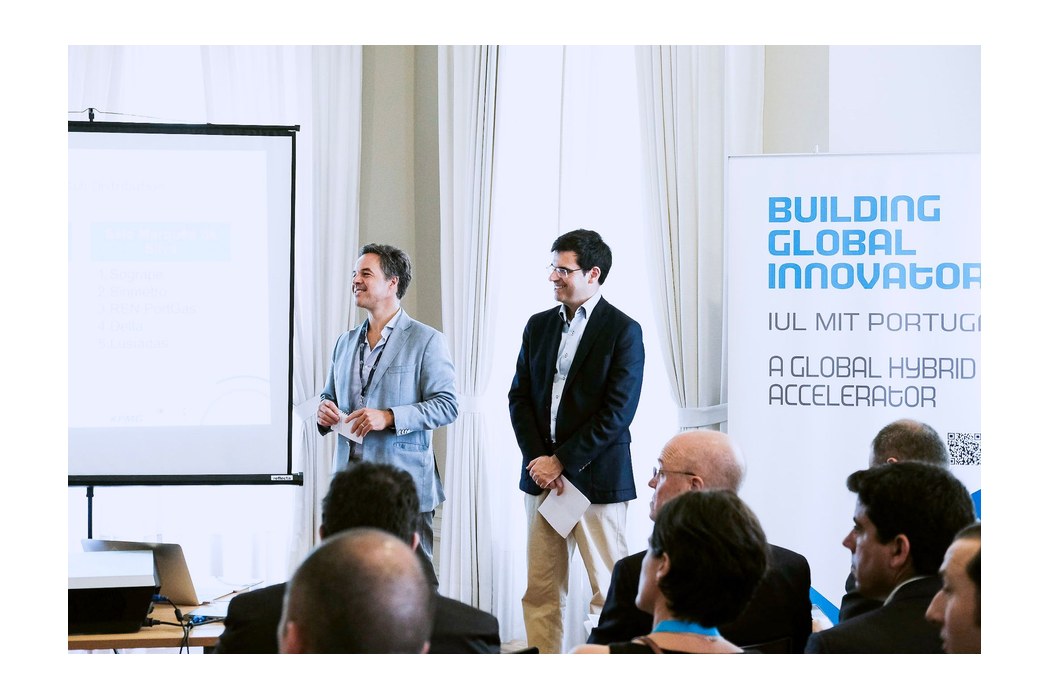
BGI Built a Bridge From the Lab to the Market - Then Put It in a Greenhouse
The Lisbon accelerator began by exporting ambitious founders to Boston. Fifteen years later, it is putting science through a tougher test: will it survive contact with farms, cities, customers and capital?
Biocat Wants Catalonia’s Health Inventions to Leave the Waiting Room
Catalonia can produce the science. Getting it into everyday care is another job. Biocat is building the connections, training and routes into the health system that make that journey possible.
PoliHub asks the €40,000 question: who will buy your science?
At Milan’s university-born accelerator, research meets the awkward business of finding customers. Its next chapter, inside Tech Europe Foundation, raises the stakes for turning laboratory promise into working companies.
digihub’s €25,000 Push Toward a Paying Customer
Düsseldorf’s publicly backed startup matchmaker is sharpening its focus on GreenTech. Its offer combines eight months of support, zero equity taken and access to the companies founders need to win over.
The Invention Is in a Federal Lab. FedTech Finds the Founder.
FedTech builds businesses around publicly funded research without taking founder equity. Its real product is the difficult work between a promising patent and a customer willing to pay.

Purdue has the patents. Now comes the hard part.
Purdue Innovates connects university inventions with licenses, founders and capital. Its most revealing work happens when a promising idea meets an inconvenient customer.
Erciyes Teknopark Starts Before the Startup
In Kayseri, a university-linked technology park helps founders find an idea, build a prototype and meet investors. Its most revealing feature is how much work happens before there is a company to rent an office.
Zagreb Has a Workshop for Startups. The City Helps Pay the Bill.
At ZICER, founders can move from a subsidized office to a prototype, a pitch and a shot at public funding. The revealing detail is how much of the machinery sits under one roof.
Science & Startups wants your research to pay its own way
Berlin’s university startup service offers founders free advice, lab access and a route to equity-free funding. The harder assignment is teaching a good experiment to become a business.
Trentino Sviluppo Gives Old Factories a New Job
In northern Italy, a publicly owned company puts workshops, research and business coaching under one roof. Its bet: the next industrial chapter needs somewhere to build.
Agoranov gives science a room to become a business
Before Doctolib and Dataiku became familiar names, they passed through a Paris incubator with laboratories, patient advisers and no appetite for their equity. Agoranov’s next test is making more room for the companies that outgrow it.
SMART GREEN gets climate tech closer to its first customer
The Freiburg startup hub connects researchers, founders, investors and industrial buyers. Its most useful offering may be a chance to prove that a clever technology belongs in somebody’s business.
FONGIT Takes Care of the Company Behind the Invention
The Geneva nonprofit pairs technical founders with business help, workspace and financing. Its history with Proton shows why the work between a promising idea and a working company matters.
Córdoba Has a Deal for Startups: Bring an Investor
Agencia Córdoba Innovar y Emprender puts public money beside private conviction. Its programs connect startup finance, university research and the unglamorous business of getting useful technology into companies.
Plug and Play Europe gets startups through the corporate door
From Porsche's pilot projects to a new accelerator in Cyprus, Plug and Play sells access to the people who can put startup technology to work. The revealing number is how much makes it beyond the demo.

La French Tech Paris-Saclay Knows Who You Need to Meet
A quantum physicist, a startup founder and a public-service expert have reasons to be in the same room. La French Tech Paris-Saclay makes the introductions - with free appointments, shared facilities and a founder network built around deep tech.

Area Science Park puts a laboratory in the startup cheque
In Trieste, a public research organisation pairs funding with access to microscopes, genomics and computing. Its bet: give difficult ideas the equipment and expertise to prove themselves.
BIC Plzeň puts a business plan to work
In a Czech industrial city, BIC Plzeň connects founders with grant money, research labs and people who know how to sell. Its most revealing work happens between the bright idea and the first useful test.
Triathlon puts university research to work
At Saarland University, a startup can begin with a laser experiment or a round of speed dating. Triathlon connects the people, patents and practical help needed to turn either into a business.
Wadi Makkah wants university ideas to earn their keep
Owned by Umm Al-Qura University, Wadi Makkah turns research, educational know-how and campus assets into commercial ventures. Its most revealing market is close to home: the businesses serving Hajj and Umrah.
Castres-Mazamet Technopole gets down to the business of first customers
A lamp, a wool-washing venture and a vehicle between a bicycle and a car: this French technopole helps unusual ideas face the ordinary tests of a business. Its offer combines patient preparation, industrial contacts and a reason to build locally.

Connect wants Bogotá’s next big idea to find a buyer
The Colombian nonprofit brings universities, companies and entrepreneurs into the same room. Its real test comes afterward: turning introductions into technologies that businesses will actually use.

Órbi began with a bank account. Now it’s betting on a whole neighborhood.
A startup community, a bank, a builder and a car-rental company gave Belo Horizonte a place to meet. Órbi’s next act brings research, executive education and the streets of Lagoinha into the same conversation.
Challenger Accelerator’s Real Test: Can You Find a Customer?
The Civitta-backed accelerator connects founders with mentors, corporate buyers and investors. Its equity-free offer is the invitation; the work begins when a promising product has to become a business.

The University That Had to Fire Its First Idea to Build Toronto's Research Machine
U of T began as an Anglican college that took 16 years to open and lasted only seven years in the classroom. Its secular reboot became a three-campus platform serving 103,140 students - and a case study in how institutions turn breadth into an advantage without pretending complexity is free.

The Quiet Fund That Turned Tennessee Into a Startup State
For more than a decade, a small Nashville nonprofit has been doing the unglamorous work of turning Tennessee ideas into fundable companies. Here is how LaunchTN built a statewide engine out of capital, connections, and commercialization.

yet2
yet2 is an open innovation and technology scouting firm that helps large corporations find external technologies, partners, and ideas to accelerate their R&D pipelines. Since 1999 it has run an online technology marketplace and a hands-on consulting practice that scouts, vets, negotiates, and closes technology deals across industries from chemicals and consumer health to aerospace and electronics. With offices in North America, Europe, and Asia, yet2 connects its corporate clients to a global network of innovators and a database of millions of technologies and unmet needs.