mit
(366)
Josh Santos and the Education of a Carbon Founder
He helped scale electric vehicles, then co-founded Noya to pull carbon from the air. After the company wound down, Josh Santos took its hard-earned lessons to London, where he now helps scientists become founders.
Sasha King and the Business Card at the Next Table
An overheard phone call brought Sasha King a prospective customer. Years of wrestling with payment paperwork had already given her a company to build.
Jeffrey L. Cleland and the Art of Starting Again
A chemical engineer by training, Jeffrey L. Cleland has spent his career turning research into companies. His route runs from Genentech to a public offering, then back to the familiar business of building something new.
Sarah Slaughter and the art of the dress rehearsal
Before a building goes up, Sarah Slaughter wants to know what could go wrong. The founder and original CEO of MOCA Systems has spent her career bringing construction, research, and community resilience into the same conversation.
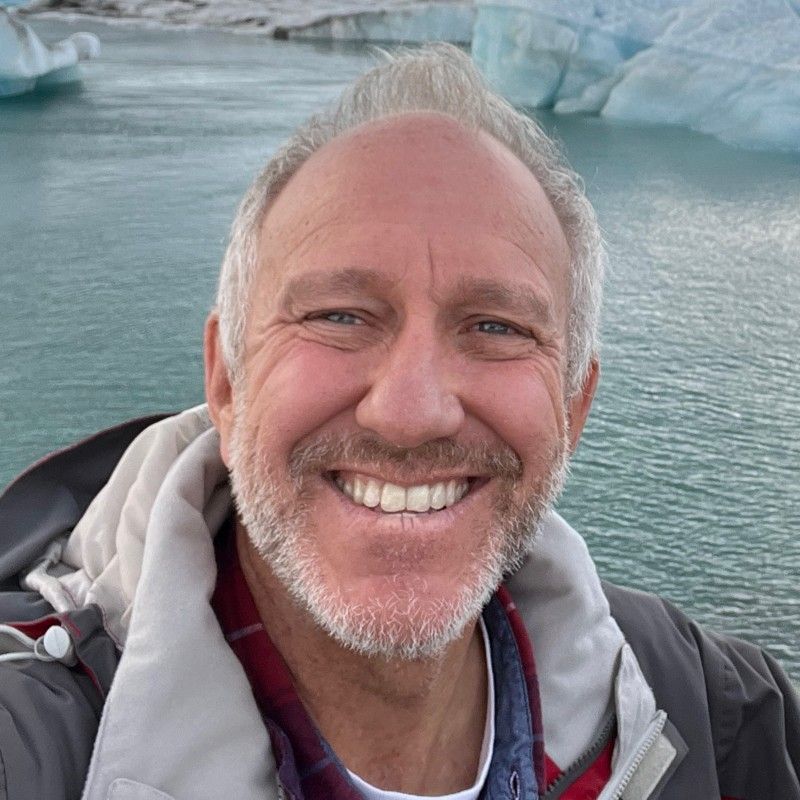
Mark LaRow and the trouble with a simple answer
For decades, Mark LaRow has worked on getting useful answers out of unruly data. His route from MIT to MicroStrategy and Verato passes through a surprisingly persistent question: can the software make sense of the person using it?

What Happens to the Pictures That Don’t Make the Paper?
Caitlin Vander Weele began by giving overlooked laboratory images a second life. The founder of Stellate Communications has been finding audiences for science ever since.
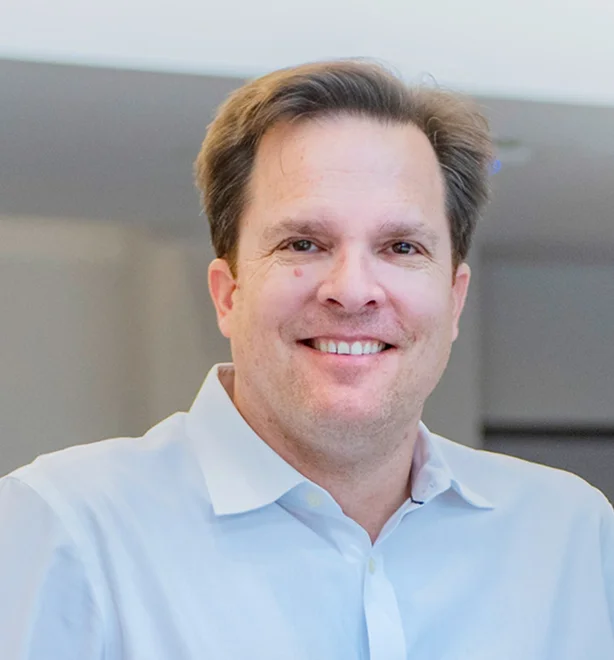
Richard Batycky and the art of starting again
Before he became Nocion’s CEO, Richard Batycky taught fluid mechanics, helped build a startup, and co-founded a company sold for $525 million. His career follows the work through a succession of new beginnings.
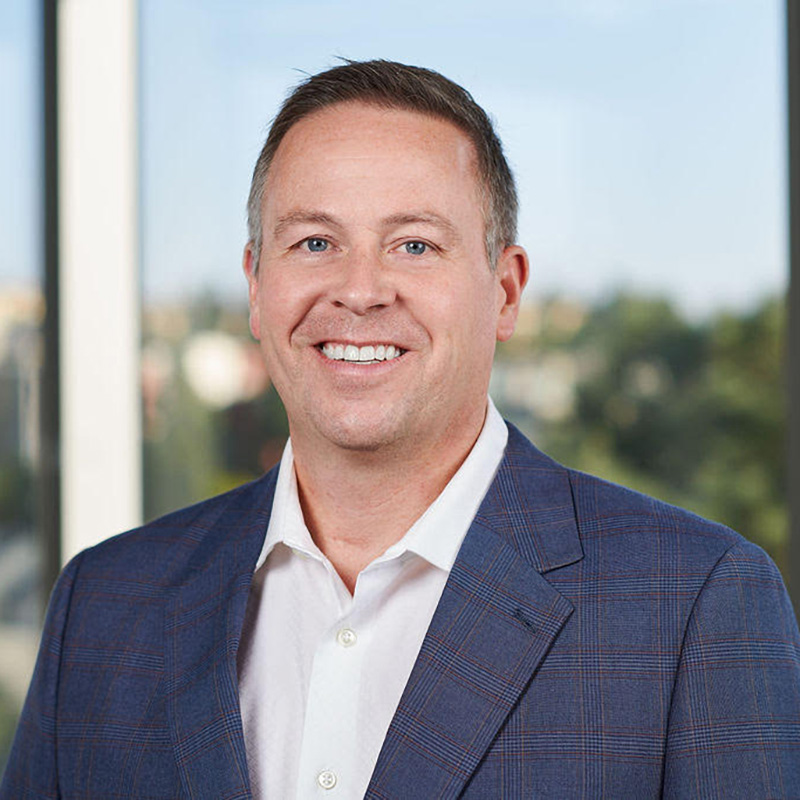
Doug Winter and the business inside a three-ring binder
A mismatched pitchbook helped give Seismic its purpose. Doug Winter spent fifteen years building the company around that problem, then handed over the CEO role with a lesson about keeping people close.
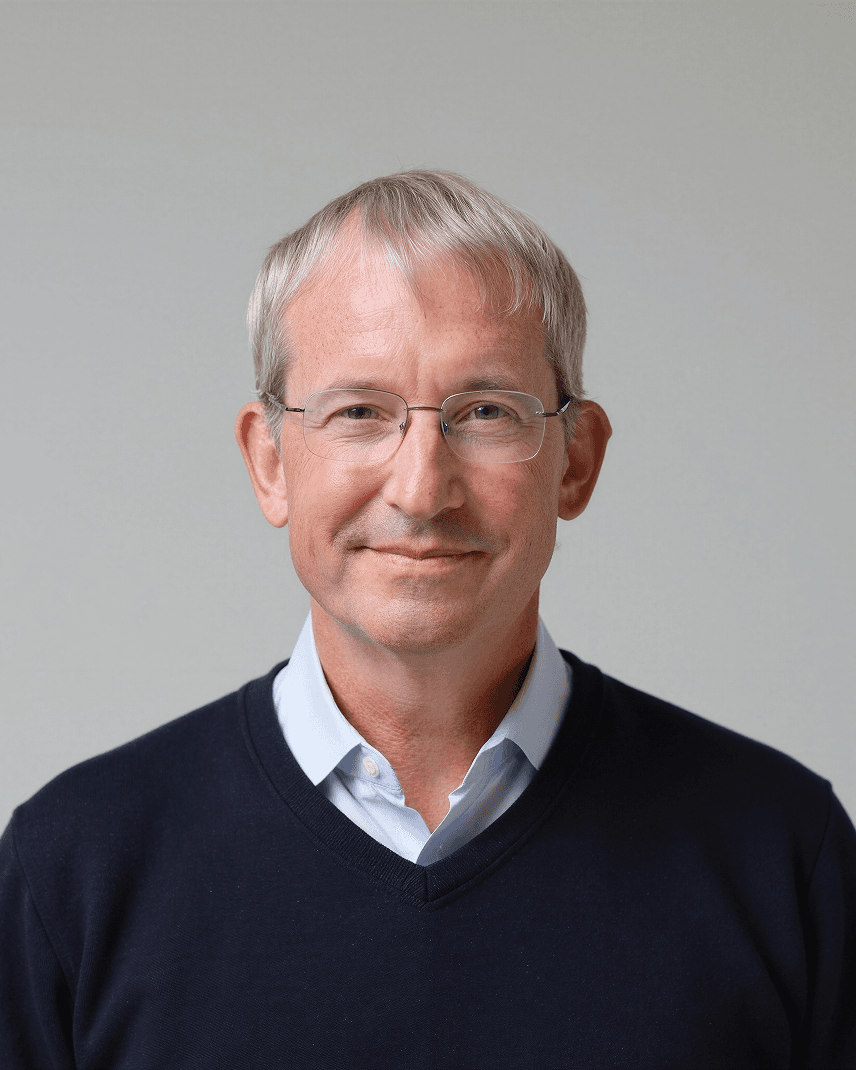
Colin Angle’s unfinished business with the living room
He helped put the Roomba in millions of homes. With Familiar Machines & Magic, Colin Angle is returning to an older ambition: a robot people want around for its company.
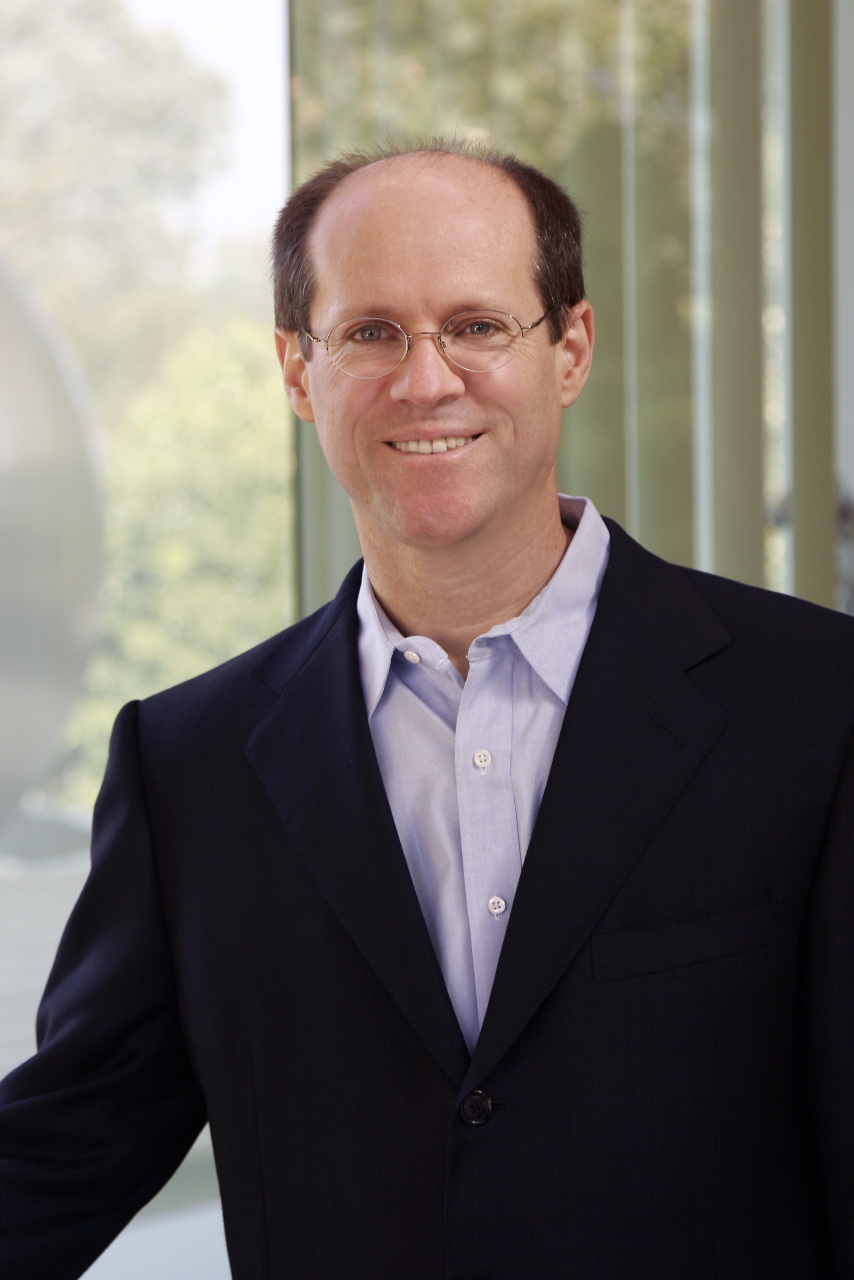
Steve Kirsch and the trouble with a better mouse
From an optical mouse to Infoseek and Token.io, Steve Kirsch kept finding systems that annoyed him enough to start a company. Getting the invention right was only part of the job.
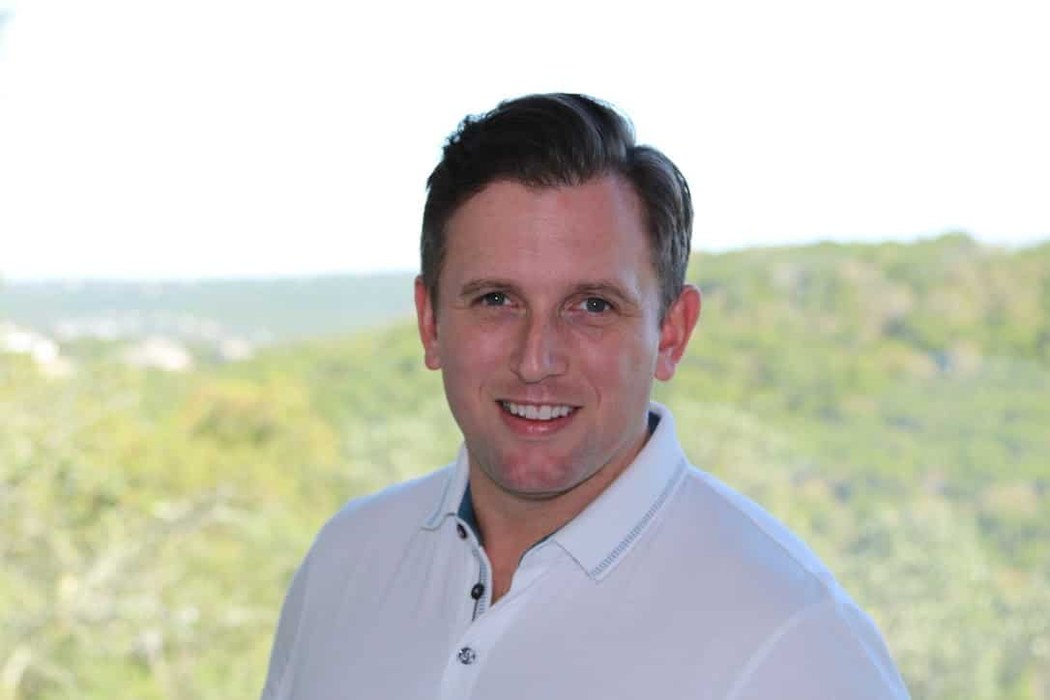
Greg Price and the trouble with knowing where everything is
At McKinsey, Greg Price saw companies with money, talent and surprisingly little idea where their freight was. Ten years into Shipwell, he is still working on what happens between knowing about a problem and getting it fixed.
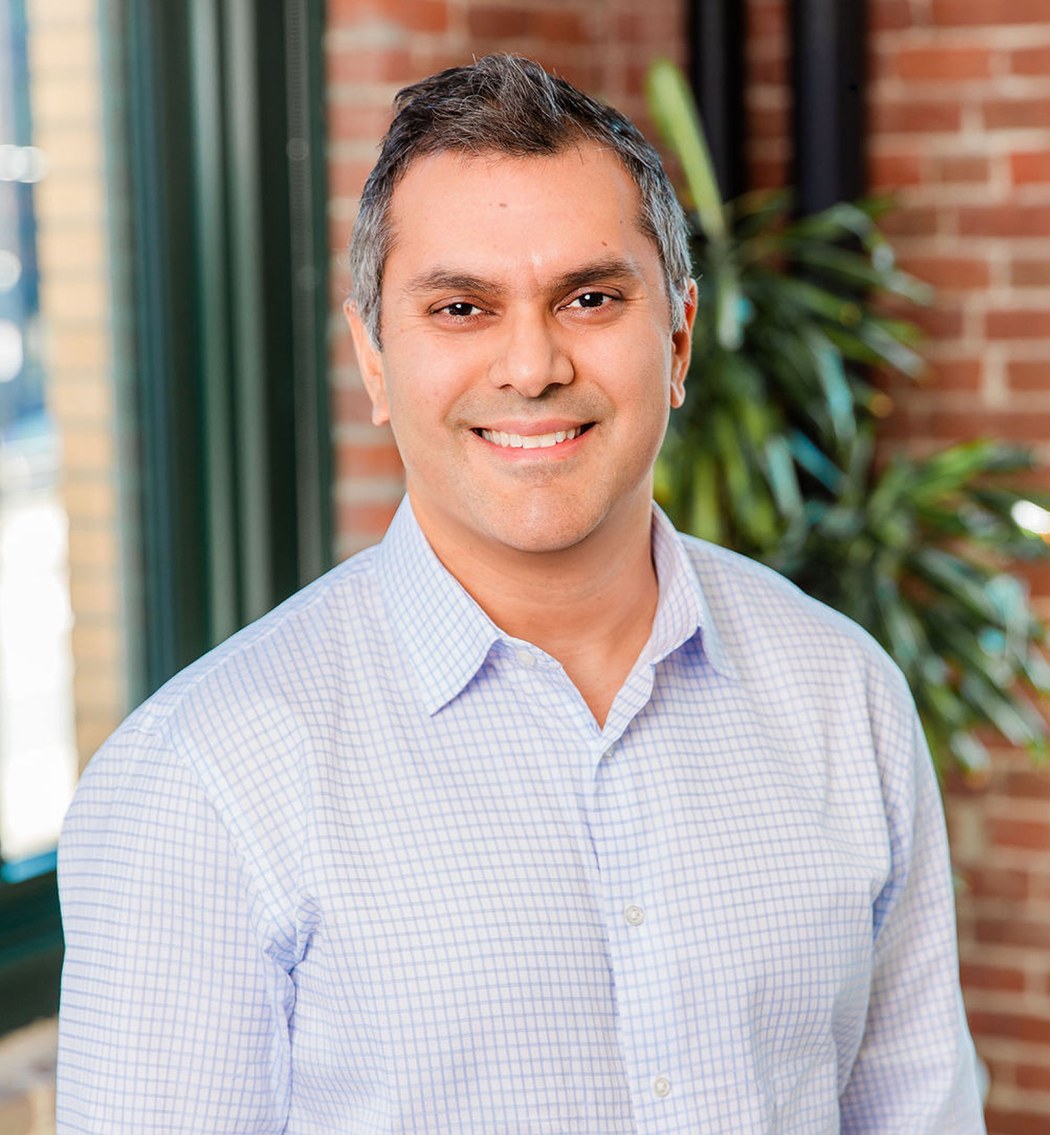
Aman Narang and the trouble with a simple idea
He wanted to make paying for dinner less tedious. Building Toast meant taking responsibility for almost everything that happened before the bill.
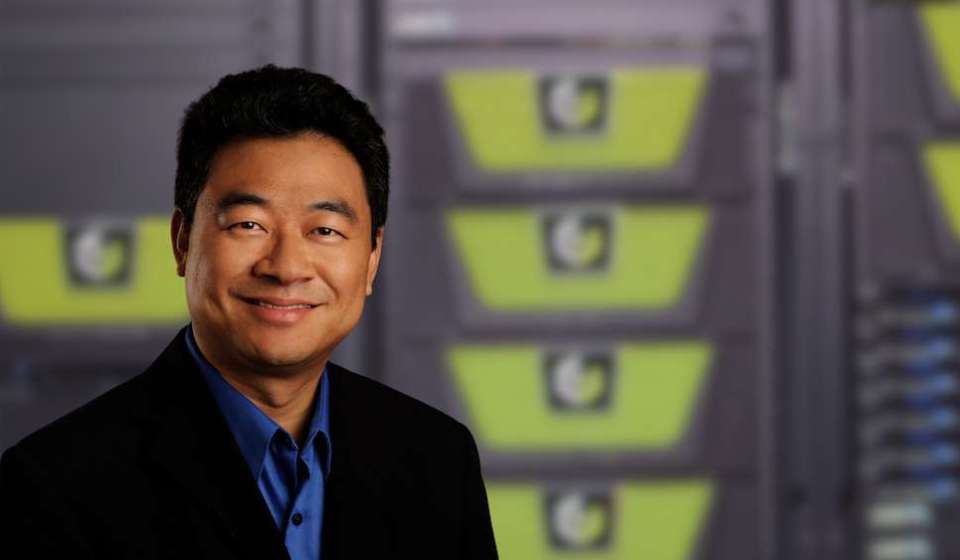
Michael Tso and the Weight of the Cloud
A career that began with ringtones and mobile messages led Michael Tso to a stubborn question: why keep moving the data? At Cloudian, he is building around the answer - and the customers who made the journey possible.
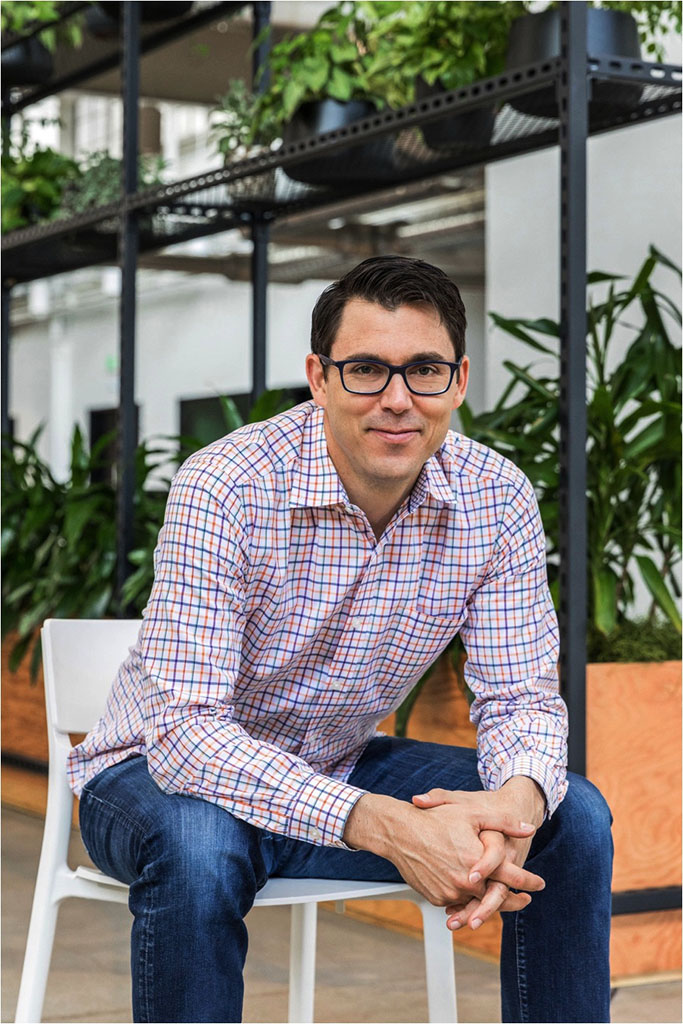
RJ Scaringe and the car he had to leave behind
Before Rivian built electric trucks, RJ Scaringe shelved the sports car he had spent two years developing. The decision explains a great deal about the engineer now trying to put R2 in more driveways.
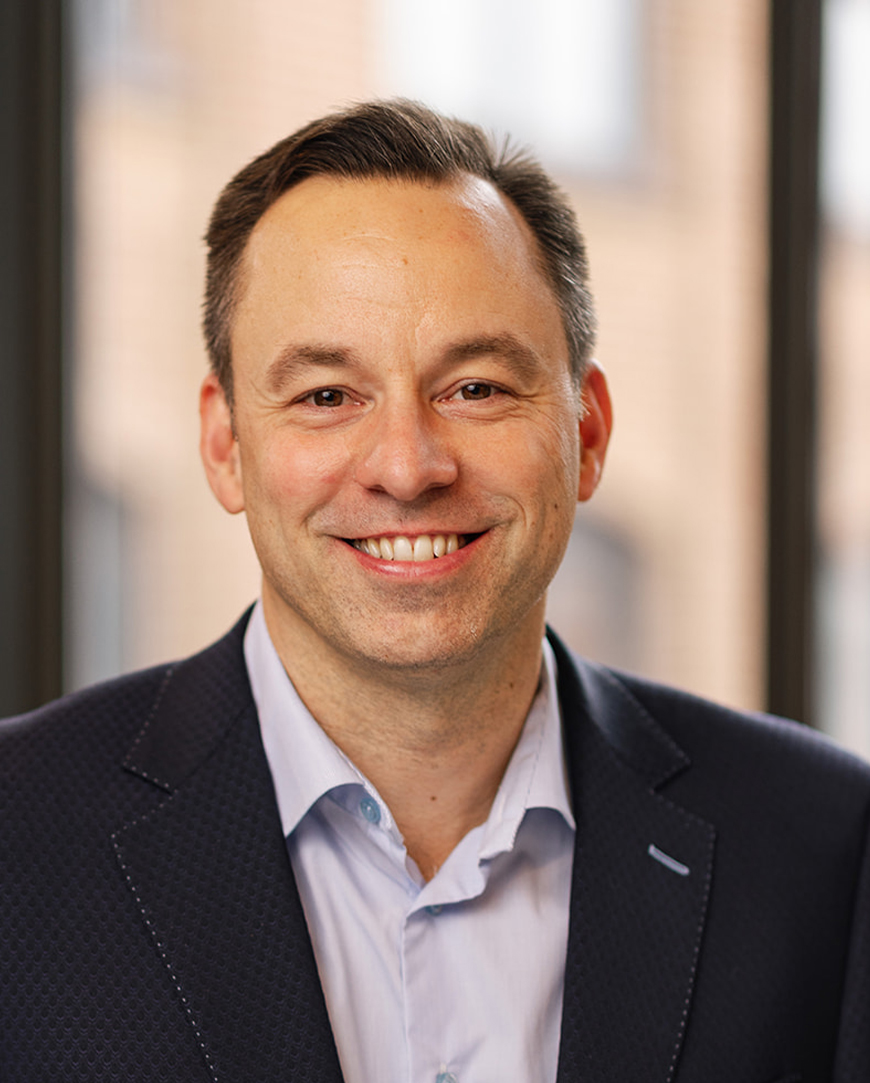
Scott Strazik and the three-year wait for tomorrow
GE Vernova’s CEO learned the power business through finance, sales, and a turnaround. Now he has to turn a growing appetite for electricity into machines that arrive on time.
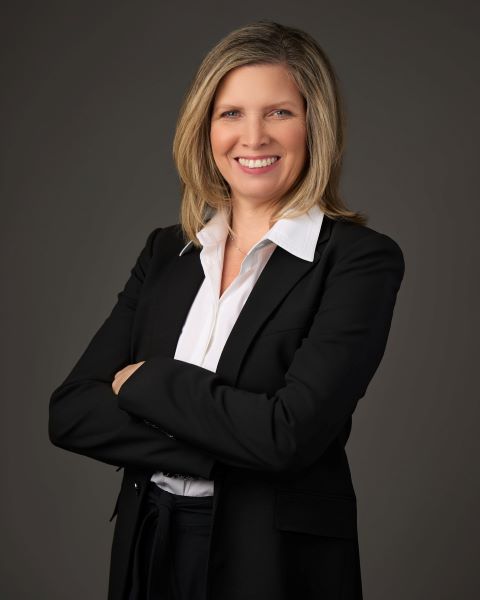
Jennifer Rumsey and the long way home
She left Indiana to work on fuel cells, came back to make engines cleaner, and became the boss. Jennifer Rumsey’s career follows the connections between machines, people and the place she calls home.
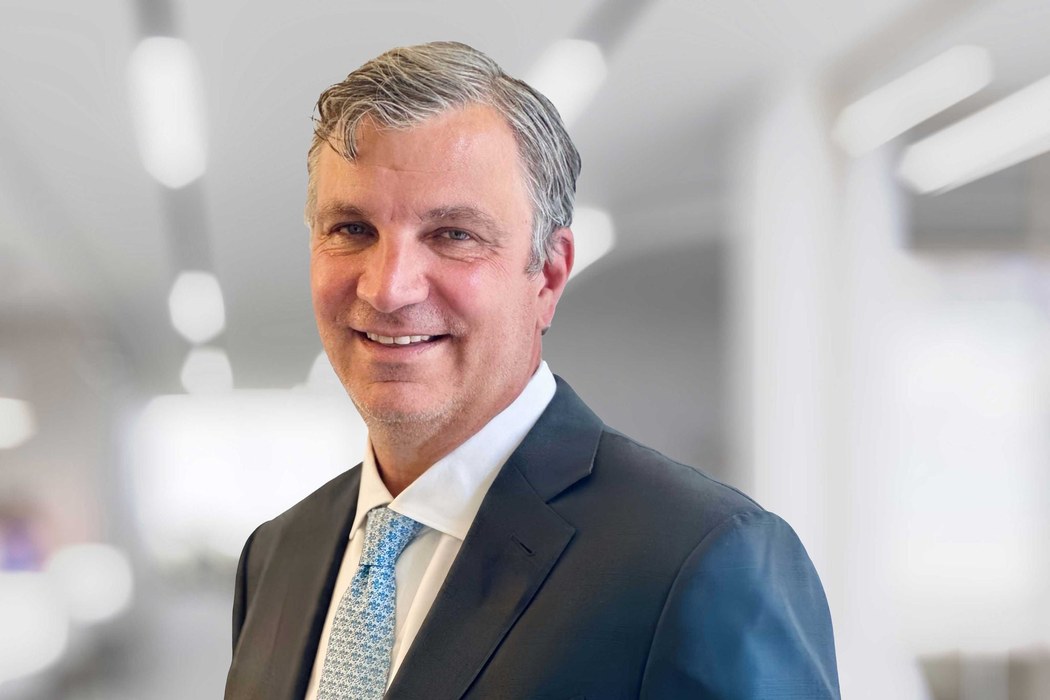
John Oyler’s Eight-Hour Business School
Before he led BeOne Medicines, John Oyler sold rugs and refrigerators to students. A truckload of carpets helps explain the way he builds companies.
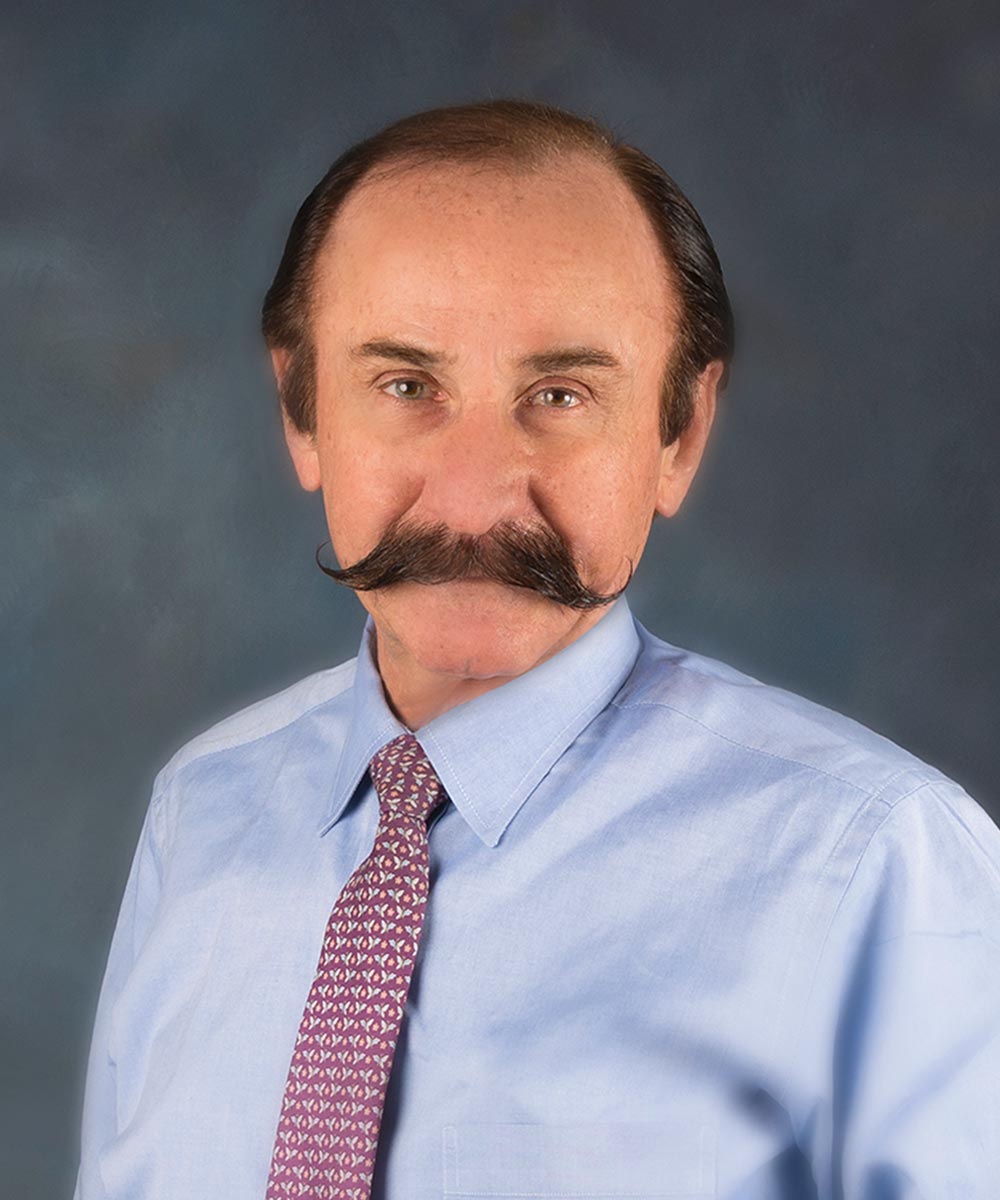
Robert Mehrabian and the art of putting things together
Before he assembled Teledyne’s portfolio of sensing and imaging businesses, Robert Mehrabian built research teams and university laboratories. Across both careers, the interesting work happened where one specialty met another.
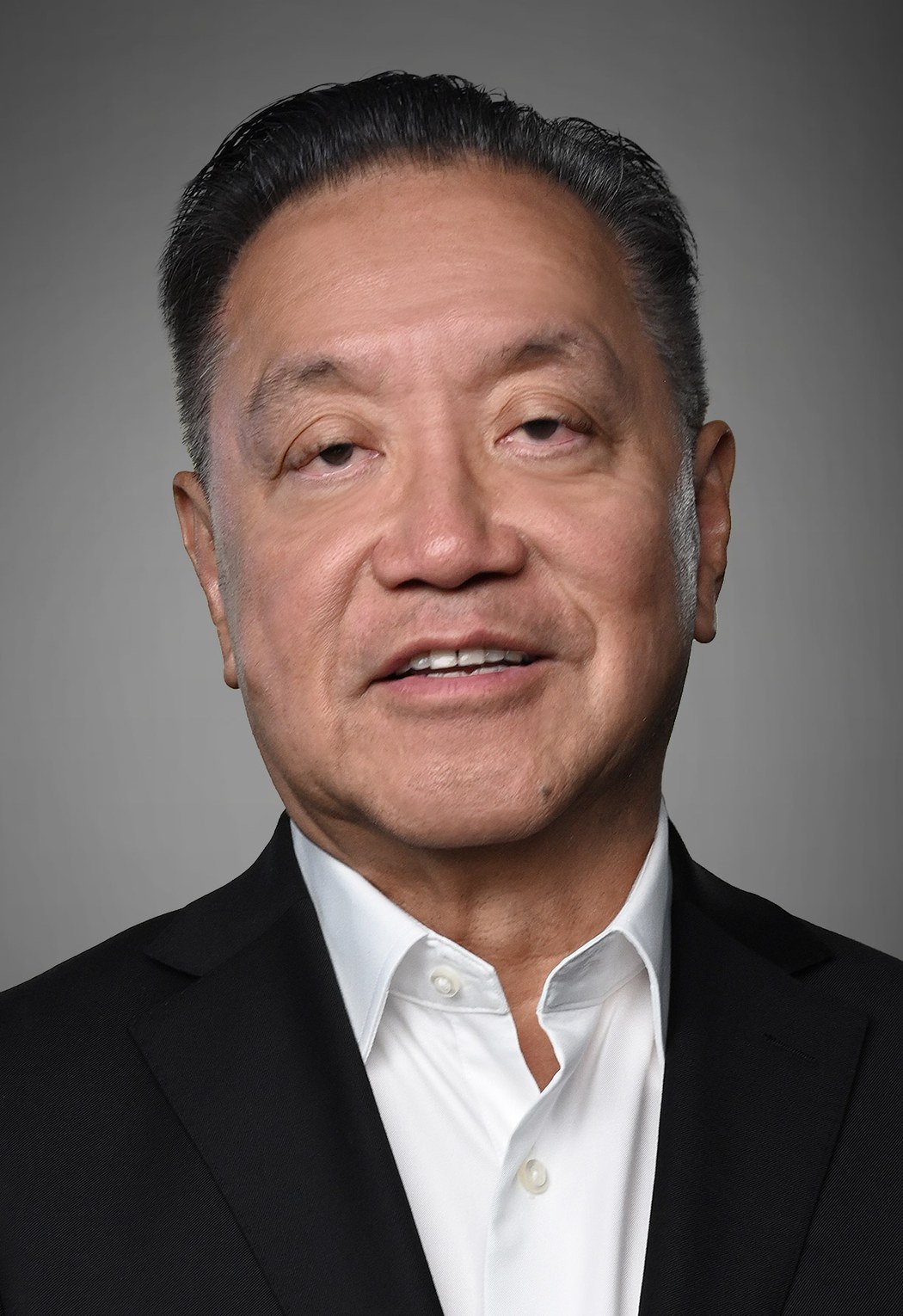
Hock Tan and the art of knowing what to keep
A scholarship took him from Penang to MIT. A career spent weighing technology against its earning power took him to Broadcom - and into the expensive machinery of artificial intelligence.
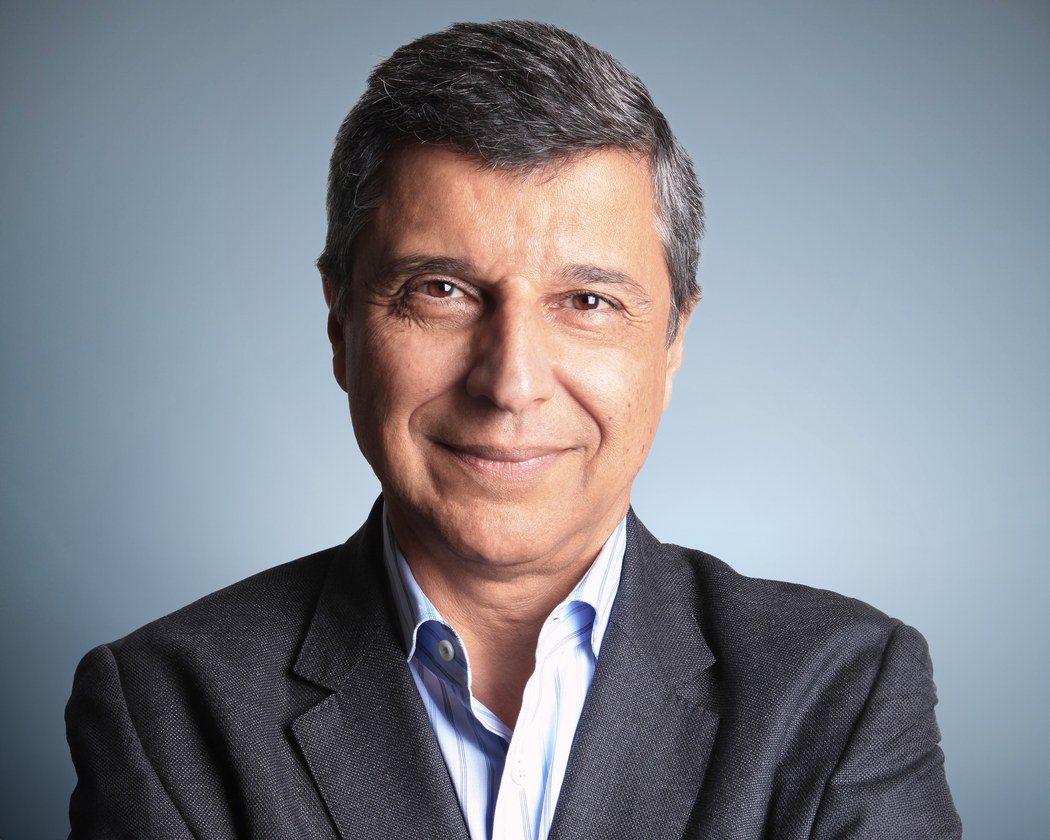
Yousef Javadi and the trouble with being live
Before co-founding LTN, Yousef Javadi spent decades moving voices and data around the world. Television gave him a less forgiving assignment: get the picture there while the moment still matters.
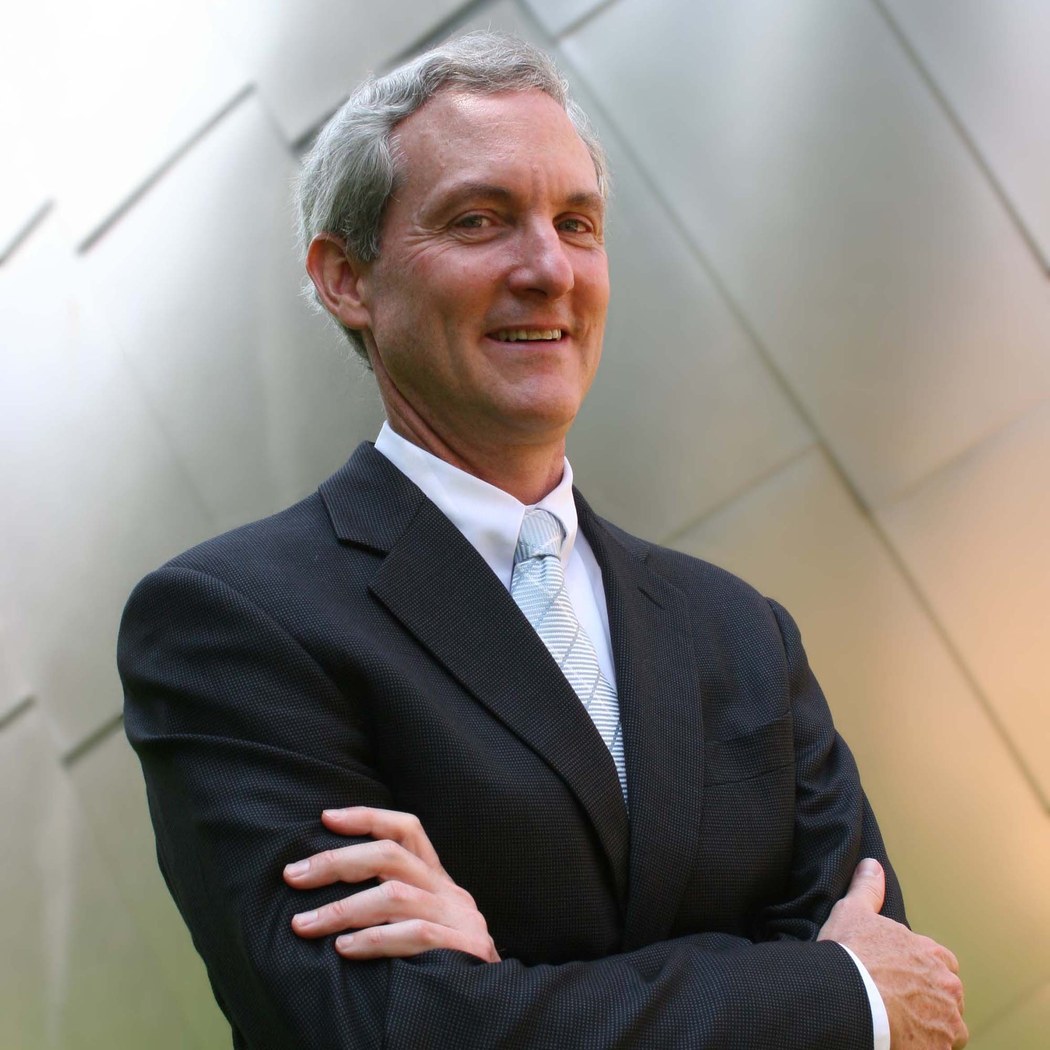
Tom Leighton and the mathematics of getting out of the way
He helped turn an MIT research problem into the network behind everyday internet life. Now Akamai’s co-founder is applying the same habits to cloud computing, cybersecurity, and the demands of AI.
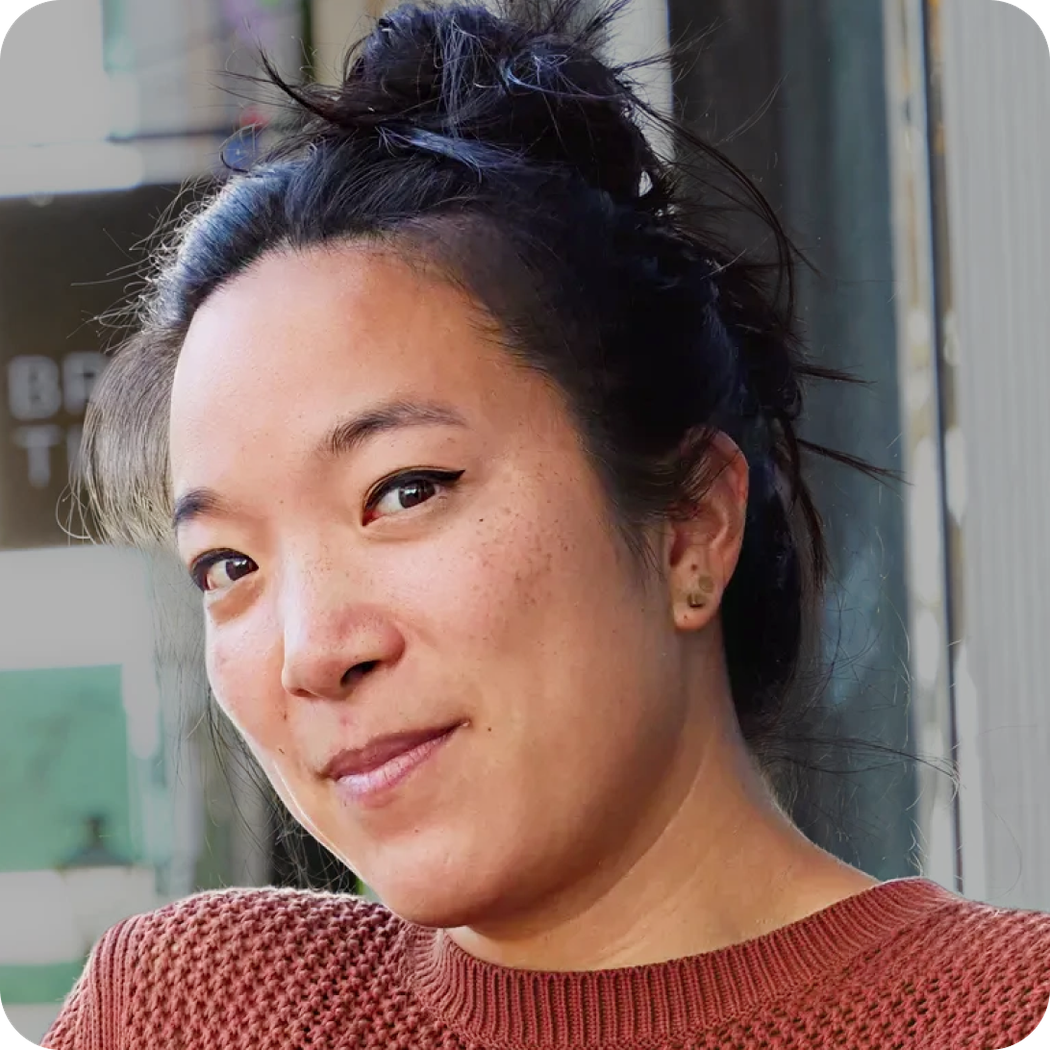
Christine Yen and the Trouble with Knowing in Advance
A Saturday failure helped Christine Yen see what software dashboards were leaving out. At Honeycomb, she has built a career around giving engineers room to ask the next question.
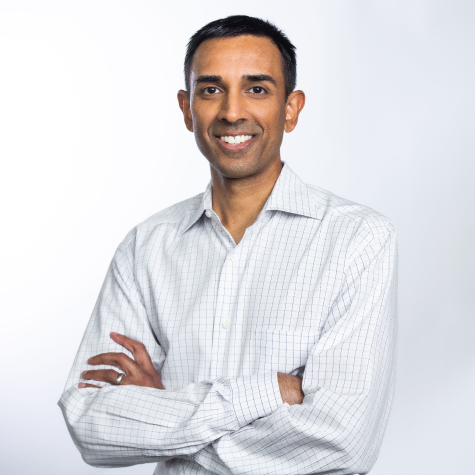
Rajat Bhargava and the question worth asking twice
Before JumpCloud, there was a classroom, a chalkboard and a string of companies. Rajat Bhargava’s career turns on a persistent question: is this problem worth years of your life?
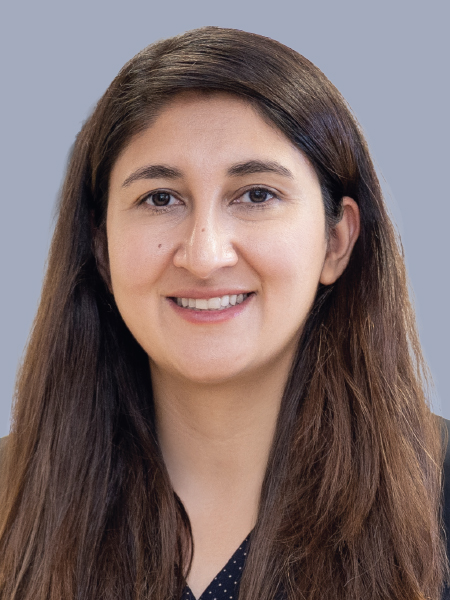
Wardah Inam and the education of an outsider
Before Overjet, Wardah Inam helped design electricity networks that could grow from house to house. Her next education took place in unfamiliar offices, borrowed workspaces, and conversations she could easily have skipped.
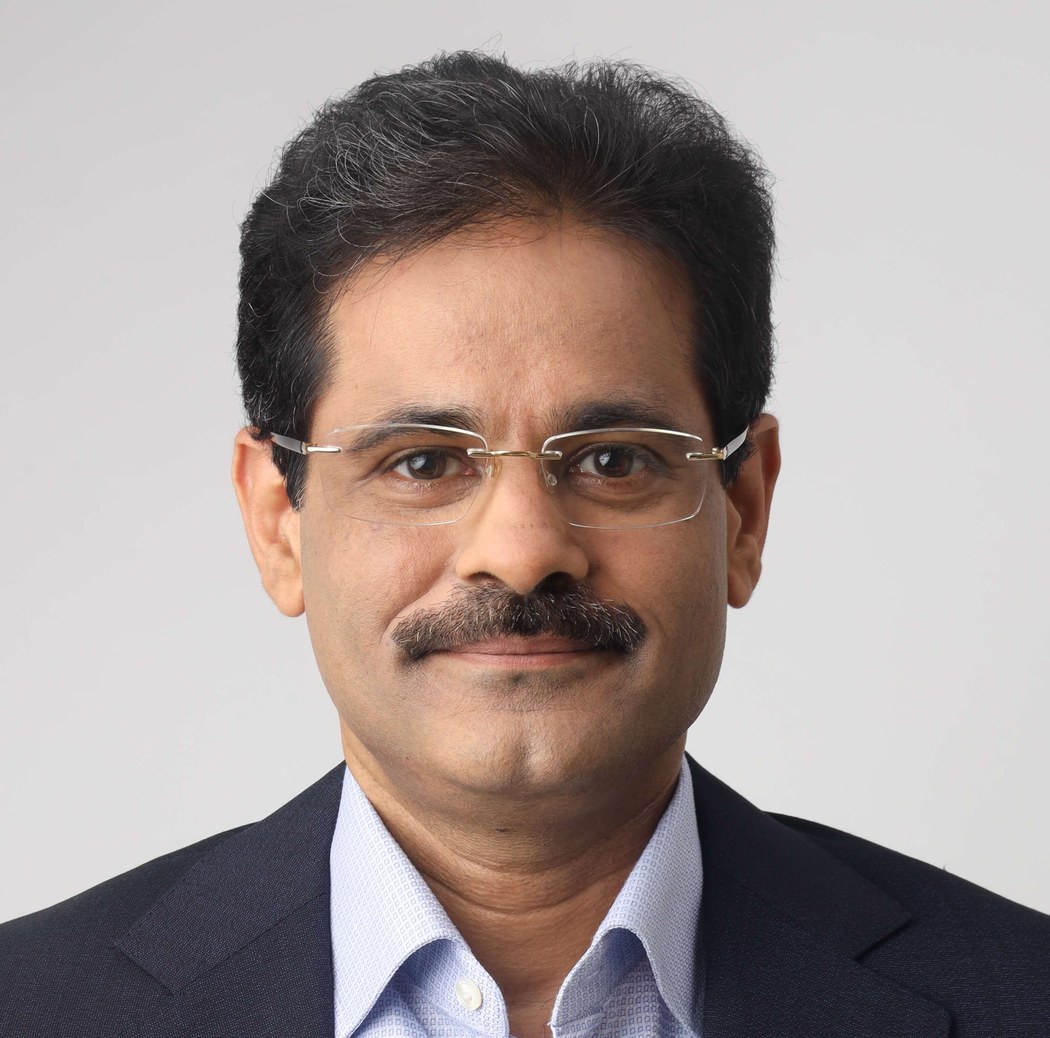
Rizwan Koita and the homework after success
After building two companies, Rizwan Koita returned to IIT Bombay with a course to teach and another problem to work on: helping good organisations reach more people.
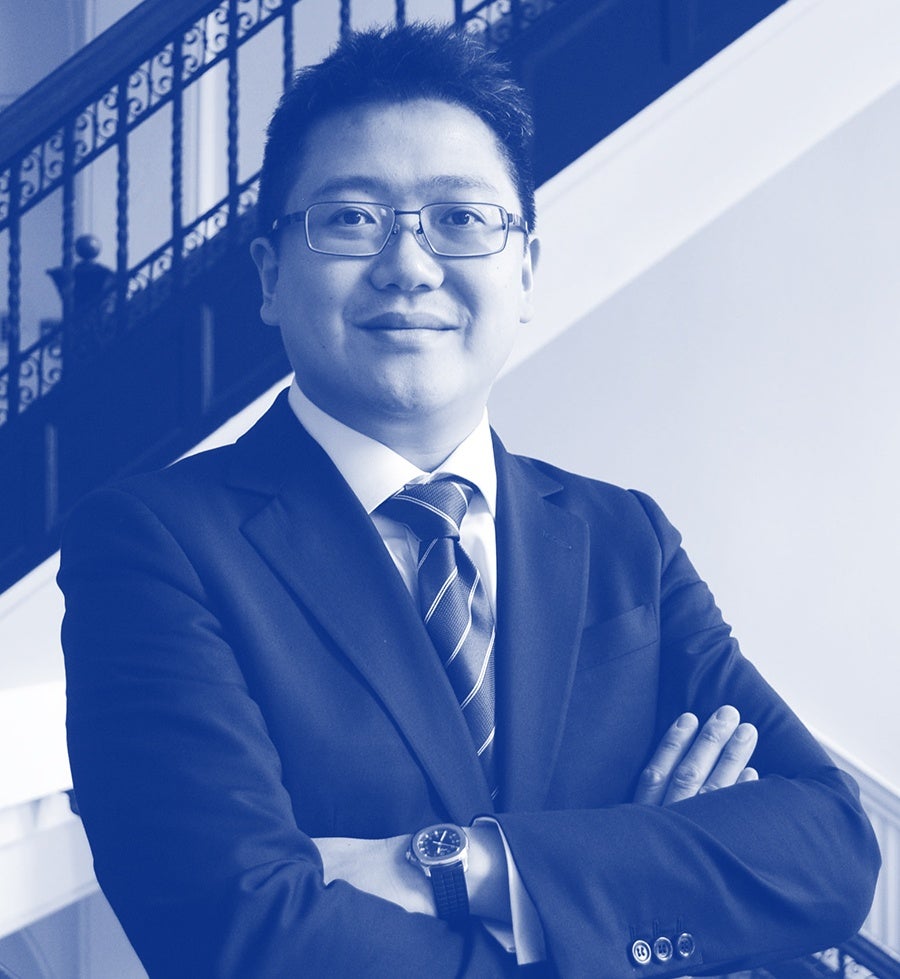
Alexander Shing and the Price of a Parking Space
He once parked cheaply in Boston’s Seaport. Years later, Alexander Shing returned to build there - and made a career out of seeing what a property could become when its financing changed.
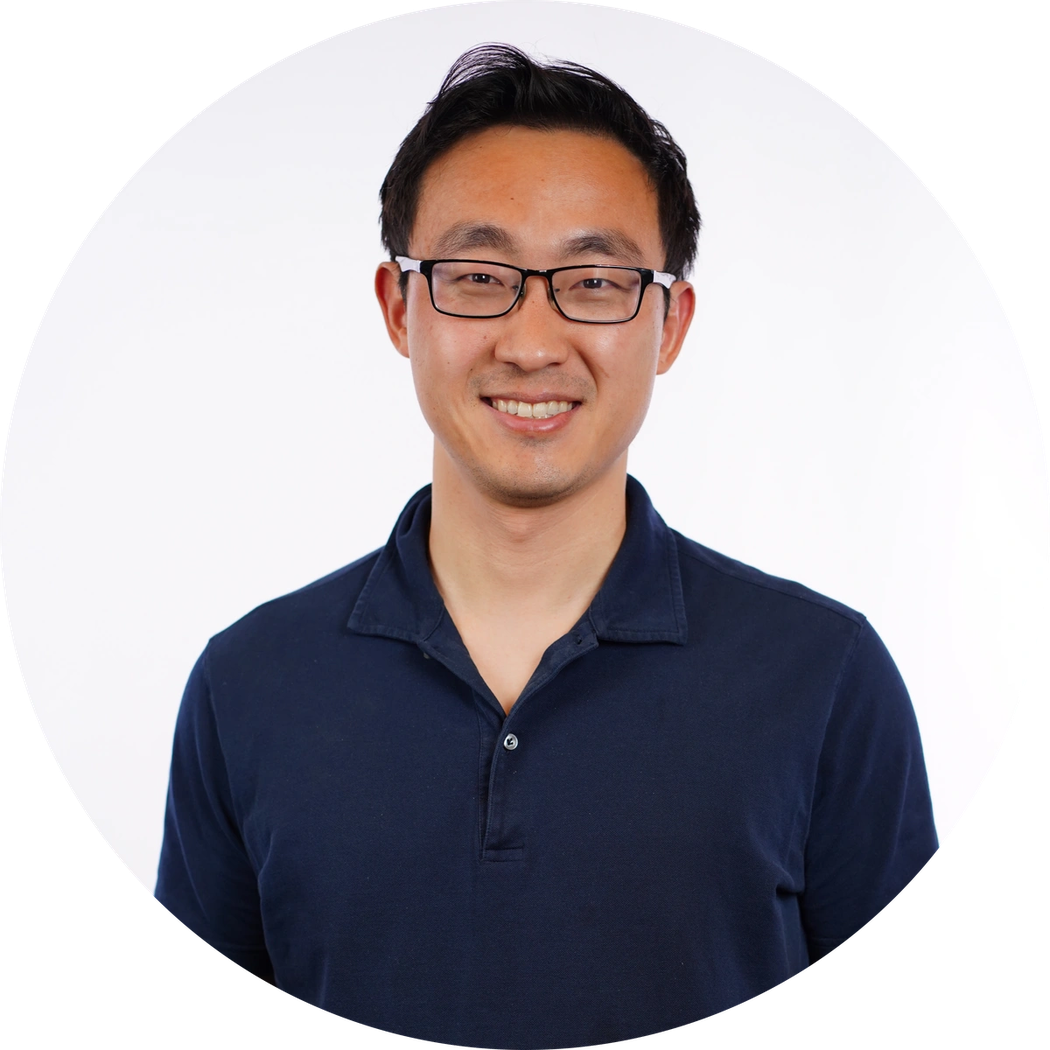
Tim Zheng and the price of getting cheaper
Apollo was running short of cash when Tim Zheng made its software cheaper and easier to buy. The engineer who helped rebuild the business has now handed over the CEO job.
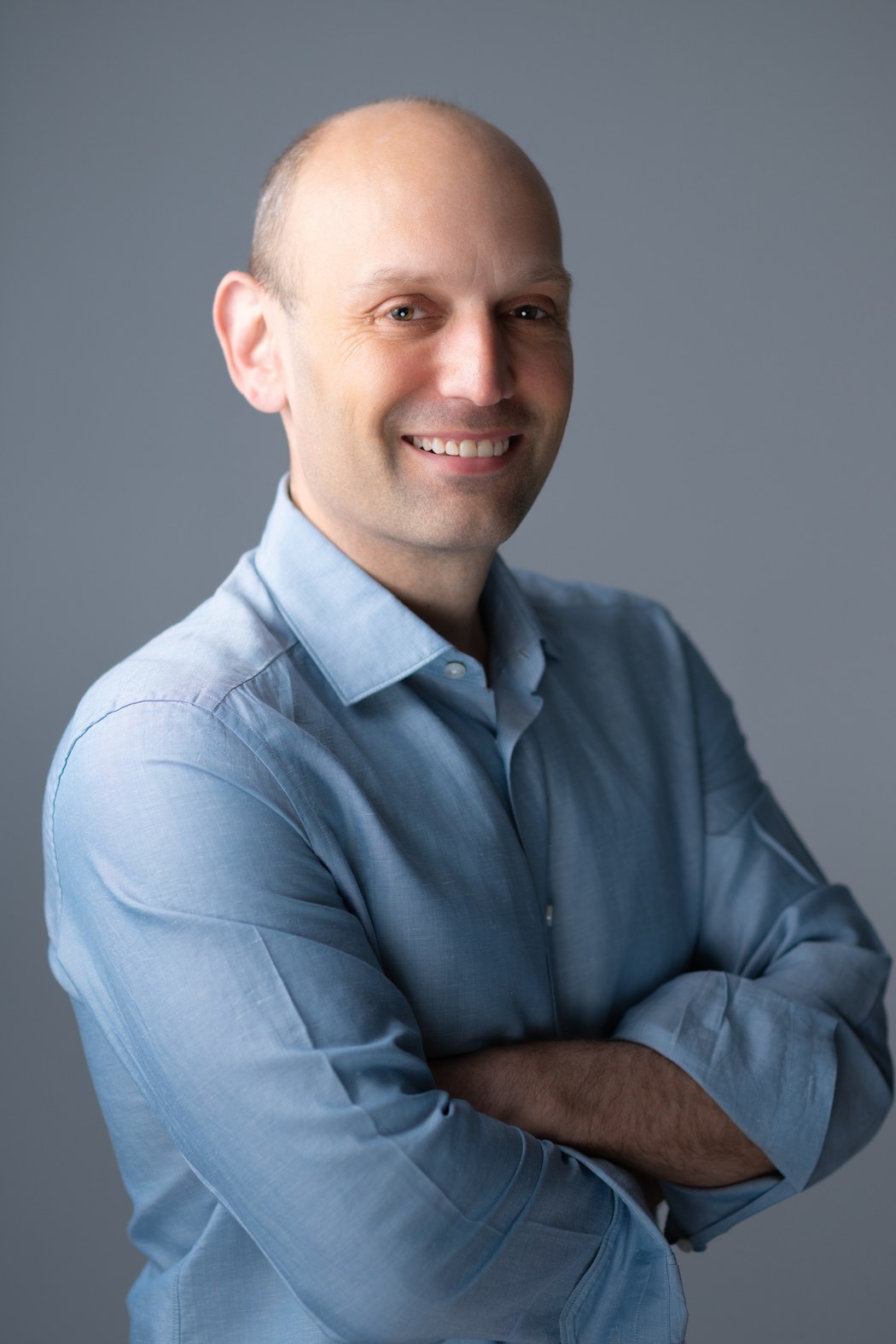
Eric Berry and the freedom to change his mind
He left corporate law, helped build TripleLift, and led it to a $1.4 billion valuation. The thread running through Eric Berry’s career is a willingness to change the plan while keeping a firm grip on the numbers.

Arka Dhar and the trouble with a good idea
At Lift12, Arka Dhar learned that knowing what to do was only half the job. From Zinier to OpenAI and Google DeepMind, he has kept returning to the difficult business of turning intelligence into something people can use.
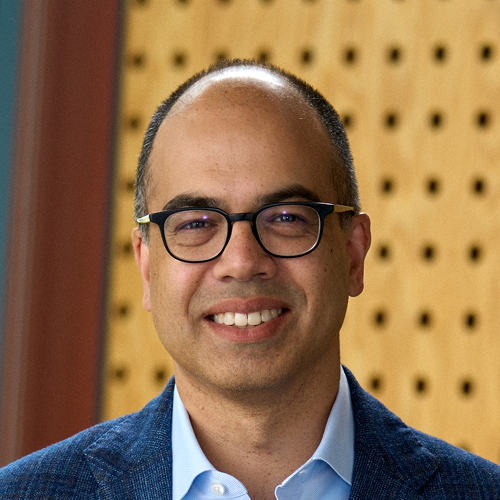
Why Sanjit Biswas Keeps Looking Up
After selling Meraki to Cisco for $1.2 billion, Sanjit Biswas took a break, got bored, and went looking for another useful problem. At Samsara, that search has taken him from wireless networks to the working lives of truck drivers and warehouse teams.