industrial-design
(29)
fuseproject changes the question
A television that hangs like art. A chair borrowed from a bridge. Inside the design studio that keeps asking whether the brief was wrong in the first place.

NIU made the scooter think.
A battery, two wheels and a better question: what does a city rider actually need? NIU built a business around the answer. Keeping it profitable is the harder ride.
PENSA and the art of removing the awkward bit
A hospital curtain, a razor, an inflatable dog kennel. The Brooklyn design firm finds its opportunities where everyday objects make people work too hard.
DIGGS gave the dog crate a place in the living room
A dog named Louise exposed the trouble with ordinary crates. DIGGS built a business around the details her owner could no longer overlook: the latch, the mesh, the fold, and the room around them.

Opal Electronics wants to make your next favorite thing
A webcam was the opening act. Opal’s wager is that a small, opinionated electronics company can make everyday devices worth caring about - provided the software keeps up.
Sigma Design makes the parts between the breakthroughs
A running rig, 58 wiring harnesses, and a factory retrofit reveal what this Washington engineering firm sells: fewer gaps between an idea and a working product.
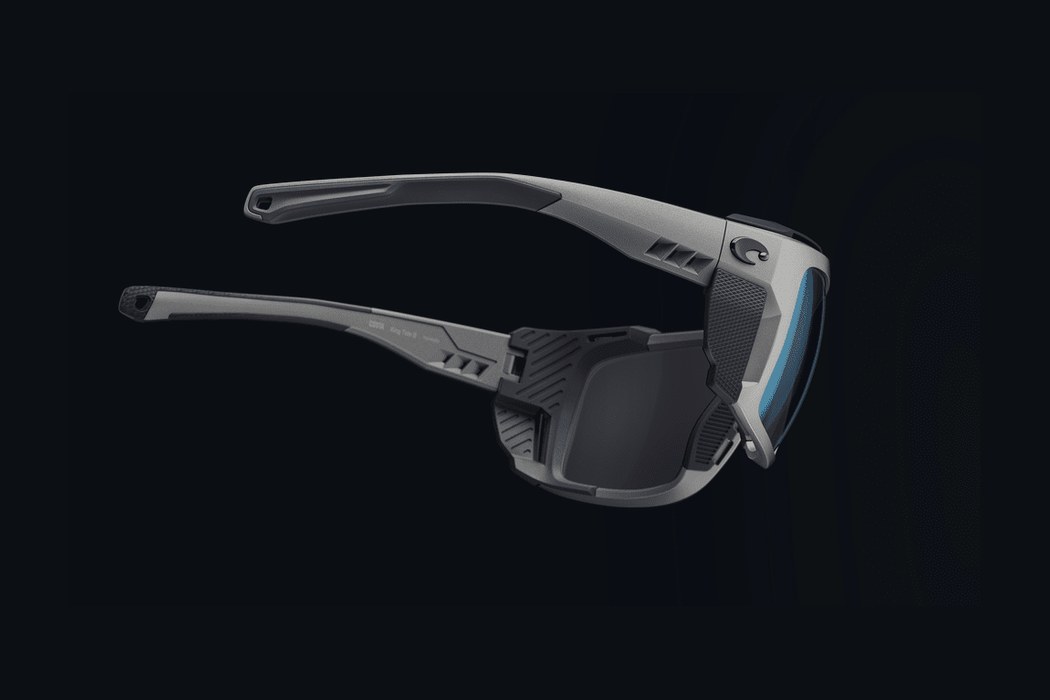
Lifestyledesign Has Put 500 Products on Shelves. Its Trick Is Starting Before the Sketch.
The Santa Barbara studio has spent two decades turning fuzzy business questions into sunglasses, speakers, smart glasses and hard cases. Its advantage is less about drawing a beautiful object than refusing to hand the idea off halfway through.
ERNST knows a brand is only as good as its next product
A ski bag, a driving shoe, a motocross boot. The Los Angeles design studio works where brand promises have to survive contact with the things people actually use.
14TH ROUND builds the part of a cannabis brand you can hold
Behind the name on the box is another company designing the box, the vaporizer, and the way they work together. For 14TH ROUND, the physical product is where a brand earns its keep.
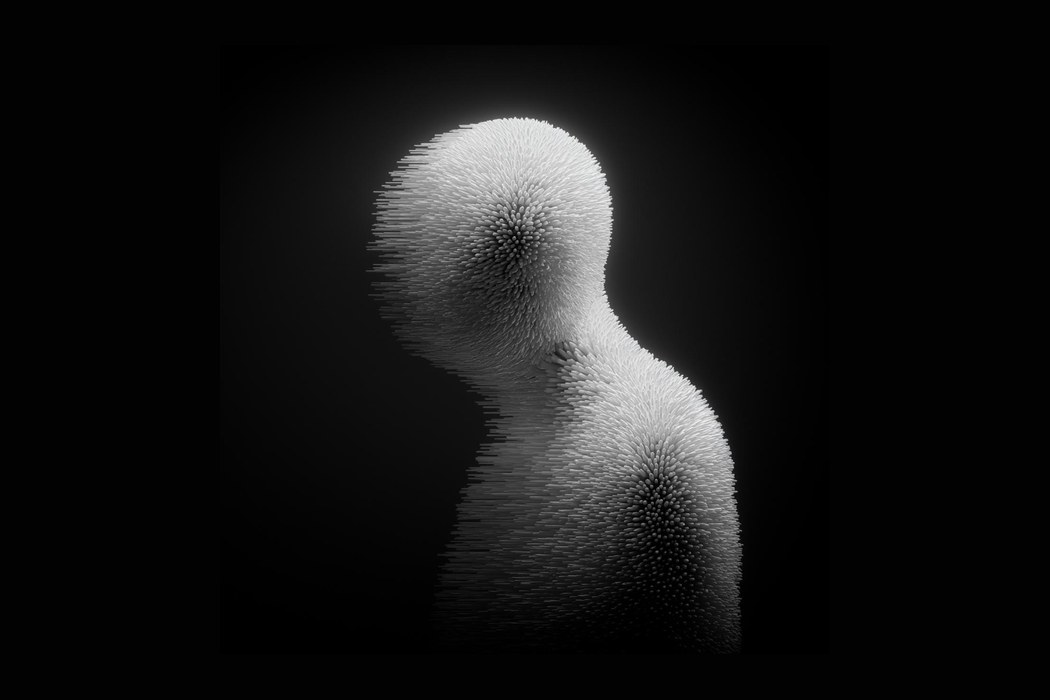
copyself_xyz wants AI to keep your peculiarities
Branko Lukic helped turn a portable speaker into a design statement. His next problem is more personal: keeping your own judgment in the work when AI can generate almost anything.
Push Button makes the brand. Then makes it work.
A business card, a website, a room: Push Button treats them as parts of the same design problem. The Los Angeles studio brings a maker’s eye to branding - and a technologist’s attention to what happens next.
Why Brandcreative has a warehouse
A creative agency with 30,000 square feet of warehouse space has a different idea of a successful campaign. At Brandcreative, the work can run from the first product sketch to the package on the doorstep.
Red Clay brought the homewares. Retailers wanted the process.
A home-decor startup discovered that its method of finding and developing designs was something retailers would buy. Red Clay turned that discovery into a marketplace for making physical products.
Ammunition makes the future feel familiar
The studio behind Beats, Ember and Square works on the awkward moment when new technology meets an old habit. Its most useful design move is often knowing what to leave alone.

KEYDESIGN Makes the Case for Fewer Parts
A two-piece wallet case. A thermometer without a charging sled. Three generations of checkout hardware. Inside the industrial design studio that treats everyday friction as a design brief.
Astro Studios put a whole brand in your hands
From the Xbox 360 to Nike's FuelBand, Astro made technology feel like something people wanted to live with. Its move into PA Consulting reveals the business pressures behind the objects.
Design Catapult takes the sketch all the way to the shipping box
A hospital cart, a contamination scanner and a cold-brew machine have something in common: Design Catapult. The California firm makes a business of the difficult distance between a clever idea and a product someone can actually use.
Vapor Studio builds brands you can pick up
From robot-inspired headphones to a lemonade can with summer plans, the California agency treats the product, the packaging, and the pitch as parts of the same job.
GKDI makes Japan feel at home in America
A sauce label, a boat dashboard, a machine built for splashing around. GK Design International makes the case that understanding a customer’s culture belongs inside the design brief.

OnQ gives the store shelf something to say
Inside a former Ohio mall, OnQ builds the displays that help shoppers choose. Its next job is making those displays agree with the stockroom.
Cambridge Design Partnership gets past “almost works”
A prototype can impress a room and still be impossible to manufacture. Cambridge Design Partnership has built a business in that awkward gap, fixing everything from diagnostic instruments to the feel of a kitchen knife.
The Engineering Firm That Put Its Name on the Drawing - Then Stayed for the Build
Morson Projects spent decades doing the unphotogenic work behind aircraft, power stations and rail controls. Now renamed Morson Praxis, it is betting that clients want fewer handoffs between the clever plan and the stubborn real world.

Five Engineers, Twenty-Five Pounds and a Workshop for Medicine
Team Consulting nearly disappeared before it found its lane. Four decades later, its employee-owners build the unglamorous machinery behind better injections, longer-lived transplant organs and an ear clinic that fits in a hand.
Dyson’s $9 Billion Bet on Making Boring Chores Feel Like Engineering
A cardboard cyclone became a bagless-vacuum empire. Then came fans, hair dryers, headphones and a £500 million car that never shipped - a useful map of where obsessive product engineering wins, and where it runs out of road.
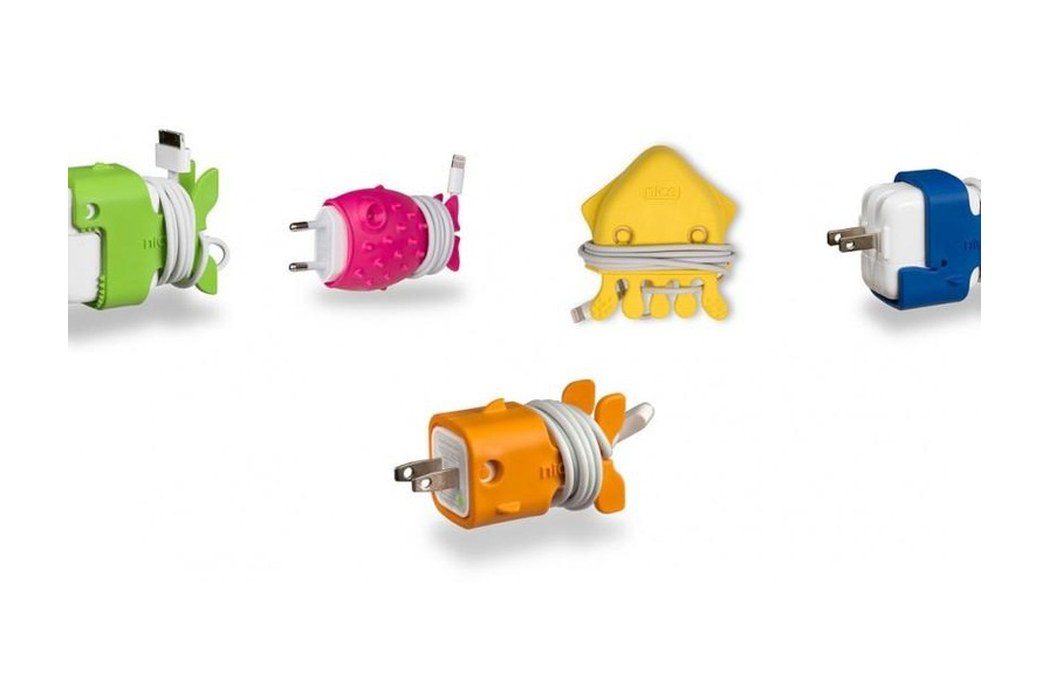
He Got Tired of His Kids Swiping His Charger. So He Turned It Into a Goldfish.
Nice, Inc. turned a problem Apple never bothered to fix - tangled chargers nobody could tell apart - into CableKeeps, a line of $16 rubber sea creatures molded just north of Seattle.
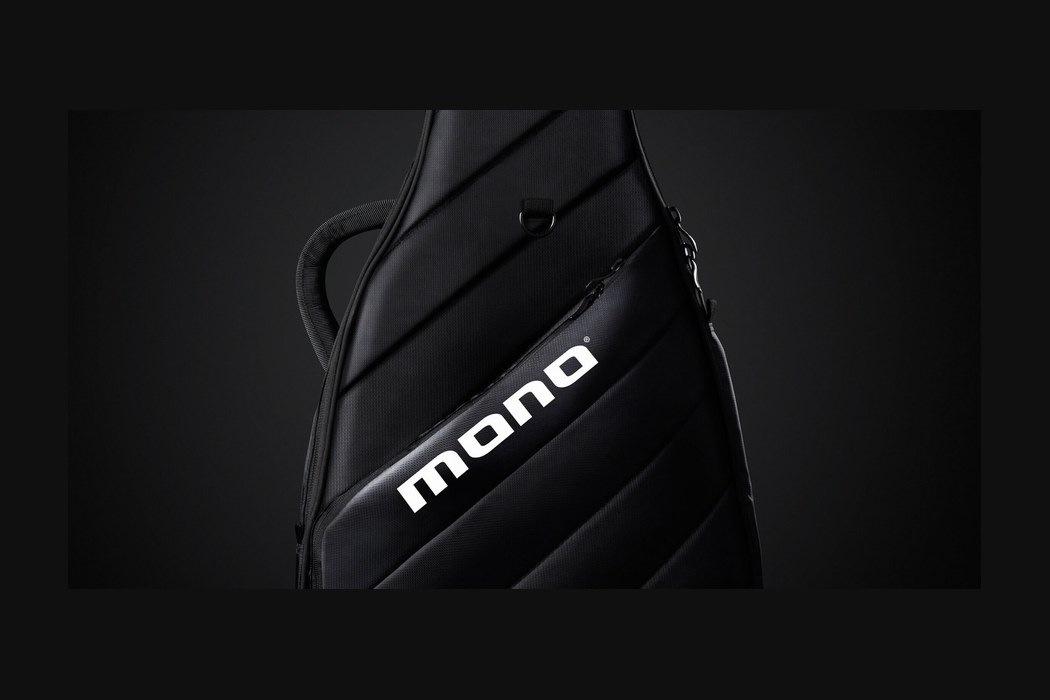
The Guitar Case That Decided Soft Didn’t Mean Fragile
MONO built a premium business around an unglamorous anxiety: getting a beloved instrument from the bedroom to the stage without breaking it. Its answer is part gig bag, part industrial-design thesis, and increasingly an entire mobile rig.
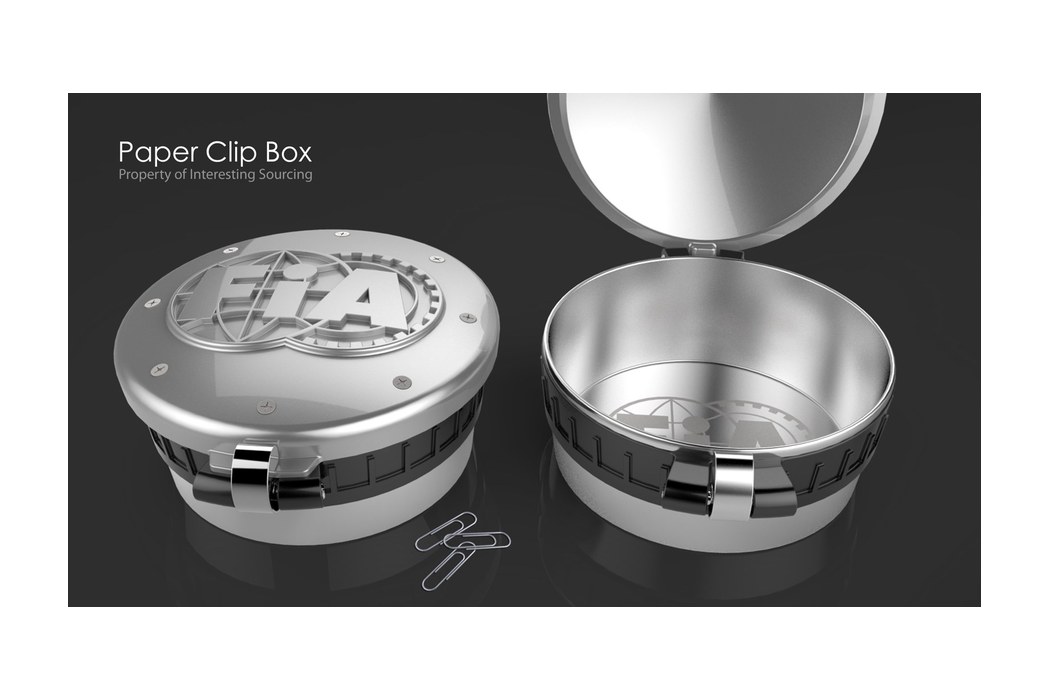
KeyShot
KeyShot, developed by Luxion and now operating under the KeyShot brand, is the widely adopted standard for real-time 3D product visualization. It turns CAD and 3D model data into physically accurate, photorealistic renderings, animations and interactive visuals, letting designers and engineers preview products before physical prototypes exist. Built on rendering research from co-founder Henrik Wann Jensen (an Academy Award winner for subsurface-scattering work), KeyShot is used by tens of thousands of product teams across consumer electronics, automotive, footwear, jewelry and medical devices, and is known for pairing high-end rendering accuracy with an approachable, drag-and-drop workflow.
Vizcom
Vizcom is a San Francisco AI design platform that turns rough sketches into full-fidelity, photorealistic renders in seconds. Founded in 2021 by former Honda and NVIDIA designer Jordan Taylor and CTO Kaelan Richards, it is built for industrial, automotive, footwear and consumer-product designers who want to move from idea to visualization without leaving one tool. The company preserves original line work, proportions and intent while layering on materials, lighting and depth - positioning itself as the 'Figma for the physical world.' Backed by $52M in venture funding and used by more than 700,000 designers and 150+ companies including Ford, New Balance, Dell and Estee Lauder.
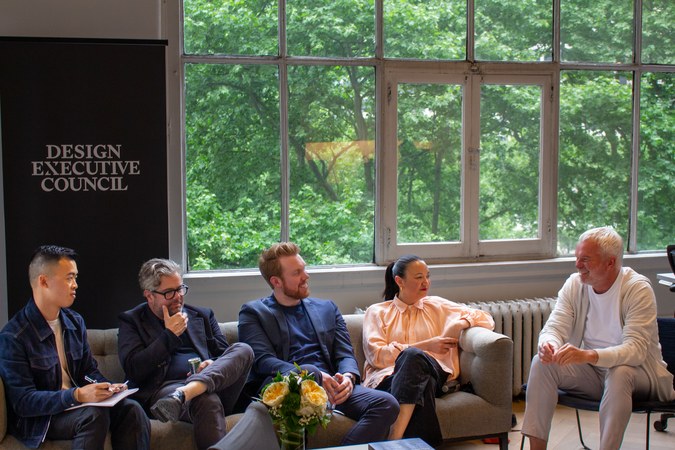
Eight Inc.
Eight Inc. is a globally recognized strategic design firm founded in 1989 by Tim Kobe. Best known for designing the original Apple Store with Steve Jobs, the firm now operates across San Francisco, New York, London, Tokyo, Singapore, Shanghai and Dubai, helping brands like Nike, Virgin Atlantic, Citibank, Dolby, McLaren, Lincoln and Nissan turn ideas into human experiences across architecture, retail, products, identity and digital.