The laboratory had a perfectly reasonable idea of how a battery should live: charge it fully, drain it, repeat. The people riding NIU scooters had other plans. They plugged in before the battery was empty. They unplugged before it was full. In an April 2026 interview, co-founder Token Yilin Hu described how these untidy habits challenged the company’s assumptions about battery life. Watching the customer, he said, opened the possibility of smaller, lighter packs.
- NIU sells electric two-wheelers with software woven into the ride.
- Its business runs mainly on vehicle sales, with China doing most of the work.
- The useful lesson: study the commute, then build the machine.
There is something wonderfully inconvenient about that discovery. Engineers can specify a battery. A rider supplies the context. NIU’s story turns on the distance between those two things: the vehicle that performs well on paper and the vehicle someone wants to live with.
Start with the journey
Founded in Beijing in 2014 by Li Yinan and Hu, NIU entered a category that already existed. Electric two-wheelers were familiar transportation. The opportunity was to bring the thinking of consumer electronics and industrial design to them: connect the battery, controller, dashboard and phone so the pieces could work together.
The first moped arrived in 2015. European sales followed in 2016. By October 2018, NIU was listed on Nasdaq. Its IPO raised $63 million before expenses, with about $55.2 million in net proceeds. That is a concrete measure of the capital behind the ambition. Building vehicles requires money long before a customer opens an app.
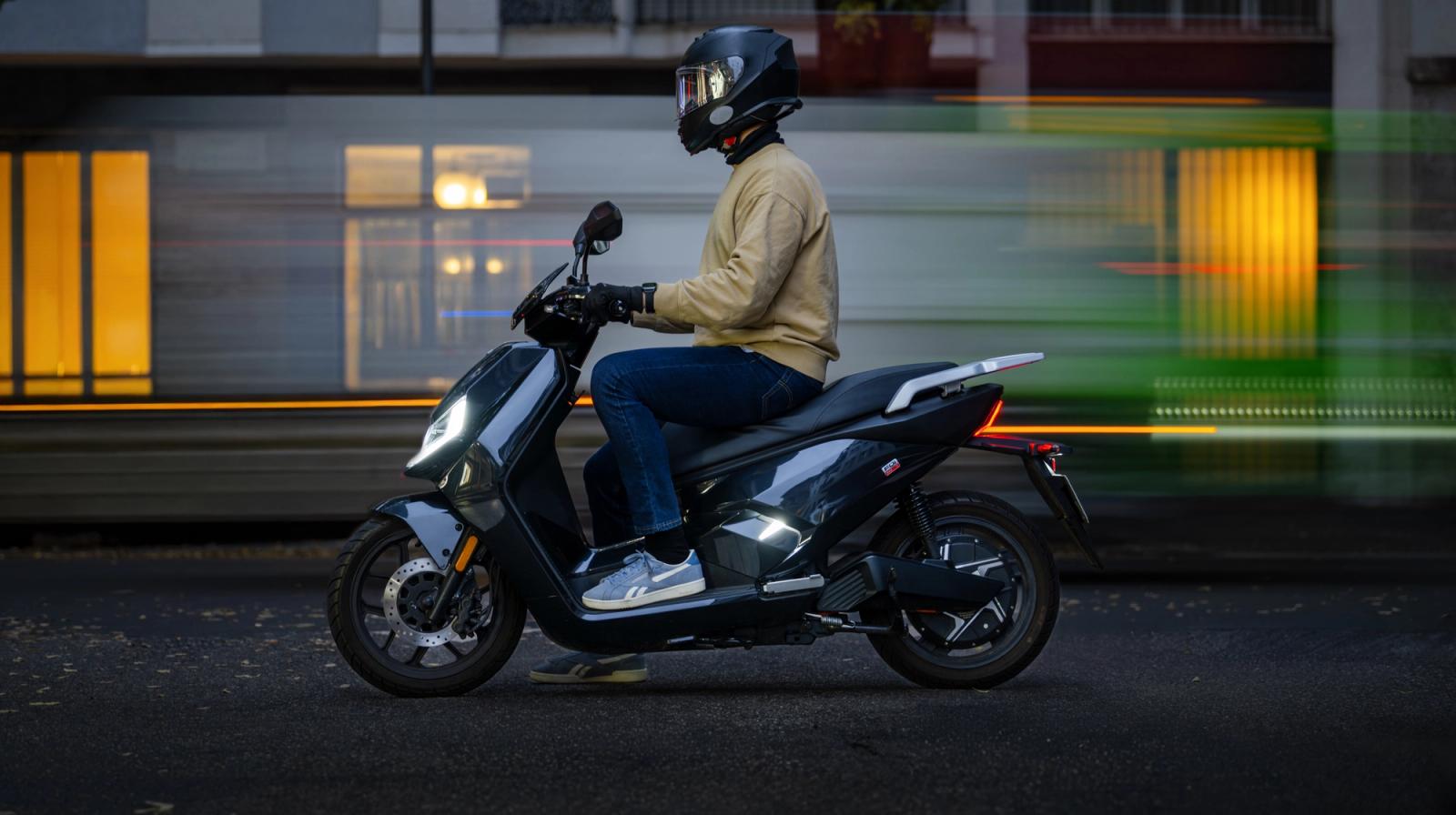
In a 2017 explanation of the product, Hu argued that conventional scooters were poorly matched to urban riding. NIU made the commute its design brief. Today, that means several different customers: the seated-scooter commuter, the rider connecting a train station to an office, the e-bike owner and the operator managing vehicles for other people.
A scooter is several different things
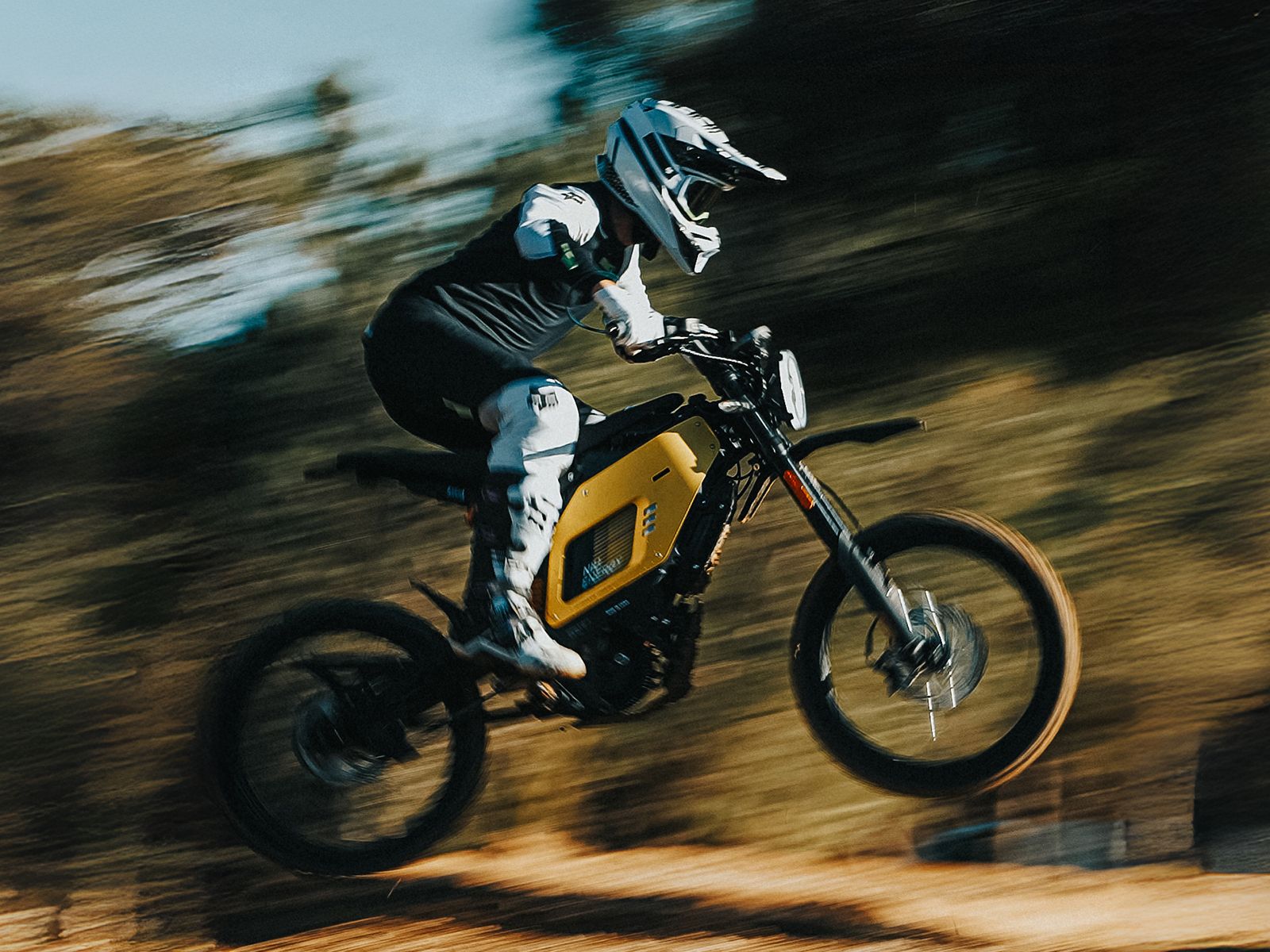
The word “scooter” makes this company deceptively hard to explain. NQi, MQi, UQi and FQi families include seated vehicles. KQi is the standing kick-scooter range. BQi covers e-bikes. XQi takes the company into electric motorcycles, including off-road riding. These products answer different questions about distance, storage, licensing and the surface beneath the tires.
Consider the KQi Air. NIU advertises a carbon-fiber machine weighing 26.2 pounds, roughly 11.9 kilograms. That specification becomes interesting at a staircase. A commuter may spend most of a trip riding but judge the entire purchase during the minute spent carrying it. Portability can matter as much as speed.
There is a price for that choice. On October 21, 2026, NIU’s US shop listed the Air at $809.10 on promotion, against $549 for the KQi 200P. Those are dated retail snapshots. They illustrate a real decision: pay for lower carry weight, choose another balance of features, or buy a different kind of vehicle.
“Make Life Electric.”NIU’s stated mission
On supported models, the software adds vehicle status, diagnostics, riding history and security functions. The promise is practical: know more about the thing carrying you. Features vary across the range. A Bluetooth-connected kick-scooter and a cellular-connected moped should never be treated as interchangeable purchases.
The app does not pay all the bills
NIU has the ingredients of a technology company, but its accounts describe a manufacturer. In 2025, vehicles supplied 90.5% of revenue. Accessories and spare parts contributed 6.9%; services contributed 2.6%. Calling the whole enterprise a subscription-software business would miss where the money comes from.
The selling system is equally physical. NIU uses franchised shops, distributors, retailers and online channels. It reported 4,570 franchised stores in China at June 2026. A dealer can supply the test ride, the explanation and the repair. For a person depending on a vehicle each morning, those encounters belong to the product experience.
NIU occupies the design-conscious, connected end of a crowded market. Segway-Ninebot, Yadea and Aima offer alternatives; apps are increasingly common across the category. NIU’s case rests on how well its design, battery management and software work together. Connectivity alone is becoming a less exclusive distinction.
The margin has its own speed limit
A clear crack in the recent growth story was economic. In 2024, revenue rose 24%, but gross margin fell from 21.5% to 15.2%. NIU pointed to product mix, lower-margin international kick-scooters and incentives for Chinese franchisees. More units had brought a thinner return on each revenue yuan.
There was improvement in 2025: revenue reached RMB 4.31 billion, gross margin recovered to 19.6%, and net loss narrowed to RMB 39.4 million. Yet international expansion remained uneven. China produced 93.2% of vehicle revenue. Overseas vehicle revenue fell 32.9%. A global badge and a geographically balanced business are separate accomplishments.
Management attributed the 2025 margin recovery to a shift toward higher-margin vehicles in China and cost optimization. The arithmetic suggests a useful discipline for other hardware builders: track which products produce the growth. A cheaper model can widen the audience while weakening the business. An attractive revenue total can conceal that trade-off until the gross-profit line makes it visible.
The next year kept the tension alive. Q2 2026 revenue rose 14.7%, while net loss reached RMB 102.2 million. October’s update reported 537,457 vehicles sold in Q3, based on factory deliveries. It is an encouraging volume number. The corresponding financial results were scheduled for November 16.
Borrow the habit, check the route
NIU keeps extending its vocabulary. It announced AIOS and new Chinese-market models in March 2026. A September partnership with Razer put gaming design onto the FQiX moped. The XQi3, meanwhile, carries the brand into a landscape where the nearest traffic light may be a long way away.
The transferable habit is observation. Find the overlooked part of a routine, test the assumption beneath it, and make the improvement tangible. Buyers can do the same: check carrying weight, charging access, service availability and the licence class for their route. Cold weather reduces electric range; the advertised figure is no promise for every journey. NIU’s approach earns its place when those ordinary details fit. The rider still gets the final vote.