In Madison, Wisconsin, the traffic engineers had already done the sensible thing. They retimed 13 signals along a four-mile corridor before switching on adaptive control. This matters. A new system looks clever when the old one has been neglected. Looking clever after someone has tidied up is a harder assignment.
- The job: help cities run intersections as a connected network.
- The machinery: detection, controllers, cabinets, software and field services.
- The lesson: measure the street before promising a smoother commute.
When Econolite’s Centracs Adaptive went live in July 2014, before-and-after reports showed travel-time reductions of up to 22 percent and 65 percent fewer stops. Those are results from a company-published case study, not a forecast for every road. But the already-retimed baseline makes the episode interesting. There was still useful capacity hiding in the schedule.
The road had changed. The clock needed to.
A signal plan is an educated prediction about who will arrive next. Construction, a university event or an incident can spoil that prediction. Fort Collins, another Econolite customer, described persistent backups that standard timing plans alone could not clear. Its response was to add travel-time monitoring and use changing road conditions to trigger alternative plans.
Madison supplied a sharper test. An October 2014 highway closure pushed roughly 40 percent more traffic onto the corridor. According to the same case study, adaptive timing brought travel times back to nominal conditions within 30 minutes. The important change was the feedback: vehicle detection could tell the system that the morning had stopped behaving like an ordinary morning.
less travel time
up to, by measured trip
fewer stops
reported corridor result
July 2014 deployment. Different measures, separate baselines. These figures describe this case, not expected results elsewhere.
A software company with a roadside cabinet
Econolite sells much of that feedback chain. Sensors detect road users. A controller runs the intersection. A cabinet houses control equipment. Centracs software lets an agency monitor and coordinate the network. Installation crews and maintenance teams connect the digital plan to equipment that must keep working outdoors.
The customers are traffic departments, municipalities and transportation agencies. Drivers experience the result without opening an app. Engineers use the tools to inspect operations, adjust timing, investigate faults and manage corridors. Econolite reports more than 500 North American software customers and over 60,000 signalized intersections under management.
Cobalt, its controller family, has a hardened seven-inch touchscreen and a Linux-based operating system. EOS supplies controller software. Autoscope products provide video detection. EPIQ RADAR combines radar sensing with an HD camera for visual validation. Different pieces answer different questions: is someone waiting, what is approaching, and what should this intersection do?
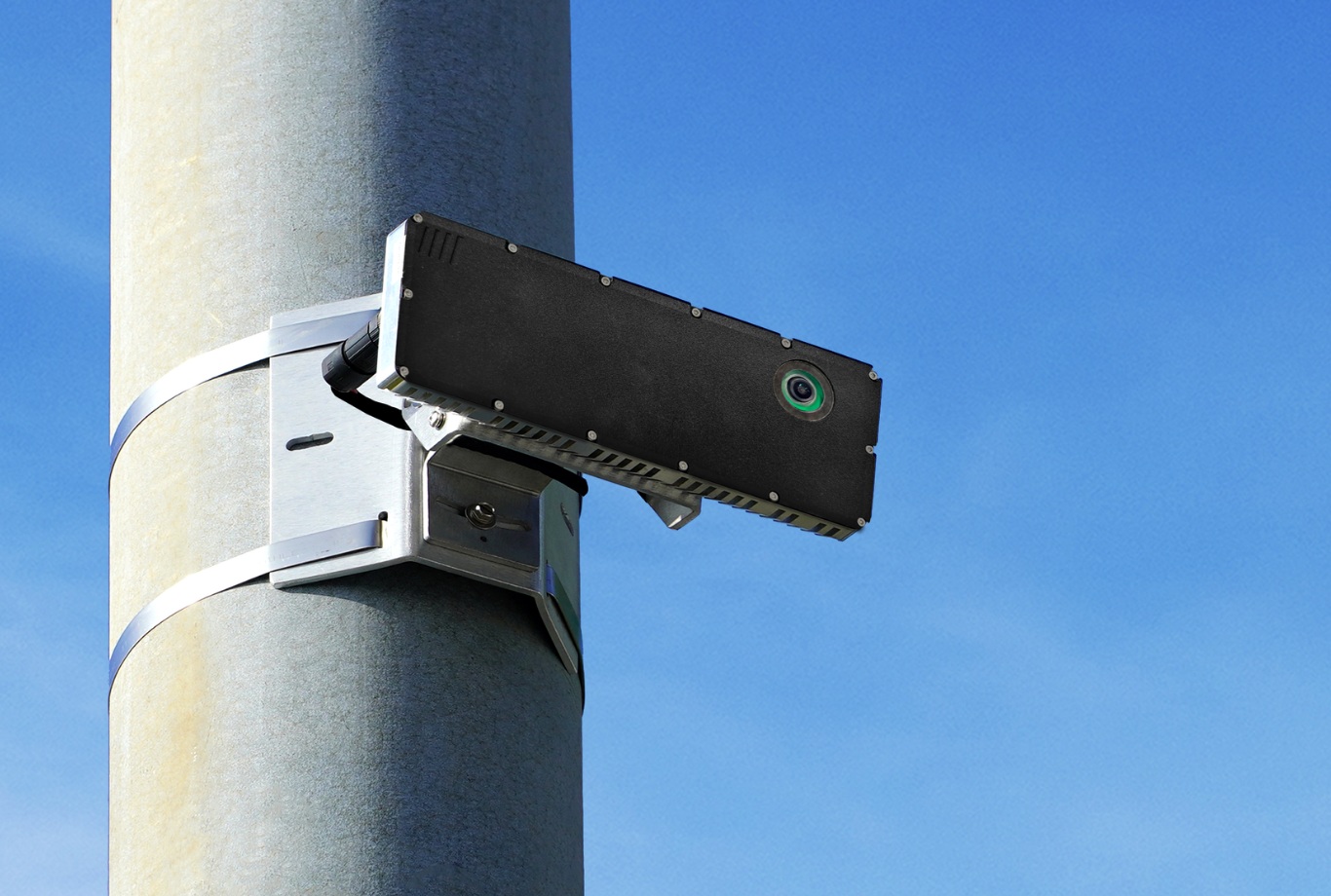
Centracs adds several kinds of judgment. Edaptive changes signal timing as demand changes. Signal Performance Measures helps staff examine operations. Priority uses vehicle arrival estimates and agency rules for transit priority and emergency preemption. Predict integrates PTV Flows forecasts. These are separate capabilities; buying a platform does not mean every module arrives in the box.
- 01 / SenseObserve road users
- 02 / DecideEvaluate timing
- 03 / ActRun the signal
- 04 / CheckMeasure the result
The invoice includes the unglamorous parts
Sunnyvale’s October 2023 council award offers a useful price anchor: $244,500 for Centracs software, implementation and maintenance. Of that, $187,700 covered licensing, installation, configuration, integration, testing and training. Four subsequent maintenance years cost $14,200 each, beginning after a one-year warranty. Council also approved a separate $24,450 contingency.
That is one scoped purchase, not an intersection price list. Still, it explains the business. Econolite earns money from equipment, software, deployment and continuing support. Its Signals as a Service offering extends into operational assistance. For an agency, the buying decision includes who will diagnose trouble after installation, not simply whose screen looks nicest during a demonstration.
“Saving Lives Through Improved Mobility”Econolite’s stated mission
The competitive field includes Yunex Traffic’s Yutraffic Studio and Miovision One. Econolite’s case rests on the combination of manufacturing, central software and field services, now connected to PTV’s planning and simulation tools. That breadth is useful when agencies want coordinated responsibility. Compatibility with existing equipment and the precise scope of support still need checking.
The toy makers who got into traffic
The business began in 1933 with Arthur Loomis and Charles Chase, partners in a toy and specialty-lighting company, and Beverly Hills city electrician Leo Jennings. Jennings wanted a stop sign with a timed flashing red light. The resulting product gave Econolite its name. Later, the company also made animated decorative lamps. A traffic supplier once helped living rooms move, too.
Today’s company is part of a different combination. Bridgepoint and Porsche SE acquired Econolite in 2022; Econolite and PTV have shared the Umovity brand since 2023. In August 2026, Hamburg announced a partnership pairing Centracs Mobility with PTV simulation. Econolite described it as Centracs Mobility’s first European deployment. That month, EPIQ RADAR also received EU certification.
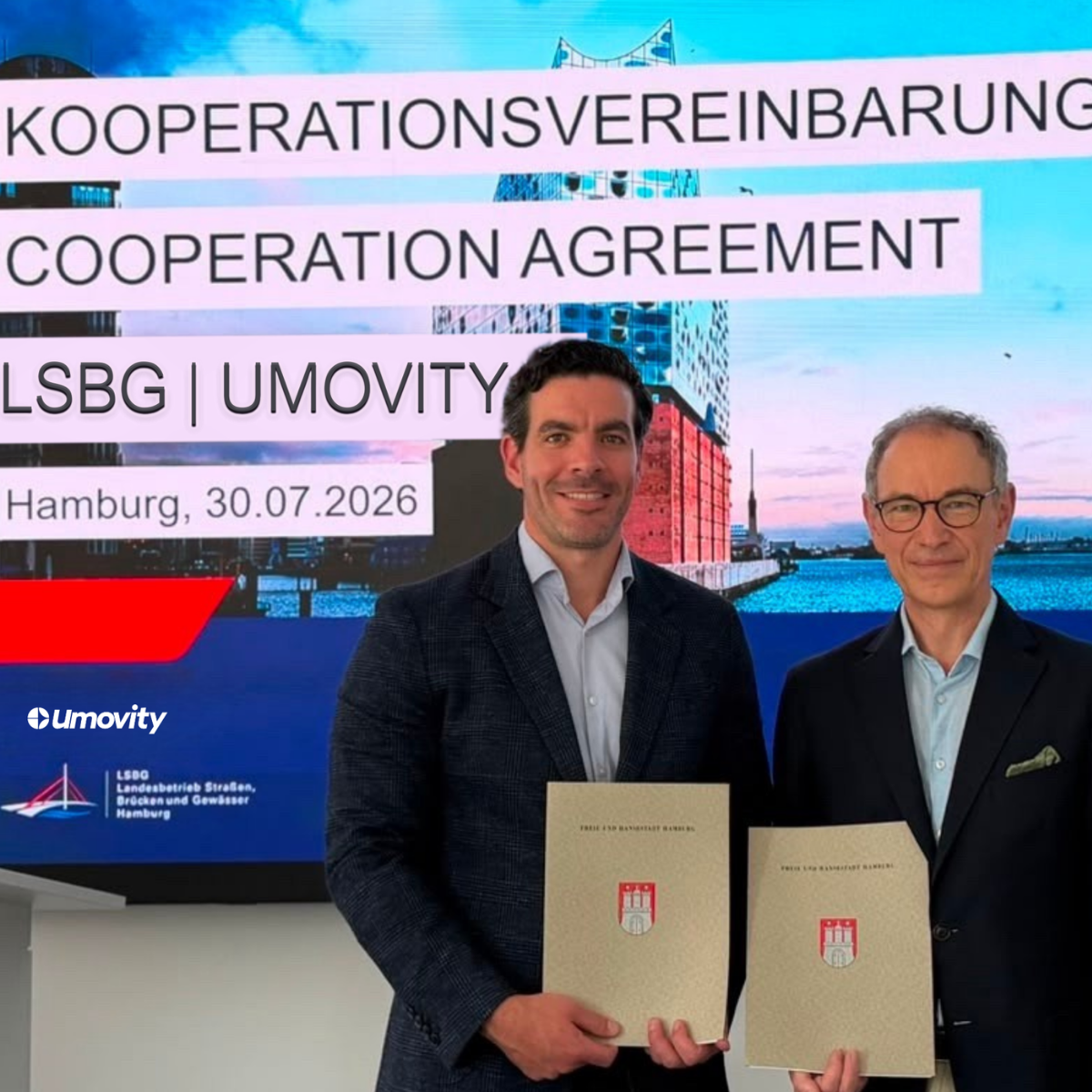
That expansion also explains the appeal of the ownership structure. PTV can model a proposed strategy before an agency changes the street; Econolite brings equipment and operational control. The Hamburg announcement describes the intended combination, rather than publishing a completed before-and-after evaluation. For a buyer, that distinction matters as much as the product names.
Start with the baseline
The transferable idea is Madison’s sequence: improve the existing timing, then measure what the new system adds. Agencies can copy that discipline. Establish travel times and stops, inspect detection, verify communications, train operators and budget for upkeep. Federal Highway Administration research on signal performance measurement likewise makes infrastructure readiness a condition of its cost assumptions.
The organization behind these products describes customer service, integrity, partnerships and continuous improvement as its values. Its careers material points to Lean and Six Sigma programs. Those are employer statements, but they fit a business in which the software developer and the field technician both have a say in whether a promised improvement reaches the road.
Adaptive control cannot manufacture road space, and unreliable inputs weaken the feedback loop. A small department also needs people who can interpret what the system reports. Econolite’s proposition is practical: connect observation to action, then check the result. The useful green light is the one earned by knowing what is happening on the street.