A hospital curtain has a modest job: give someone privacy. Yet the moment it needs changing, this unassuming piece of fabric becomes an operational nuisance. PENSA’s account of its work with Cintas describes traditional replacement as a roughly 30-minute chore. The redesigned system lets staff exchange a dirty curtain for a clean one in under 30 seconds, without a ladder. The interesting object here is the one almost nobody would put on a mood board.
- PENSA brings research, design and engineering into the same project.
- Its clients include Cintas, Diggs, OneBlade and Zero Halliburton.
- Its recurring move: study the troublesome interaction, then build and test it.
That curtain is a good introduction to PENSA, the Brooklyn product design and invention firm. A portfolio containing razors, luggage, nursing equipment and dog carriers might look like a collection of unrelated commissions. Look closer and a pattern emerges. Each object asks somebody to perform a task. PENSA pays attention to the point where that task becomes unnecessarily awkward.
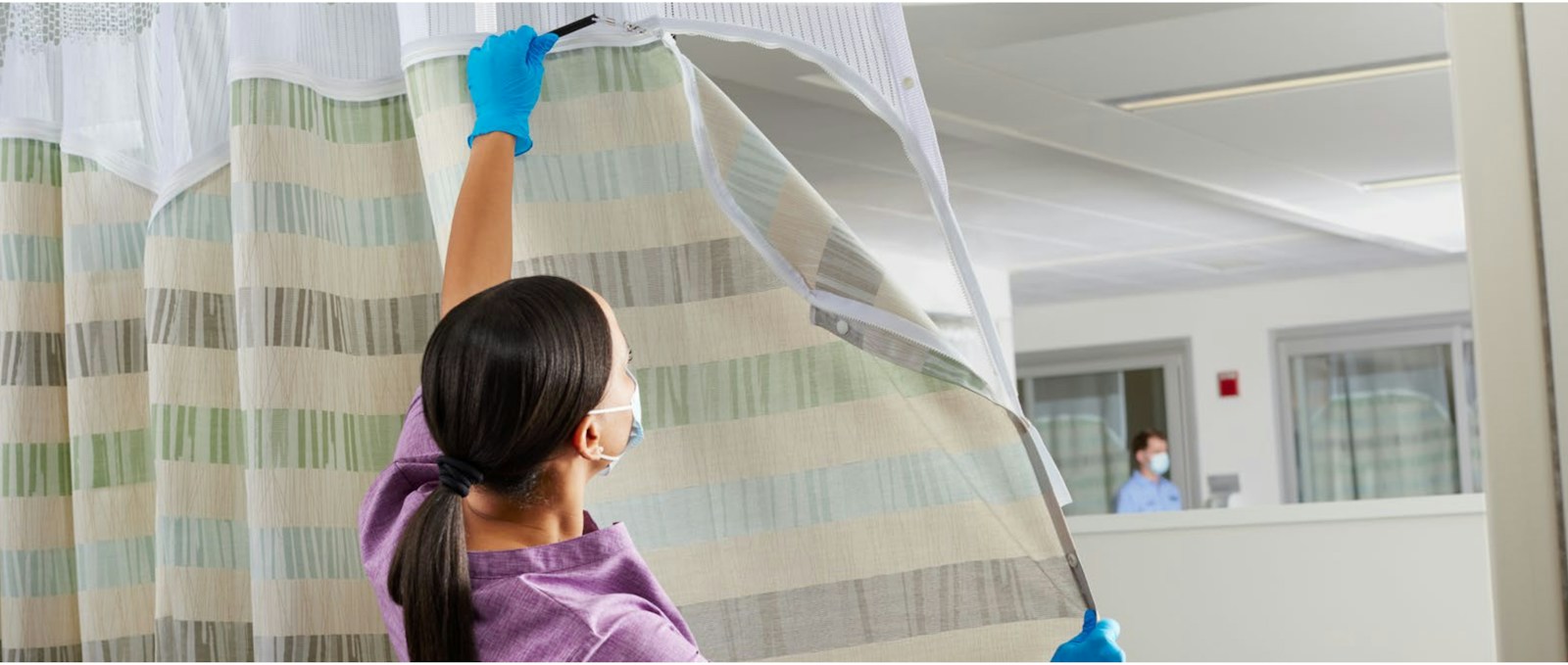
The person changing the curtain
For Cintas, the problem included the person responsible for cleaning and replacement. Faster handling makes a routine service easier to carry out. PENSA lists research, industrial design, mechanical engineering and production support among its contributions. The measurable claim concerns replacement time; it should not be mistaken for proof of a particular reduction in infections.
Times reported in PENSA’s project account. Illustrative comparison, not an independent clinical study.
This is a useful way to understand the firm’s market position. It works for businesses that need to turn an idea into a usable, producible object, often with a digital experience attached. Its remit can reach from user observation to packaging and manufacturing liaison. The buyer is a company; the ultimate beneficiary might be a hospital worker, a commuter, a parent or a dog with excellent travel arrangements.
A kitchen table with two different talents
Marco Perry and Kathy Larchian started PENSA in 2005 at their kitchen table. Perry grew up working in the workshop of his father, sculptor Charles Perry, before studying mechanical engineering and industrial design. Larchian brought the business discipline. In a 2016 interview, Perry said she tracked the money largely project by project. The division of labor was practical before it became a philosophy.
Today, Perry, Larchian and partner Mark Prommel lead the firm. Its proposition is that designers and engineers should work together from the outset. An engineer who arrives after a concept has been approved inherits decisions. One who joins the first conversation can help make them.
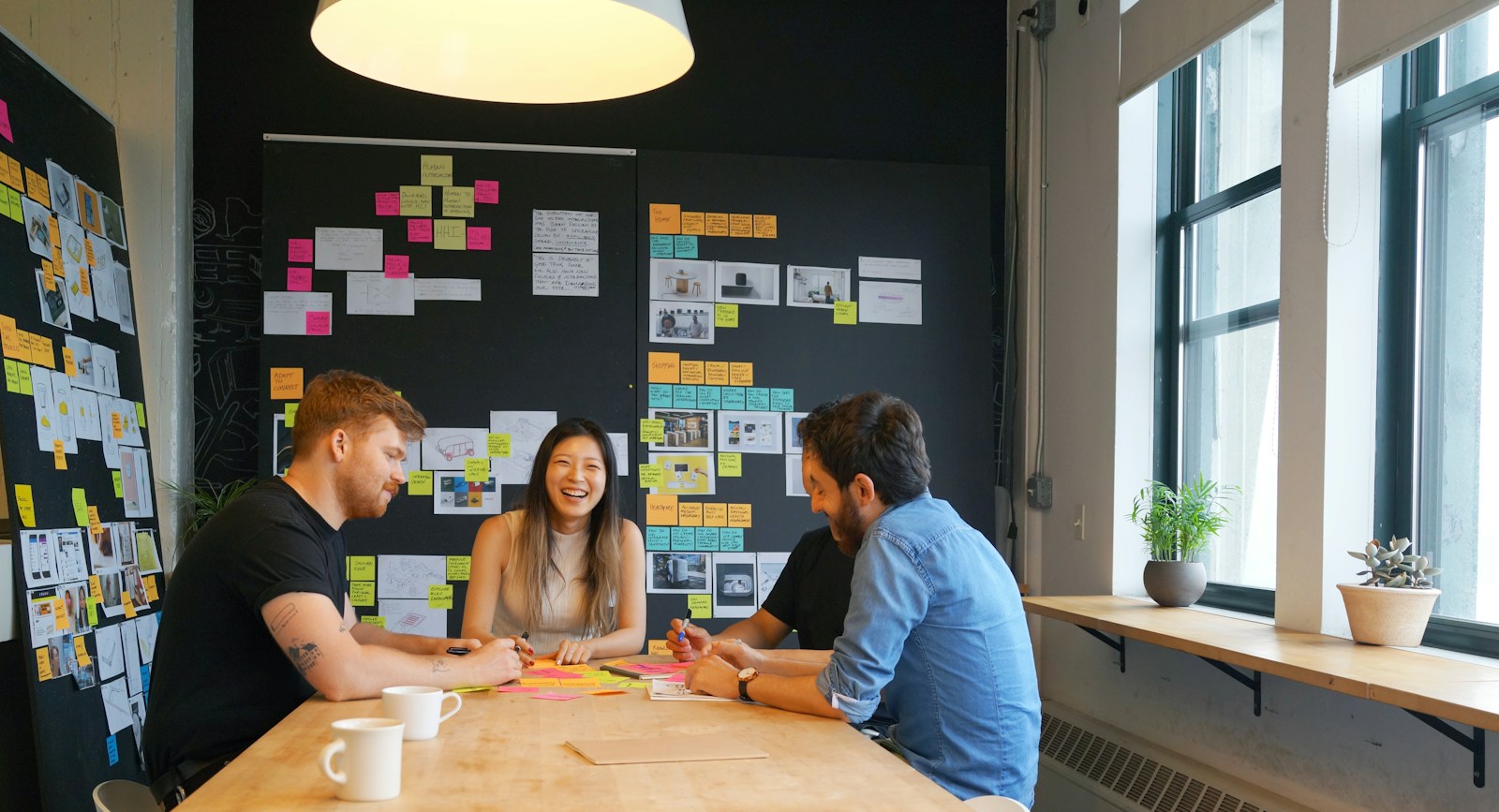
The commercial model rests on client development projects, with a related product venture in Pensa Labs. In 2020, Perry described his businesses as bootstrapped and recalled the significance of being able to afford a first employee through profit. That makes an attractive sketch only one part of the assignment. A product also needs a plausible route through suppliers, production and launch.
The kennel that borrowed a paddle board
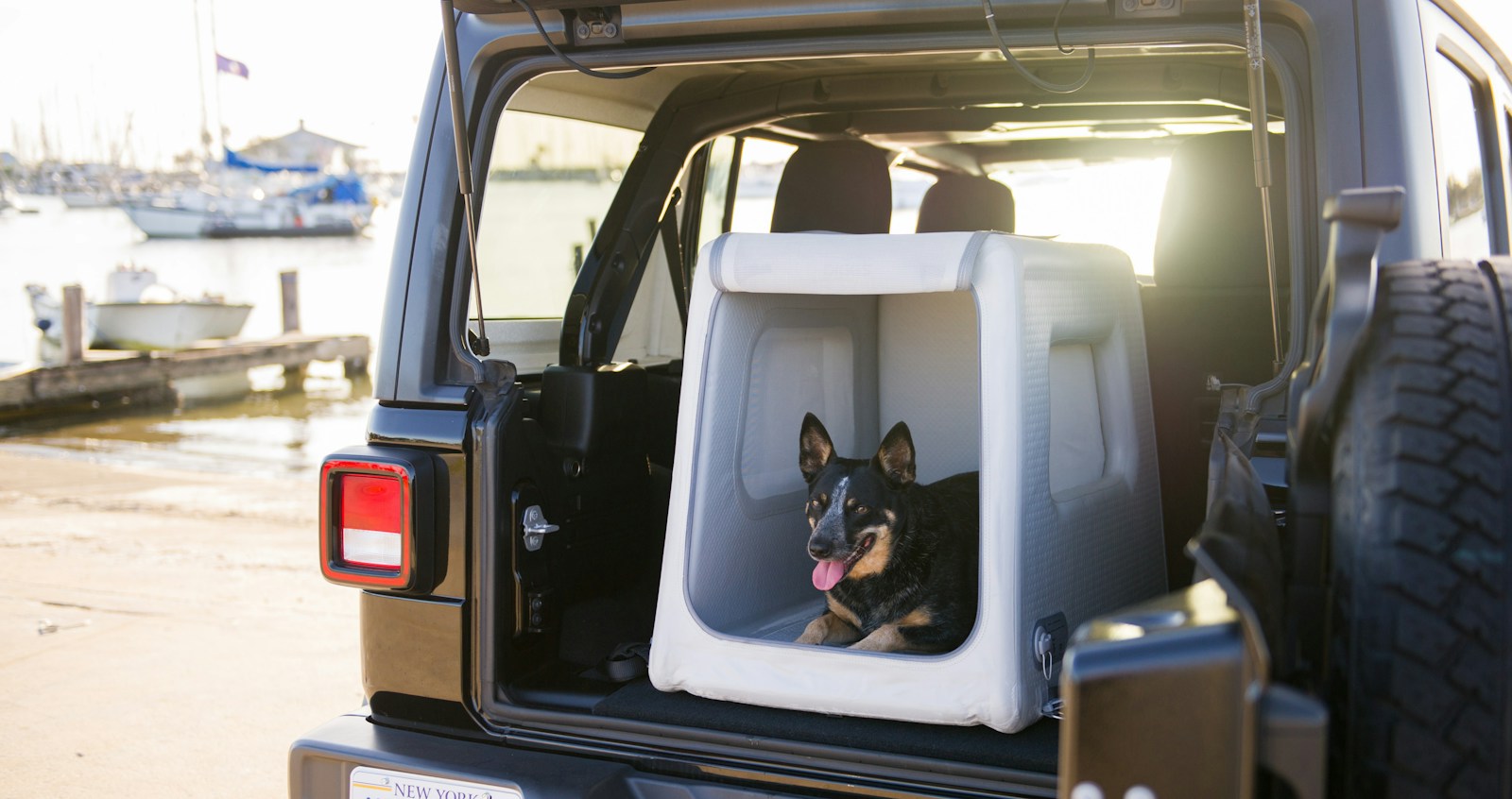
Diggs Enventur makes the approach unusually visible. A travel kennel needs to be substantial enough for use and manageable enough to transport. PENSA used drop-stitch construction familiar from inflatable kayaks and paddle boards. It is an appealingly literal example of looking outside a product category for an answer.
The development process involved dozens of cardboard and foam-core mock-ups, followed by versions in the actual materials. The team studied how panels would inflate and collapse repeatedly. Once a workable architecture emerged, another problem appeared: connect the panels so air could pass through the system while the inflated form stayed smooth. The handsome exterior depended on the unglamorous plumbing.
Let the prototype disagree
With Zero Halliburton, the useful detail was a concave edge running around aluminum suitcase corners. PENSA reports that testing different geometries showed better impact protection than conventional bent or rounded edges. The feature became part of the luggage’s appearance because it had already earned a functional role. Here, testing supplied the aesthetic argument.
OneBlade offers another version of the lesson. PENSA spent more than a year on the razor’s design and invention, including its head geometry, suspension and snap-in loading mechanism. The click of a seated blade gives the user feedback. A small sound closes a small uncertainty.
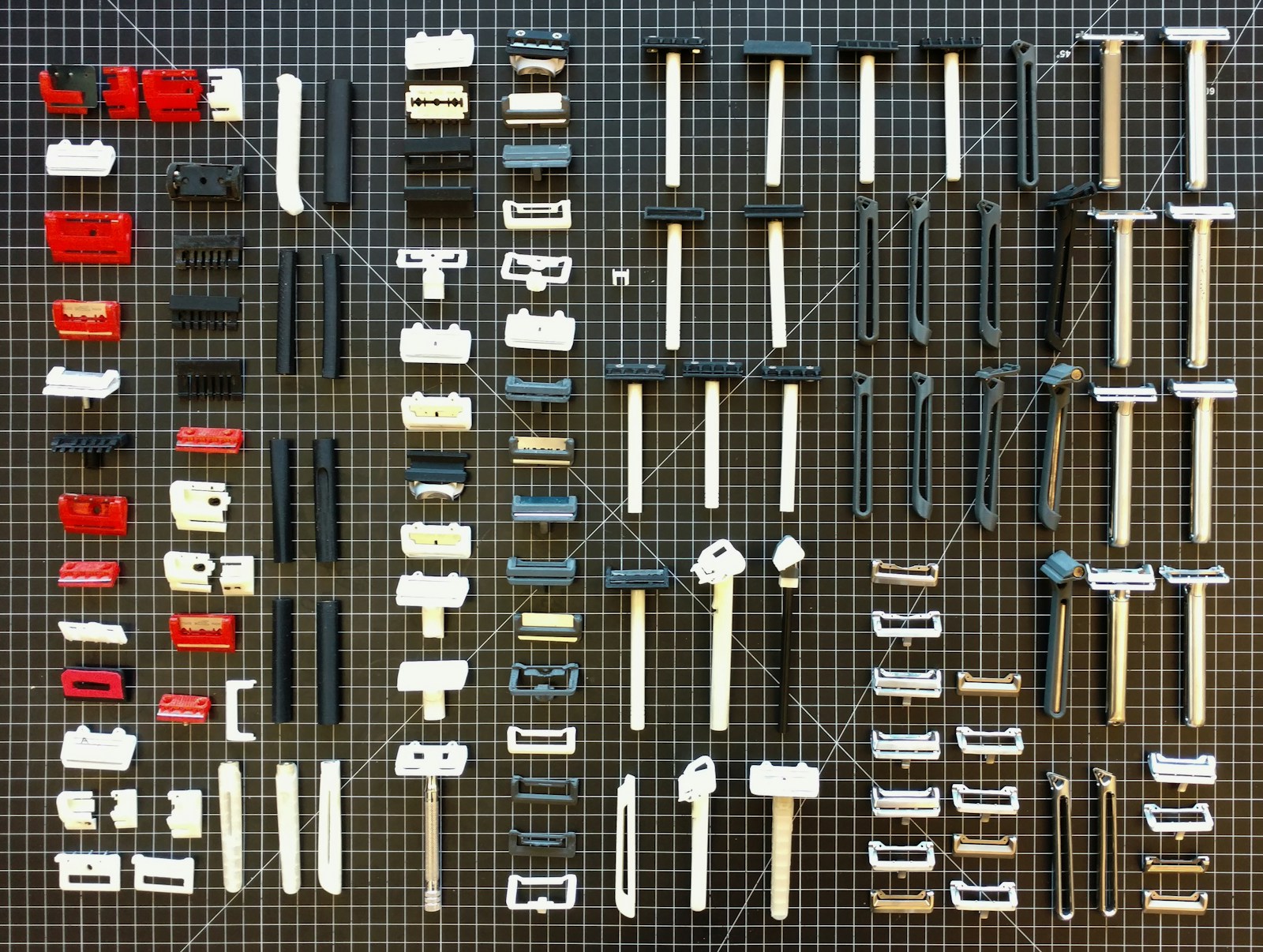
A June 2026 Why Design interview describes dozens of OneBlade prototypes before a pivot toward simplicity. The episode quotes the thought succinctly: “And simpler is usually better.” For a product team, the copyable habit is to let testing revise the direction while the object is still cheap to change.
“And simpler is usually better.”PENSA interview · Why Design · June 2026
The workshop becomes a customer
PENSA also turned a fabrication problem into D.I.Wire, a desktop CNC wire bender developed through Pensa Labs. Drawn curves become physical wire forms. Its 2013 Kickstarter campaign raised $177,522 from 288 backers against a $100,000 goal. Those pledges demonstrate demand for that product; they are not the consultancy’s development budget or an equity funding round.
- 01 / ObserveFind the interaction that slows somebody down.
- 02 / Mock upGive the assumption a physical shape.
- 03 / TestLet use and materials correct the idea.
- 04 / ProduceResolve sourcing, assembly and service.
The current portfolio extends that connection between physical and digital work. Comia’s nursing pillow combines weight sensing with feeding-data tracking. ButterflyMX intercom development involved installation, waterproofing and heat dissipation. These projects require the interface and the enclosure to agree with each other.
ARAY, a heated recovery roller, shows how far the assignment can spread. PENSA helped develop the name and brand as well as the object. Inside, a rigid core contains the battery and controls; foam layers provide cushioning and house the heating element. The product has to reconcile structure, warmth and contact with a body. For a founder, that breadth offers one team for decisions that would otherwise travel between several suppliers. It also demands decisions about the business before the packaging is ready.
Integrated product development is a crowded market; Smart Design and fuseproject offer comparable breadth. PENSA’s case rests on the specificity of its work. The practical inference for a prospective client is to arrive with access to users, time for iterations and permission to question the brief. When all that is available, even a curtain can become an unusually revealing place to begin.