industrial-design
(26)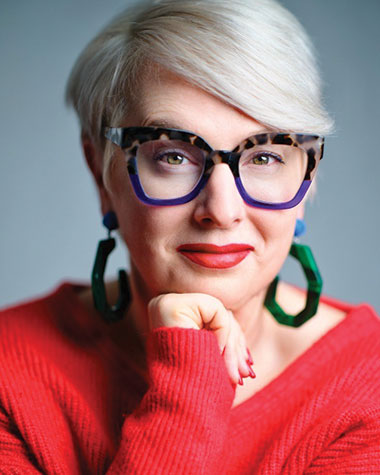
Abigail Kiefer and the art of making room
She helped turn a San Francisco intersection into a place to gather, then built a business connecting designers with retailers. At Airbnb, Abigail Kiefer is still working on how people, places and technology get along.
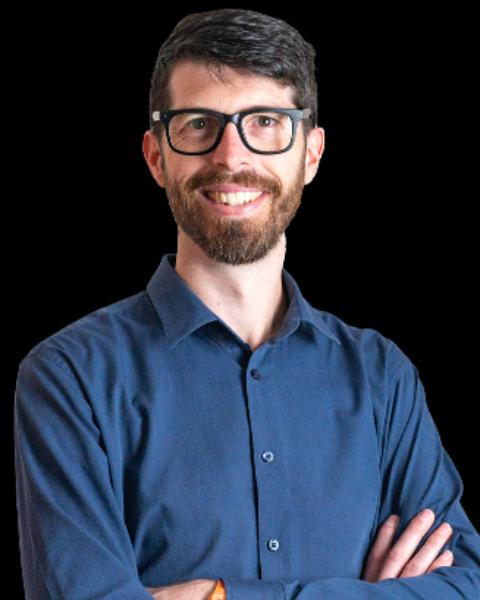
David Moodie and the trouble with a convincing imitation
A product designer needed metal prototypes that behaved like the finished thing. His search for an answer took him from backyard microwave experiments in New Zealand to building a casting business in Austin.
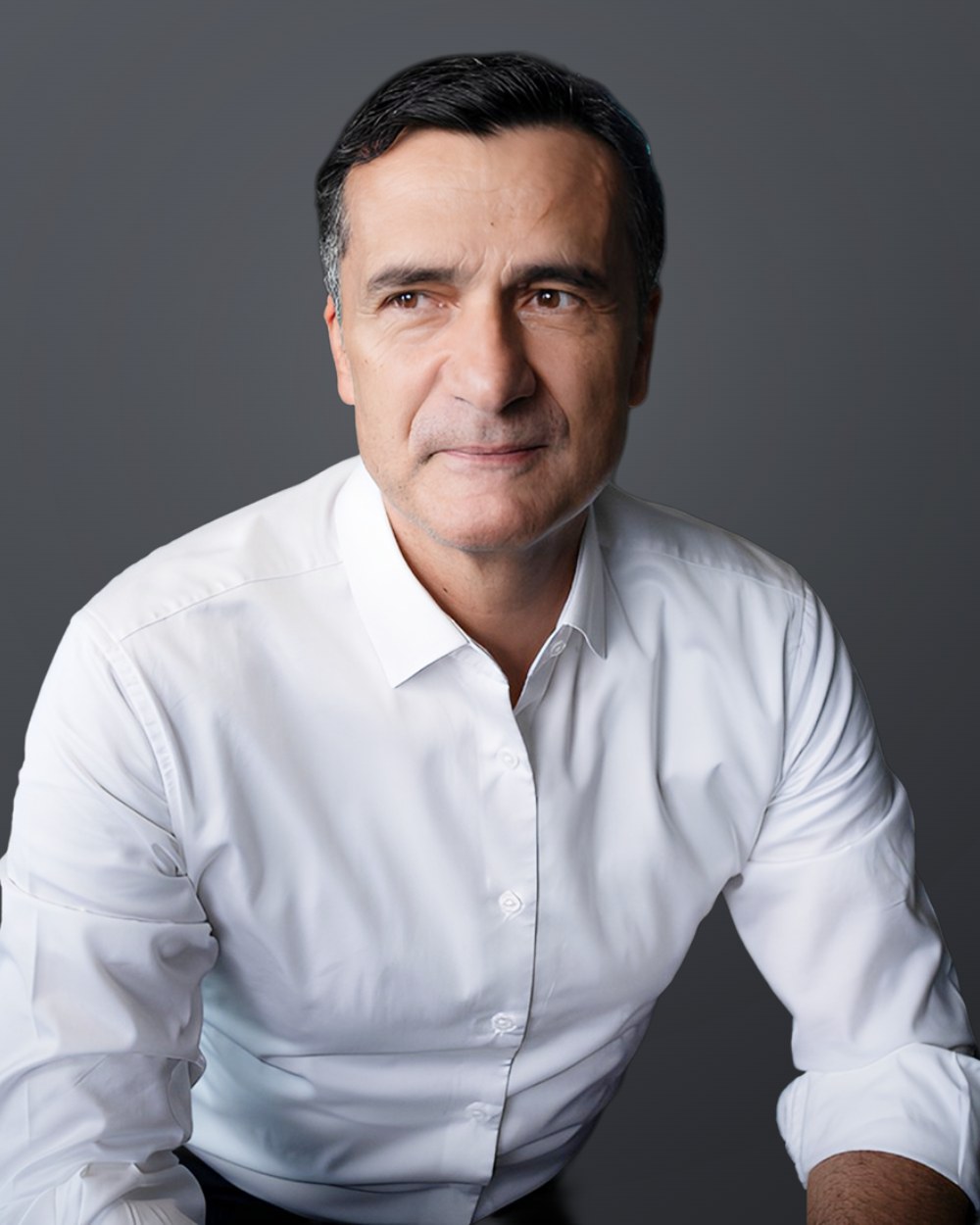
Akif Ekin and the city that wouldn't sit still
Before he put intelligence into a police-car lightbar, Akif Ekin studied spacecraft and designed lamps. His route from Denizli to Stuttgart to Istanbul helps explain a career spent moving technology out into the street.
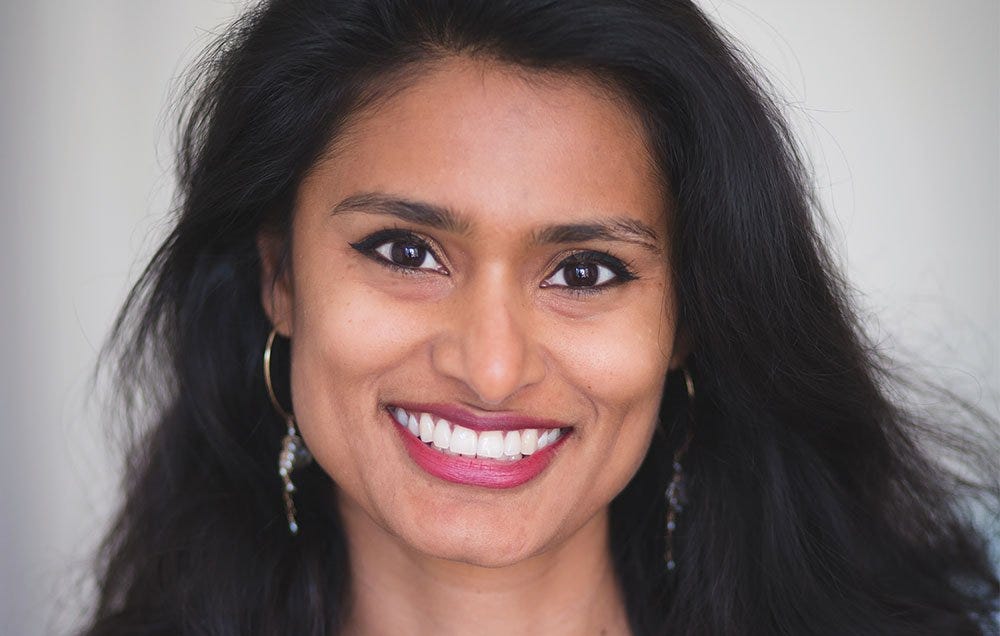
Aashi Vel and the dinner on the other side of the window
A kitchen glimpsed in Mexico gave Aashi Vel an idea. With Traveling Spoon, the industrial designer turned founder has spent more than a decade helping travelers get invited inside.
Anthony Maglica and the $125 question
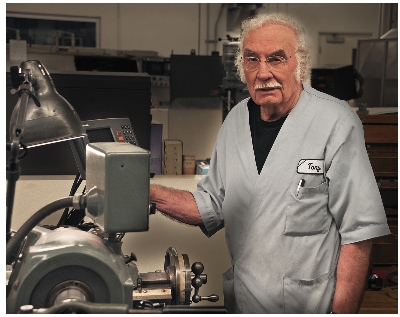
Before the Maglite, there was a lathe he could barely afford. Anthony Maglica spent the next seven decades working out what he could make with it - and where he believed it ought to be made.
Mostafa ElSayed and the problem between the machines
He left architecture to build a robot arm. Running Automata taught Mostafa ElSayed to look beyond the machine - at the people, spaces and unfinished work around it.

Marc Tappeiner and the Art of Leaving Things Out
Before founding Lifestyledesign, Marc Tappeiner led product design at BMW Designworks. His work since then keeps returning to a deceptively difficult question: what does an object actually need?

Andrew Adamovich and the art of building something that lasts
Before founding AdvanCell, Andrew Adamovich invested in companies across Asia. His next act brought scientists, designers and investors together - and eventually meant handing over the CEO’s job while staying to build in Australia.
Dougan Clarke and the education of an umbrella
A Florida boatyard taught Dougan Clarke how things survive the sea. At Tuuci, he brought those lessons ashore - and learned that building a company also means letting other people build it.

Chris Hugh Put a Life Raft in a Pocket
For more than a decade, the Southern California inventor has pursued a severe design brief: make cold-water survival equipment small enough to wear, simple enough to deploy, and substantial enough to climb into.
Jordan Taylor Is Teaching AI to Respect the Sketch
The Vizcom co-founder began with car sketches, eight months of savings and one viral Reddit post. His bet now is that AI can accelerate the messy middle of design without taking the pencil out of the designer's hand.
Anirudha Surabhi Put the Intelligence Inside the Helmet
First he redesigned the material inside a helmet. Then he redesigned what a helmet could know. Anirudha Surabhi's career is a study in staying with one problem long enough for the technology - and the market - to catch up.
Brett Allcorn Built a Business by Asking Better Questions
From a street-side rock stand to a New York speaker series, Brett Allcorn’s career is a study in turning curiosity, copy, and repeated experiments into a durable company.
Kyle Hoff Built Floyd From One Leg - Then Designed It to Stay
An architect, a Craigslist apartment and a refusal to buy one more disposable table produced a $256,000 Kickstarter. A decade and an acquisition later, Hoff is still asking the same useful question: will this piece survive the next move?
Noah Dentzel Put a Cable in a Wallet - Then Spent 14 Years Learning What Belongs in Your Pocket
Before the leather cases, charging stands and global retail shelves, there was a dying BlackBerry, a homemade prototype and cheap white wine on a boat. Noah Dentzel's real product is a habit: notice the annoyance, make the tool, then keep listening after it ships.
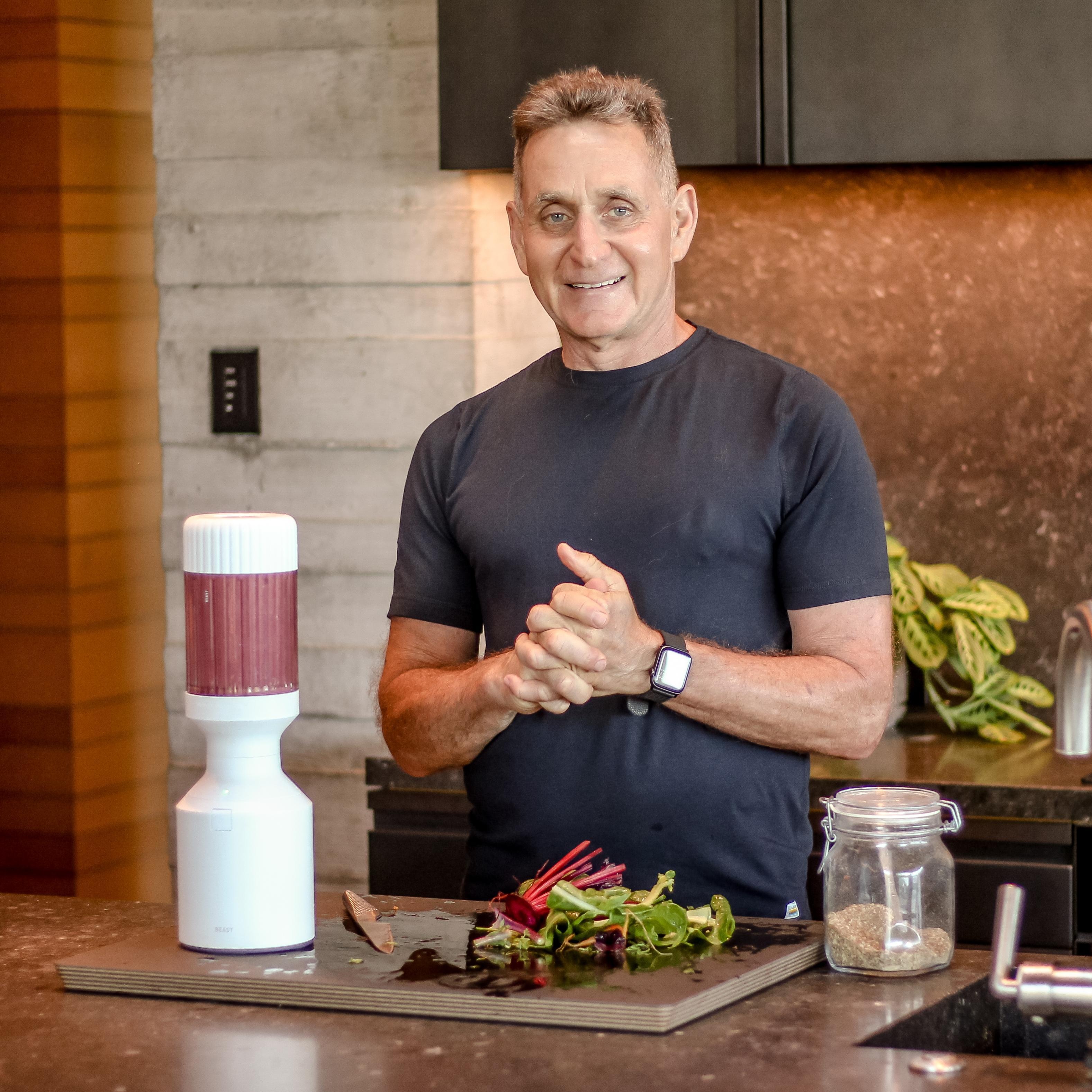
Colin Sapire’s Second Spin: Building a Blender People Refuse to Hide
After helping turn personal blending into a mass-market ritual, the accountant-turned-inventor returned with Beast Health - a lesson in why the second draft should be slower, sturdier and handsome enough to live in public.
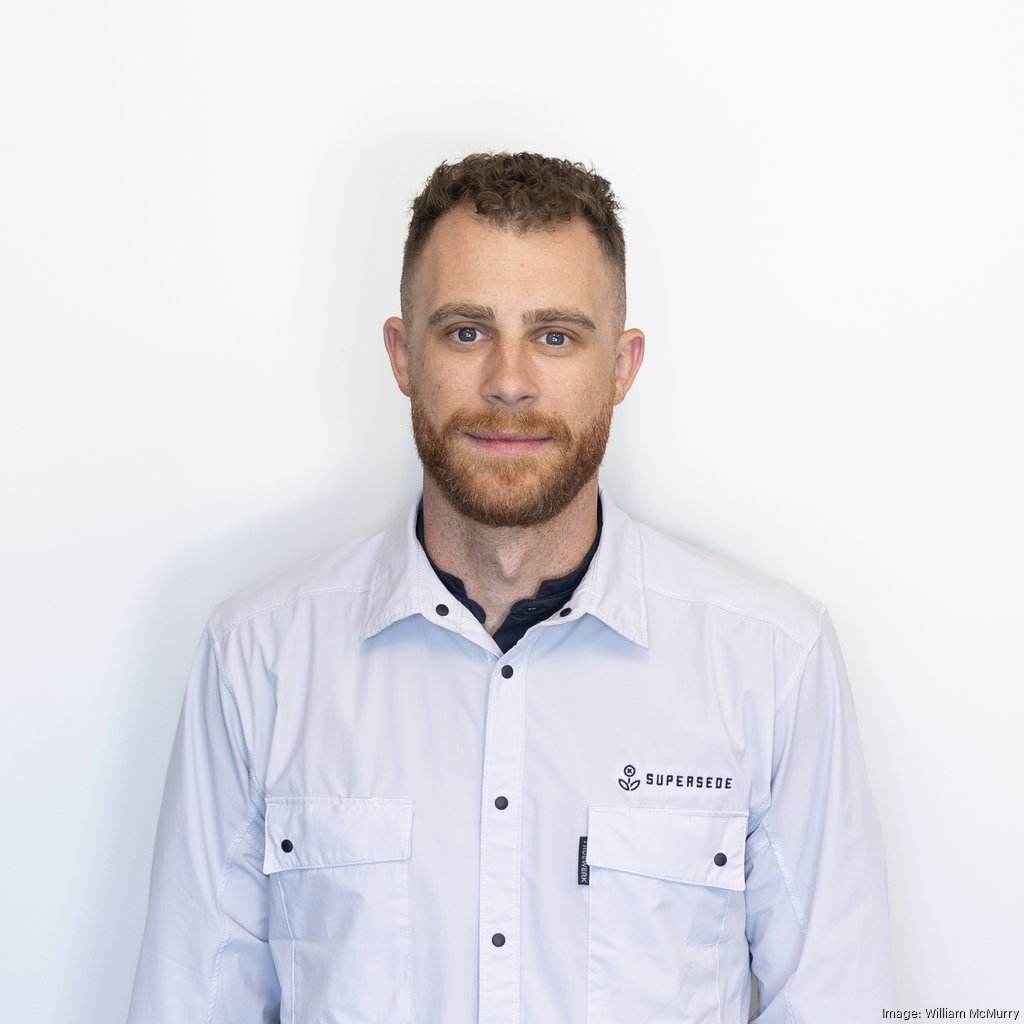
Sean Petterson Wants Plywood to Meet Its Replacement
After turning a student invention into an acquired industrial-safety company, Sean Petterson chose an older adversary: plywood. His second act is a lesson in selling change to factories that have no patience for disruption.
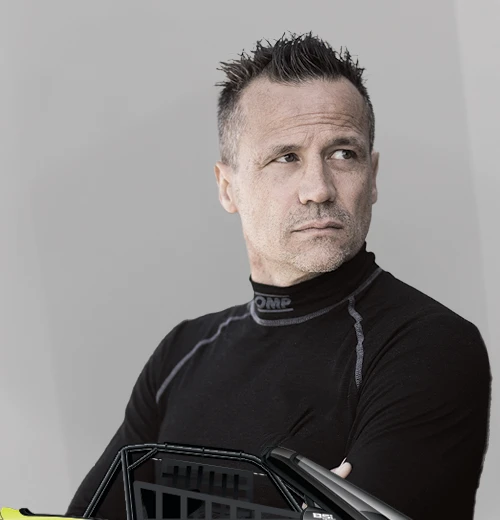
Damon Ockey Designs for the Long Run
A second-generation homebuilder with an industrial designer's eye, Damon Ockey has spent decades turning attention into something tangible - homes, community spaces, accessible details and laps that raise money for children.
Jacob Knudsen
Jacob Knudsen is the Chief Marketing Officer of Blade HQ, the Lehi, Utah knife and everyday-carry retailer that has grown from a 2003 startup into one of the largest online cutlery stores in the United States. An industrial designer by training - he earned a BFA from Brigham Young University - Knudsen joined Blade HQ in the mid-2000s and spent roughly sixteen years as its Chief Creative Officer before moving into the CMO seat in 2023. His fingerprints are on the brand's design language and on the content engine behind a YouTube channel with more than half a million subscribers. He is also a serious balisong collector, a subject he walked viewers through on Blade HQ's Collector's Corner, and a co-host of the first episode of the company's Steel and Stories podcast.
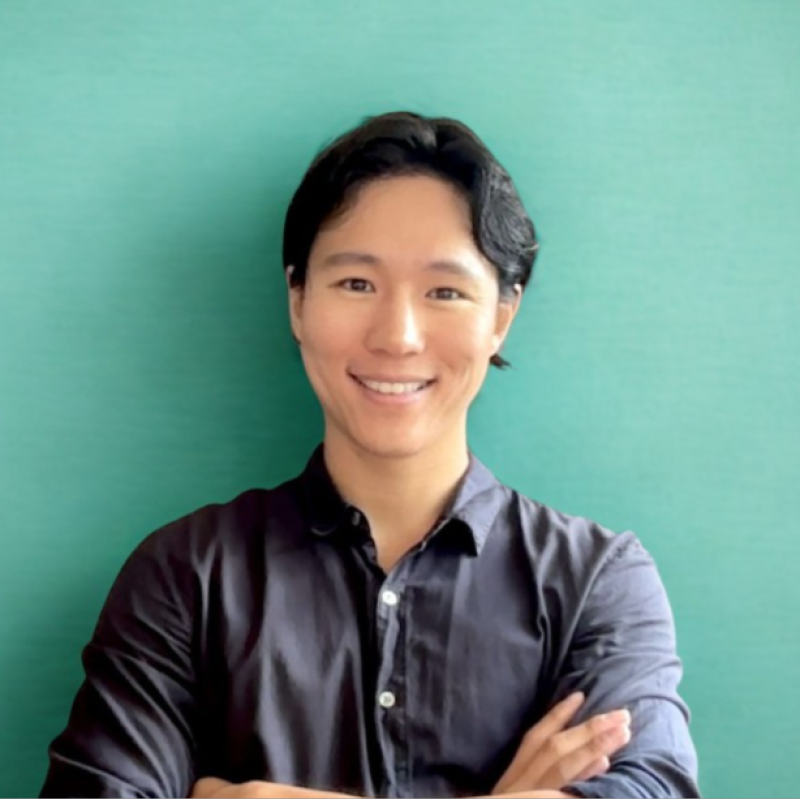
Kevin Yoo
Kevin Yoo is the CEO and co-founder of Haptic (formerly WearWorks), a New York-based technology company building tactile-feedback navigation tools. With co-founders Keith Kirkland and Yangyang Wang, he created the Wayband - a wristband that guides users through pure vibration. In 2017, the device helped ultramarathoner Simon Wheatcroft become the first blind runner to attempt the NYC Marathon without sighted assistance. Yoo is an industrial designer by training, a Pratt Institute alum, and a Council of Korean Americans member.

Jutta Friedrichs
Jutta Friedrichs is a German-born designer and co-founder of Soofa, the Cambridge, MA company that makes solar-powered digital signs for city sidewalks. Before Soofa she ran the MÜ furniture studio in Shanghai, co-founded Xindao's in-house design team, won two Red Dot Awards, an iF Design Award and an Elle Decoration Award, and earned a Masters at the Harvard Graduate School of Design. She mentors at the Harvard Innovation Lab and works at the seam of hardware, human-centered design, and the civic public realm.
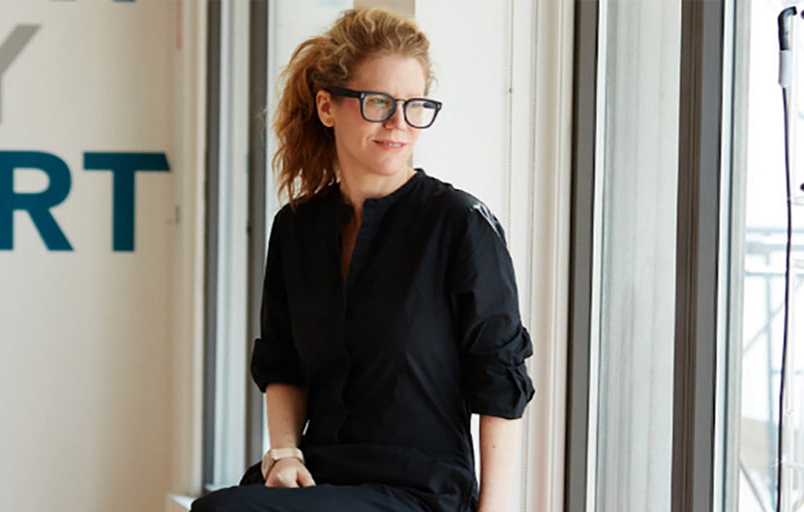
Karen John
Karen John is the founder and CEO of Heartwork, a New York furniture company she launched in 2012 to drag the workplace out of its sea of gray, black, and beige. Trained as an industrial designer in Milan and an engineer at Stanford, with an INSEAD MBA and a former VP of Merchandising stint at Design Within Reach, she rebuilt the most boring category in office design - storage and lockers - into something people actually want to look at. Heartwork builds steel furniture and smart lockers domestically, leans on color as a cultural tool, and has raised a Series A backing John's bet that beauty and durability belong in the same room.
Jonathan Johnsongriffin
Jonathan Johnsongriffin is VP of Global Brand & Creative at Google, where he leads the Global Brand Studio's creative strategy. A veteran of Nike's most iconic campaigns - including 'You Can't Stop Us' and 'Just Do It Crazy Dreams' - he spent nearly five years shaping Nike's global brand narrative before joining Google in January 2023. Co-founder of the Serena Williams Design Crew program, jury member at Cannes Lions 2023 and 2024, and board trustee at Oregon Museum of Science and Industry, Johnsongriffin blends industrial design roots with cultural storytelling at the intersection of sport, technology, and purpose.
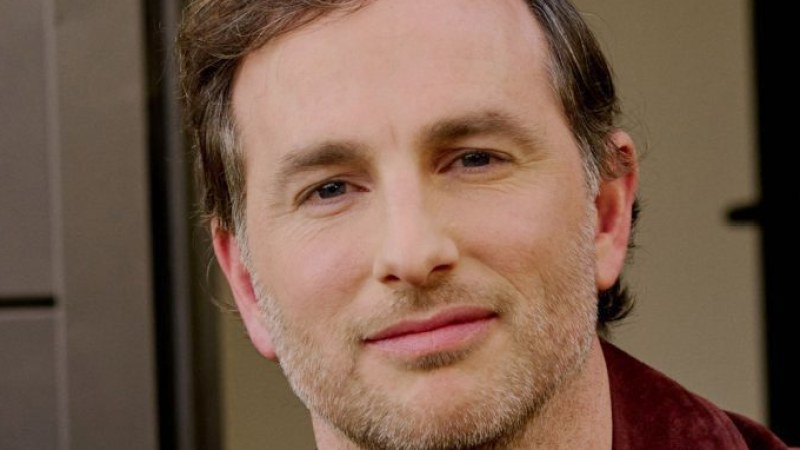
Joe Garcia
Joe Gebbia co-founded Airbnb in 2008 out of a San Francisco living room - air mattresses, breakfast included - and turned a half-crazy idea into an $85B company. His current venture, Samara, builds factory-assembled, solar-ready backyard homes (ADUs) that go from permit to move-in in under seven months. In early 2025 he became America's first Chief Design Officer, tasked with redesigning the federal government's 27,000 websites. A Rhode Island School of Design graduate with dual majors in graphic and industrial design, Gebbia approaches every problem - housing affordability, government UX, refugee shelter - through the lens of democratic, empathetic design.

Souvik Paul
Souvik Paul is the CEO and Founder of Aurie, a medtech company that built the first FDA De Novo-cleared reusable intermittent catheter system. A Harvard-educated designer and former J&J strategist, Paul was driven to start Aurie after witnessing a family member's struggle with catheter-associated infections following a spinal cord injury. His Oakland-based startup has raised $14.24M and is pioneering a no-touch, automatically disinfecting catheter system designed to transform care for the 600,000 Americans who rely on intermittent catheters.
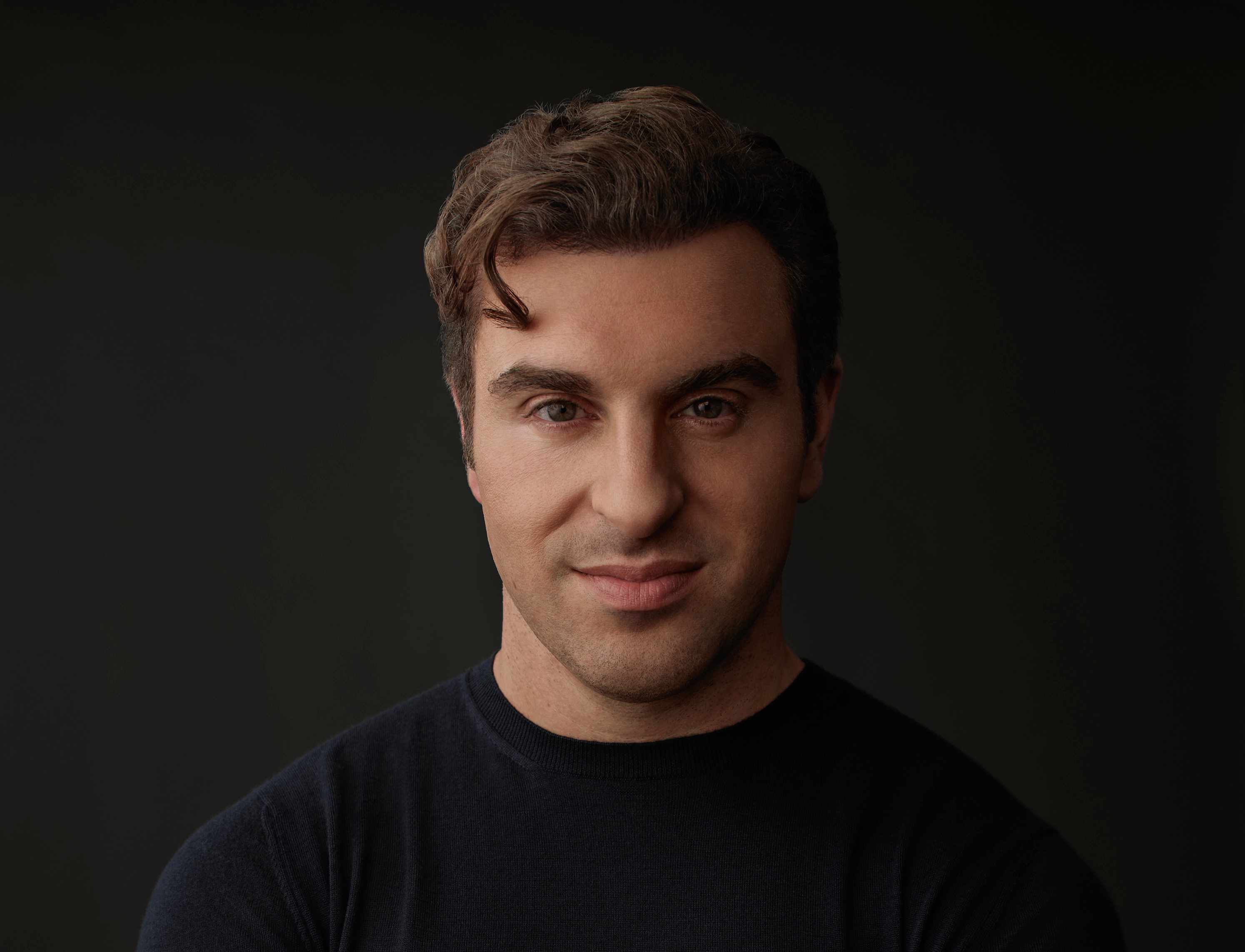
Brian Chesky
Brian Chesky is the co-founder and CEO of Airbnb, the global home-sharing and travel marketplace operating in 220+ countries. A Rhode Island School of Design-trained industrial designer, Chesky built Airbnb from a $80/night air mattress rental in his San Francisco apartment into a company that went public in December 2020 at an ~$86.5 billion market cap — just nine months after losing 80% of its business to COVID-19. In 2024, his hands-on leadership philosophy sparked a viral debate in Silicon Valley under the term 'founder mode,' coined by Y Combinator's Paul Graham after a Chesky talk. As of 2025, he is steering Airbnb's boldest pivot yet: from a home-rental platform to a full-service travel ecosystem.