Marc Tappeiner wanted a house without drywall. This is an unusually revealing request from someone whose professional life involves deciding what things should be made of. With architect Robin Donaldson, he settled on four principal materials: steel, concrete, glass and wood. For a designer, this is a little like agreeing to cook dinner with four ingredients. The shopping becomes easier. Everything else requires considerably more attention.
The setting was Santa Barbara, where Tappeiner had bought a wedge-shaped plot with his wife. The site brought restrictions; he brought preferences. The collaboration produced a home that made its structure visible and gave its upper level to the living spaces and ocean views. His explanation was economical.
“The philosophy here was about taking things away until arriving at the essence.”Marc Tappeiner, on his home
There is a useful introduction to Tappeiner in that sentence. He founded Lifestyledesign in 2002 after directing product design at BMW Designworks in California. His studio has worked on headphones, sunglasses, protective cases and wearable electronics. Across those categories, the decisions become interesting when the requirements refuse to agree.
The hometown, before the studio
Santa Barbara runs through his biography well before it becomes a business address. Tappeiner attended Monroe, La Cumbre, Santa Barbara High and City College. His later education includes California State University, Long Beach, which his professional profile dates to 1987-1992. In March 2022, the university scheduled him as a speaker in its Duncan Anderson Design Lecture Series. The student had become someone invited to explain the work.
At BMW Designworks, that work crossed company boundaries. He managed teams developing products and services for brands including BMW, Mini, Nokia, Nike, Adidas, Siemens and Motorola. The title can suggest a career spent drawing automobiles. His remit was product design, with the variety of clients and problems that the term allows.
By 2001, he was also exploring desktop personal fabrication with fellow Designworks designer Greg Brew. They imagined downloading designs and making customized objects locally, reducing the burdens of packaging and transport. Tappeiner compressed the ambition into a line: “Minimum amount of packaging, maximum amount of design.” It was a concept study, an expression of where he thought making might go.
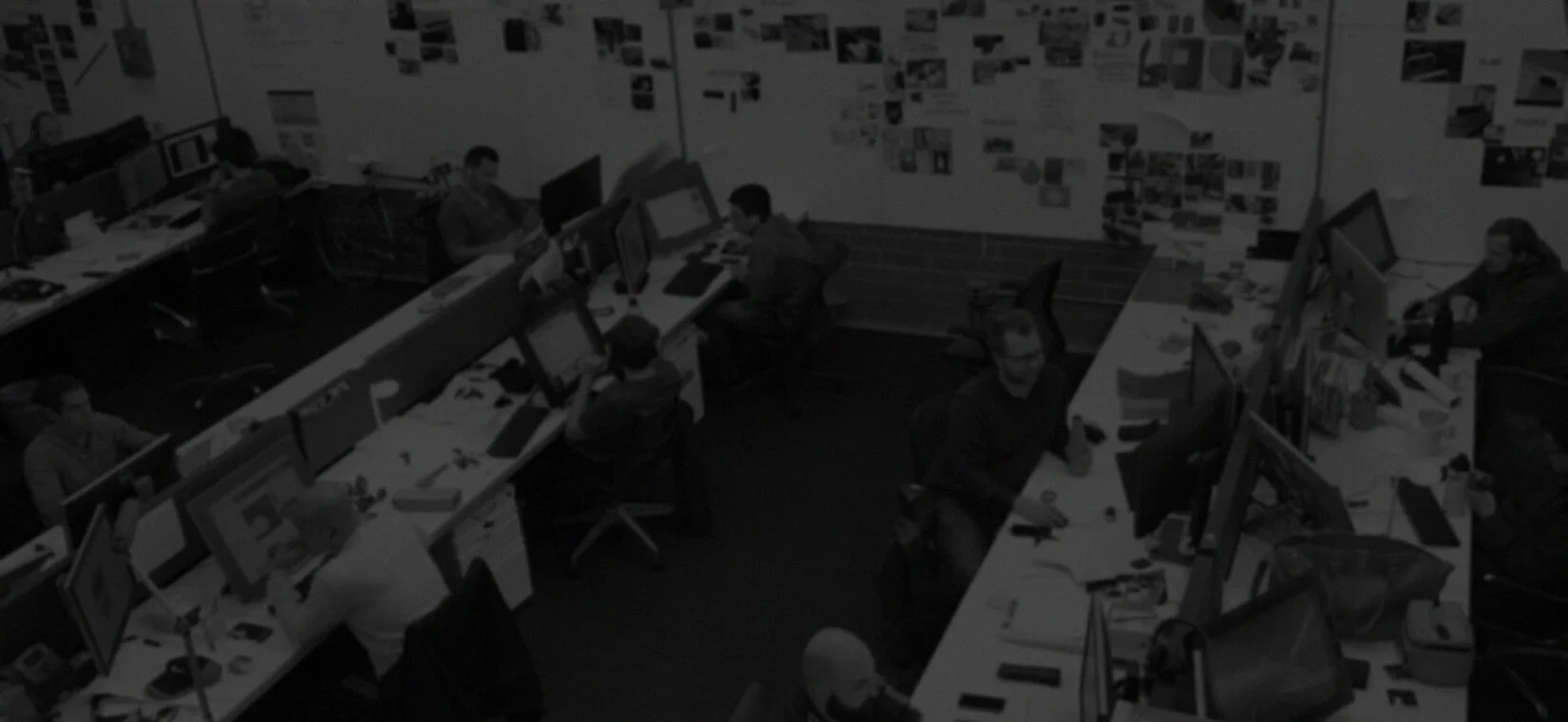
A mask makes the local gallery
A year later came Lifestyledesign. By 2008, the studio’s SubFrame Dive Mask for Atomic Aquatics was among the selections for The Bellwether Effect, a Santa Barbara design exhibition. The project brought a precise mechanical question into a gallery setting: where should the supporting structure of a diving mask sit?
Tappeiner described the change as moving from an external skeleton to an internal one. Durability and usefulness were central to the result. A familiar piece of equipment had been reconsidered through its construction. The exhibition placed the mask alongside architecture and other local design work, an agreeable reminder that ingenuity has no obligation to arrive at building scale.
It is an early example of a recurring feature of his studio’s portfolio. The object remains recognizable. The intervention happens in the relationship between the parts, the material and the person using it. A diving mask still has to go diving. A gallery invitation is a pleasant extra.
What a speaker should say before it plays
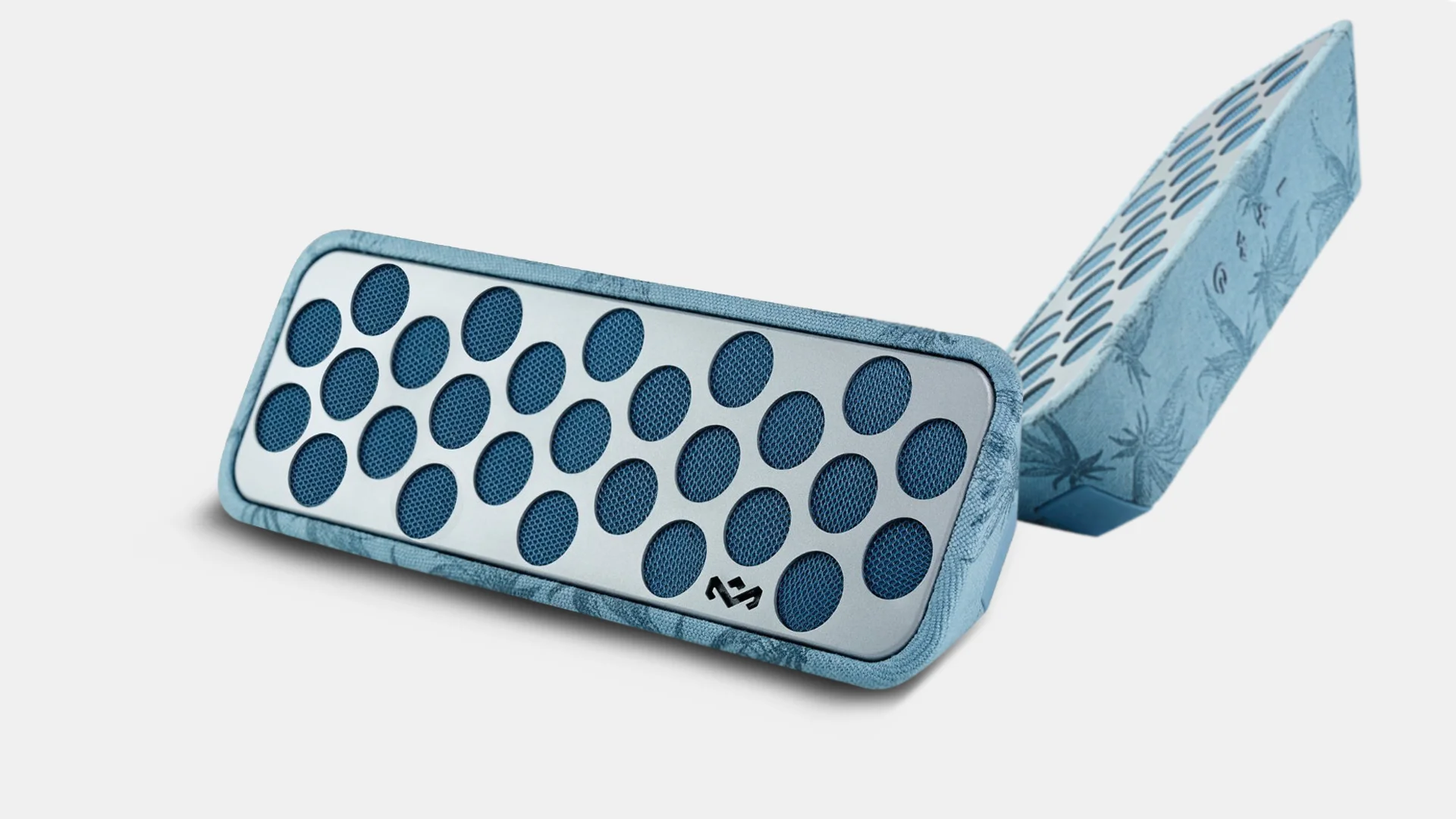
House of Marley gave the studio a different sort of construction problem. The audio products had to carry an identity connected to Bob Marley’s music and values. A loudspeaker is quite capable of playing the record while saying nothing about the people behind it. The brief asked for a more deliberate relationship.
The team researched fashion, audio and the market before developing a product family, brand design and packaging. The work was made in collaboration with the Marley family. Materials became part of the explanation: the Get Together speaker combined bamboo panels with the brand’s REWIND fabric, while the Liberate used fabric and a bamboo rear panel.
These choices gave the products a recognizable family resemblance without requiring identical shapes. For Tappeiner’s practice, the project also shows how far the job can extend beyond the casing. Market position, product form and the box it arrives in all require decisions. The experience becomes more coherent when those decisions are made in conversation.
The fishing net gets a vote
For Bureo, the material arrived with its own complications. The company collected discarded fishing nets and transformed them into material for new products. Lifestyledesign’s assignment was a line of sunglasses. The recycled feedstock’s existing color and texture made it difficult to treat like an obedient substitute for conventional plastic.
The studio used linear texture in the frames and introduced a contrasting metal insignia. The material’s character became something to compose around. Different frame shapes followed, including Baffin, Caldera, Pescador and Victoria, with variations in fit and silhouette.
This is where an environmental intention becomes a design decision that can be inspected. A material can have a persuasive backstory and still present awkward manufacturing or visual problems. Someone has to resolve the surface, the proportions and the detail. In this case, the answer accepted the material’s presence rather than trying to make it disappear.
Tappeiner’s own informal biography supplies some personal context. He writes about making things more sustainable, protecting outdoor places and “surfing killer points when it’s on”. The punctuation is enthusiastic. The priorities are easy to understand.
How much can a box understand?
Pelican’s cases presented another boundary to reconsider. The studio was asked to expand the appeal of the company’s micro-case range while developing its existing design language. That required looking at personal gear management: what people carry, where it travels and how they want to organize it.
The resulting Ruck and Go cases addressed different users. The Ruck’s organization features included a removable tray, a flexible rubber wall and a loop system with straps. The team worked with Pelican’s engineers as it developed the products. The case had to retain the protection associated with the brand while allowing more ways to use its interior.
A box can seem like an admirably settled invention until you put several small, incompatible possessions inside it. Then the arrangement becomes the design problem. Tappeiner’s studio treats that arrangement as worthy of investigation. The outside establishes an expectation; the inside determines whether the object is agreeable company on a trip.
A few millimeters, right in front of your face
Smart glasses make the consequences of bulk particularly personal. For the Vuzix Blade 2.0 project, the studio identified two versions of the problem: actual mass and perceived mass. Electronics occupy physical space. A frame’s shape can also make that space appear more conspicuous.
Lifestyledesign worked with Vuzix engineers to reconsider the components while developing surfaces and details intended to give the glasses a more familiar eyewear appearance. Engineering and visual design were tackling related parts of the same brief. Removing physical bulk helps; making the remaining form understandable matters too.
The studio’s eyewear experience extends beyond electronics. In May 2024, Serengeti announced a partnership for Lifestyledesign to lead the design of new collections. The relationship already included frames such as Geary, Boron, Spello and Tellaro. The announcement connected an existing body of work with a continuing role in the brand’s direction.
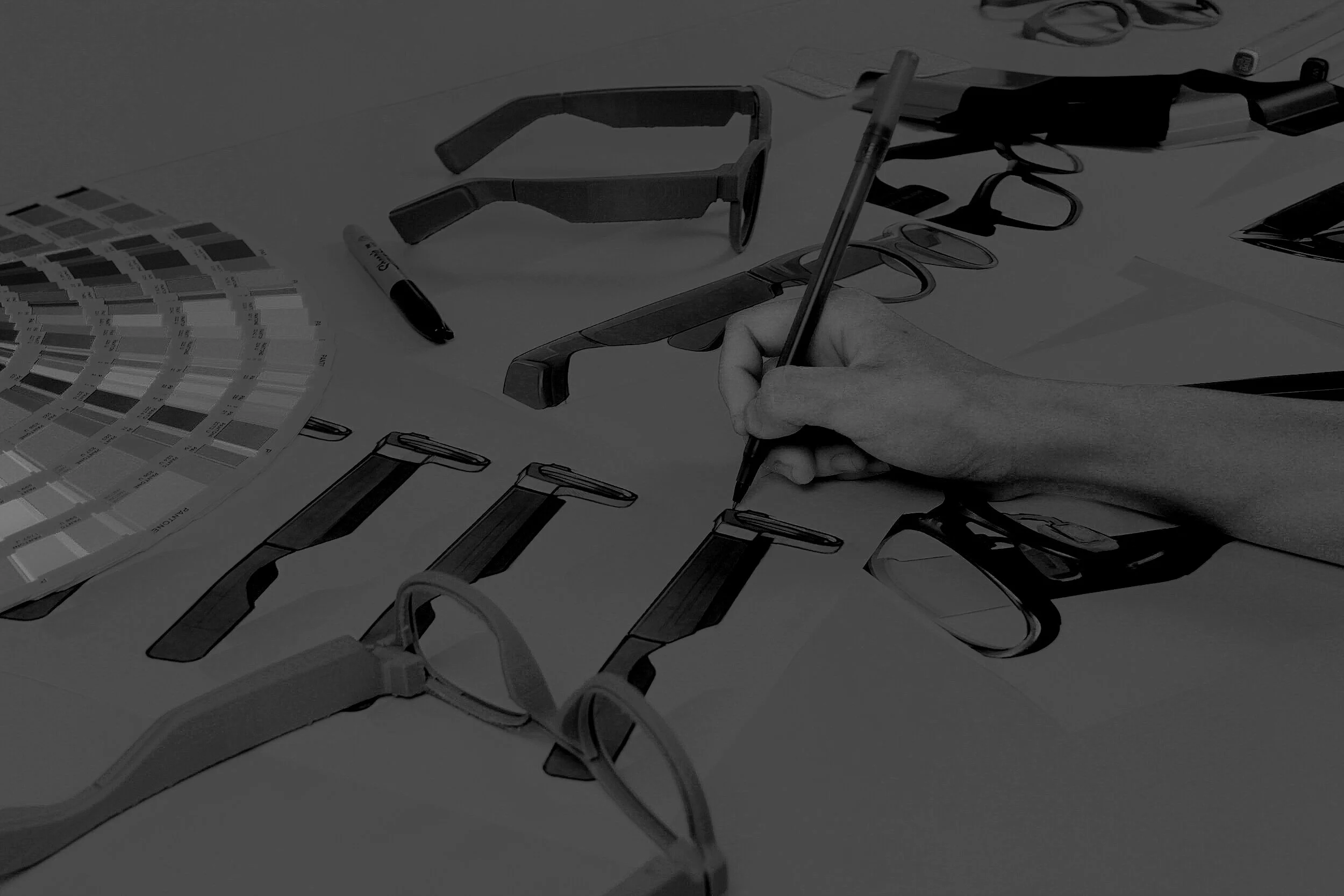
These are intimate categories for a designer to work in. A case accompanies someone out of the house. A speaker joins the furniture. Glasses sit on the face, where a slightly awkward proportion is difficult to overlook. Each object must find an acceptable place in ordinary routines. The photographs can show the intended appearance; the repeated act of using it delivers a more demanding verdict. That helps explain why these projects reward attention to small differences. A removable part or a change in texture may occupy little space in a presentation, yet account for much of the experience.
What stays when the tools change
Today the studio describes its scope as spanning research, strategy, industrial design, engineering, prototyping and more. Its reported total of over 500 products belongs to a team and its collaborations. The number suggests repeated encounters with the practical distance between a proposal and something ready for the market.
Tappeiner’s recent public writing turns to AI and the possibility of exploring many more design directions. He argues for using that expanded range alongside the judgment needed to choose, refine and manufacture. It is a contemporary version of an interest visible in his earlier fabrication study: tools can change what becomes possible, and the designer still has choices to make.
The prospect of more alternatives also makes restraint an active part of the work. An available feature creates a question rather than an obligation. Another material introduces another joint, finish and manufacturing decision. A designer has to decide whether the addition earns its place in the finished object. The appeal of Tappeiner’s preference for reduction lies in the patience that preference requires.
His own house offers a compact illustration of that responsibility. Agreeing to four materials did not finish the design. It established the terms on which a great many further decisions would be made. Steel still had to meet glass. The rooms still had to accommodate a life.
That is the appealing thread through Tappeiner’s career: sustained attention to what an object asks of its maker, and what its owner will eventually ask of it. Sometimes the useful move is to add a tray. Sometimes it is to work with an inconvenient texture. And sometimes the thing to leave out is the drywall.
Follow the decisions
Explore the projects and conversations.
- Lifestyledesign: projects and studio
- Marc Tappeiner on LinkedIn
- Marc’s Coroflot profile
- Lifestyledesign on Instagram (studio)
- Watch the House of Marley project film
- The house with Robin Donaldson
- Serengeti’s 2024 partnership announcement
- CSULB design lecture series
- The 2001 desktop fabrication concept
- The Bellwether design exhibition