computer-vision
(296)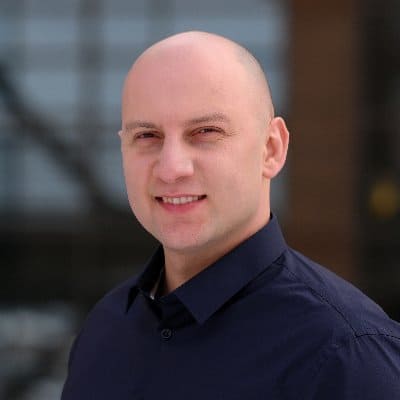
Tigran Petrosyan wanted a break. He got a company.
A lakeside startup competition helped pull Tigran Petrosyan out of his PhD and into business with his brother. Building SuperAnnotate taught him how much work begins after the algorithm.
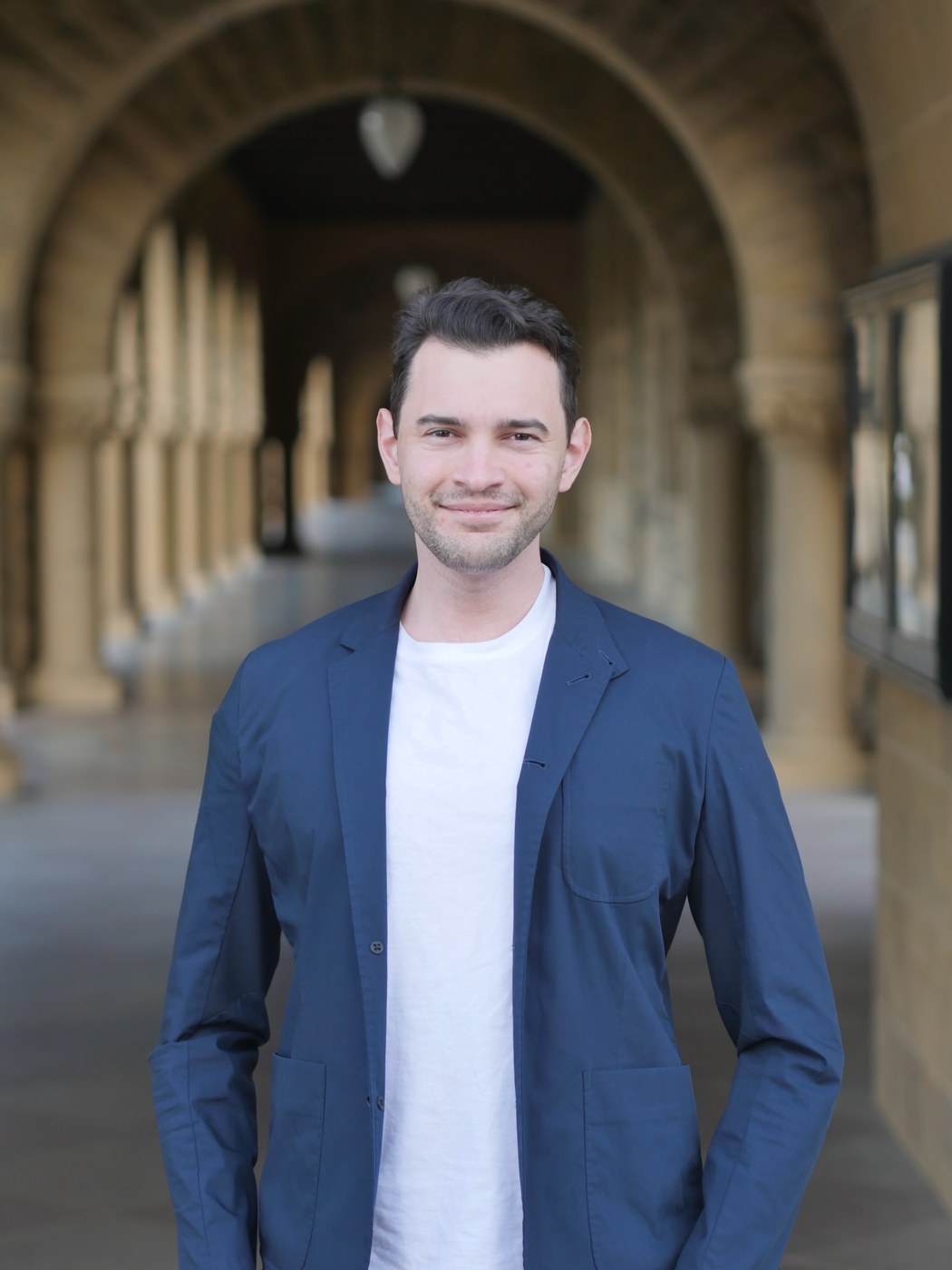
Michael Lingelbach and the problem of a believable performance
Before he built Hedra, Michael Lingelbach acted on stage and studied how machines navigate the world. His next act brings those interests together: teaching digital characters how to hold our attention.

Kevin Eunsu Lee and the Art of the Second Attempt
An earlier venture closed. The driving problem stayed. With CARVI, Kevin Eunsu Lee returned to a question that now reaches from an ordinary windshield to the way insurers judge risk.
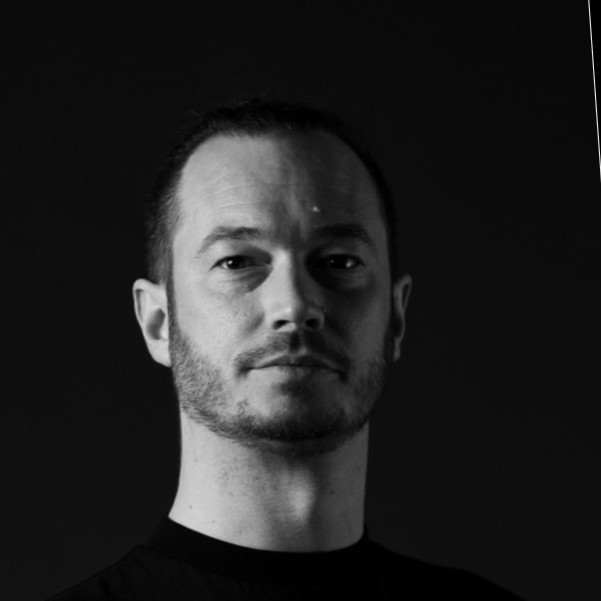
Jakob Uszkoreit and the art of leaving things out
He helped replace a familiar piece of the language-model machinery. Then he kept asking what else could go. The path from Google Translate to Inceptive runs through a surprisingly restless research record.
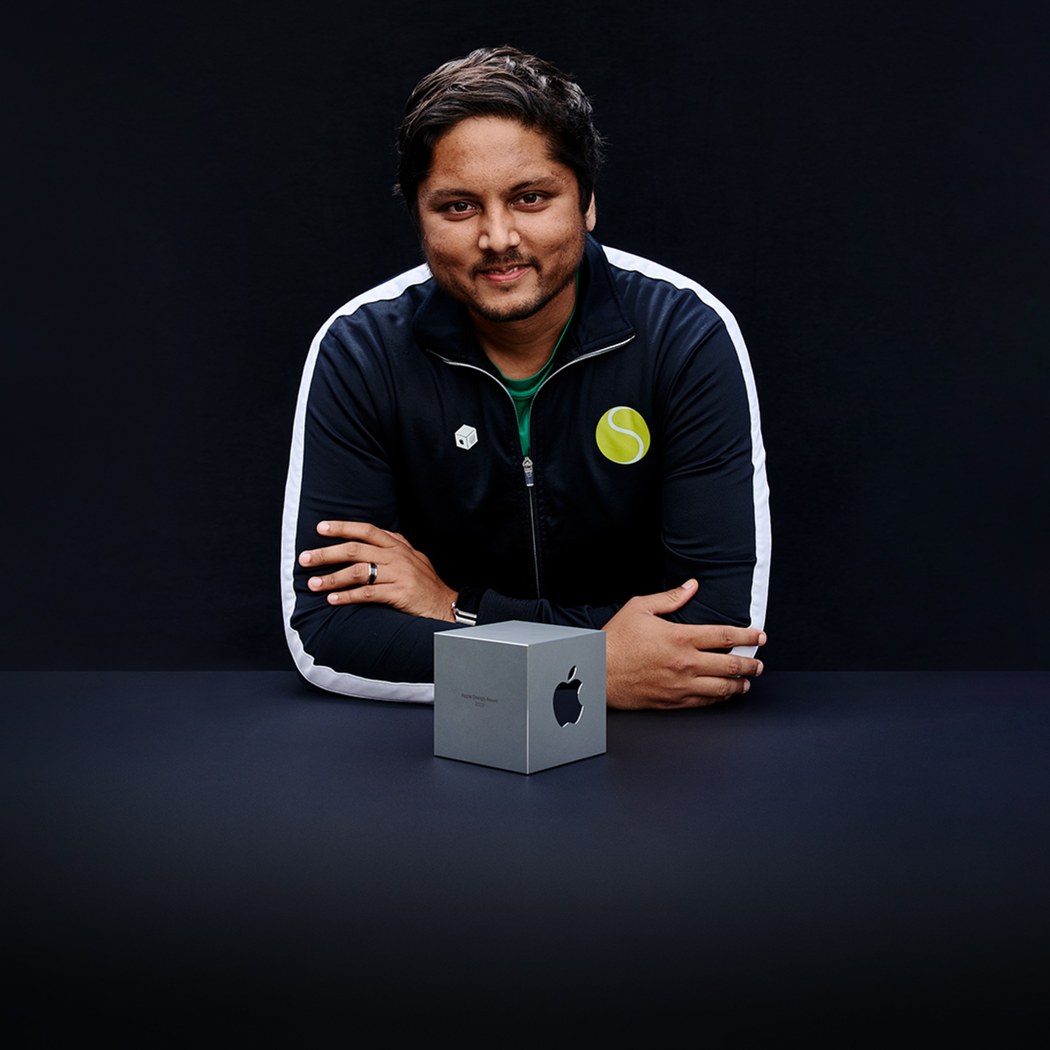
Swupnil Sahai and the case of the missing tennis data
He wanted the match statistics he saw on television. A watch app, a stint at Tesla and a locker-room pitch to Andy Roddick sent Swupnil Sahai toward a different kind of tennis career.
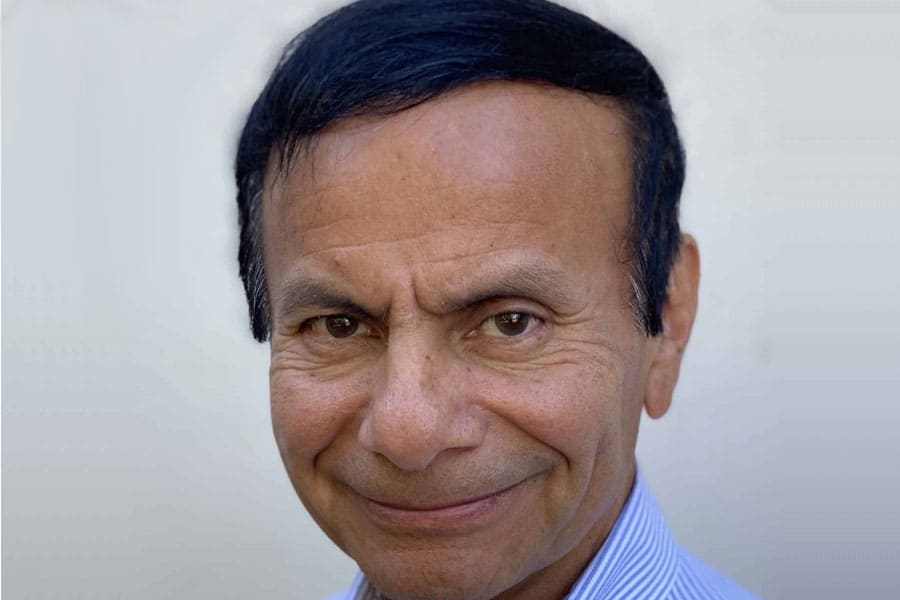
George Bolanos and the house inside the phone
A childhood spent taking radios apart led to a career asking more of everyday technology. At InsideMaps, George Bolanos has turned that curiosity toward the rooms we live in - and the people who need to understand them.
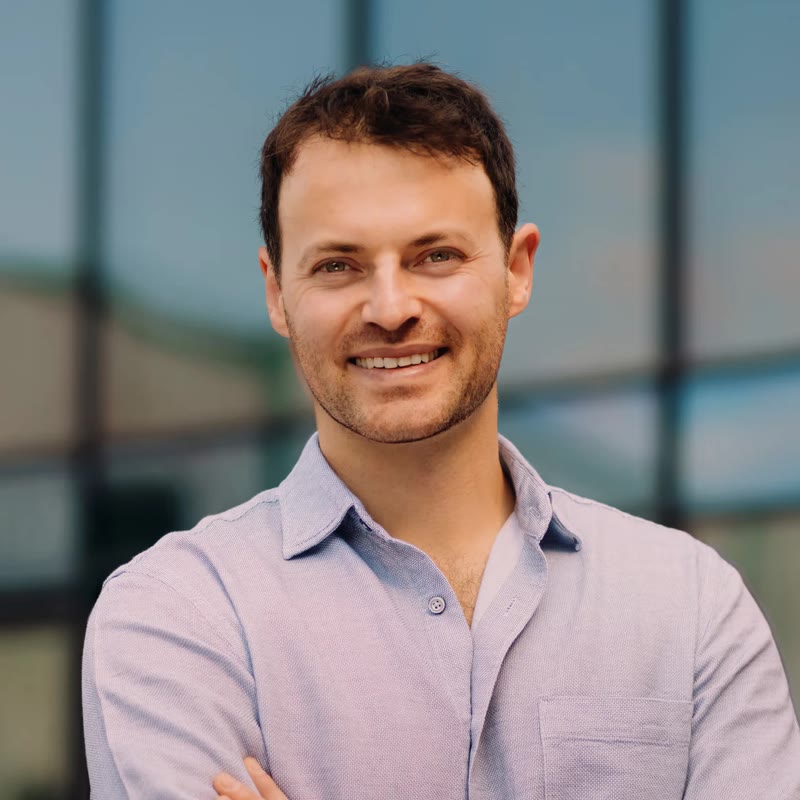
Alex Kendall’s car learned the wrong lesson.
An early Wayve experiment rewarded a car for distance travelled. It learned to zigzag. For Alex Kendall, the journey from that awkward lesson to production car agreements has been an education in what intelligence actually requires.

Victor Dewulf went looking for value in the wrong bin
A Belgian engineer left Goldman Sachs, borrowed a garage and taught a computer to recognise rubbish. His next problem is getting an entire recycling plant to see what it is throwing away.
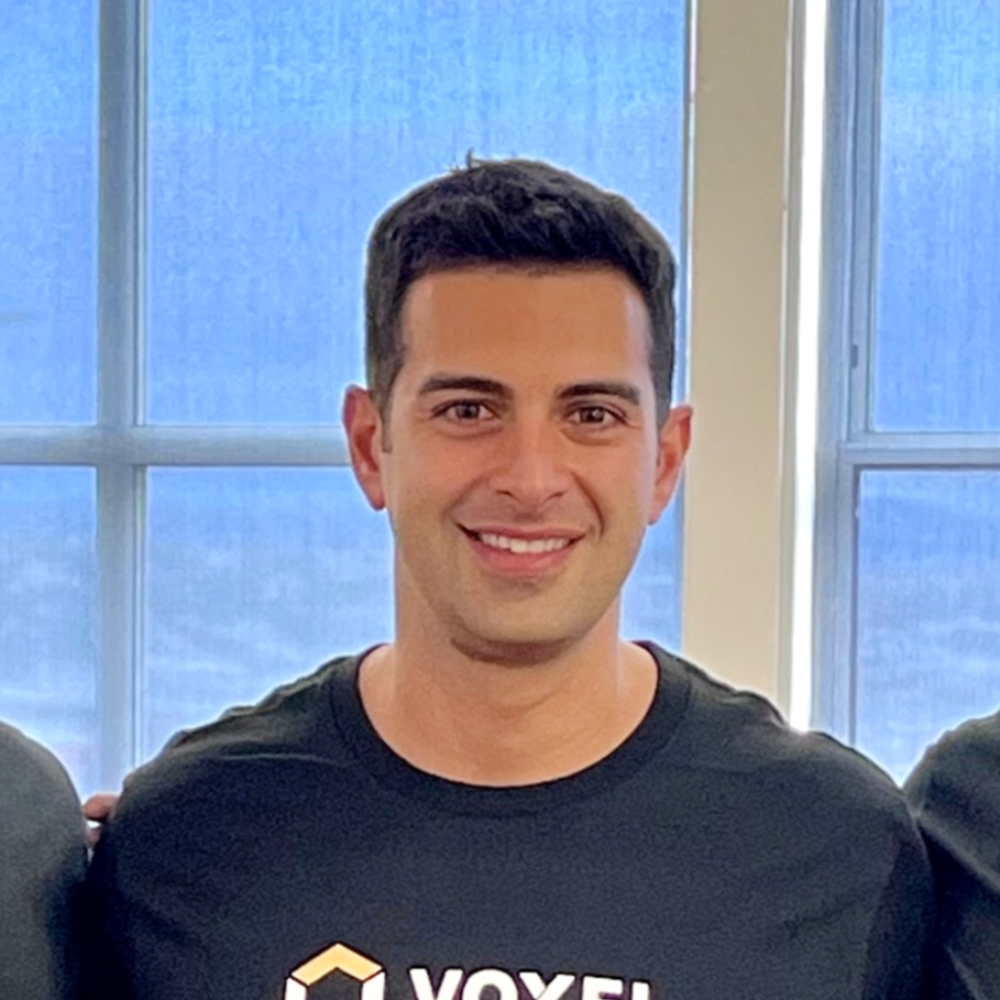
Alex Senemar and the things a warehouse camera misses
He co-founded Voxel after cold-calling warehouses during COVID. Now, at LuminX, Alex Senemar is asking what computer vision can tell us about the freight passing through the door.
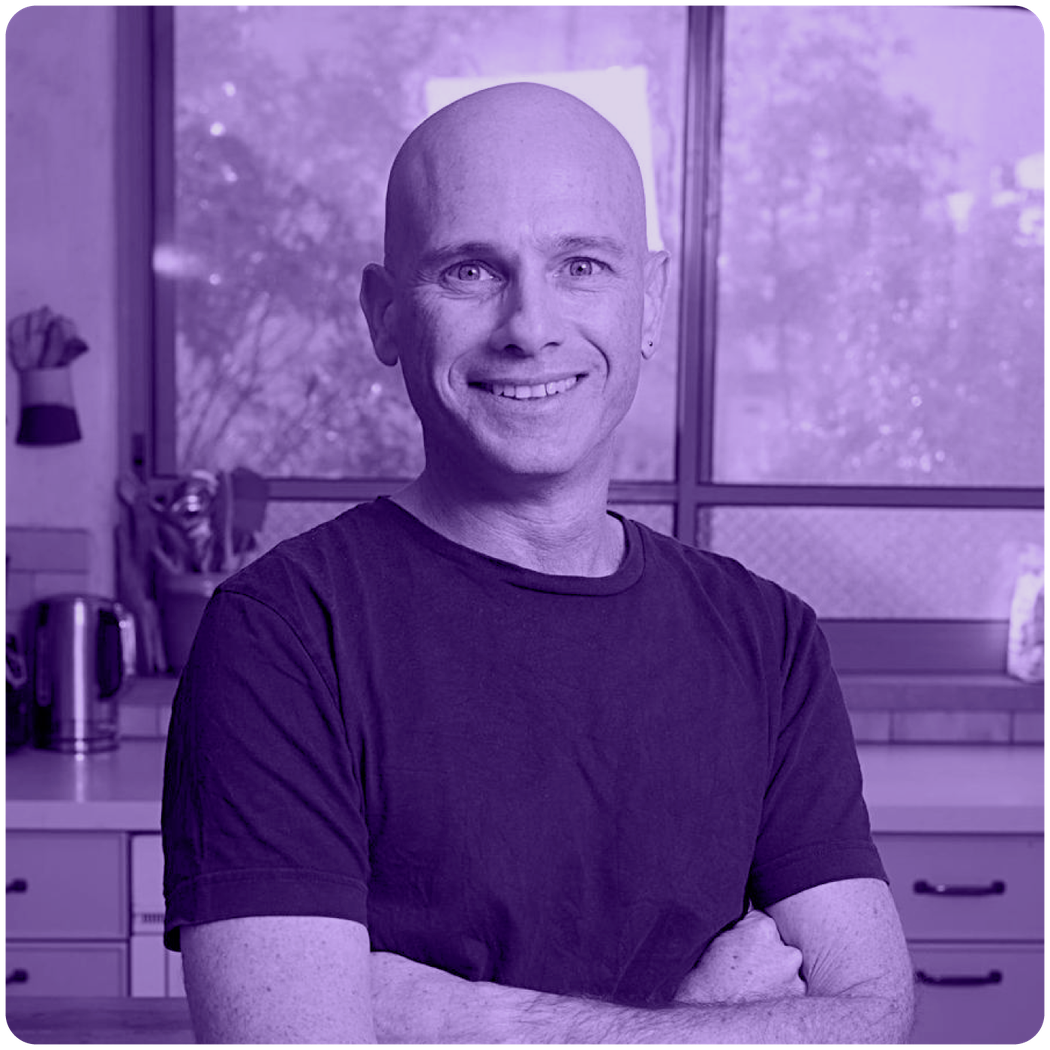
Assaf Glazer built a camera. Then he went back to the kitchen.
The Nanit co-founder and founding CEO took a detour through culinary school and restaurant work. At Vinst, he is bringing the same habit of close observation to the recipes people want to keep.
Amir Hever and the value of looking underneath
A security guard with a mirror gave Amir Hever and his brother an idea. The oil leaks their scanner found helped turn it into a different business.
Ali Rehan and the problem hiding in the picture
Before Obvio’s street cameras, Ali Rehan built an app that put the photographer back in the group photo. His career has followed the camera from a Lahore research lab to the American intersection.

Ken Mills and the Work Between the Wires
He helped build a billion-dollar business inside Dell, then became EPIC iO’s founding CEO. Ken Mills’s career turns on a less glamorous skill: getting people, machines and businesses to work together.
Rishi Stocker and the price of a second life
After four years building partnerships at Revolut, Rishi Stocker took on a different kind of exchange: the trade in discarded materials. At Safi, his work comes down to a stubborn question - how do you make recycling pay?
Eric Berry and the freedom to change his mind
He left corporate law, helped build TripleLift, and led it to a $1.4 billion valuation. The thread running through Eric Berry’s career is a willingness to change the plan while keeping a firm grip on the numbers.
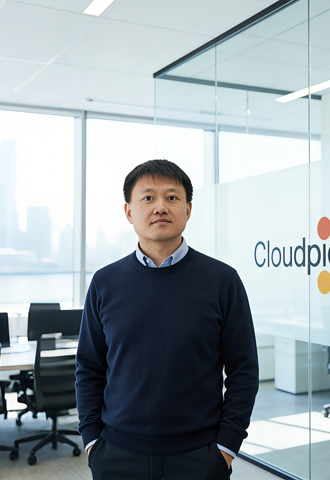
Jeff Feng and the business of disappearing checkouts
After building stores that let shoppers walk straight out, the Cloudpick founder made a harder exit of his own: he stopped running the shops. His next customers were the retailers.
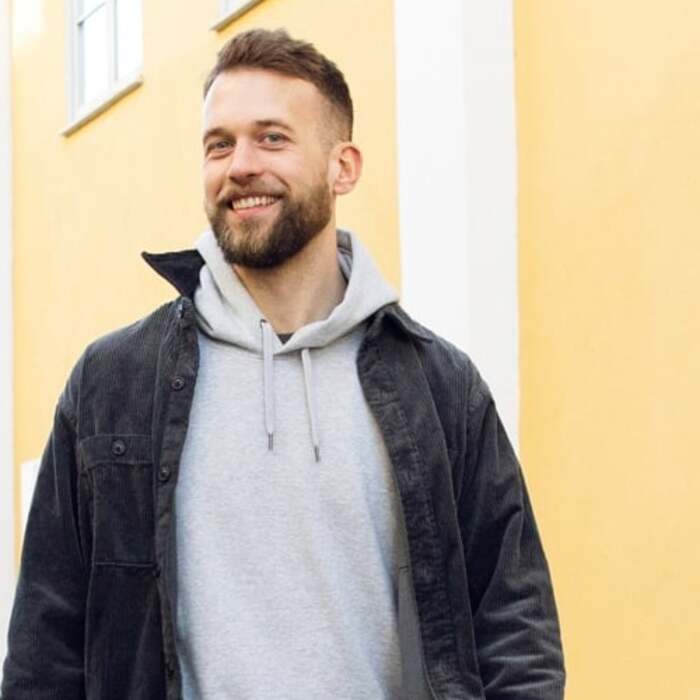
Mikkel Wad Thorsen and the art of staying useful
From a Copenhagen shipyard loft to a $20 million funding round, Teton’s co-founder has kept returning to one awkward question: what does the customer actually need?
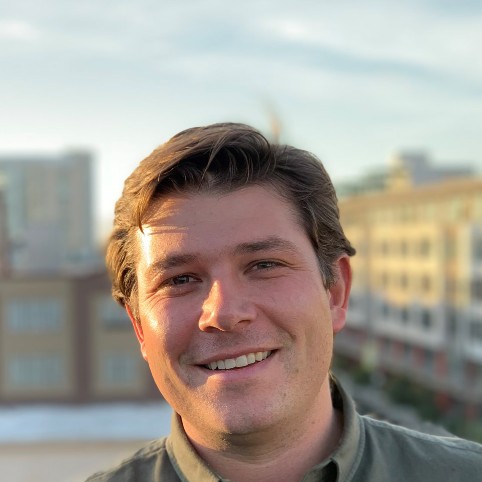
Billy Gilmartin and the trouble with knowing
He built a business cleaning America’s largest sewer pipes. At SewerAI, Billy Gilmartin is working on the distance between spotting a problem underground and getting someone to fix it.
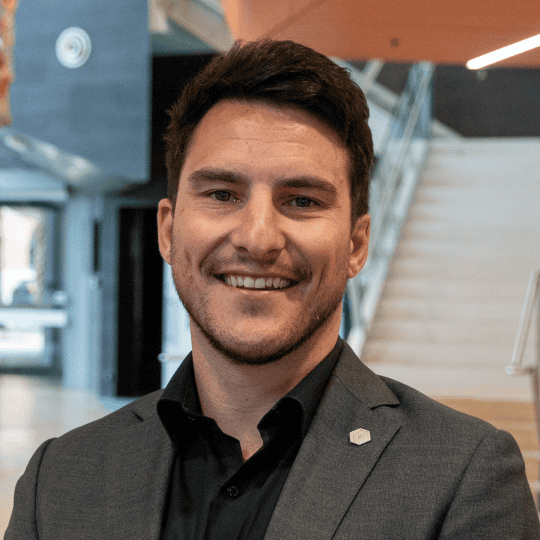
Christopher Sampson and the apple that needed no introduction
A frustrating checkout helped Christopher Sampson find a problem worth solving. Building Tiliter taught the engineer how much else has to work before a good idea reaches the shopping aisle.
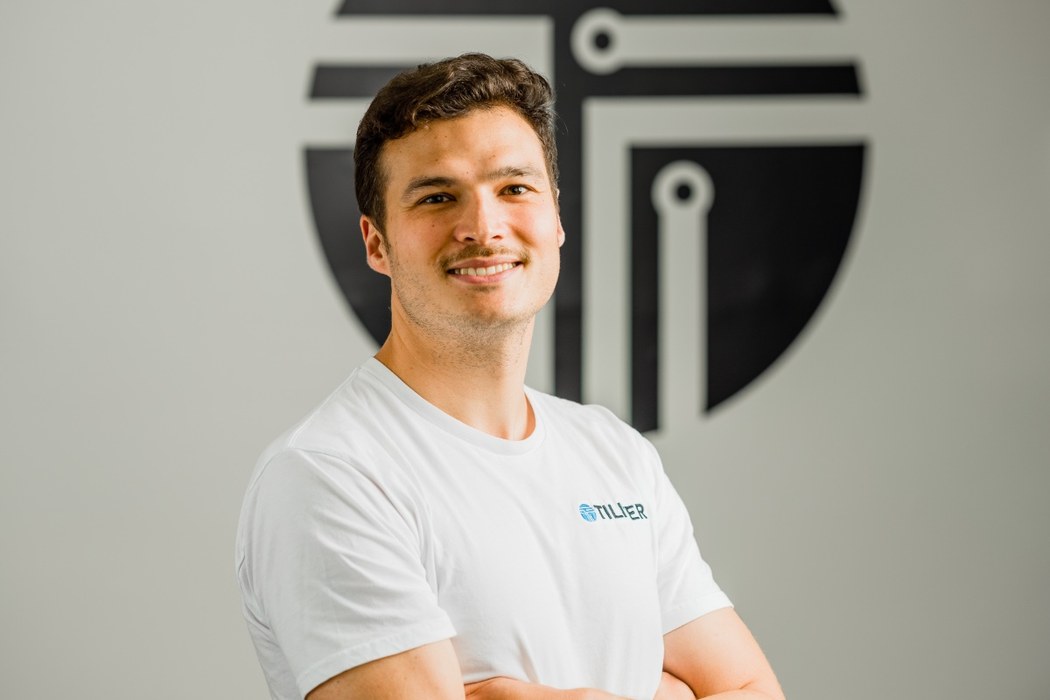
Marcel Herz and the problem with an avocado
He went to Australia without a career plan. A few years later, Marcel Herz was teaching supermarket cameras to recognise produce - and discovering how much business hides inside a small, everyday problem.
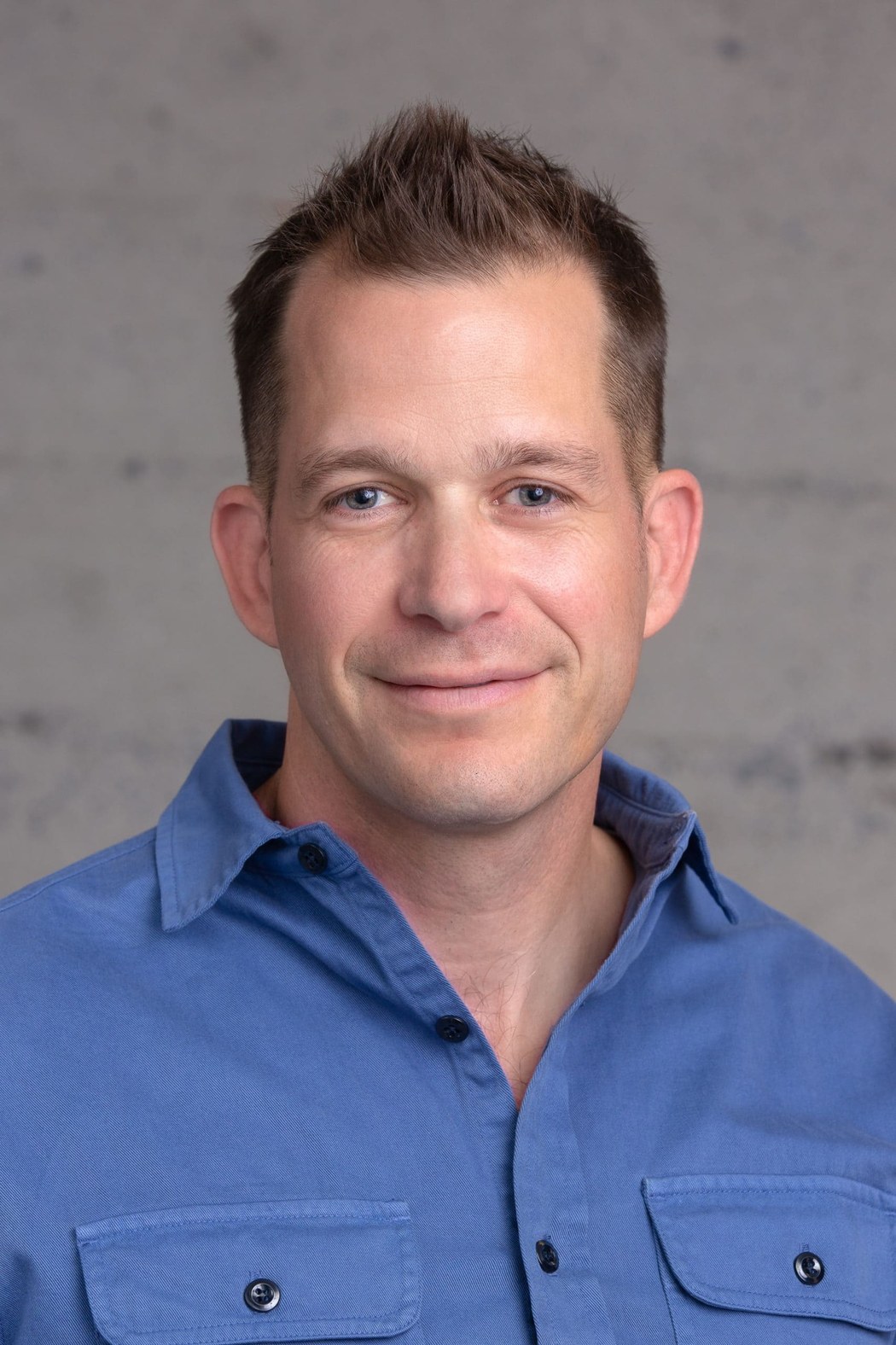
A.J. Altman and the distance between a photograph and a promise
A former Intel engineer and Marine infantry officer built Hover around an everyday leap of faith: buying a renovation you cannot yet see. His answer starts with a phone camera and ends at the kitchen table.
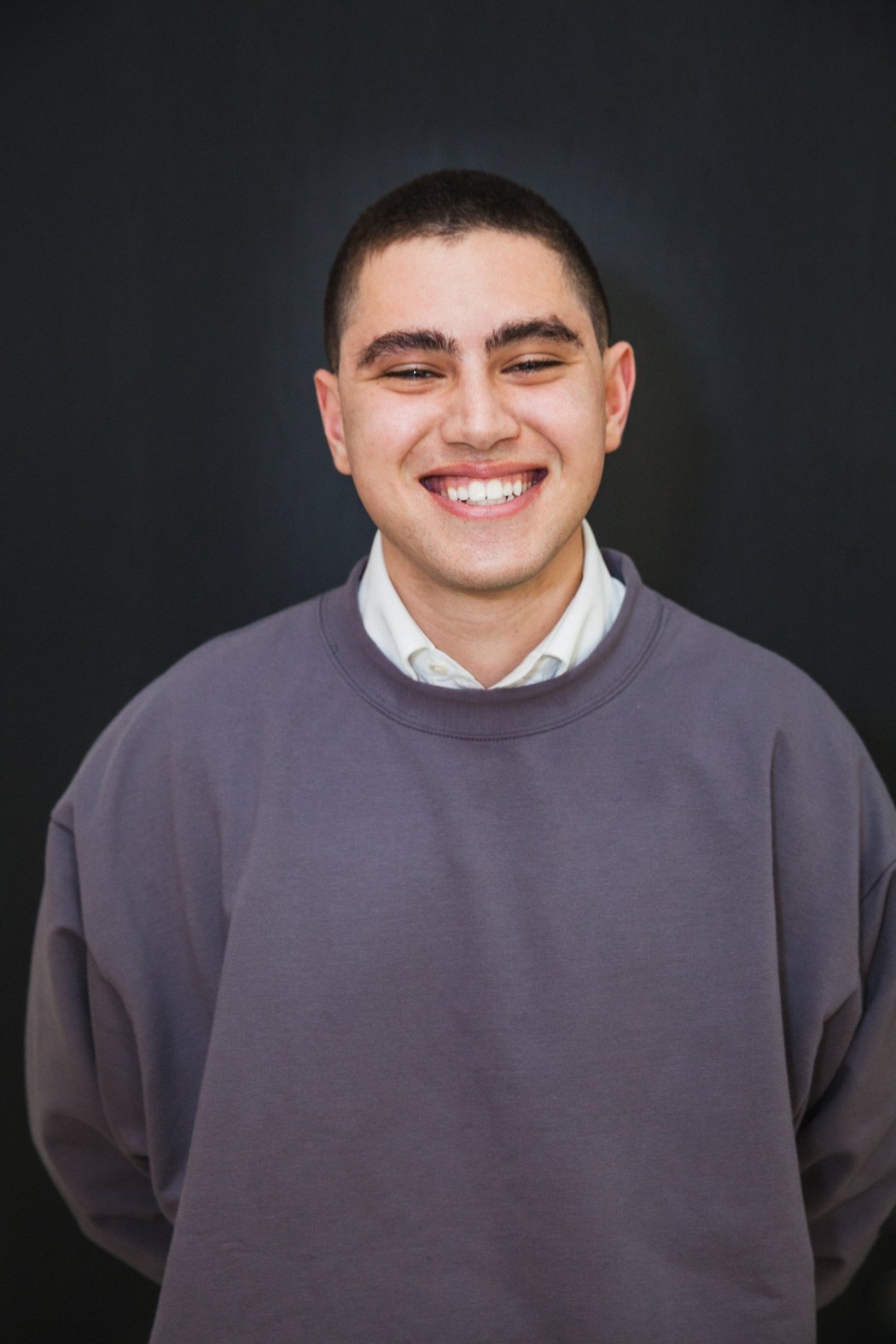
Sanad Yaghi and the problem at the counter
An ice-cream order arrived as a tomato. Sanad Yaghi’s response became a retail software company, then a bet on AI checkout.
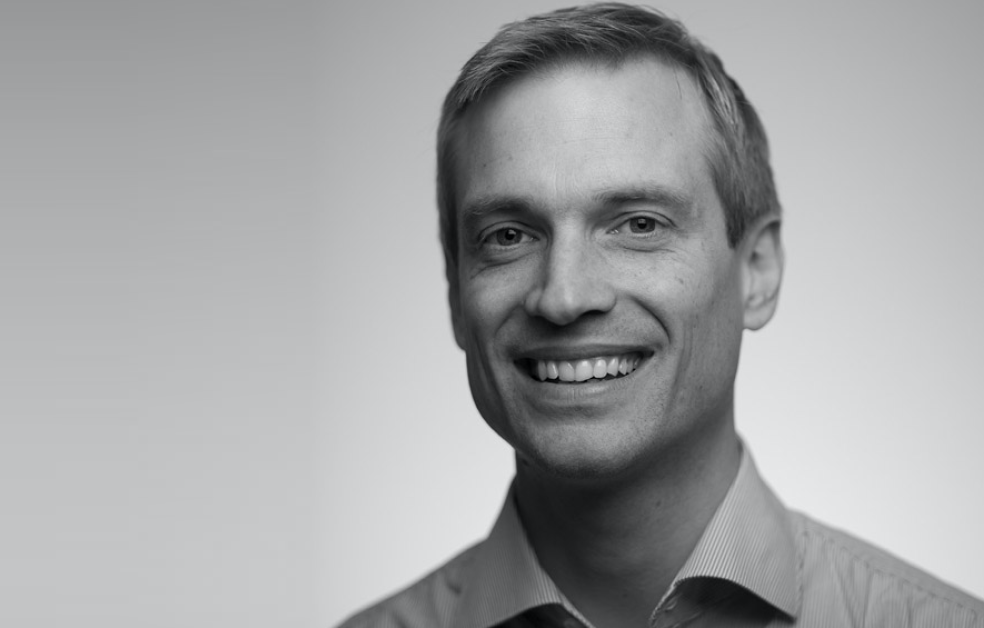
Hanno Blankenstein and the distance between seeing and doing
From a Flight Simulator plug-in to industrial computer vision, Hanno Blankenstein has kept returning to one question: how does a better view become a better decision? At Unleash live, the answer has to work in the field.

Matt Rosenthal and the value of looking down
A phone call about labeling sewer videos became SewerAI. Matt Rosenthal’s next question is what cities should do with everything they can now see.
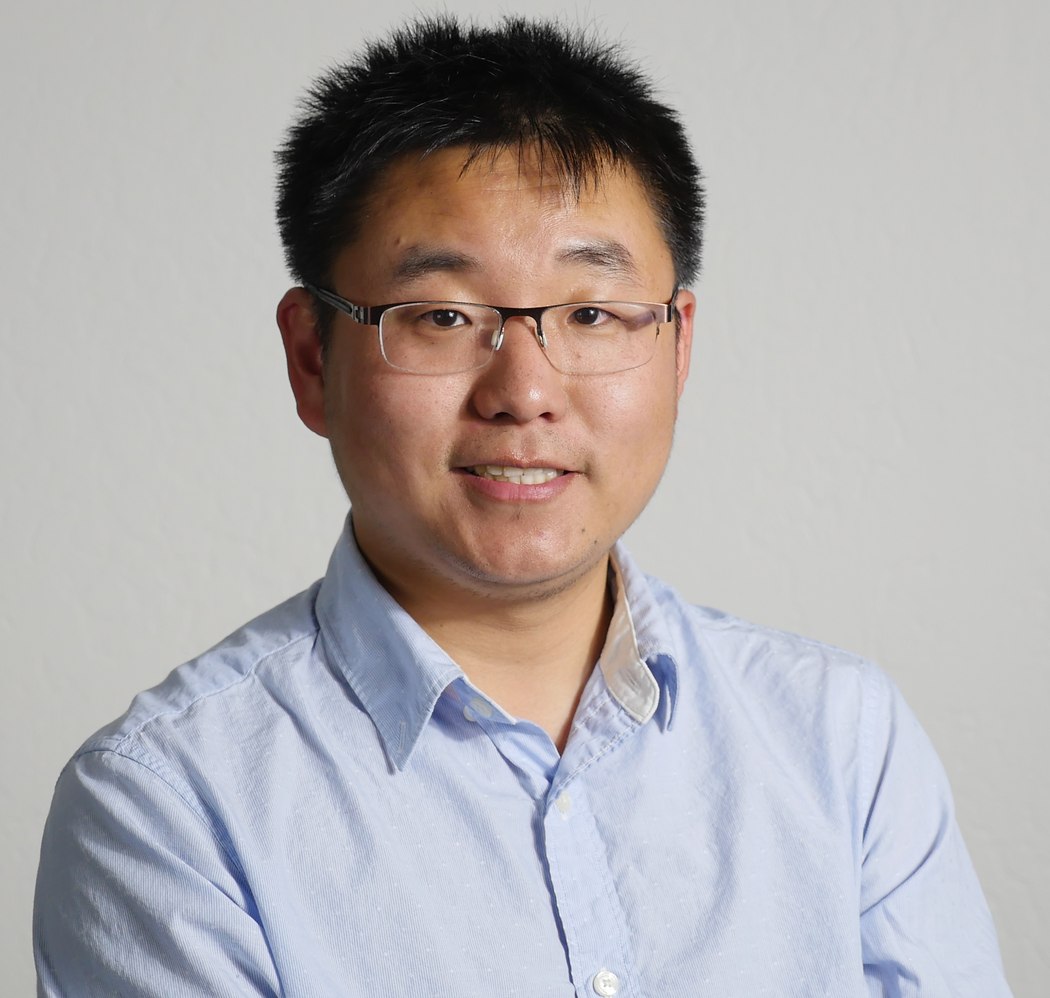
Steve Gu and the art of making the wait disappear
A checkout queue helped give AiFi its purpose. For co-founder Steve Gu, the next question is how to give interactive AI a face - and a useful job.

Jan-Philipp Mohr and the value of knowing where things are
Before DARVIS, Jan-Philipp Mohr worked on software deals and wine recommendations. His next venture took him from virtual worlds to a stubbornly physical question: where, exactly, is everything?
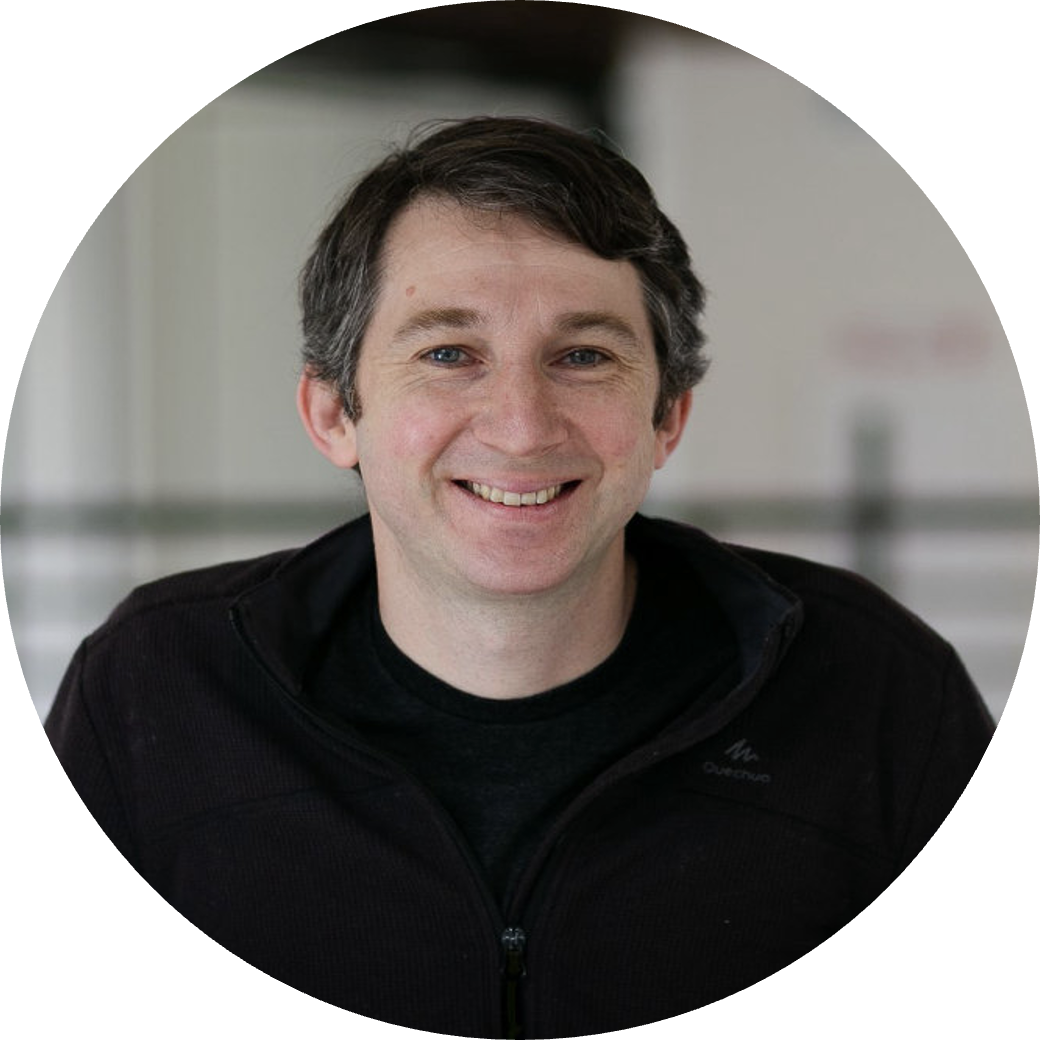
Christopher Van Dyke and the trouble with things that look fine
After eight years at Tesla, Christopher Van Dyke co-founded Overview AI to give factory engineers a clearer view of what they make. His next challenge is getting the camera to explain itself.
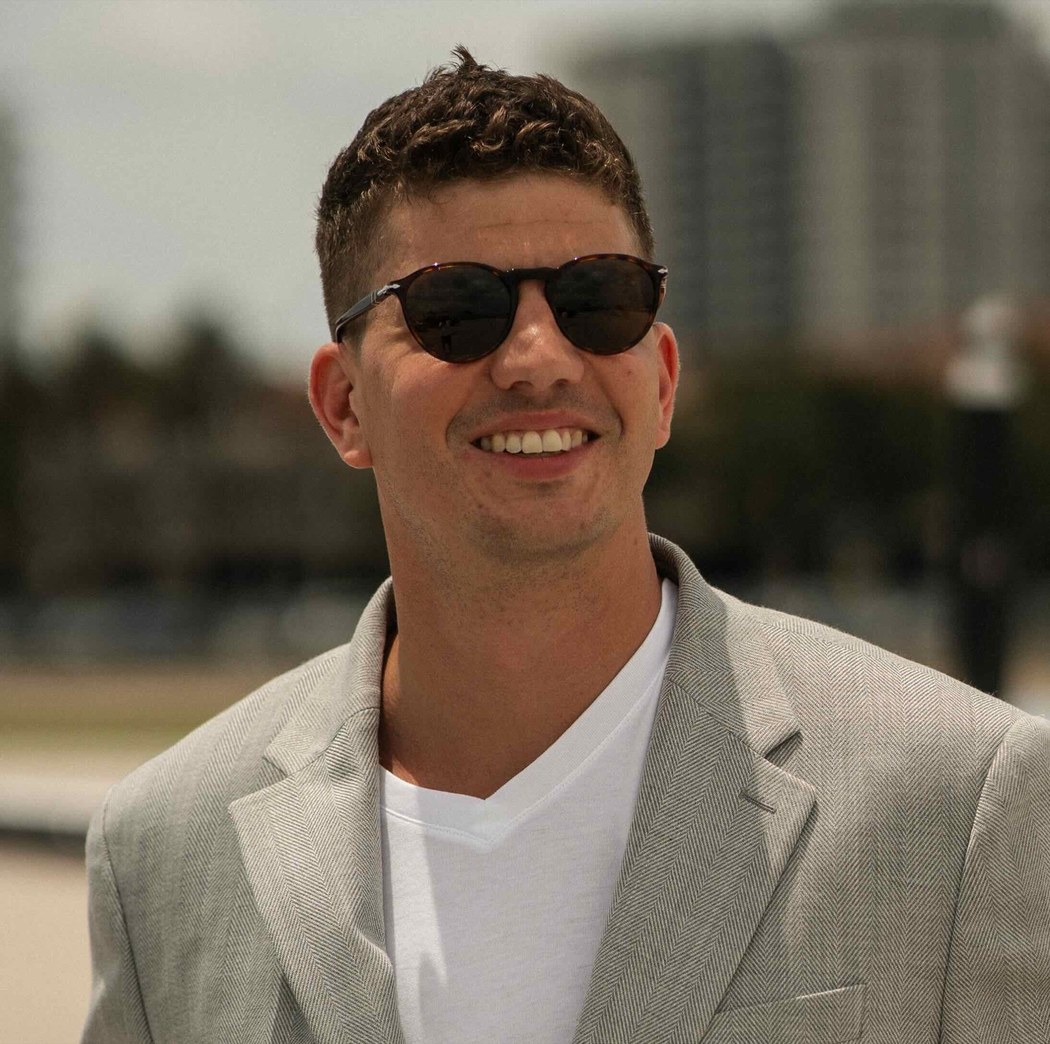
Chris Heinrich and the world you can take home
A physics PhD helped turn a phone into a 3D scanner. Years later, among the fragments of ancient Athens, Chris Heinrich was still asking what we can reconstruct - and what remains outside the frame.
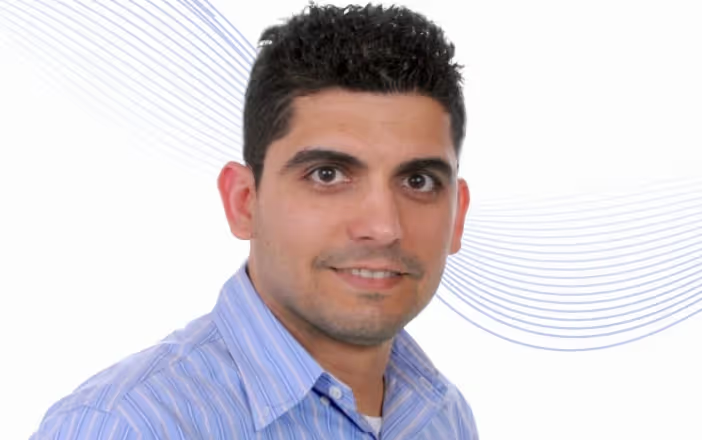
Sagi Ben Moshe and the cameras that learned to pay attention
From a 3D-imaging startup to Intel RealSense and Lumana, Sagi Ben Moshe has kept returning to one problem: how to make a machine understand what it sees. His latest company puts that question to work through the cameras organizations already own.
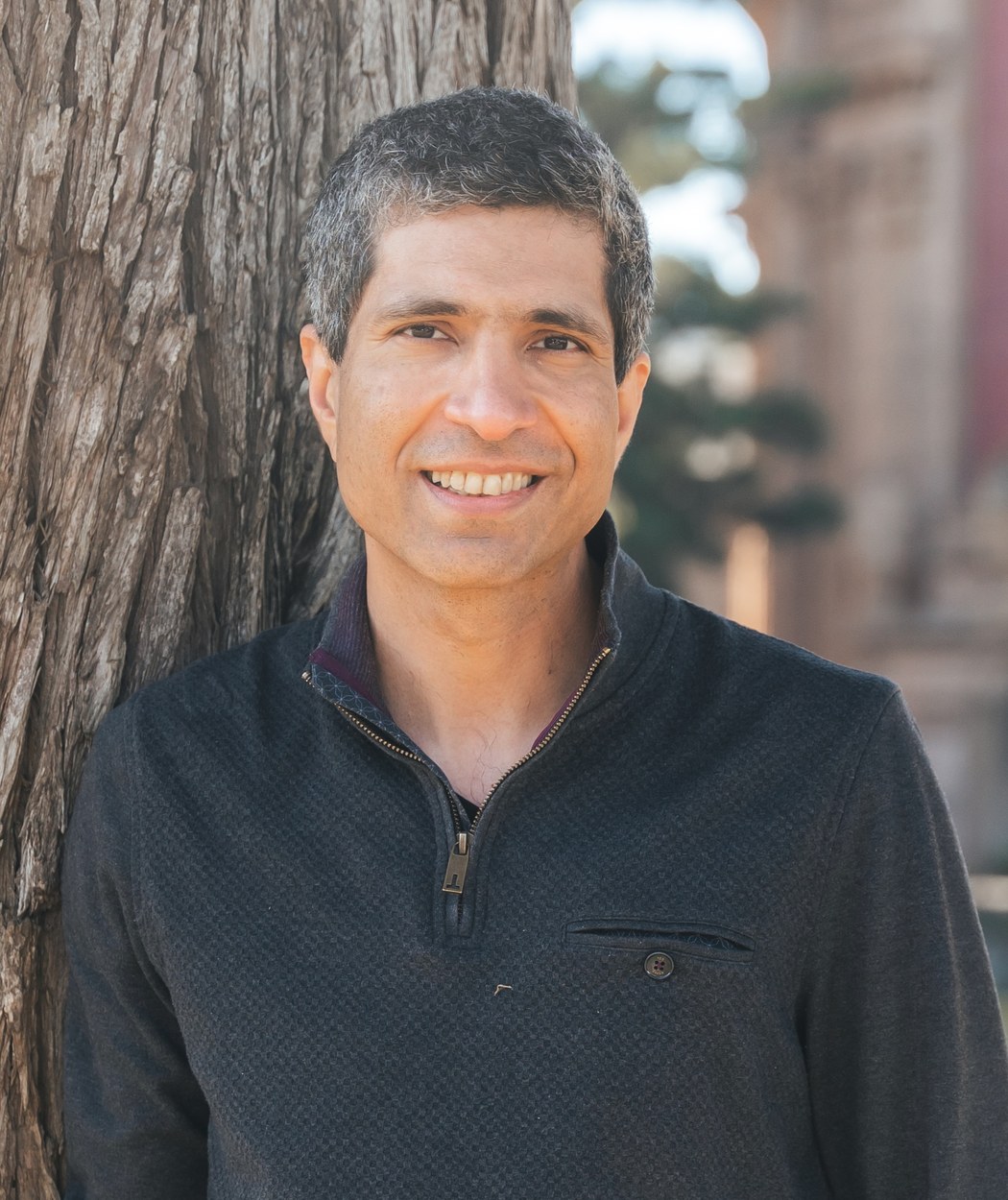
Behnam Bastani and the computer hiding in plain sight
From color science to Oculus Link, Behnam Bastani has kept asking where the work should happen. At OpenInfer, that question has become a business built around the computing power already within reach.