alternative-investments
(95)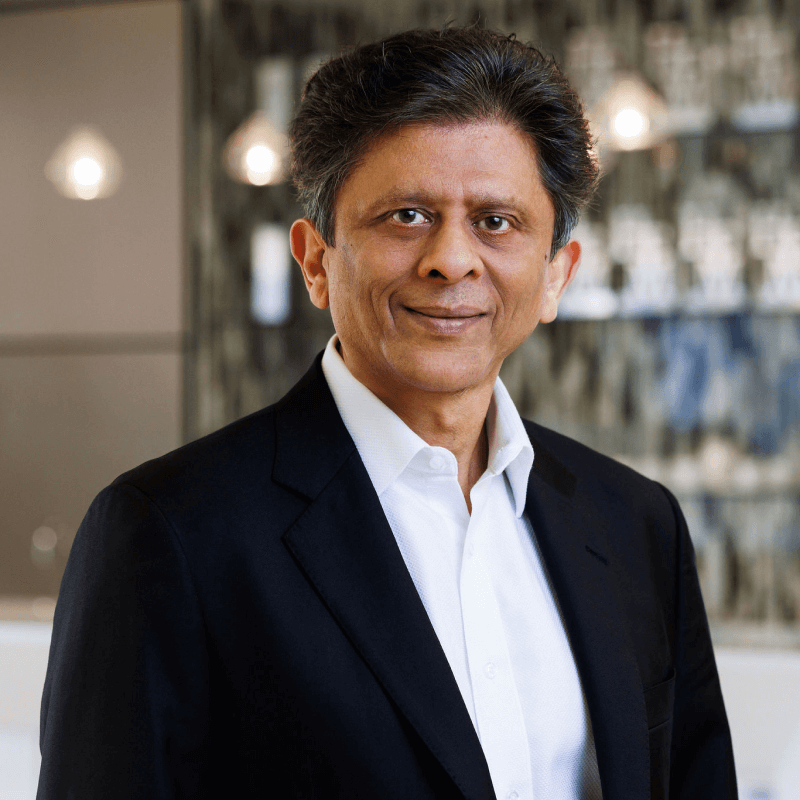
Nav Gupta and the business of getting it right
Nav and Sudha Gupta began with one fund client in 1991. Thirty-five years later, their accounting business is still grappling with the same question: how do you make complicated money easier to account for?
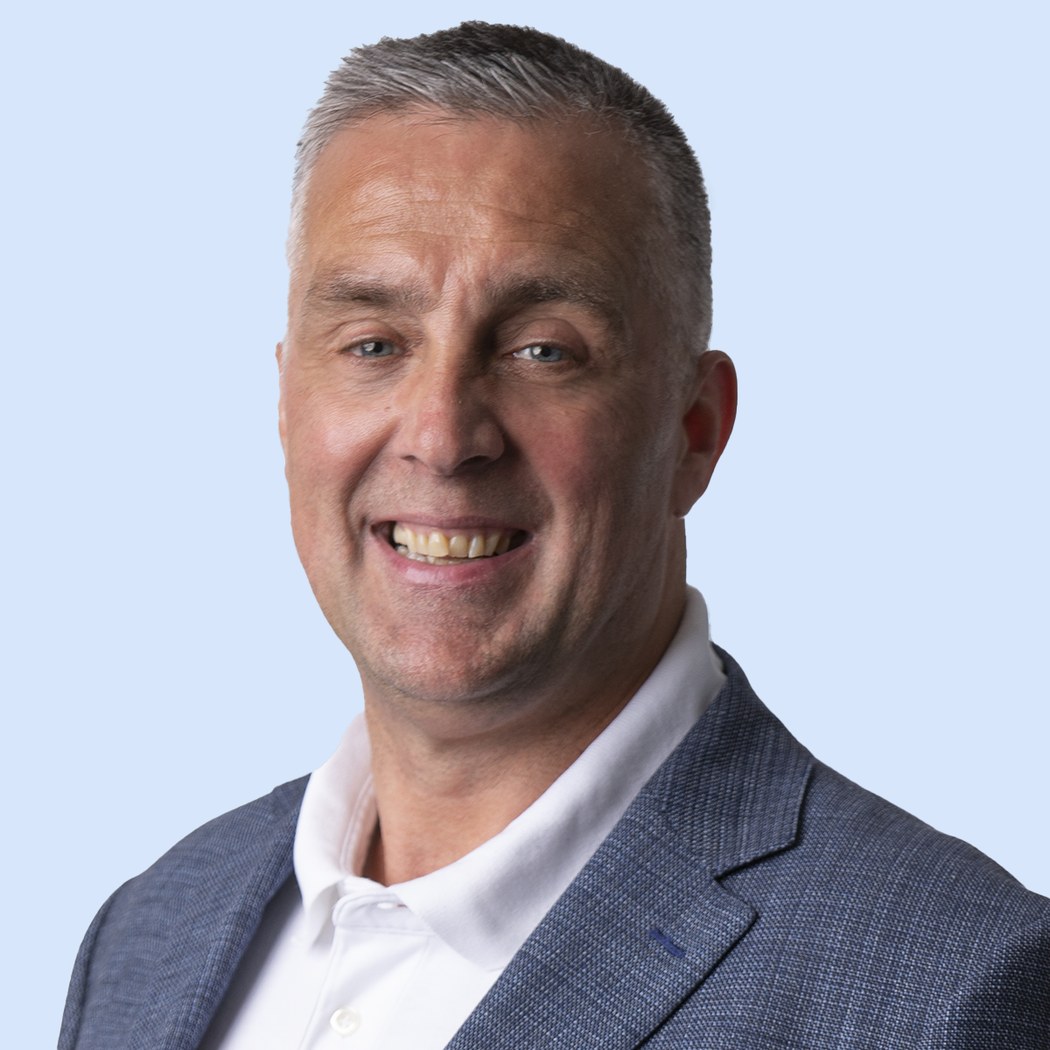
Brendan Lake and the business of opening doors
He launched PPB Capital Partners from a Philadelphia condo in July 2008. The financial crisis that followed taught Brendan Lake to watch the costs, listen to advisors, and take the machinery of private investing seriously.
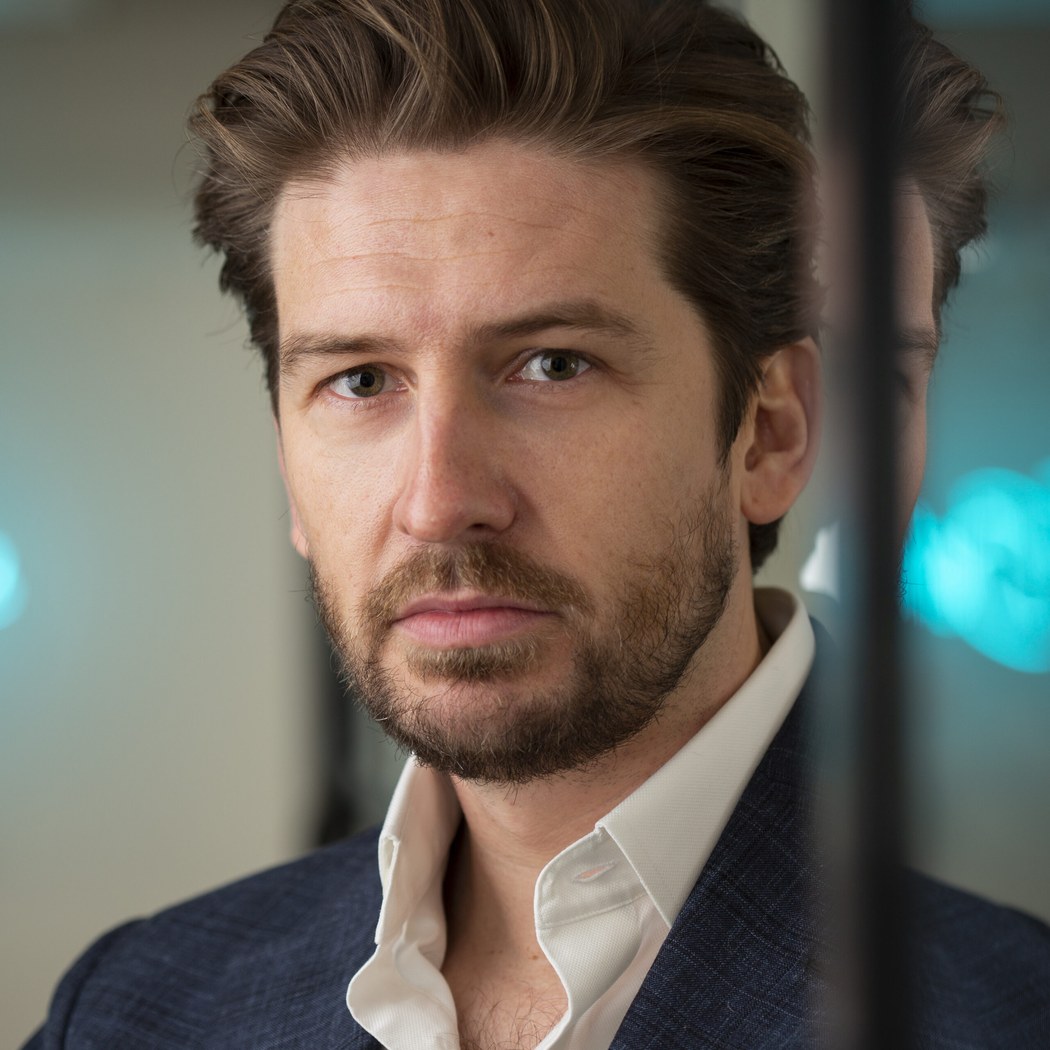
Erik Berntsen and the business behind the investor
At Stable, Erik Serrano Berntsen backs the founders of investment firms. Two decades into the work, his attention keeps returning to the people, partnerships and practical decisions that make a firm last.
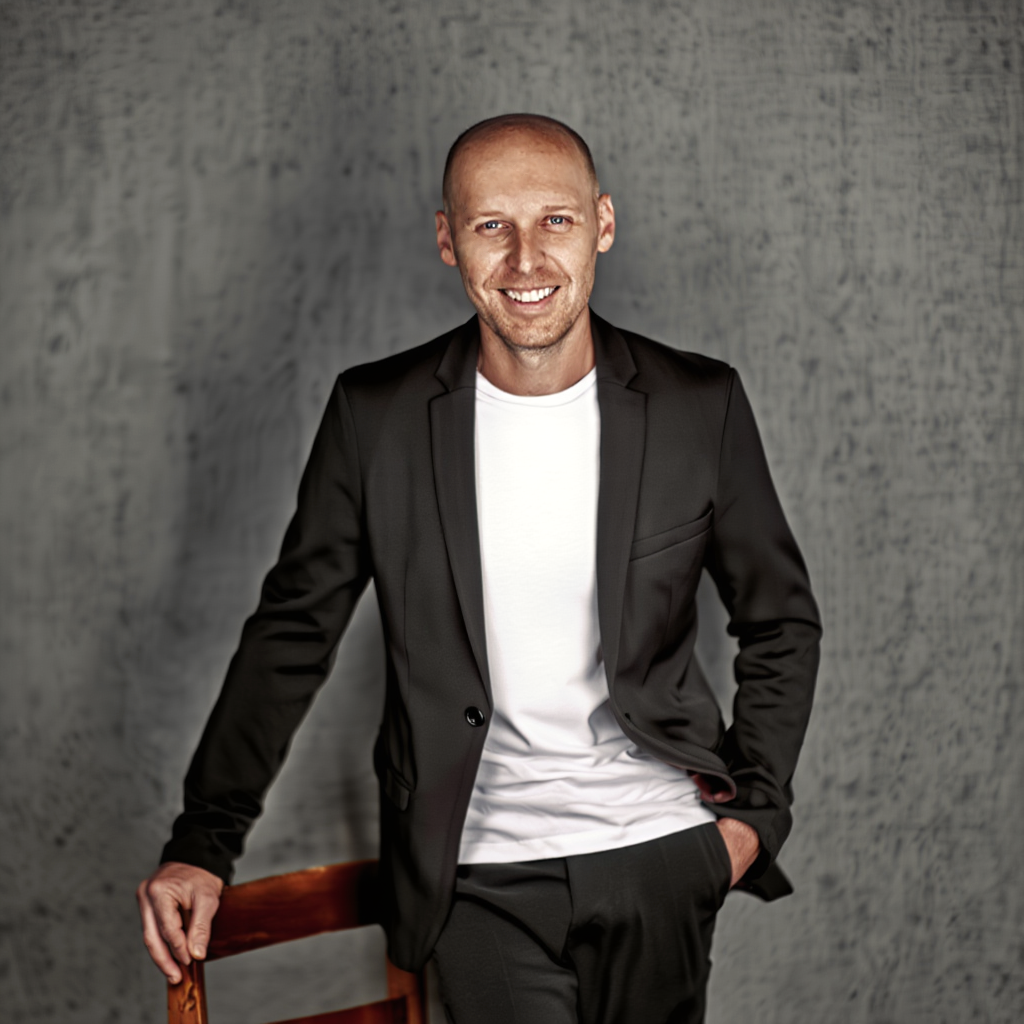
Andy Hill and the business of staying power
He built startups, led retail teams, and found that making money left another problem to solve. At Sundial, Andy Hill is putting an operator’s experience to work for founders, their families, and businesses built to endure.
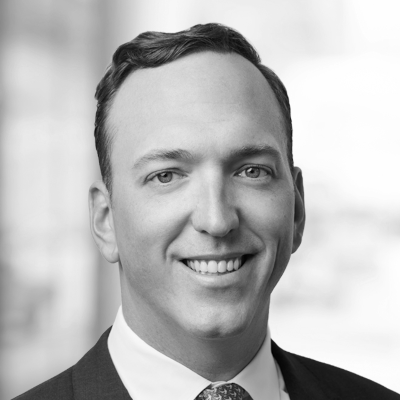
Doug Keller and the art of sharing the save
A college closer becomes a capital executive. Along the way, Doug Keller develops a practical theory of leadership: prepare the team, share the credit, and make yourself less necessary.
Joseph Ramos and the work beneath the trade
From audit management and brokerage finance to Templum Markets, Joseph Ramos has built a career around making financial businesses work. His latest chapter puts that experience inside the machinery of private investing.
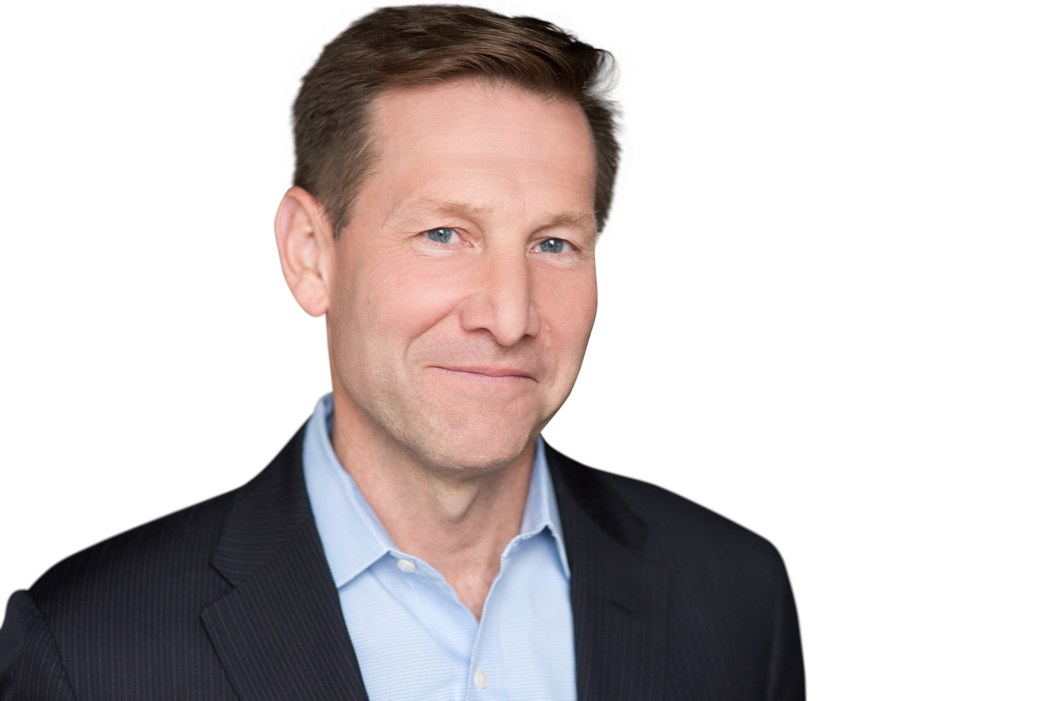
Neal Wilson and the fine print that moves money
Raised in a family of schoolteachers, Neal Wilson found his way into finance through securities law. At EJF Capital, he has spent two decades studying how a change in the rules can change who gets the capital.
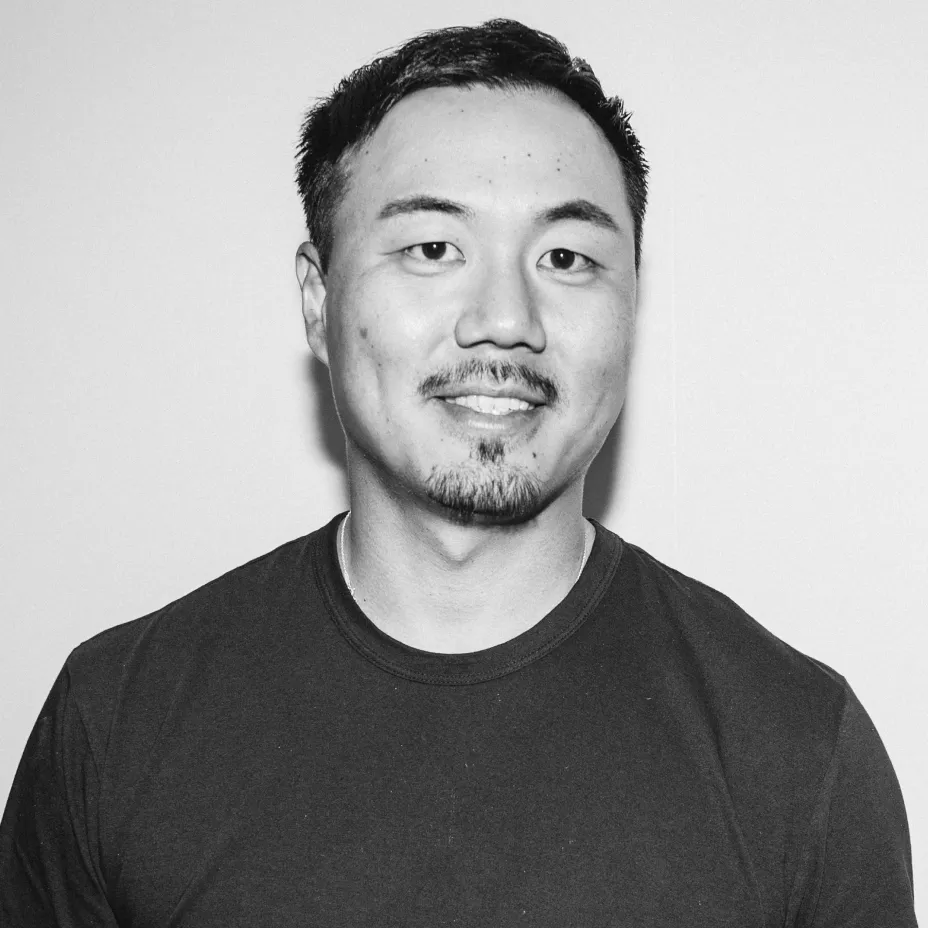
Tashi Nakanishi and the business of being trusted
A partnership with Keisuke Honda took Tashi Nakanishi from alternative investments into the orbit of actors, athletes and musicians. At X&, he is now building the systems that turn those relationships into a financial institution.
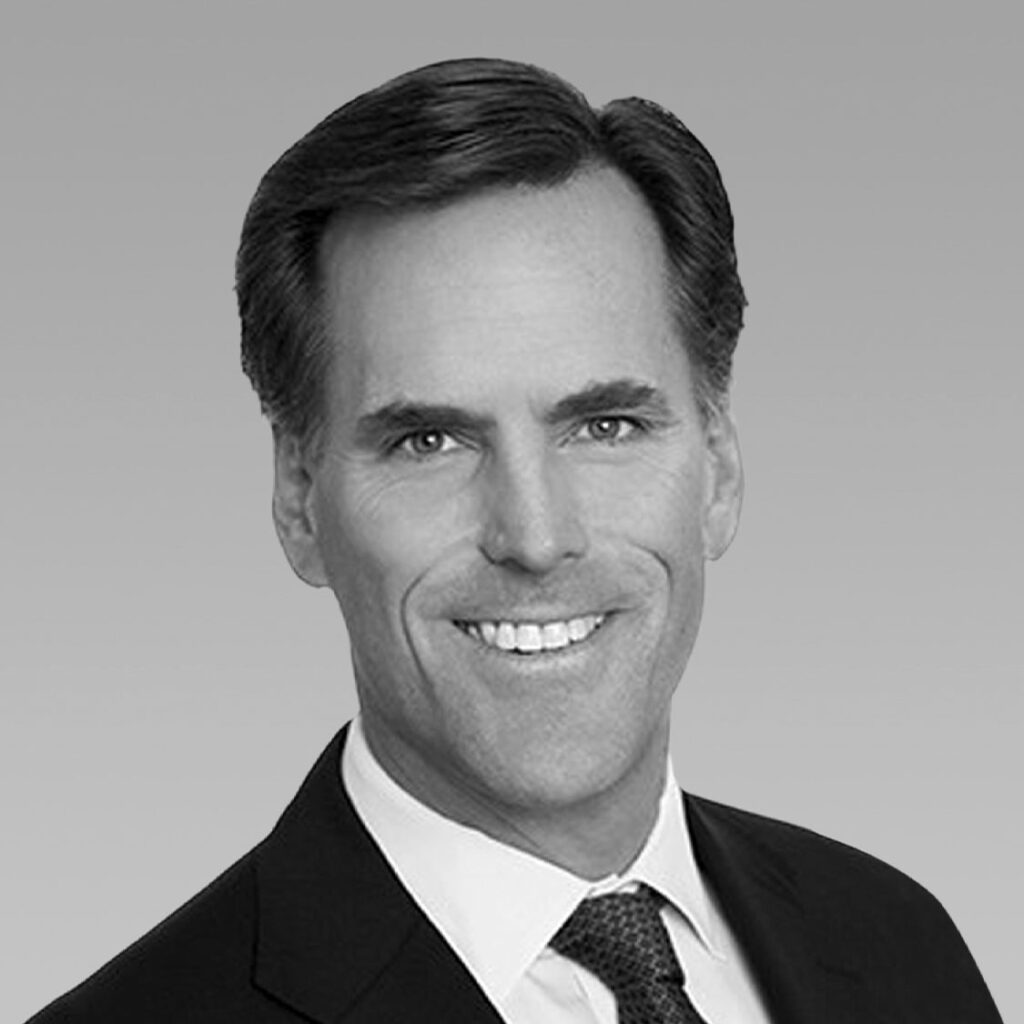
Jack Weingart and the art of opening a private door
After two decades helping TPG raise, invest and account for capital, Jack Weingart is concentrating on a different audience: individual investors. His next chapter turns on a deceptively practical question - how should they get in?
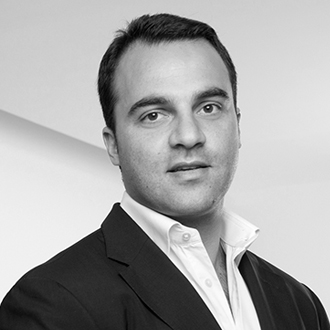
Felipe Held and the price of admission
From a Santiago trading desk to New York, Felipe Held has built businesses around access to alternative investments. HMC Capital and Xcala show how that question changes when the investor gets smaller.
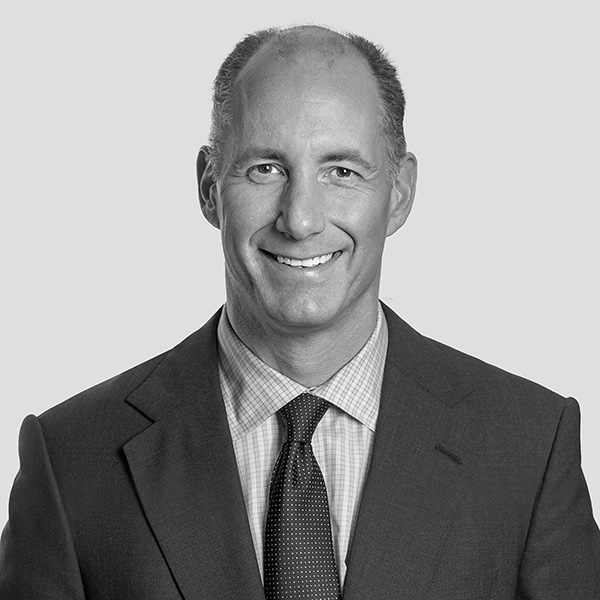
Tony Minella and the business of the second act
From corporate credit to film studios and music catalogs, Tony Minella has built a career around what businesses can keep earning. Now the Eldridge co-founder is opening that approach to outside investors.
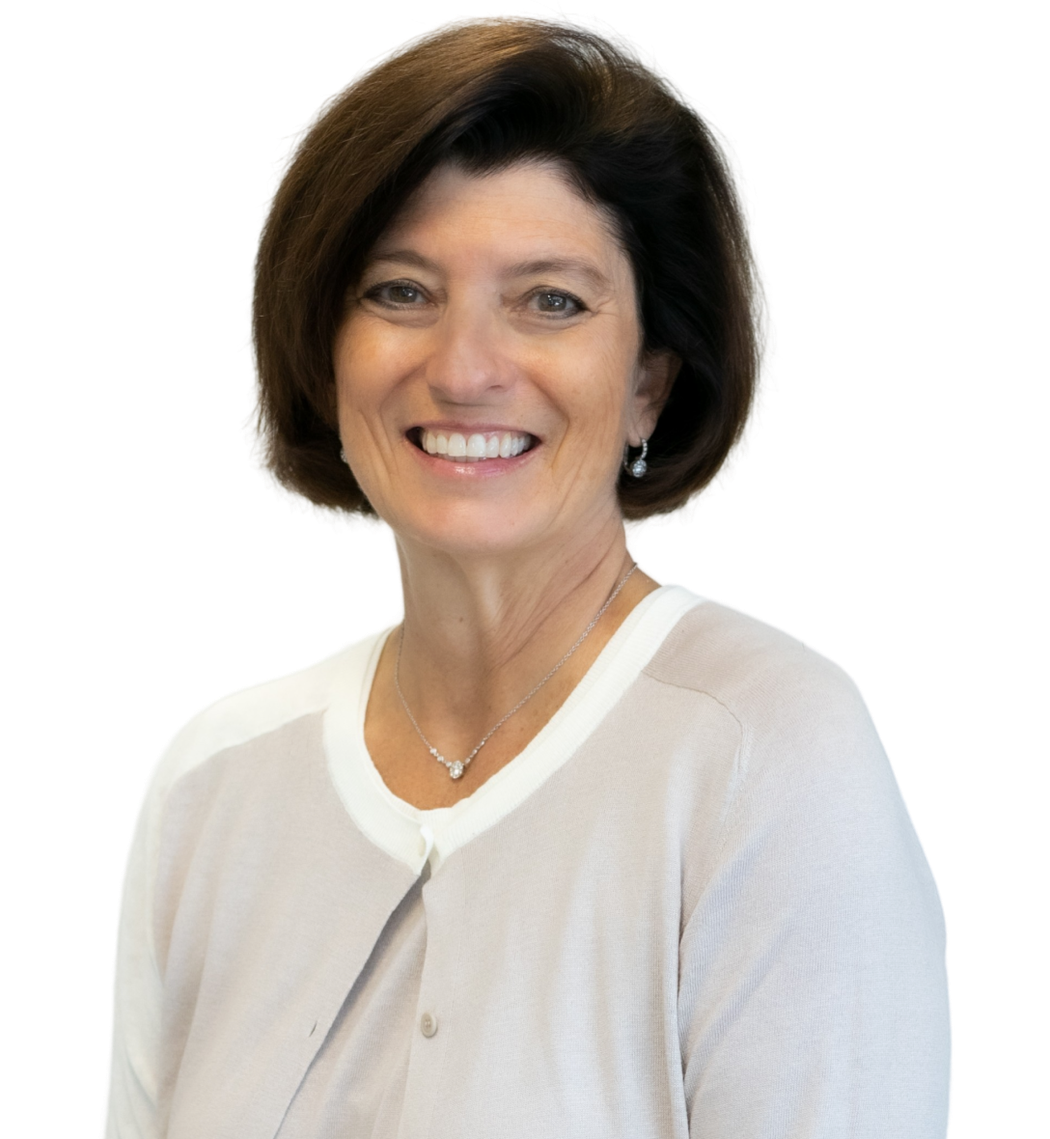
Katie Sproul’s Inheritance Has a Job to Do
In Naples, Katie Sproul leads a family investment firm with roots in Florida land. Her career follows what happens when that inheritance becomes a working business, a network of partners, and a responsibility to the place that made it possible.
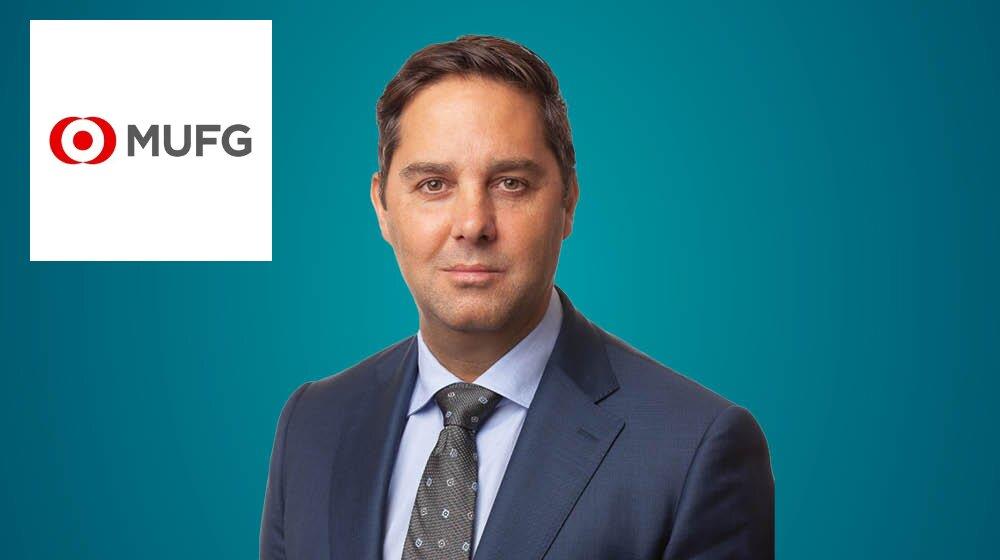
John Sergides and the business of staying
The MUFG Investor Services CEO built his career around the machinery behind investing. His next wager is on broader services, patient relationships and a place that feels like home.
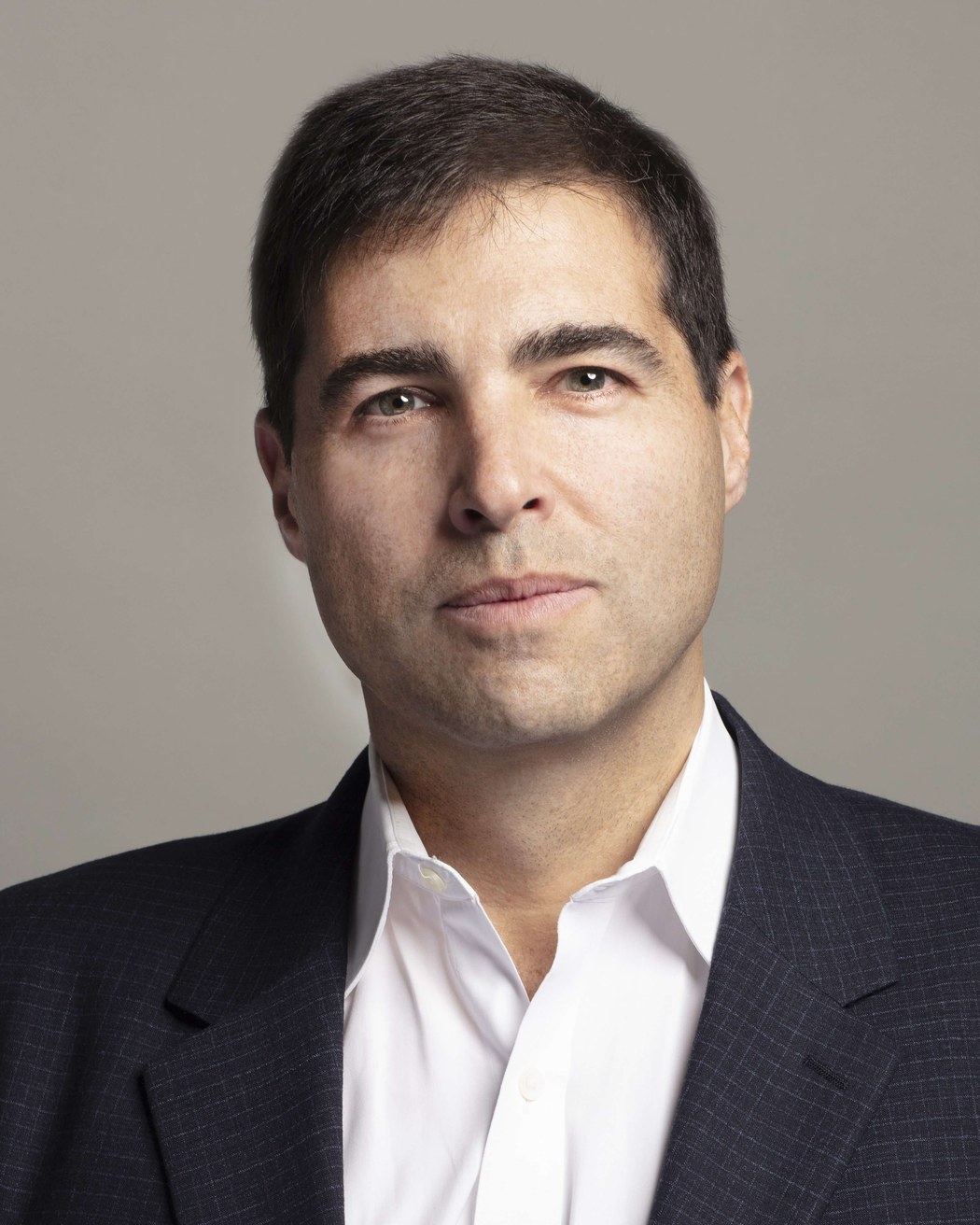
Avshalom Kalichstein and the business behind the business
He reads mathematics textbooks for fun. At Hunter Point Capital, Avshalom Kalichstein has made a career of looking past the investment fund to the people and businesses that keep it running.
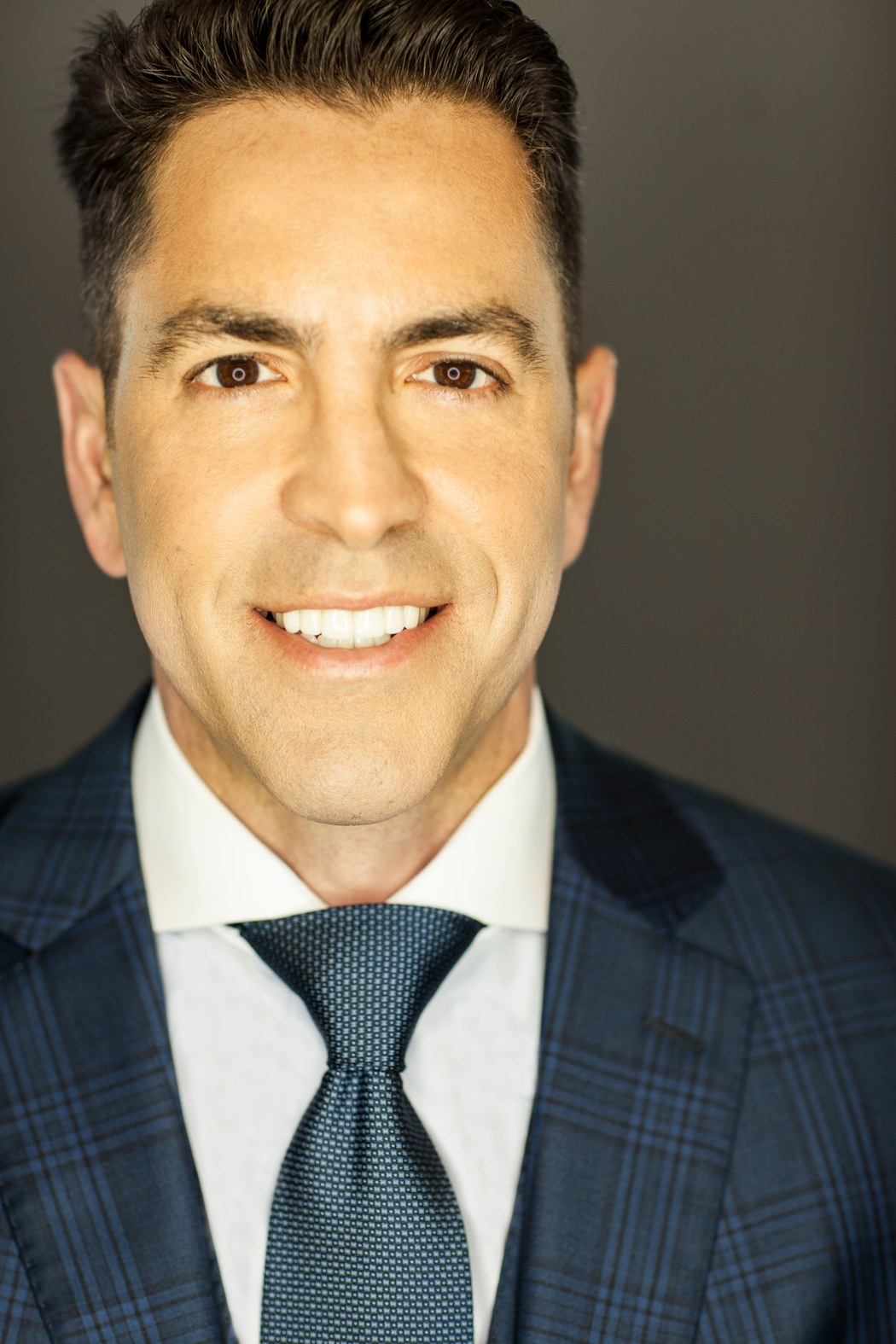
Lorenzo Esparza and the career his parents hadn’t pictured
His parents imagined a doctor or a lawyer. Lorenzo Esparza took the law degree, learned the business of Hollywood, and built Manhattan West around a different kind of ownership.
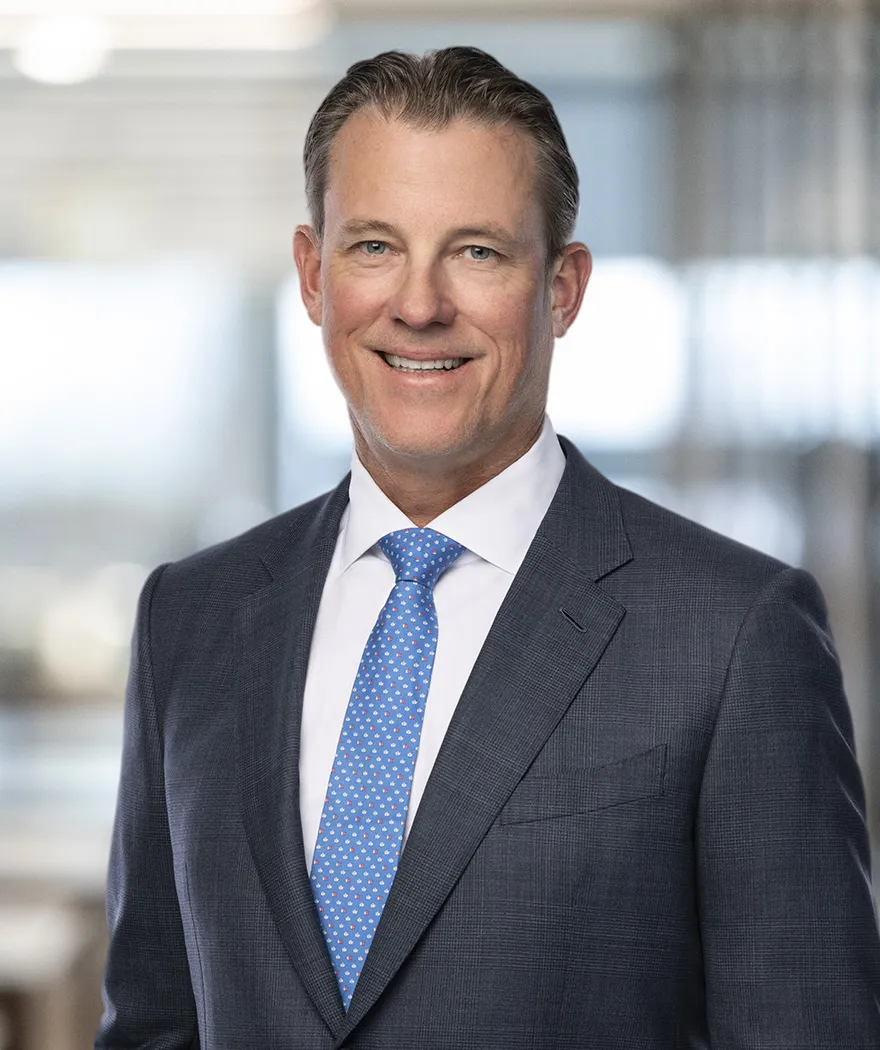
Joshua Pack and the value of a second look
At Fortress, Joshua Pack backed businesses that needed time, capital and a capable team. At his alma mater, he made a similar case for veterans whose experience deserved a closer reading.
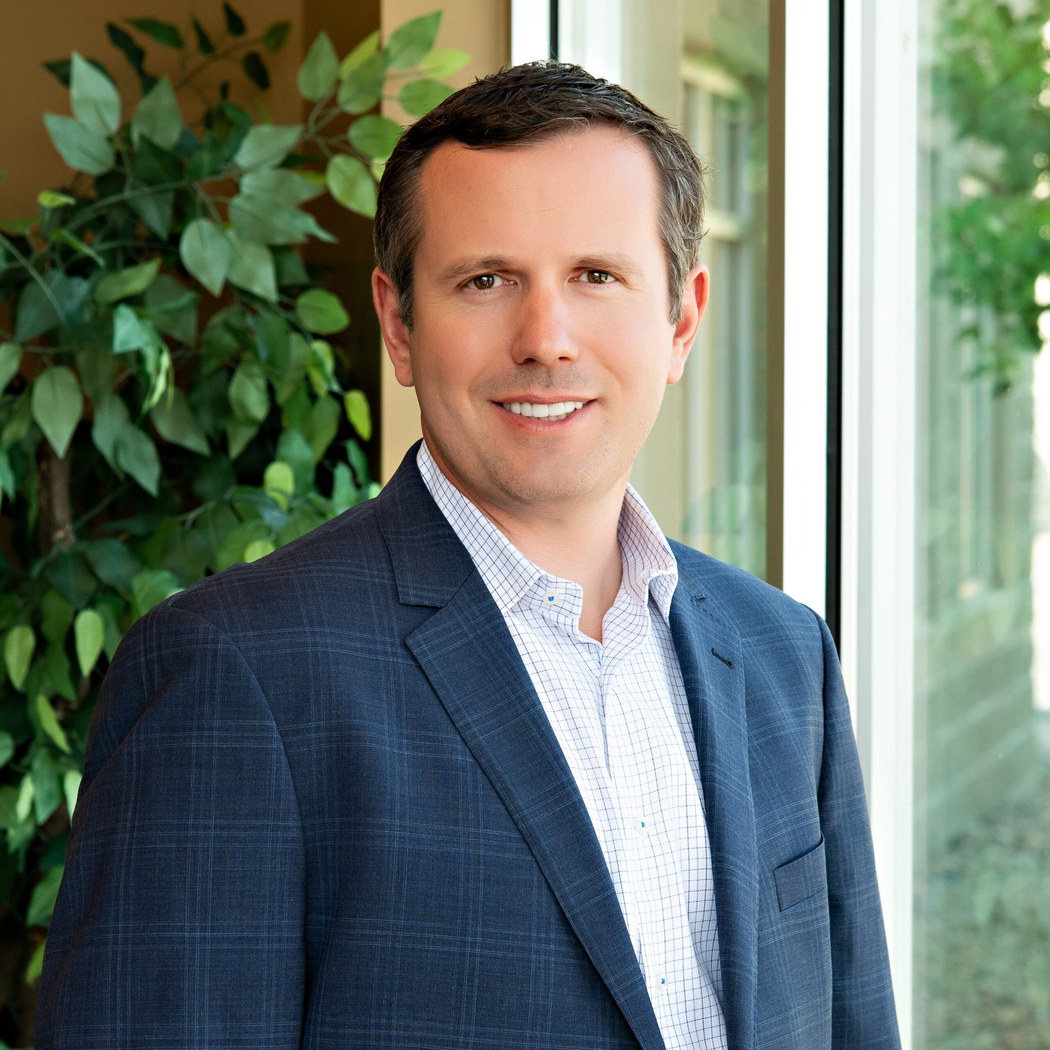
Jared Hollinger’s bet on what needs tending
From a Nebraska property business to farmland and open-air retail, Jared Hollinger has built his career around the work that follows a purchase. At Sower Investment Partners, the deal is the beginning of the job.
Yieldstreet opened the door. Who holds the keys?
Now called Willow Wealth, the private markets platform has moved from picking individual deals to building portfolios. Its history explains why easier access still demands difficult questions.

Carry turns a one-person business into its own benefits department
The solo entrepreneur gets the invoices, the freedom and the retirement paperwork. Carry puts the financial machinery in one place - and its move to Lettuce makes the ambition larger.

SUBSCRIBE found the bottleneck in private markets. It was the paperwork.
Private funds learned to reach more investors. SUBSCRIBE built the machinery to handle them: reusable investor profiles, digital subscriptions, and a shared workflow for everyone who has to say yes.

First Rate and the Trouble with a Beautiful Number
An investment return looks simple until someone has to explain it. First Rate has built a business around the data, decisions, and human relationships hiding behind the percentage sign.
Domenic Miele and the quiet machinery behind alternative investing
For more than two decades, Domenic Miele has worked where private-market ambition meets the rules that let it operate. At Alto, the longtime operations and compliance executive now carries both the chief executive title and the duty to keep the machinery honest.
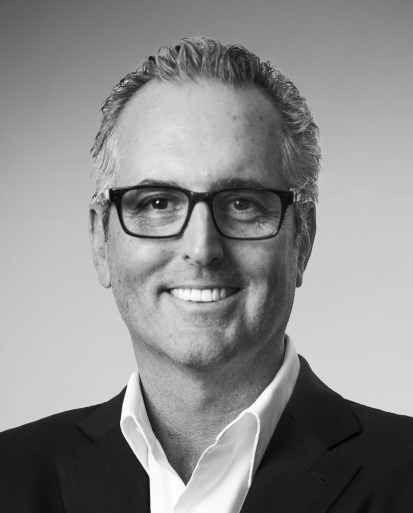
The Twenty-Year Overnight Success of Matt Brown
He was headed for film school when a pinstriped stranger offered to teach him the math. Three decades later, Matt Brown has made a career of turning finance's velvet ropes into software.
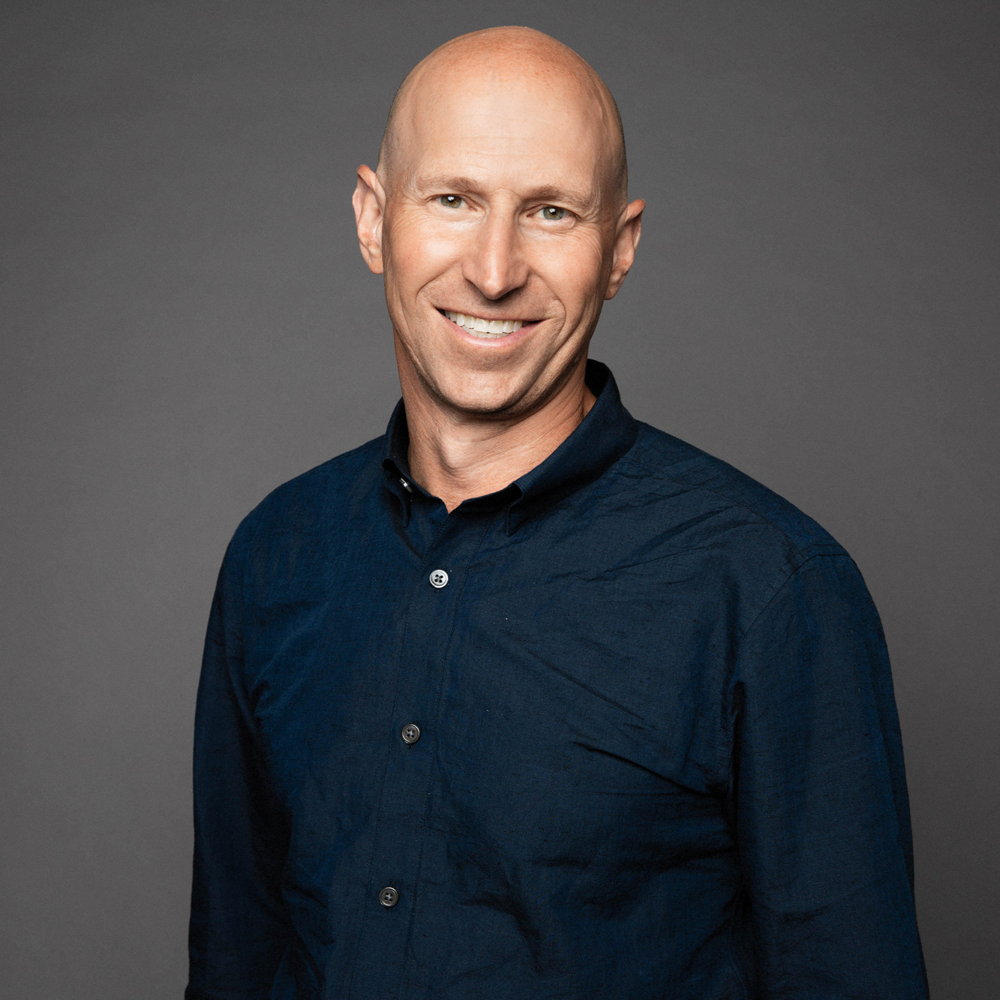
Eric Satz Found a Ten-Week Problem Hiding in Plain Sight
A venture capitalist noticed an IRA statement on his kitchen counter and asked one ordinary question. The answer sent Eric Satz through ten weeks of paperwork - and into a decade-long attempt to rebuild how retirement money reaches private markets.
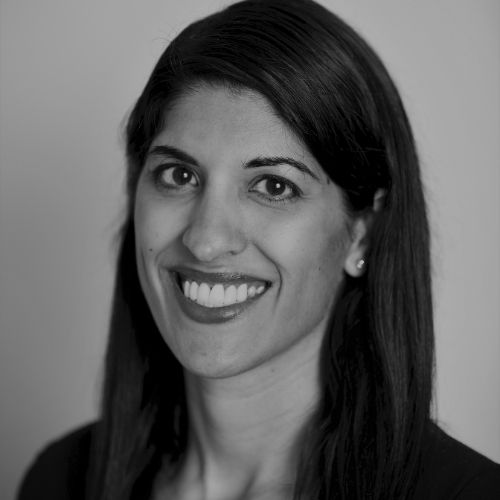
Priya Kaftan Works the Room Where Capital Meets Conviction
At Heard Capital, Priya Kaftan translates investment ideas into lasting investor relationships. Beyond the firm, she has helped turn introductions into a practical route for women-led funds seeking institutional capital.
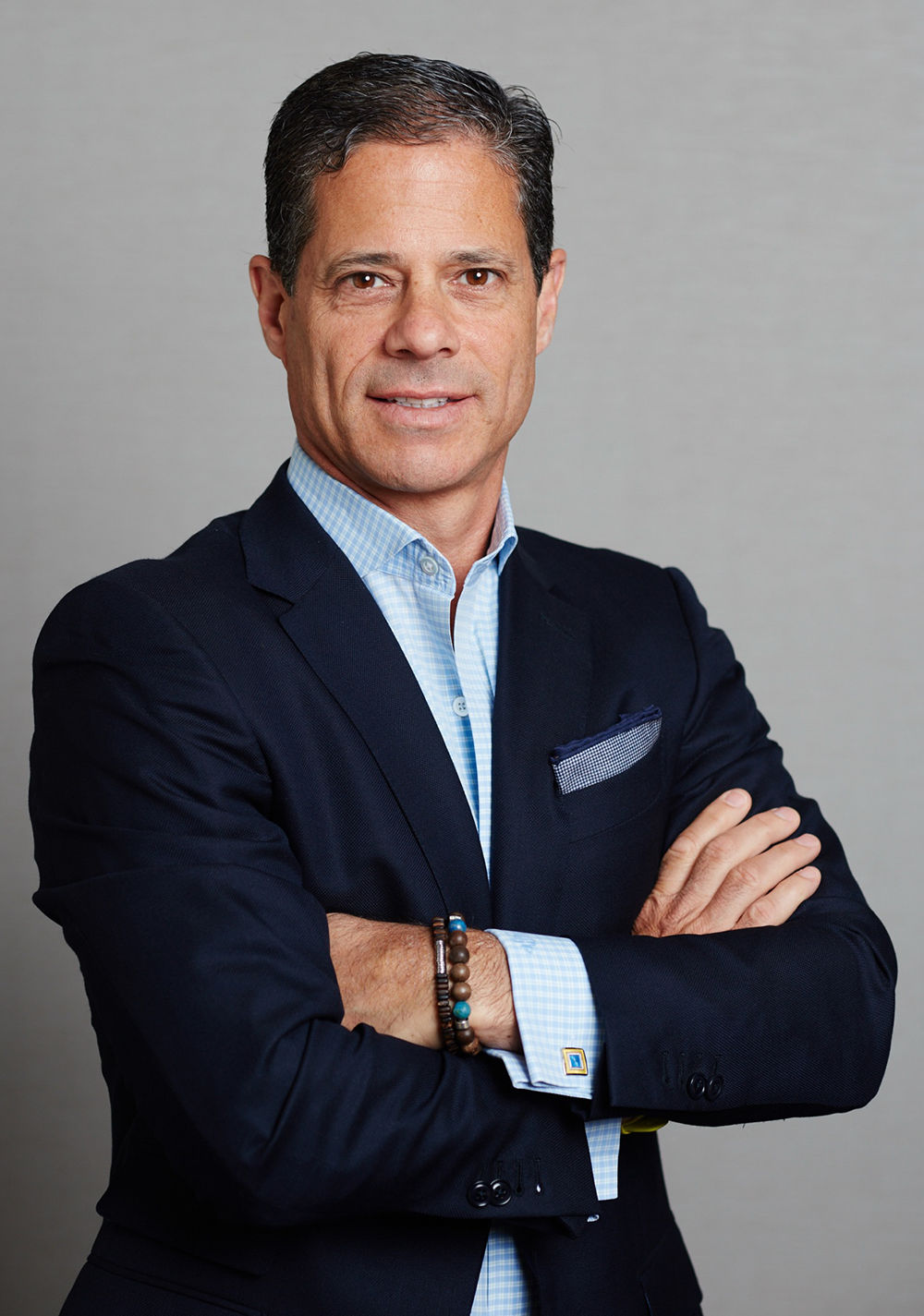
Lawrence Calcano Built a Front Door to Private Markets
The former technology banker saw that private investments did not merely need a marketplace. They needed plumbing, patience and a common language. Thirteen years later, his platform services more than $1 trillion in client assets.

A-Rod Corp puts fame to work. The rent came first.
Alex Rodriguez built his investment business around apartment buildings, then added startups, sports teams and a media operation. Its most revealing deals show both the value of a famous name and the limits of one.

How Oxane Partners Put $1.5 Trillion of Private Credit on One Screen
Private credit grew faster than its plumbing. Oxane Partners built the control room - software, analysts and all - for the documents, covenants and awkward loan data that spreadsheets can no longer contain.

The $1.5 Billion Data Room That Wants to Run the Whole Deal
Intralinks helped replace couriers, binders and guarded rooms with a browser. Thirty years later, it is betting that security, workflow and AI can turn that original wedge into the operating system for high-stakes finance.
Allvue Tried to Go Public. Then It Found a Bigger Prize in Private-Market Data
The private-markets software company withdrew a $275 million IPO, stayed private and kept building. Now its advantage may be the data exhaust of 21,000 funds - if it can turn old workflows into trusted AI.