The troublesome word in Yieldstreet’s original pitch was “backed.” A loan backed by art. A loan backed by property. A loan backed by a ship. It sounds reassuring: somewhere, behind the percentage on the screen, there is a thing. But ownership, valuation and the ability to recover that thing are separate questions. Yieldstreet’s story lives in the space between them.
- Yieldstreet became Willow Wealth in November 2025.
- Its current menu combines individual investments, evergreen funds and managed portfolios.
- The company reports 500,000 members; membership is not an investment result.
- A 2023 SEC settlement exposed missing disclosures about ship collateral.
The check that was too small
Before the ships, there was an entrepreneur with a familiar annoyance. Milind Mehere had money to invest, but too much of his financial life depended on public markets. In a 2017 interview, he recalled wanting exposure to real estate and commercial businesses. The obstacle was embarrassingly simple: “my check wasn’t big enough.”
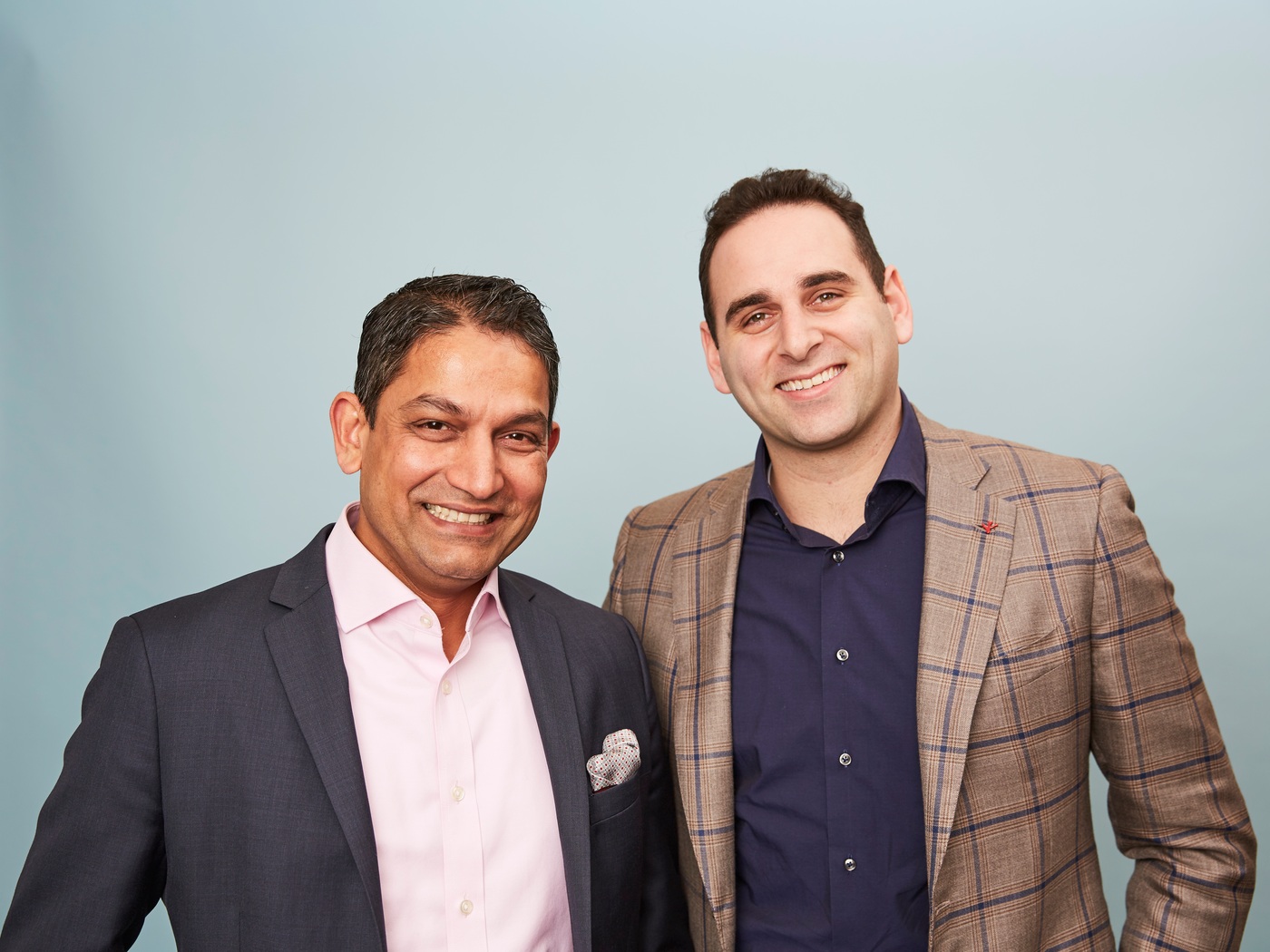
Mehere brought software experience, including co-founding Yodle. His fellow founders, Michael Weisz and Dennis Shields, brought specialty finance experience. In Mehere’s account, they understood how to find investments but faced the labor of administering many smaller investors. Yieldstreet, launched in 2015, joined those two problems: inaccessible opportunities on one side, expensive distribution on the other.
The idea was to package specialist investments for an online audience. Investors could read offering materials, select opportunities and follow their accounts without assembling a private banking relationship. By February 2017, Mehere later recalled, demand for one offering crashed a website running on three AWS boxes. A distribution business had found people eager to be distributed to.
The ship that complicated the promise
Then consider a September 2019 offering. Investors supplied $14.5 million for securities financing a loan connected to transporting and dismantling a retired ship. The ship was the crucial collateral. According to the SEC, before selling the securities, Yieldstreet personnel had information that other ships tied to the same borrowing group had been dismantled without repayment or could not be located.
The SEC found that Yieldstreet failed to disclose the heightened risk that it could not seize the collateral after a default. Yieldstreet later concluded the borrowing group had dismantled the ship and stolen the proceeds. In September 2023, the company settled, agreeing to pay more than $1.9 million in penalties, disgorgement and interest without admitting or denying the findings.
The settlement amount is not a measure of total platform losses.
This episode supplies the company’s most useful lesson. An asset can exist while the promised protection remains doubtful. The weak point here was disclosure about enforceability. A polished purchasing experience could not answer that question for the investor.
From choosing deals to choosing a portfolio
Yieldstreet kept expanding. It completed its acquisition of real estate platform Cadre in January 2024, adding institutional and high-net-worth relationships. The price was undisclosed. In July 2025, it announced a completed $77 million capital raise led by Tarsadia, with new investor RedBird alongside existing backers. This was money for the company, distinct from capital invested through its offerings.
The product was changing, too. Yieldstreet introduced its automated portfolio service in 2025. In November, it became Willow Wealth. The company’s stated explanation was that its original deal-selection identity had become too narrow: some customers wanted to inspect individual opportunities; others wanted diversified exposure with less work. Existing investments retained their terms.
Today the menu spans real estate, private credit and private equity, with specialized strategies such as art and legal finance. Evergreen funds include offerings from Goldman Sachs, Carlyle and StepStone. “Evergreen” describes continuing subscriptions, not unrestricted withdrawals. Willow 360 allocates across institutional funds according to an investor’s goals and risk tolerance.
The distinction from competitors is breadth and choice of involvement. Percent concentrates on private credit. Fundrise offers its own private real estate, credit and venture funds. Willow’s pitch combines a marketplace of selected opportunities with outside managers and delegated allocation. That gives customers several ways to participate, with several sets of documents to understand.
The price of handing over the keys
Willow 360 publishes a $25,000 minimum, a 1.25% advisory fee and approximately 0.175% in stated expenses. On an unchanged $25,000 balance, those two percentages imply roughly $356 a year. That arithmetic is an illustration, not an all-in quote: underlying investment costs can also apply. Other offerings have their own fees. The platform earns compensation for arranging and managing access.
“If you're in money management, wealth management, there is an extreme need for trust and credibility.”Milind Mehere, Outlier Academy interview
The current platform primarily serves accredited individuals. The historical Prism Fund also reached non-accredited investors, but that history should not be mistaken for universal eligibility today. Nor is a private portfolio an emergency fund. Willow 360 permits investors to elect distributions or begin liquidation after a year, subject to its terms; the underlying investments carry liquidity restrictions.
What the next investor should borrow
By May 31, 2026, the company reported 500,000 members and more than $6.9 billion invested, including Cadre. Those figures show distribution scale. They do not establish returns. The same discipline applies to the account screen: a stable-looking balance needs a valuation method behind it.
In 2026, Willow announced reporting changes to incorporate private fund valuations, income or losses, distributions and expenses, supported by administrator Gen II. It also appointed Tom Williams as CIO and Larry Greenberg as president. The practical ambition is clearer investment selection and a fuller picture afterward.
Another founder can copy the pairing of specialist knowledge with simpler administration. An investor can copy a less glamorous habit: ask who controls the collateral, how values are calculated, what fees accumulate and when money can leave. If you need ready cash or cannot tolerate a principal loss, these investments may not fit. The door is easier to open. Reading the contract still takes time.