An investor agrees to put money into a private fund. The investment decision is settled. The investor’s identity, however, appears to require another introduction. There are subscription forms, supporting documents, reviews, signatures, and people at different firms who must agree that everything is in order. A decision that sounds singular turns out to be a small committee meeting conducted through attachments.
SUBSCRIBE has built a business around this awkward interval between intention and completion. Its software brings the fund manager, investor, lawyer, and administrator into a connected process. The interesting part is what happens to information along the way: details gathered for one investment can become useful for the next.
- Keep the investor’s information reusable. A passport can populate future fund paperwork.
- Let the reviewers share a workflow. Managers, lawyers, and administrators can follow progress.
- Accommodate funds from elsewhere. The platform extends beyond its own marketplace.
- Stay after the signature. Capital calls, statements, and tax documents keep arriving.
The investor who keeps introducing themselves
For a fund manager, a successful fundraising campaign creates an administrative problem. Every new relationship brings another set of details to collect, another packet to review, and another opportunity for information to arrive incomplete. The company’s fund-manager offering addresses precisely this work: digitizing documents, coordinating compliance tasks, and reusing investor data on later offerings.
That changes the unit of work. Instead of treating each subscription as an isolated document, the system treats it as a transaction involving an investor with a history. The distinction sounds modest. Anyone who has typed the same address into six different forms understands why it matters.
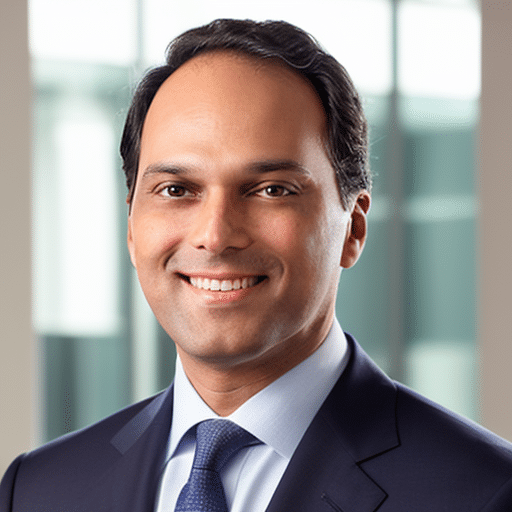
Rafay Farooqui arrived at this problem from inside the industry. He had co-founded CAIS before establishing SUBSCRIBE in 2015. His move was a bet that making funds available would create demand for better machinery to process them. In his 2024 interview with WealthManagement.com, he recalled an early objection: “Doesn’t DocuSign do what you’re doing?”
It is a revealing question. An electronic signature makes a document easier to execute. The problem SUBSCRIBE pursues includes everything that must happen around that signature. Even today, its platform uses a DocuSign integration. A pen, however sophisticated, still needs a desk.
A passport for your paperwork
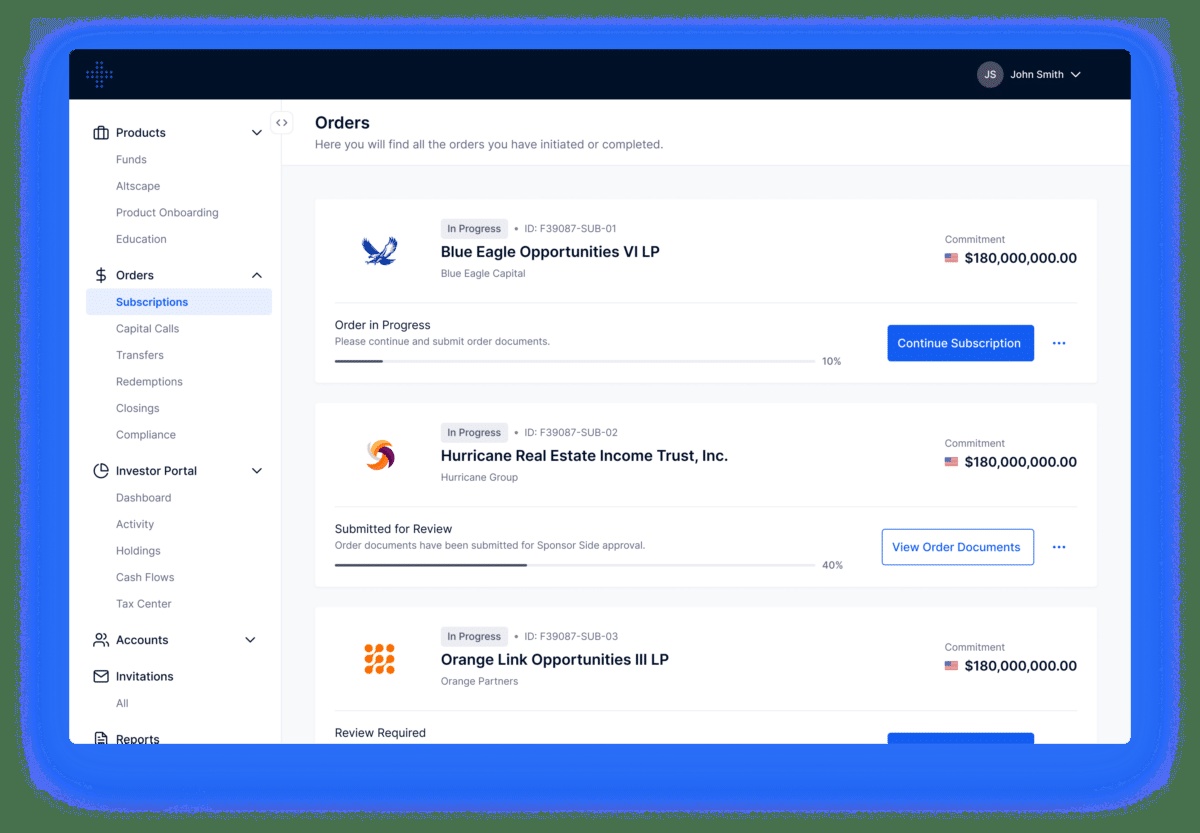
The investor-facing proposition starts with reusable information. A pension fund, foundation, family office, or wealth manager can centralize its private fund workflows and use stored data to prepare subscription documents. The entity investing has a record; that record does not have to disappear when the next fund arrives.
Reuse also needs supervision. Investment details change, documentation needs review, and different recipients have different requirements. A passport is useful because information travels. It becomes dangerous if everyone assumes travel means permanent validity. The operational lesson is to preserve the record while retaining a clear process for checking it.
- 01IdentifyInvestor profile + documents
- 02PrepareFund-specific subscription
- 03ReviewManager + service providers
- 04ContinueReporting + capital calls
Law firms and administrators have their own version of the problem. They need to see which submissions require attention and which documents remain outstanding. SUBSCRIBE’s service-provider workflows combine document collection, review status, and connections to internal systems. A shared view can spare everyone the peculiar pleasure of discovering that three people have maintained three different trackers.
The clients reveal the product
A customer list becomes more interesting when you ask what each customer needs. Goldman Sachs Asset Management joined in July 2023 to offer digital onboarding, electronic subscription documents, and order workflows. The target included its third-party wealth channel: partner firms, advisors, and their investors.
Carlyle followed in December 2023 with certain private wealth products, including its tactical private credit and AlpInvest private markets funds. The announcement focused on reducing the operational friction of allocating to those products. The fund strategy could remain sophisticated while the act of subscribing became less laborious.
Pantheon’s May 2026 announcement described a broader coordination task: one portal and a consistent process across institutional and wealth offerings, with visibility for external counsel, the administrator, and internal staff. Ardian’s June announcement concerned financial advisors investing in certain offerings. Neither announcement implies that every product at either firm runs through SUBSCRIBE.
Then there is Singapore-based AlfaR Fund Services. Its March 2026 launch put SUBSCRIBE underneath a custom-branded onboarding platform with reusable profiles, document collection, and daily screening. Here, the technology serves another firm’s client experience. Infrastructure can earn its keep without insisting that its name occupy the front door.
Total assets managed by its client network.
The fee is part of the argument
SUBSCRIBE sells enterprise software. Farooqui described flat enterprise fees in 2024, rather than a charge on the billions of dollars transacted through the platform. That makes the operating budget central to the pitch. A buyer is paying for the machinery and judging whether the machinery saves enough work.
The company’s investor page advertises five-times-faster document completion and $125,000 in average annual operating savings. Those are vendor claims, not a quotation for the software or a promise for a particular firm. A prospective customer needs to compare its own volume, staffing costs, and integration work against the proposed contract.
The competitive field overlaps. CAIS and iCapital offer alternatives technology as well as distribution capabilities; specialized providers address other parts of the workflow. SUBSCRIBE’s distinctive proposition is an open architecture that accommodates externally sourced investments. Its platform also includes Altscape, its own marketplace, where VanEck’s Digital Assets Alpha Fund became available in 2026. Infrastructure and product access can coexist.
The investment survives the signature
Closing a subscription does not close the relationship. The investor still needs statements, notices, and tax documents. Money may have to be contributed later through capital calls. An advisor’s reporting system needs information it can use, rather than another PDF waiting politely in an inbox.
The June 2026 Envestnet partnership follows that logic. It connects investments made through SUBSCRIBE with Envestnet’s unified managed account workflows and announces a Tamarac reporting integration. The described capabilities include statement aggregation, capital call management, and tracking tax documents such as K-1s.
“We are building out the pipes for the industry”
Rafay Farooqui / SUBSCRIBE company overview
The partnership matters because an advisor already has systems for managing a client’s portfolio. Alternatives become easier to operate when their information can enter those systems. As an editorial reading of the strategy, SUBSCRIBE wants the private investment to keep moving through the firm after its subscription packet has been accepted.

A useful idea, with obligations attached
The public team page lists more than 150 people and leadership spanning engineering, investment reporting, trading operations, and client service. Its hiring page reflects the same mix. Coordinating a fund investment takes product design, software, and people who understand what users are trying to complete.
For operators in other industries, the copyable idea is straightforward: find the information that customers repeatedly submit, preserve it, and connect the people who need to review it. Measure the handoffs. A beautiful form offers limited relief if the next person still receives an attachment and starts again.
The conditions matter. This approach needs reliable records, participating counterparties, and integrations that carry useful data. It will not turn an illiquid fund into a liquid investment, remove eligibility requirements, or improve a fund manager’s investment judgment. Those are different jobs.
What SUBSCRIBE offers is control over the work between those decisions. Private markets have plenty of occasions to be clever. Remembering who the investor is, showing who must review the documents, and keeping the resulting information usable are occasions to be orderly. Order, in this business, has customers.