real-estate-development
(51)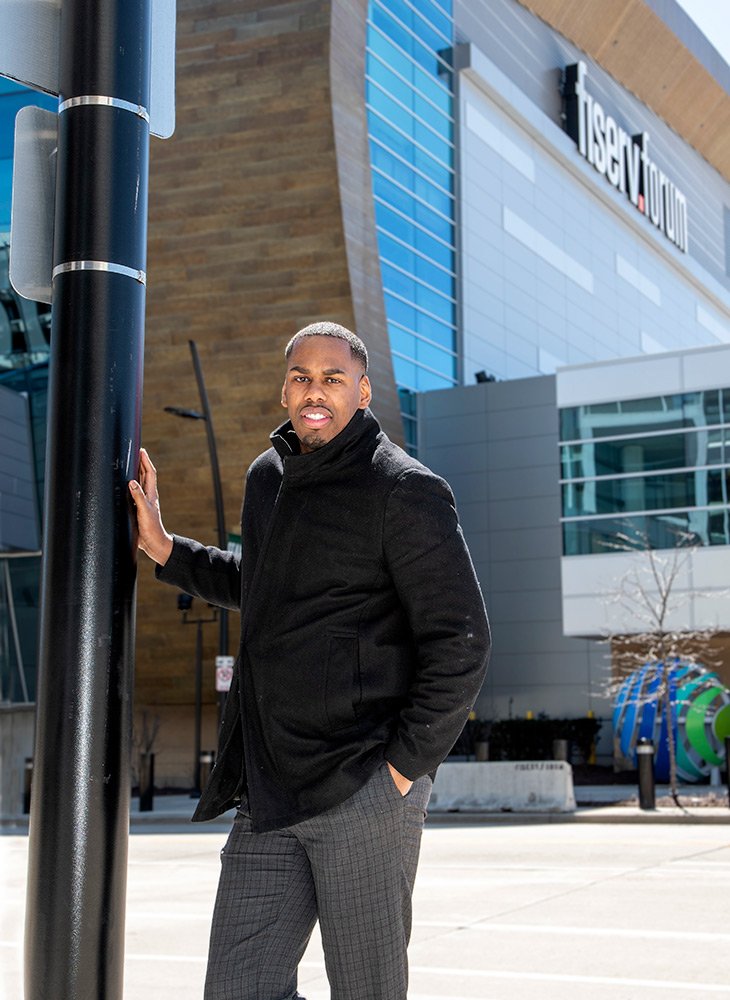
Kevin Newell and the school that became a second chance
He went to class at Phillis Wheatley. Years later, he returned as its developer. For Royal Capital founder Kevin Newell, the route from a childhood address to a real estate deal runs through the people who made room for him.
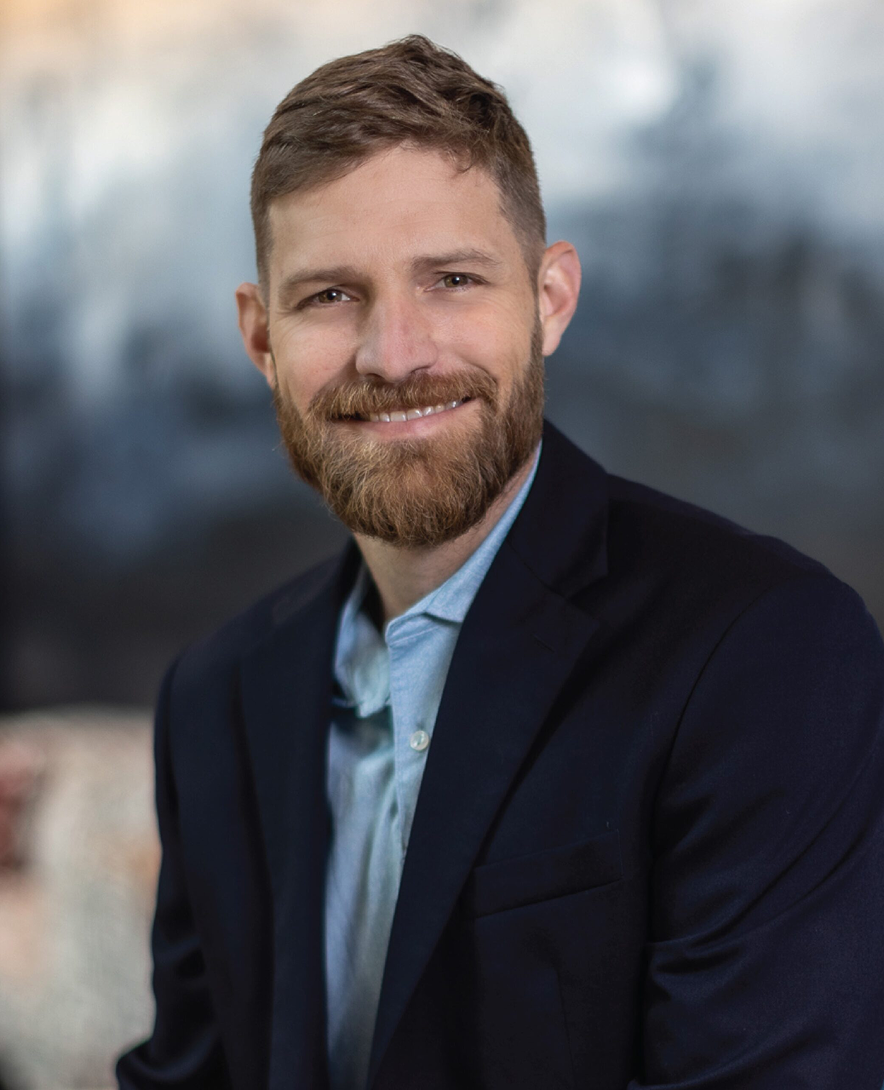
Nick Beucher and the distance between two kinds of football
A college kicker from Central Florida now helps lead Tavistock Group and represents the Lewis family’s interests around Tottenham Hotspur. Between those two sidelines lie Lake Nona, a Fort Lauderdale marina and a career spent turning property into places people use.
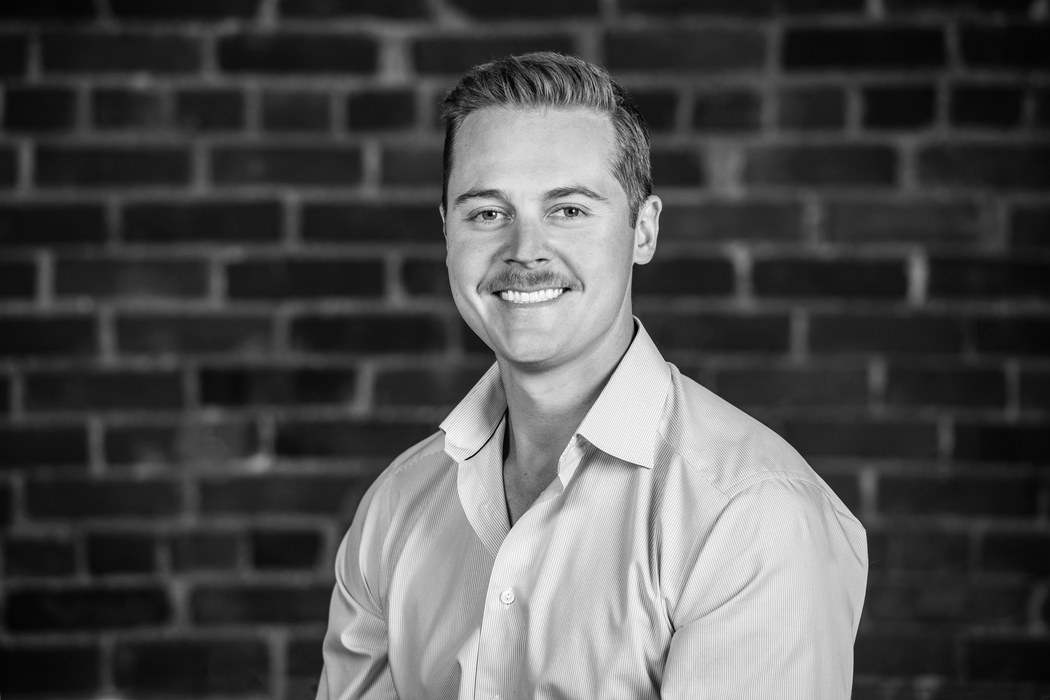
Kenneth Monfort and the block that answered back
A fifth-generation Colorado business owner takes the CEO seat with a downtown bet still in progress. On Denver’s Market Street, Kenneth Monfort is learning how much a city brings to the negotiating table.
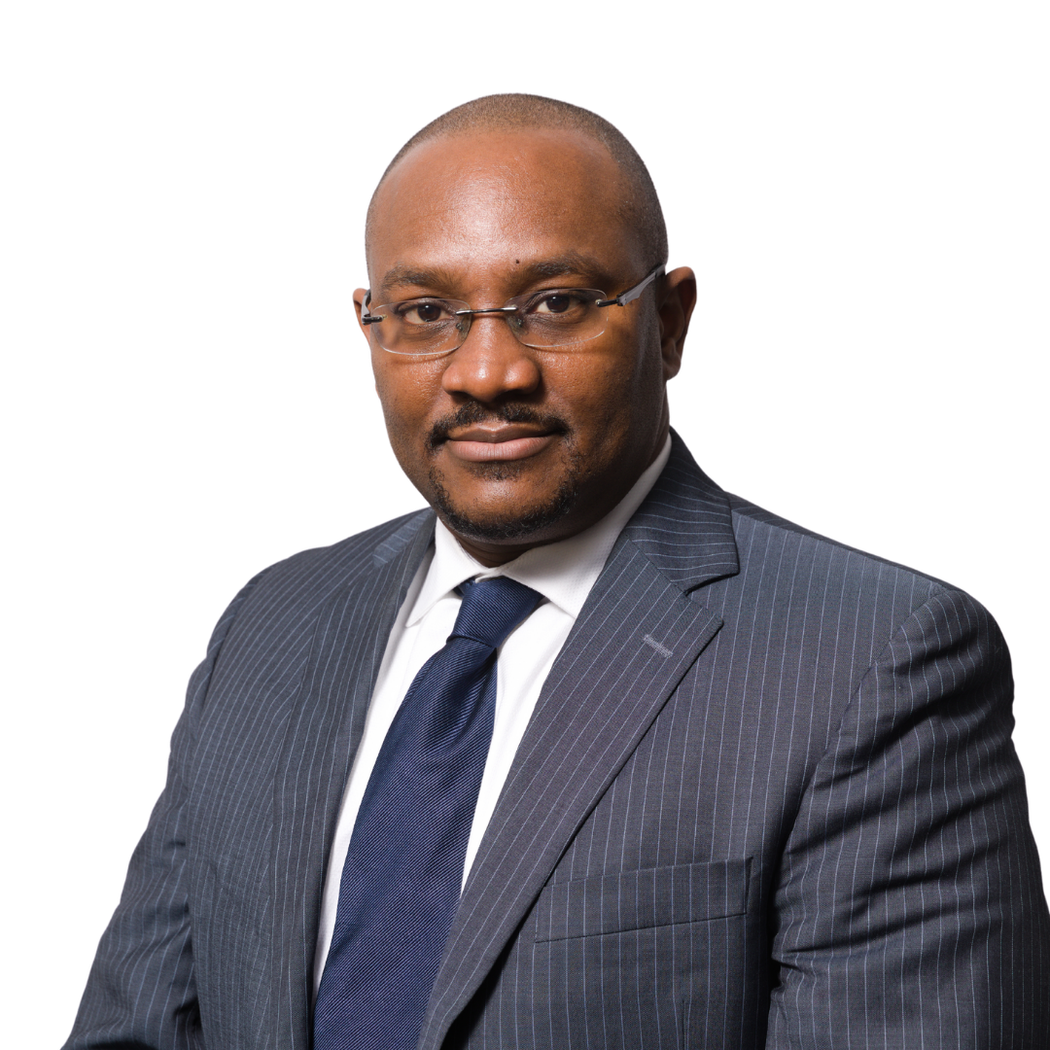
Schelton Assoumou and the price of staying put
A former J.P. Morgan banker brings the machinery of real estate finance to a neighborhood question: can a home become more valuable while its owner keeps a place in the community?
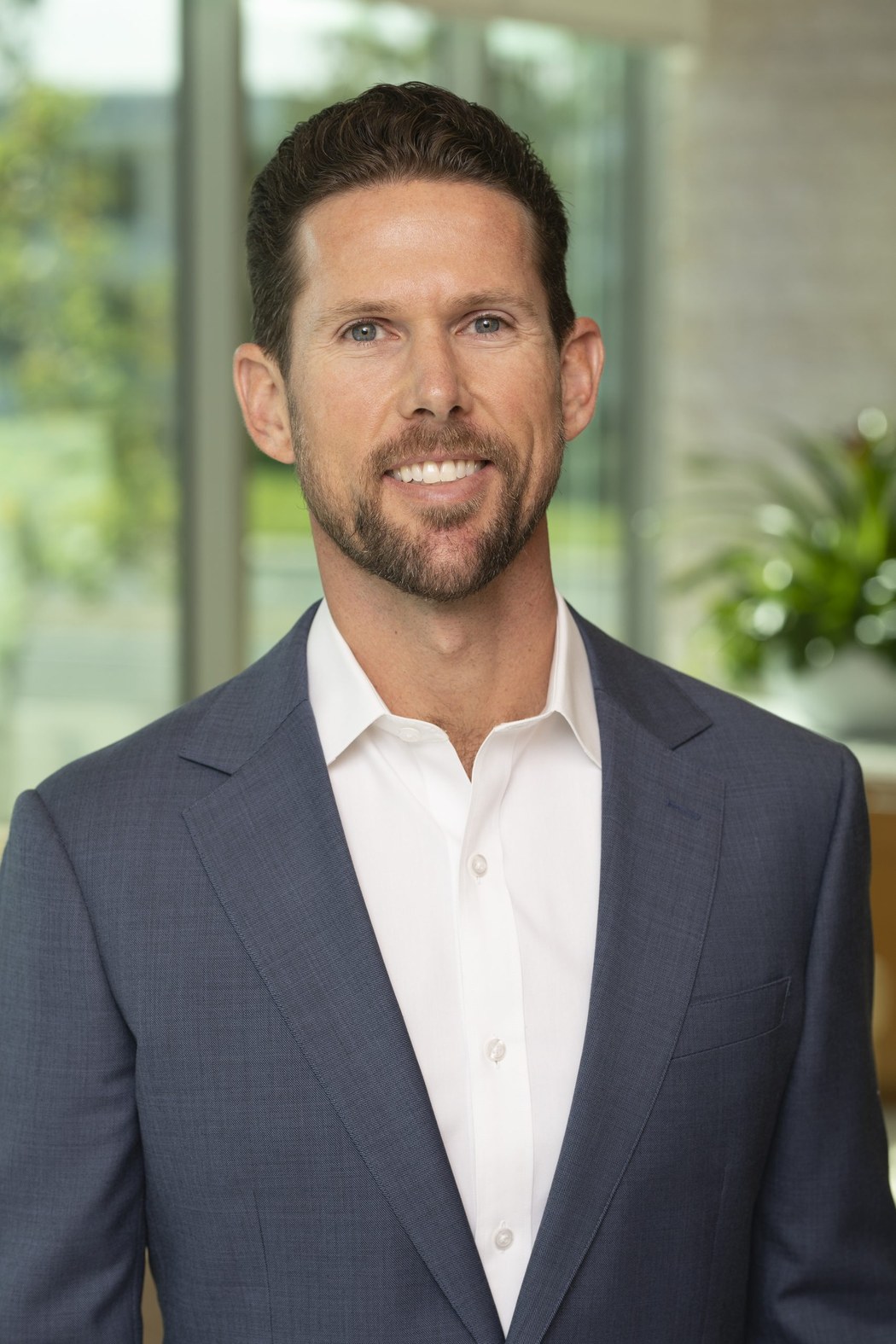
Evan Slavik and the art of taking the long way
A racing weekend with his father offers one glimpse of Evan Slavik. A 4,300-acre development in Nevada offers another: the Mark IV Capital chairman and CEO is working on a clock that runs well beyond the next deal.
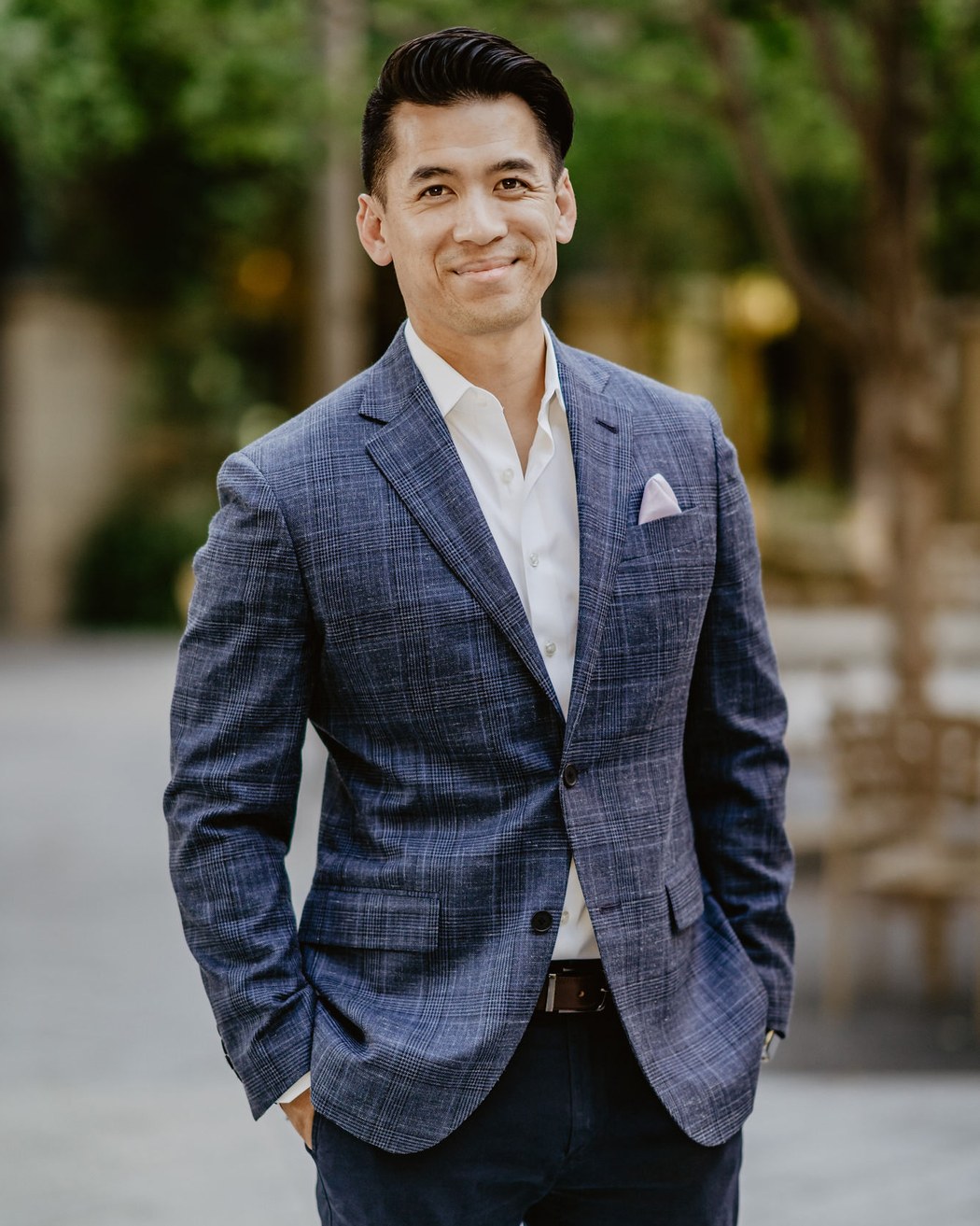
Nhan Le and the education of a landlord
A scholarship brought Nhan Le to UC Berkeley; a duplex kept him there. Now the founder of Valiance Capital is building student housing - and trying to give others the access that changed his own life.
Rowland Bates and the work before the view
From the difficult ground beneath Liberty National to the next homes at Pinewild, Rowland Bates has spent four decades working through the decisions behind resort communities. The finished view comes later.
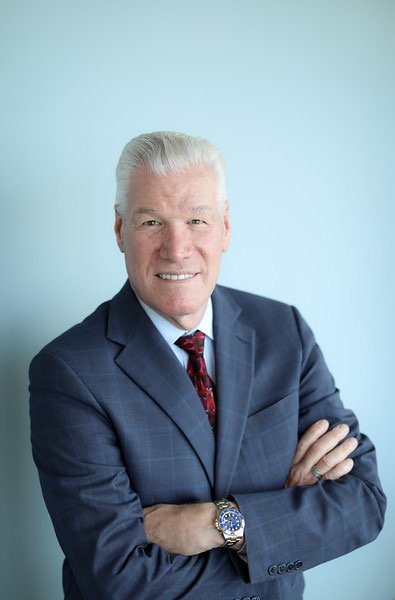
Gary Granger and the long way around the block
He learned construction in the family business, then spent three decades building a company of his own. In Lansing, Gary Granger’s next chapter runs through old buildings, public disagreements, and the patient work of getting a city block moving again.
Trevor Sperry and the economics of a rainy day
After J.P. Morgan, Capitol Hill and Boston Consulting Group, Trevor Sperry co-founded Olympus Pines. His retail investment business puts a practical question beside the financial ones: what makes a job worth keeping?
Chad Staheli and the work before the breakthrough
The Philo Ventures co-founder has built a career around the earliest, messiest stages of a business. His wager is that capital works better when it arrives with people who know what to do next.
Brian Murray and the business of staying put
From Peace Corps service in Bulgaria to factory workshops in Kensington, Brian Murray has built a real estate career around a difficult question: who gets to stay when a neighborhood starts to prosper?
Colin Behring’s two-block theory of a city
A Shanghai internship helped shape Colin Behring’s approach to Oakland: put homes, work and transport close together. His growing Uptown campus now faces a public test over the place of AI computing in the neighborhood.
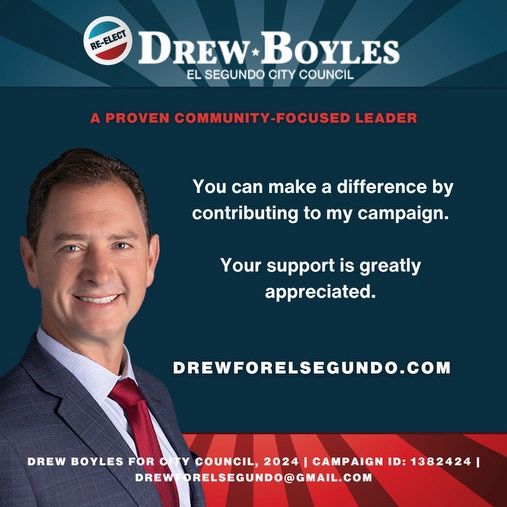
Drew Boyles and the long way to a wave
A broken surfboard became a product. A junk truck became a route to ownership. Now the former El Segundo mayor is working on a surf resort in Arizona, where the first challenge is everything that happens before the wave.
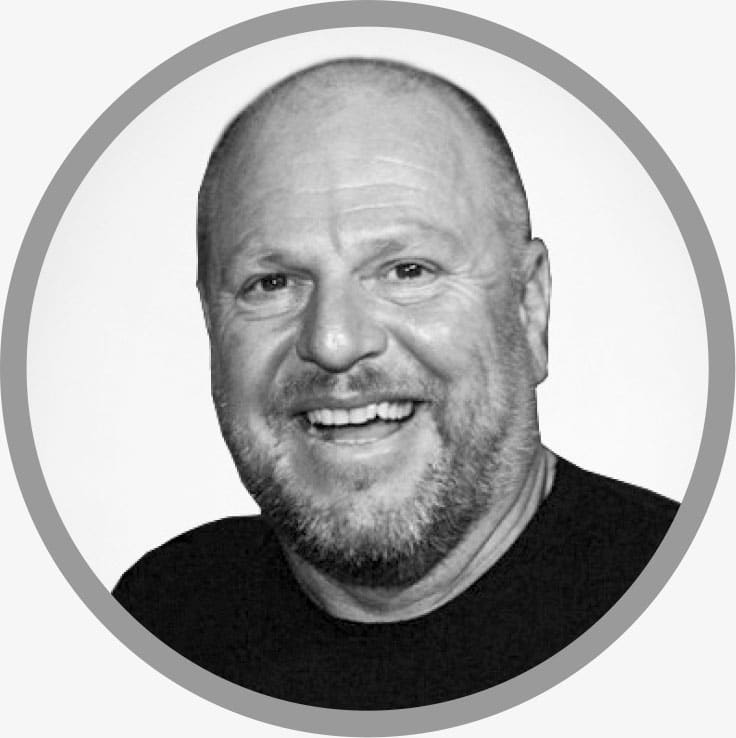
TJ Rinomato and the education of a late-starting rookie
He had spent decades in the family construction business before entering NASCAR’s Canadian series. For TJ Rinomato, becoming a rookie opened another chapter in a career that runs from Ontario property to a Sundance premiere.
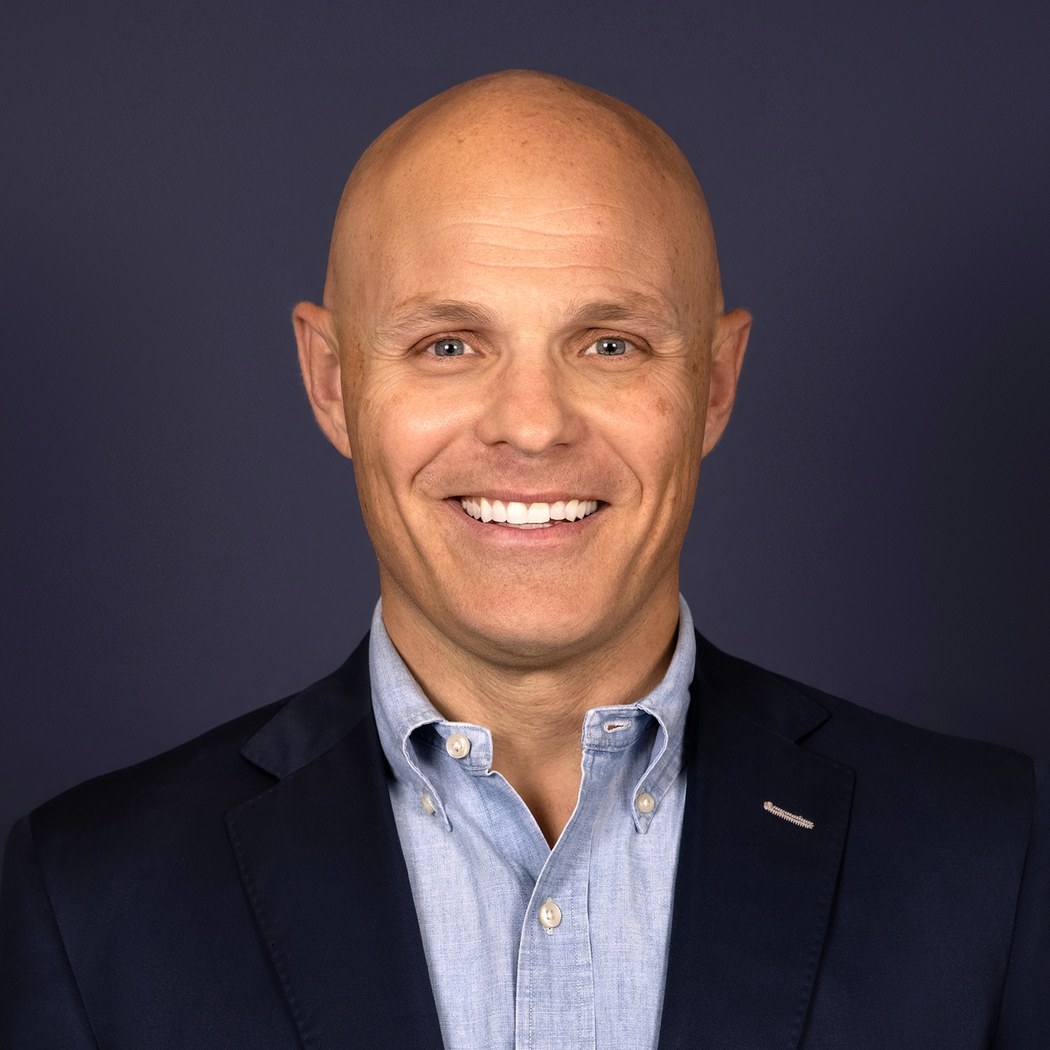
Bart Dickson Builds the Places Between Home and Work
A paperboy became a construction manager, went to law school at night, ran an electrical contractor and founded Cobalt. His latest bet is that a former warehouse can help give suburban Tualatin a little more soul.
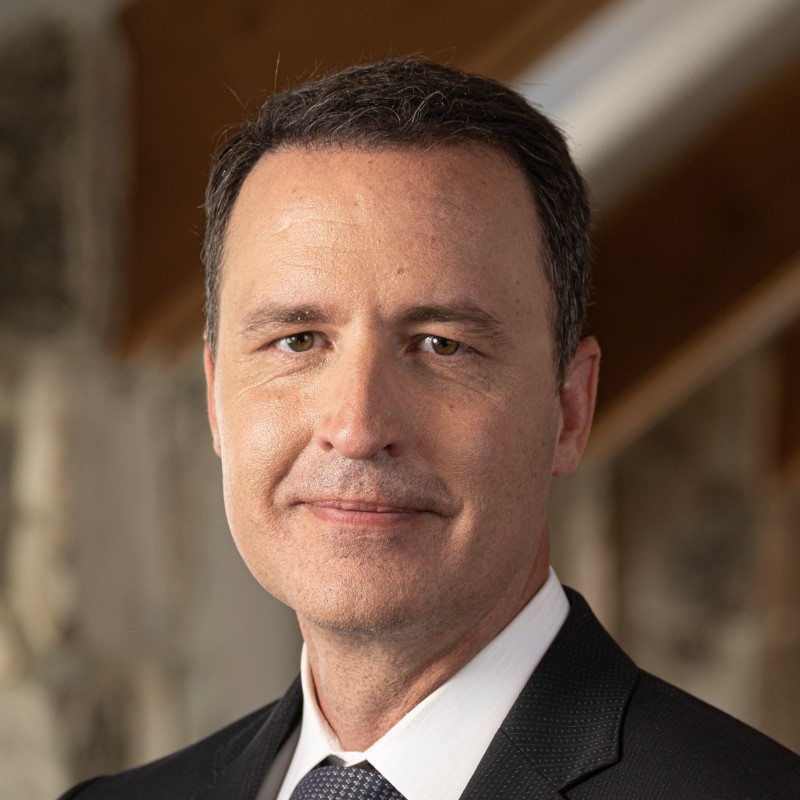
Craig Weston Keeps Building - and Now the Blueprint Is a Town
He started a dot-com in college, turned association paperwork into a software business, ran relief operations in the Philippines and built a national clinic network. Craig Weston's latest project asks a harder question: what happens when an entrepreneur's blueprint becomes public geography?

Schnitzer Properties Thinks Big by Making Room for Small Business
The family-owned landlord has built a Western real estate business around companies that need room to make, mend and move things. Its wager: smaller industrial tenants are worth the extra work.
Emily Marineau Wants Construction to Show Its Math
The Juno co-founder moved from Wall Street and Apple into the stubborn economics of housing. Her method is simple to describe and difficult to fake: define the cost, locate the risk, and make every elegant idea survive the spreadsheet.

Ardalan Khosrowpour Is Turning the Jobsite Camera Roll Into a Construction Ledger
He grew up around construction, trained an engineer's eye on its oldest information problem, and built OnsiteIQ around a stubborn idea: if every project is captured consistently, pictures can become evidence.
Alirio Torrealba Swapped Car Lots for City Blocks
After 25 years in auto retail, the Caracas-born entrepreneur found a second act in Coral Gables - one measured in courtyards, train stops and the patience to make new buildings feel inherited.
Joe Salemme Built a Travel Business Around the Miles Nobody Wanted
Before LUXY Ride, Joe Salemme learned to notice trucks returning empty. He turned that stubborn operating waste into a second career spanning chauffeur software, corporate travel, and Connecticut development.
Cary Rosenblum Kept Following the Deal - Until It Became a Housing System
The Elmington co-founder started with finance, then kept moving closer to the buildings, residents and operating problems. Six business lines later, his career offers a useful lesson in what vertical integration can do - and what it demands.
Leon Backes Builds Real Estate Like He Paints: One Layer at a Time
A $3 drawing prize, an orange Volkswagen Rabbit and a nearly 10-foot easel all belong to the same career. The founder of Provident has spent four decades turning patient land bets into places - and treating every plan like a composition still in progress.

The Teachers Who Bet $25,000 on One House - Then Built a 20,000-Home Machine
Cardel Homes survived Calgary's dollar-house recession by learning when to specialize, when to spread out and when to own more of the customer journey. Its 50-year playbook is useful far beyond homebuilding.

The 50-Year-Old Homebuilder That Turned a Housing Problem Into a Factory
Great Gulf saw skilled labour tightening before it became a national emergency. Its answer was to pull part of the building site indoors - and turn construction into a repeatable manufacturing system.

Elmington Built a Housing Machine. Now It Has to Prove the Machine Can Keep Homes Affordable.
The Nashville firm turned recession-era opportunism into a vertically integrated housing business. Its next test is harder: making public-private affordability work at city-shaping scale.

The Land Nobody Wanted in 1991 Is Now a 1.8-Gigawatt Bet
Leon Backes started Provident by buying land nobody wanted from failed savings-and-loans. Thirty-plus years and $7.5 billion later, the same patient-money playbook is building a 5,000-acre town and one of Texas's largest data center campuses.

Amicon Bet That Owners Needed a Bodyguard, Not Another Contractor
Adam Mopsick started with a $30,000 mistake and a hunch that construction's real problem wasn't concrete - it was that nobody in the room actually worked for the owner. Twenty-seven years later, a global consultancy bought the answer.

The Firm That Remodels America 3,000 Stores at a Time
McDonald's, Starbucks and Walgreens don't remodel one store at a time - they hire a Downers Grove firm run by a former Green Beret to do thousands at once, on schedule, on brand.

The Man Who Sold Cars in Caracas Is Now Building Coral Gables the Way George Merrick Dreamed It
Alirio Torrealba spent 25 years selling Fords and Kias in Venezuela. Then he moved to Miami and started building the kind of Coral Gables that George Merrick sketched a century ago - boutique, Mediterranean, and now worth half a billion dollars.