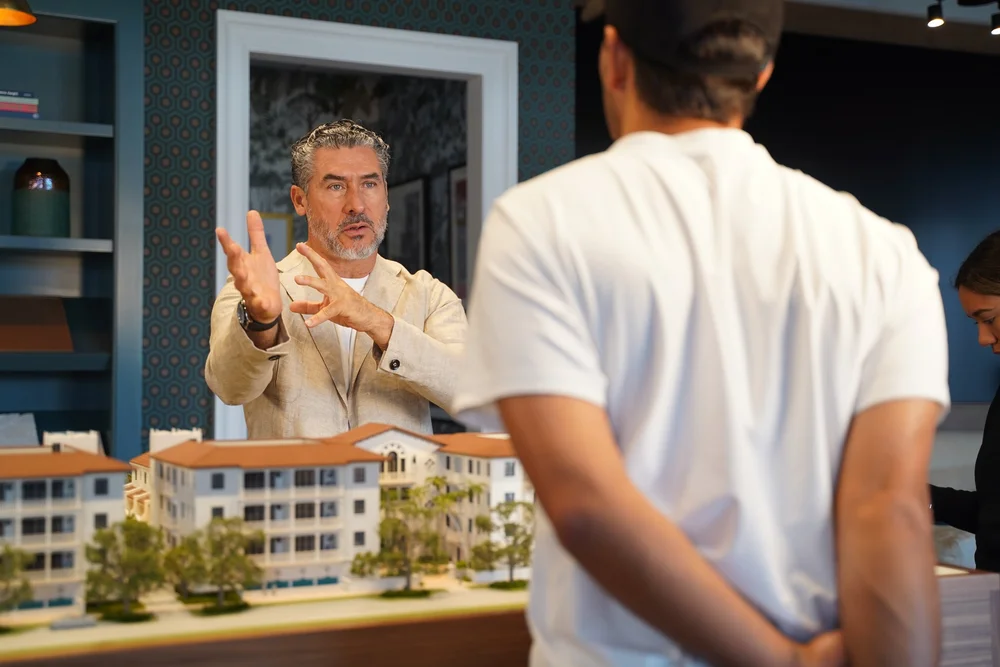
For most of his working life, Alirio Torrealba sold cars. He started in 1989 at a dealership in Caracas, then built Multimarca Automotive Group into one of Venezuela's largest auto retailers - ten-plus branches moving Kia, Ford and Fiat. It was a good business built on a simple truth about people: they don't buy the metal, they buy the feeling of pulling into the driveway. In 2013, at an age when most executives coast, he packed up that instinct and moved to Miami to do something he had never done before: build buildings.
The company he founded in 2014, MG Developer, is now sitting on a South Florida development pipeline worth more than $500 million. It got there without a single glass tower, without a splashy out-of-town brand, and without pretending Coral Gables is anything other than what its founder intended it to be a hundred years ago. That last part is the whole strategy.
The ThesisBuilding for a man who died in 1942
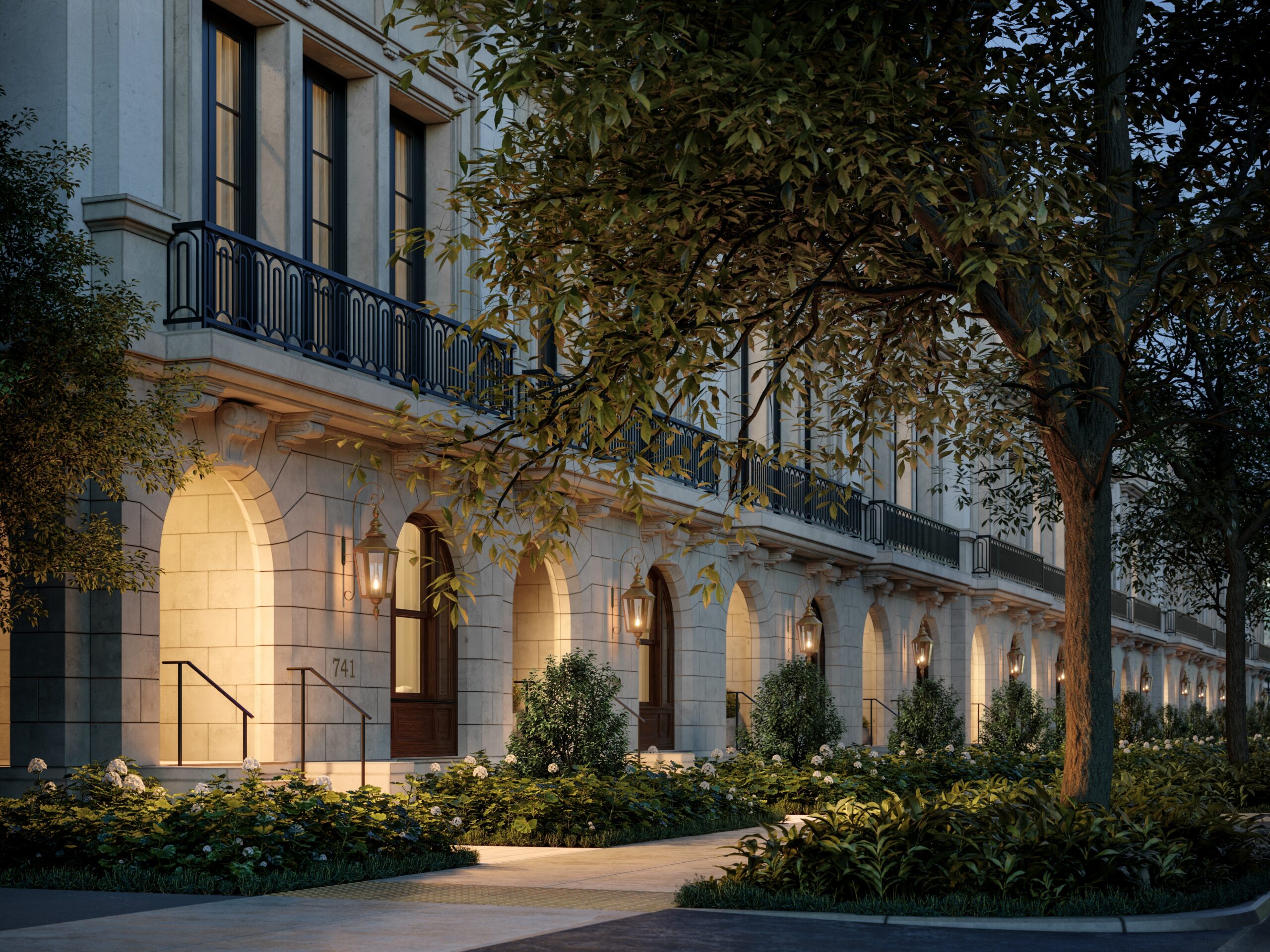
Coral Gables was dreamed up in the 1920s by George Merrick, who wanted a Mediterranean city of coral-rock arches, plazas and Spanish Colonial rooflines - a "City Beautiful." A century later, most Miami developers treat that heritage as a zoning obstacle. Torrealba treats it as a brief. MG Developer's projects are deliberately boutique, low-rise and Mediterranean, designed to look like they have always belonged on the block.
It sounds sentimental. It is also a moat. In a city obsessed with height and volume, being the developer who builds with the grain of the place - the one the planning board and the neighbors trust - is a quiet, compounding advantage. Approvals get easier. Buyers who fear the next anonymous tower feel safe. The brand does work that marketing budgets cannot.
“Nothing beats good teamwork.”
Alirio Torrealba, Founder & CEO, MG DeveloperTorrealba, who holds a law degree from the University of Santa Maria, folds original art and design into every project and talks about lifestyle the way he once talked about cars. The product is not square footage. It is a way of living in a specific, storied place. That framing is the throughline from the showroom to the show unit.
The PortfolioFrom 32 condos to 900 apartments
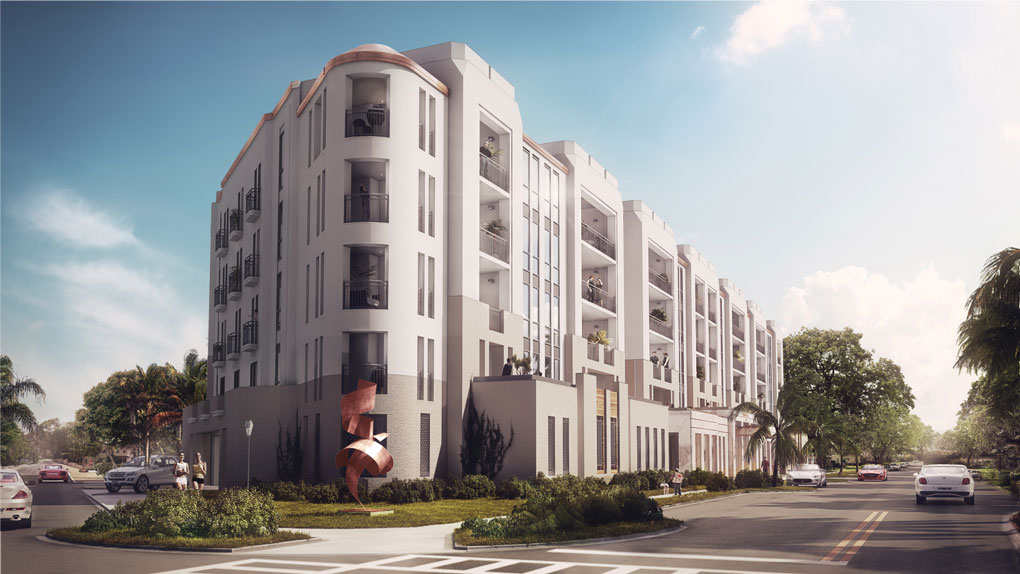
The first building set the template. Biltmore Parc, a five-story boutique condominium of 32 residences near the historic Biltmore Hotel, opened MG Developer's account and, as Torrealba tells it, opened the doors to everything after. Priced roughly $1.2 to $2.0 million and designed by architects Bellin & Pratt, it proved the boutique thesis could sell.
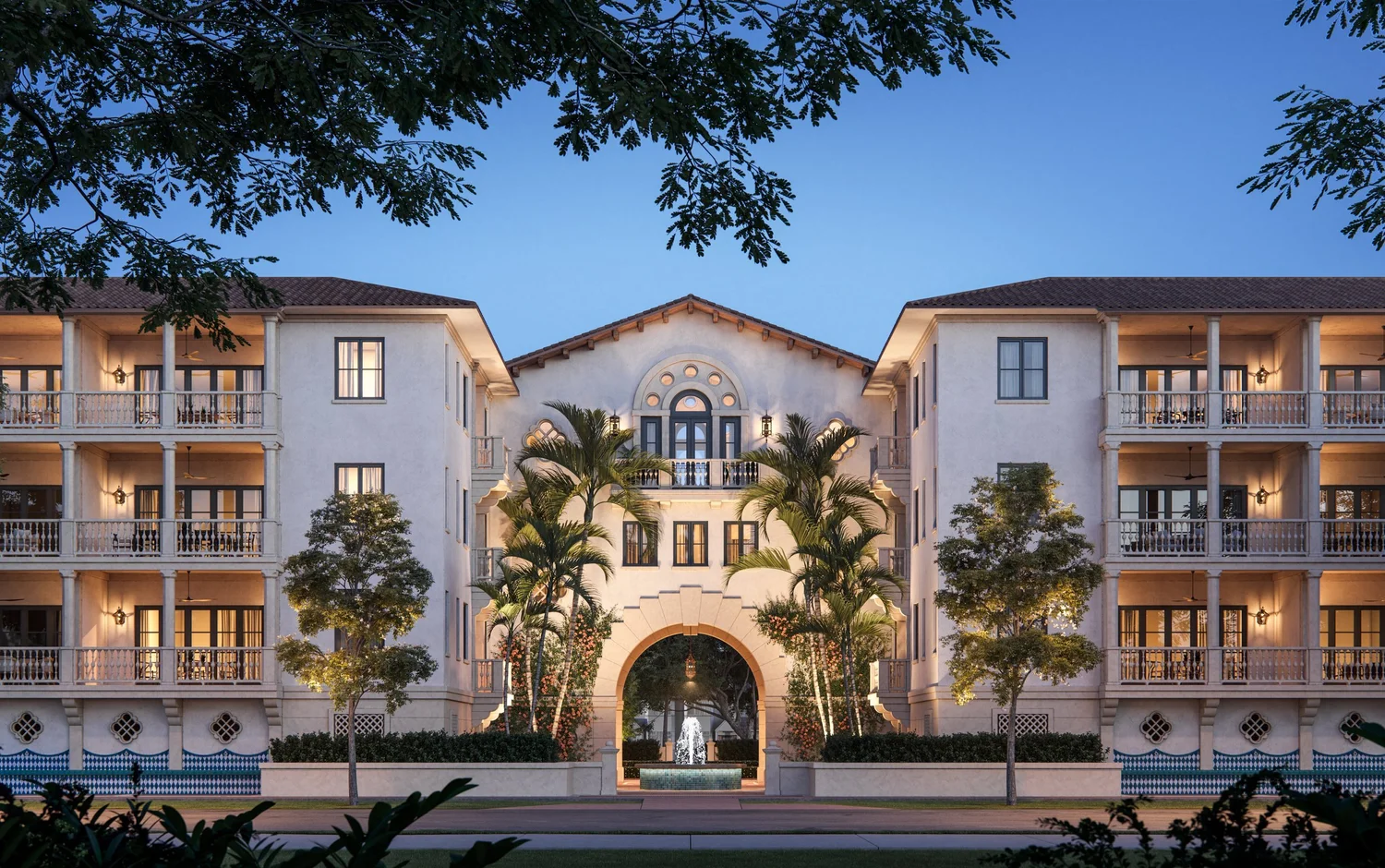
The flagship is The Village at Coral Gables, a 48-residence community on Malaga Avenue - townhomes, lofts, villas and flats drawn in 19th-century Spanish Colonial by De La Guardia Victoria Architects & Urbanists. It reached 60% sold and topped off ahead of schedule, with prices starting around $2.2 million. Next door in spirit sits The George, 13 luxury townhomes on Valencia Avenue backed by a $39 million construction loan in 2025, plus the Biltmore Square cluster - Beatrice Row, Biltmore Row, Althea Row and The Ponce.
Then the ambition changed gears. In Hialeah, MG Developer moved from boutique ownership to transit-oriented rental scale. Metro Parc, co-developed with New York's Baron Property Group, is a two-tower, 559-unit apartment project beside the Metrorail line. Metro Parc South adds a 10-story, 347-unit building, financed by a $105 million construction loan from Scale Lending, with groundbreaking set for 2025. Two projects, more than 900 apartments - a different customer, a different balance sheet, the same operator.
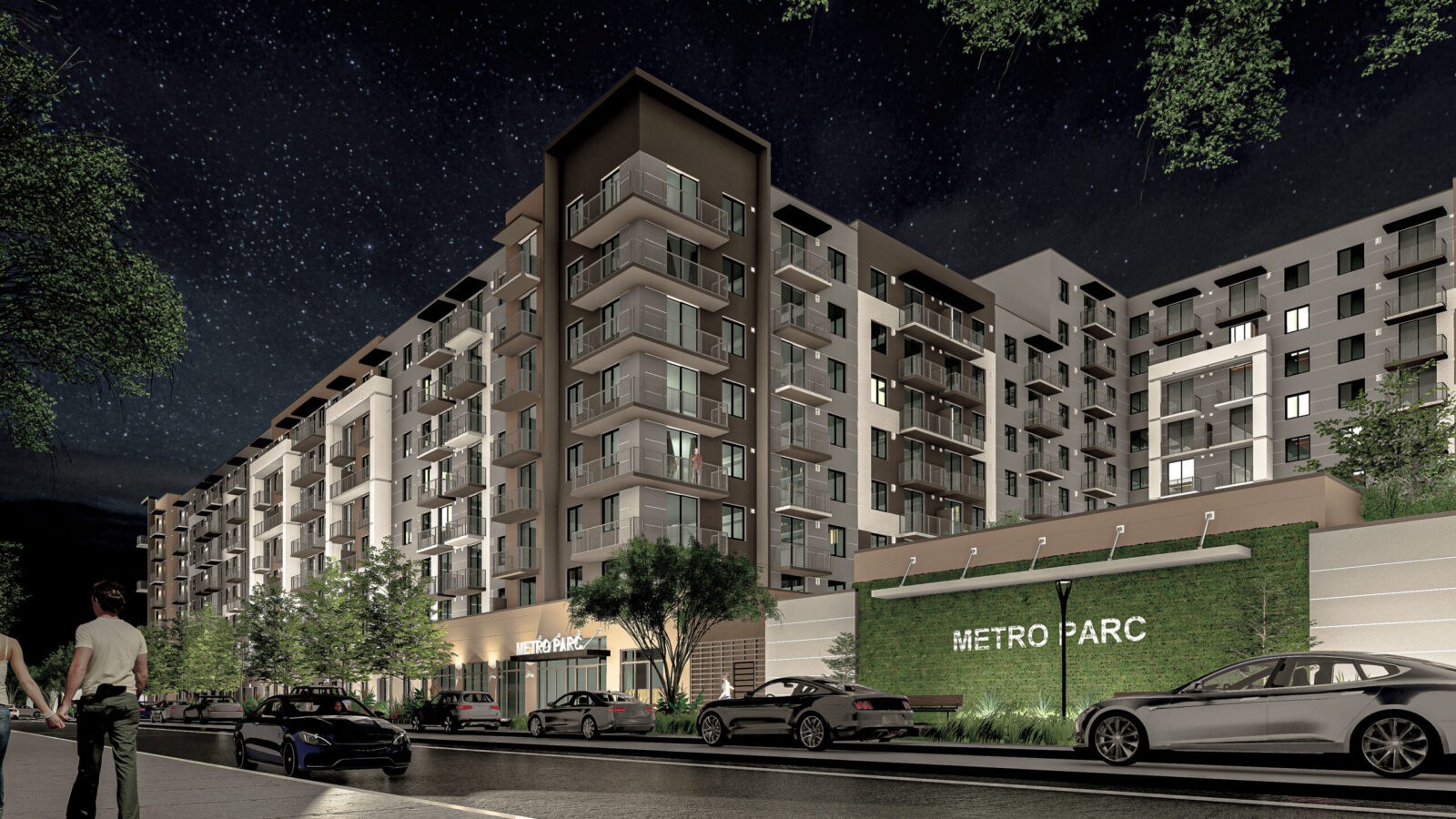
A boutique brand built on 32-unit condos is now delivering 900-plus apartments. Boutique identity, volume ambition.
YesPress analysisThe MoneyA financing spree, read as a signal
MG Developer funds its work primarily through construction and debt financing - selling condos and townhomes to end buyers while developing and holding larger multifamily assets, often alongside a bigger capital partner. Read the loan calendar and you can see the company shifting weight: an $18 million debt facility in 2023, then a run of construction loans - $39 million for The George, $105 million for Metro Parc South, and roughly $100 million in 2026 for the Alhambra Parc mixed-use project co-developed with Vertical Developments.
The pattern is the tell. A firm known for small-batch luxury does not stack nine-figure multifamily loans unless it intends to grow into something larger, and unless bigger players - Baron Property Group, Vertical Developments - want it as the local partner who knows the market and the city hall. That trust took a decade to build.
The LedgerTen years, one zip code, then out
The NeighborsWhere MG fits, and who it beats
MG Developer competes with other South Florida boutique and luxury builders - firms like The Allen Morris Company, Location Ventures and Constellation Group - for the same well-heeled Coral Gables and greater Miami buyer. Its edge is not price or scale. It is fidelity: the sense that an MG building belongs to the city rather than landing on it. For buyers who could go anywhere, that belonging is the differentiator.
There is a civic side to the same coin. Torrealba, named Business Leader of the Year by the Coral Gables Chamber of Commerce and featured in Miami Today's Book of Leaders, runs a philanthropic arm, the MG Foundation, which donated $2 million to modernize the emergency room at Baptist Health Doctors Hospital. In development, goodwill is not charity. It is the infrastructure that gets the next project approved.
The TakeawayWhat you can actually steal
The MG Developer story is not "follow your passion." Torrealba had no edge in real estate; his edge was in cars. What carried over was the harder, transferable skill - selling an aspirational product and running a sprawling operation - applied to one prestige zip code, relentlessly, until the reputation compounded. Pick a place, build with its grain, earn the city's trust, and only then partner up and scale into the markets next door. It worked from Coral Gables to Hialeah in ten years.
The obvious caveat: this playbook is bound to a moment and a market. It leans on South Florida's appetite for luxury, on cheap-enough construction debt, and on a heritage story that not every city has to sell. In a downturn, boutique margins are thin and nine-figure multifamily loans are heavy. But that is the bet Torrealba has made twice now - once on cars, once on coral rock - and so far the driveway keeps filling up.