south-florida
(19)
The Agency That Put a Spreadsheet Behind the Story
Roar Media began with a simple marriage: old-school press instincts and digital measurement. Eighteen years later, its most interesting work still happens where a headline meets a dashboard.
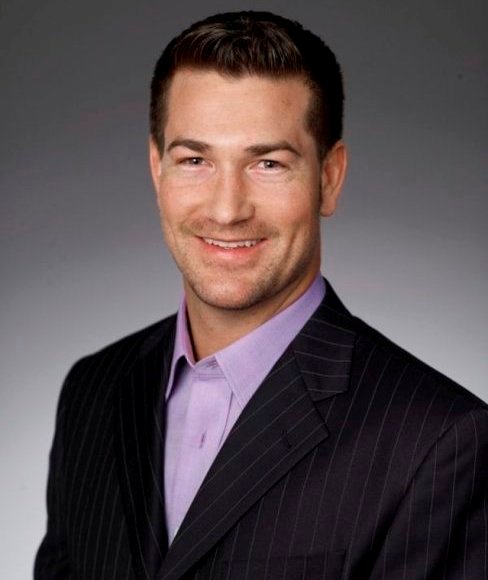
Jacques Hart Built a Career on the Work Nobody Could Ignore
From a cowbell-and-ice-cream stand in remote Alaska to a nationally ranked South Florida agency, Jacques Hart has kept the same operating principle: make yourself useful, measure what matters, and let the title catch up later.
Pierson Grant Built a 31-Year Business on the Part Nobody Can Automate
A 12-person Fort Lauderdale agency has survived three downturns, a pandemic and the collapse of the old media map. Its trick is less glamorous than going viral: know what a reporter needs, know what a community cares about, and make the two meet.
The Firm That Turned Good News Into a Business Model
For 33 years, a Fort Lauderdale agency has treated publicity as a consequence, not a product. Its best campaigns begin with something real enough to survive the press release.

The $400 Million Conversation
Garth Solutions found a business in the awkward space between a billion-dollar plan and the people expected to live with it. Its real product is not a brochure or a meeting - it is participation that survives contact with reality.

The Agency That Made Staying Close a Business Model
For nearly three decades, Carol and Lonnie Chenkin have sold clients something larger agencies struggle to package: memory, proximity, and the promise that the people pitching the work will stay close enough to finish it.
The Fort Lauderdale Agency That Merged Its Way Out of the Marketing Silo
For nearly two decades, Kip Hunter Marketing traded on a scarce South Florida asset: knowing who should know whom. Then it merged with a Pittsburgh creative shop to turn relationships into a full-funnel machine.
The Restaurant Before the Restaurant
Most PR firms arrive when the doors are ready to open. The Gab Group would rather help decide what should be behind them - then turn the opening into a story South Florida wants to tell.
The Mosaic Group Makes the Public Part of the Plan
The West Palm Beach agency works where campaigns become public conversations - mixing research, design, media, and face-to-face outreach for institutions that cannot afford to confuse visibility with trust.
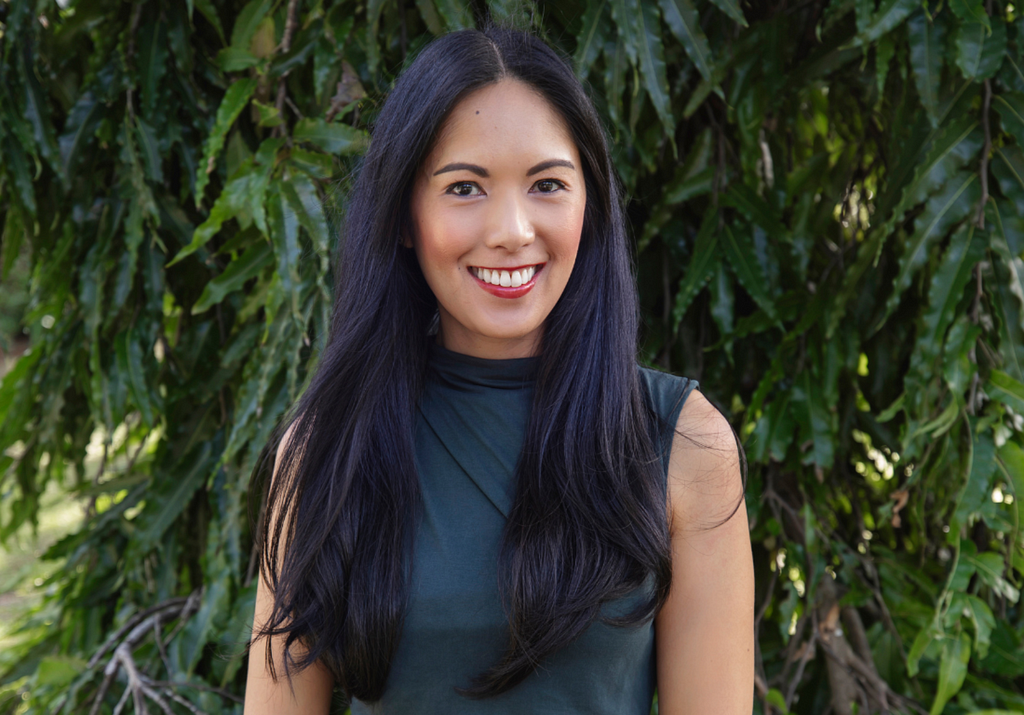
Anne Ghaltchi Keeps the Machines Honest - and the Marketing Human
ZeroBounce's CMO built her career on paid-search precision, creative pivots and one durable suspicion: automation is useful, but somebody still has to check the work.
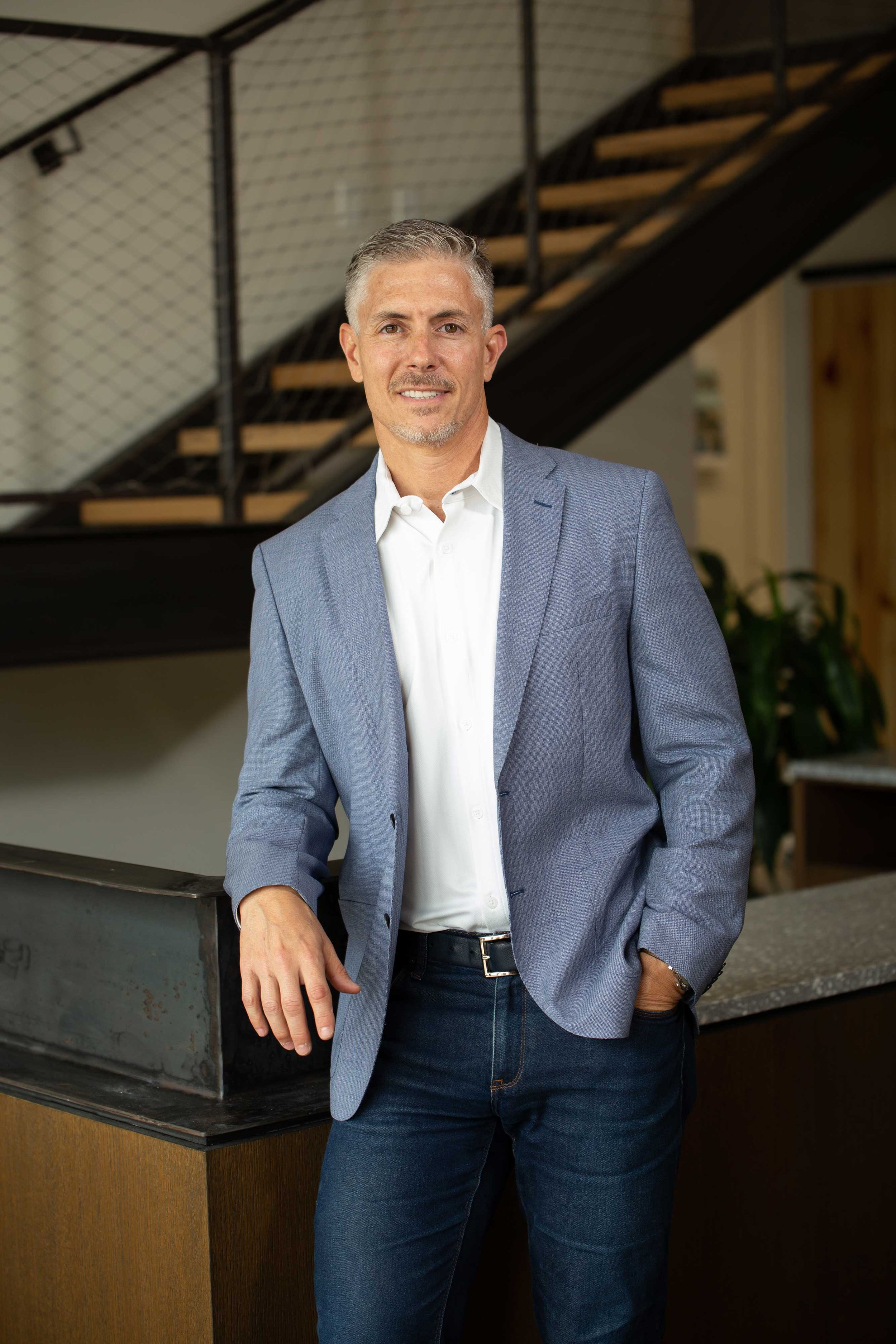
Adam Mopsick Built the Business Twice - Then Learned How to Begin Again
A $30,000 estimating mistake, a recession-era reinvention and a lesson in letting go shaped the Miami builder’s three-decade education in risk, trust and starting over.
The Home-Theater Company That Built Its Best Room Inside a Bank Vault
A former GM operating-systems engineer turned an old Boca Raton bank into a smart-home laboratory - vault theater included - and now sells the finished picture before the first cable is run.
Atlantic Radio’s 36-Year Bet: When Phones Falter, the Walkie-Talkie Still Gets the Job Done
A South Florida team of eight has spent 36 years selling an unfashionable advantage: one-button communication that survives noise, weather, dead zones and work gloves. Its real product is not the radio - it is removing every reason the radio might fail on shift.
Amicon Bet That Owners Needed a Bodyguard, Not Another Contractor
Adam Mopsick started with a $30,000 mistake and a hunch that construction's real problem wasn't concrete - it was that nobody in the room actually worked for the owner. Twenty-seven years later, a global consultancy bought the answer.
The Man Who Sold Cars in Caracas Is Now Building Coral Gables the Way George Merrick Dreamed It
Alirio Torrealba spent 25 years selling Fords and Kias in Venezuela. Then he moved to Miami and started building the kind of Coral Gables that George Merrick sketched a century ago - boutique, Mediterranean, and now worth half a billion dollars.
The Miami HEAT Turned Two Words Into a Business System
Miami sells basketball, tickets, media, merchandise and access. The unusual part is the operating doctrine behind all of it - a thirty-year effort to turn standards, conditioning and a sense of place into a product fans can recognize.
Douglas Elliman Real Estate
The 114-year-old New York brokerage sells the top 5% of the housing market - and is now betting a leadership shake-up, a global alliance and a hard turn toward profitability can keep it there.
Goodwill Industries of South Florida
Goodwill Industries of South Florida is a Miami-based nonprofit social enterprise that funds training, employment and job placement for people with disabilities and other barriers to work. Founded in 1959, it runs a self-sustaining business model spanning donated-goods retail and thrift stores, technically complex apparel and flag manufacturing for the U.S. military, commercial laundry, janitorial services and third-party logistics. With roughly 3,600 employees and about $196M in annual revenue, it is one of the largest Goodwills in North America and the largest employer of people with disabilities in Florida.
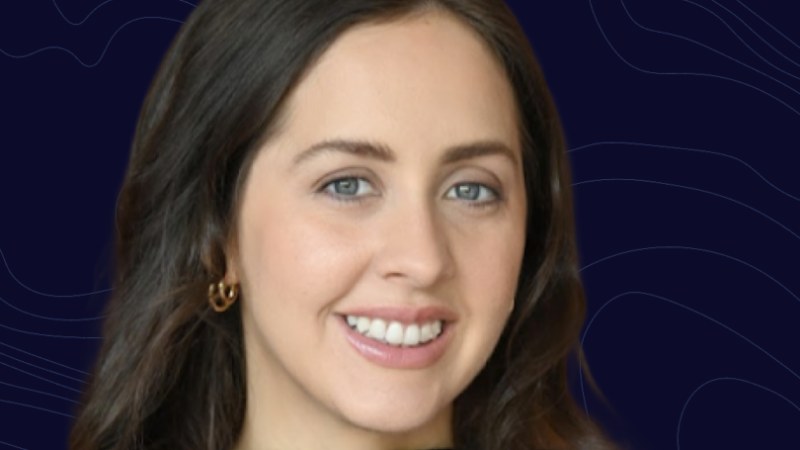
Selene Casabal
Selene Casabal is the Managing General Partner and Chief Venture Officer at Fuel Venture Capital, a Miami-based firm managing approximately $550 million across five funds. A former Silicon Valley founder whose retail tech startup was acquired by b8ta, she became an AI super angel with investments in Perplexity, Replit, Impulse Space, and Serve Robotics before joining Fuel VC in October 2025 to lead its $100M+ AI-focused deployment strategy. A Sequoia Capital Scout and South Park Commons fellow, she is on a mission to rewrite the gender imbalance in artificial intelligence one investment at a time.