A restaurant does not begin when the first plate crosses the pass. It begins earlier, in a fog of questions that sound small until they start costing money. Is this an elegant neighborhood room or a loud destination? Who is it for? What will the sign promise? Why should a television producer care about Tuesday's opening when six other places opened last week?
The Gab Group built a business in that fog. Founded by Michelle Soudry in Boca Raton in 2004, the company describes itself as a public-relations and brand-communications agency. Accurate, but incomplete. Its current service menu reaches from media outreach to naming, identity, web design, social campaigns, influencer procurement, opening-night production, hospitality consulting and on-location video. The press release is present. It is simply no longer the beginning.
That shift matters because restaurants, hotels and lifestyle brands have a peculiar publicity problem. They are easy to photograph and hard to distinguish. Another marble bar. Another sunset cocktail. Another founder announcing a “curated experience.” The commodity is not exposure; the commodity is sameness. The Gab Group's answer is to move upstream, into the choices that give exposure something to carry.
The publicist who wanted an earlier call
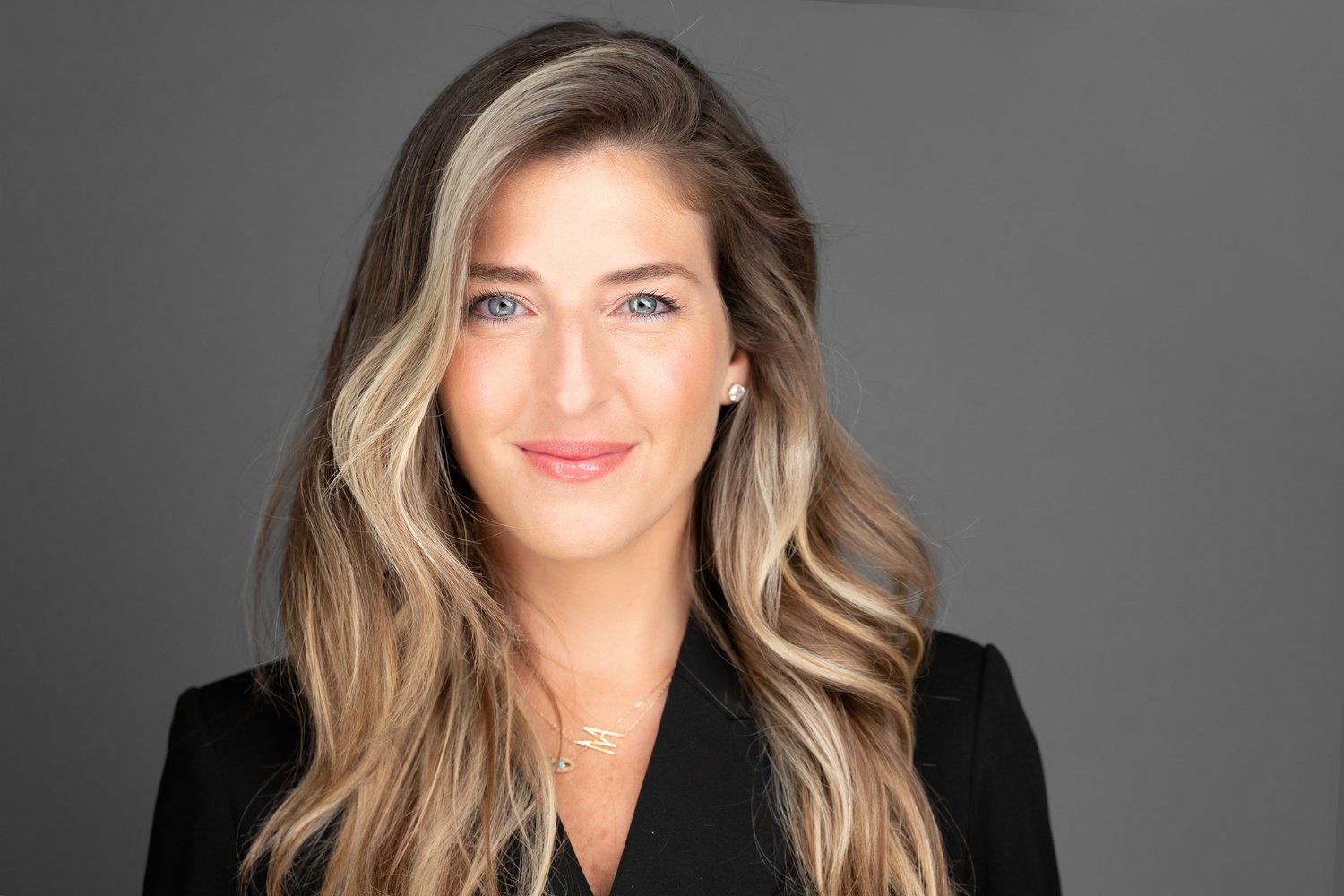
Soudry's public biography calls her a PR visionary. The more revealing title may be impatient publicist. A conventional agency receives a finished object and tries to persuade the world that it is interesting. The Gab Group's portfolio shows a repeated desire to get involved sooner: brand identity for a juicery, positioning for an apartment project, concept language for bars and restaurants, launch events that are designed as both parties and picture factories.
In 2014, before Apura Juicery & Coffeehouse opened, the brief publicly included PR, identity marketing, social media and website design. In 2017, the agency was enlisted to introduce both Altis Boca Raton, a mixed-use residential project, and Bar Flamenco, a Miami hospitality concept. BurgerFi releases from the company's expansion years put The Gab Group on the media line as the chain moved into international markets. Potions in Motion appointed it agency of record in 2020 while adapting its catering business to a strange new market of delivered celebration boxes.
A launch is not a date on the calendar. It is a machine for making a brand visible.The operating idea behind The Gab Group's full-service offer
This is where the name “Gab” earns its keep. The agency sells conversation, but it manufactures the reasons for conversation too. A room creates photographs. A guest list creates social proof. A founder interview creates a face. A press pitch creates distribution. If each part is commissioned separately, the campaign can feel like five competent strangers sharing a group chat. The Gab Group's business model is to sell fewer seams.
Three businesses hiding in one house
Today the public-facing identity is House of Gab. Inside it sit The Gab Group PR, House of Gab TV and Brand No. 9. It is a tidy architecture for the way the work has sprawled. The first earns attention through media relations. The second produces interviews, chef segments, testimonials and red-carpet footage. The third handles brand strategy and visual identity. Around them sit events, influencer work and hospitality consulting.
The structure is more practical than grand. Earned media is unpredictable. An editor can ignore a pitch; a news cycle can swallow an opening. Owned video and social content give the client assets even when the headline does not arrive. Design and strategy ensure that, if attention does come, the brand has a coherent face. The event places customers, cameras and the product in the same room. Each service is a hedge on the others.
- 01Public relations turns a business development into an editor-ready reason to pay attention.
- 02Brand identity makes the room, menu, website and announcement look as though they belong to the same idea.
- 03Events and activations compress attention into a moment with guests, pictures and a useful deadline.
- 04Influencer procurement favors audience fit over a large but generic list of creators.
- 05House of Gab TV leaves a launch with footage that can keep working after the room empties.
The geography is part of the product
The Gab Group is a national-facing agency with a South Florida operating system. That is not a contradiction. Hospitality publicity is intensely local at the start. The first useful questions concern neighborhoods, regulars, television bookers, society calendars, local creators and which opening night will collide with a larger one. Relationships compound. A firm that has spent two decades around Boca Raton dining rooms knows the difference between a place that photographs well and one that gives the local press an actual angle.
The documented client mix tells the same story: restaurants, catering, real estate, beauty, luxury lifestyle and experiential projects. These are businesses in which atmosphere affects the sale and a launch can materially change early demand. They are also founder-heavy businesses. The person behind the concept often has to become part of the concept, which helps explain House of Gab TV's enthusiasm for founder captures and natural interviews.
Where the agency adds leverage
Illustrative, not financial data: value rises when the same idea survives from the brand brief through the public moment.
Its closest alternatives are boutique PR and marketing agencies across Miami, Fort Lauderdale and Palm Beach, or a collection of specialists assembled by the client. The Gab Group's point of difference is not that nobody else can write a release, book an event or edit a reel. It is that the agency has packaged those activities around one recurring commercial event: the debut of a consumer-facing place, product or personality.
The useful thing to steal
A small company cannot always hire the whole house. It can copy the sequence. First, make the proposition plain enough that a stranger can repeat it without notes. Second, design one moment that demonstrates the proposition rather than merely announces it. Third, capture that moment in several forms: a photograph for print, a vertical clip for social, a founder answer for video, a detail a reporter can use. Distribution comes last because distribution cannot rescue an empty idea.
The model is best suited to launches with a visible experience, a credible founder, a news hook and enough operating quality to survive the attention. A commodity service with no public moment - or a beautiful opening masking a weak product - gives the machine very little to multiply.
This also clarifies what clients are buying. Public agency pricing is not posted, and the company is privately held. The business appears to run on project fees and continuing agency-of-record relationships rather than subscriptions or outside capital. The return is therefore not a guaranteed stack of clippings. It is coordination: one strategic idea expressed through identity, room, guest list, pitch and camera.
By December 2025, that instinct had wandered well beyond restaurants. House of Gab and The Gab Group PR collaborated with Noble Capital Markets on the Wall Street South Experience, a two-day Boca Raton gathering of executives, investors and entrepreneurs. The subject had changed from cocktails to capital. The mechanism had not: invent a stage, put the right people on it, make the room worth covering.
There is a pleasant literalness to all this. The company began by helping brands get talked about. Twenty-two years later, it owns a small system for deciding what the talk will be about, what it will look like on camera and where it might travel next. The restaurant before the restaurant is not the lease or the kitchen. It is the story taking shape while nobody is looking.