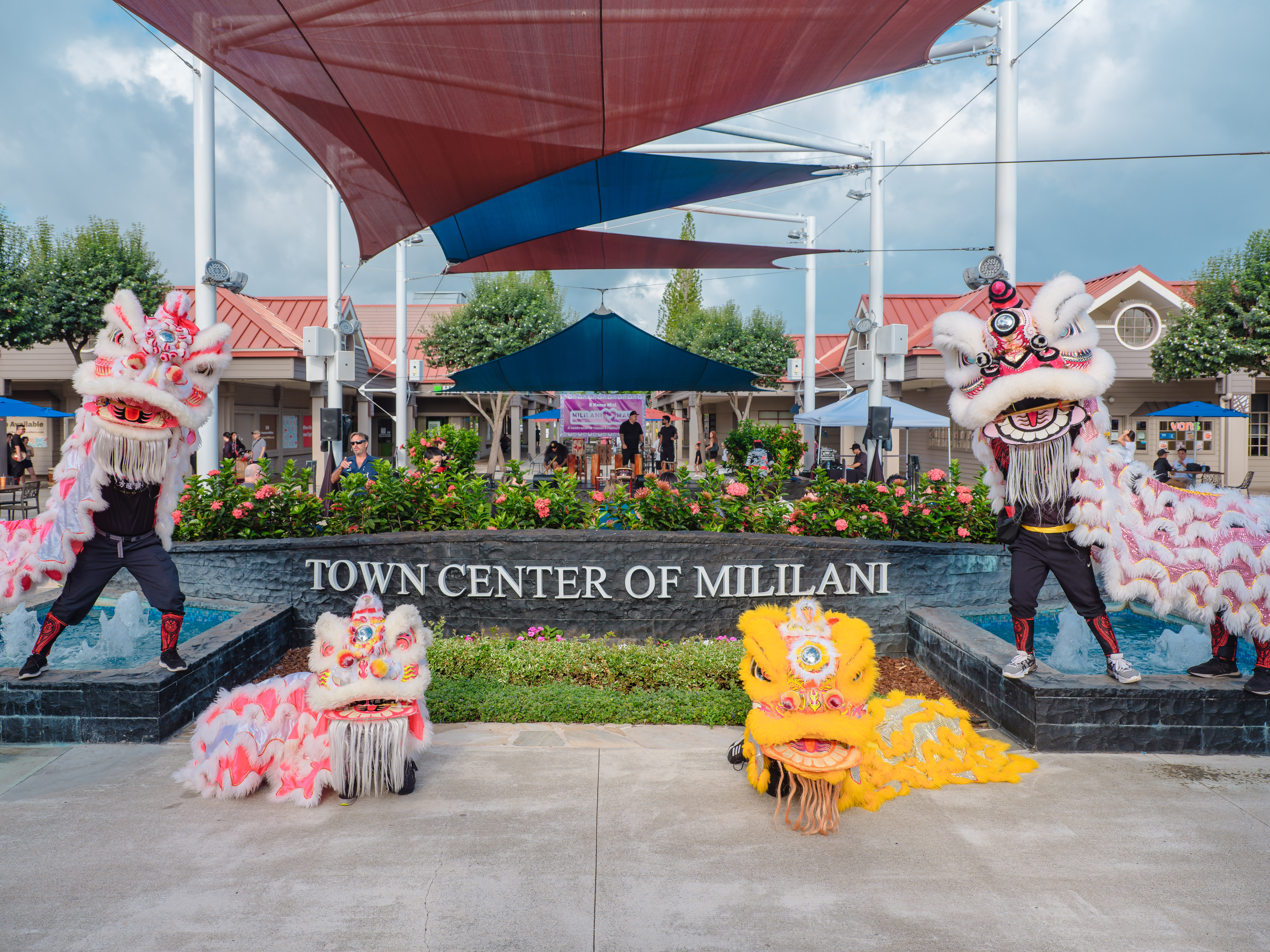
At noon on the last day of 2024, a giant illuminated pineapple descended at the Town Center of Mililani. This is not how most serious marketing case studies begin. They usually begin with a funnel. The pineapple was better. Families could gather around it. Children could count it down. Stores could participate. Cameras had something to photograph. A suburban shopping center briefly became the town square.
6 Pillars Marketing produced and promoted that “Noon Year’s Eve” event with public relations, signs, social media, live music, giveaways, and merchant activations. The client needed holiday traffic and stronger standing as a community hub. The answer was not another discount code. It was a ritual - conspicuous, local, and scheduled early enough for a six-year-old to stay awake.
This is the revealing thing about the Honolulu agency known as 6PM. Its product is not really six neat columns of expertise. It is the ability to make the columns collide on purpose.
The actual productThe handoff is the hard part
The company’s present-day menu runs from brand strategy and advertising through AI and digital growth, creator partnerships, crisis communications, graphic design, video, and immersive events. It also offers fractional CMO leadership. On paper, that looks broad enough to be suspicious. In practice, the breadth makes sense when you look at the assignments.
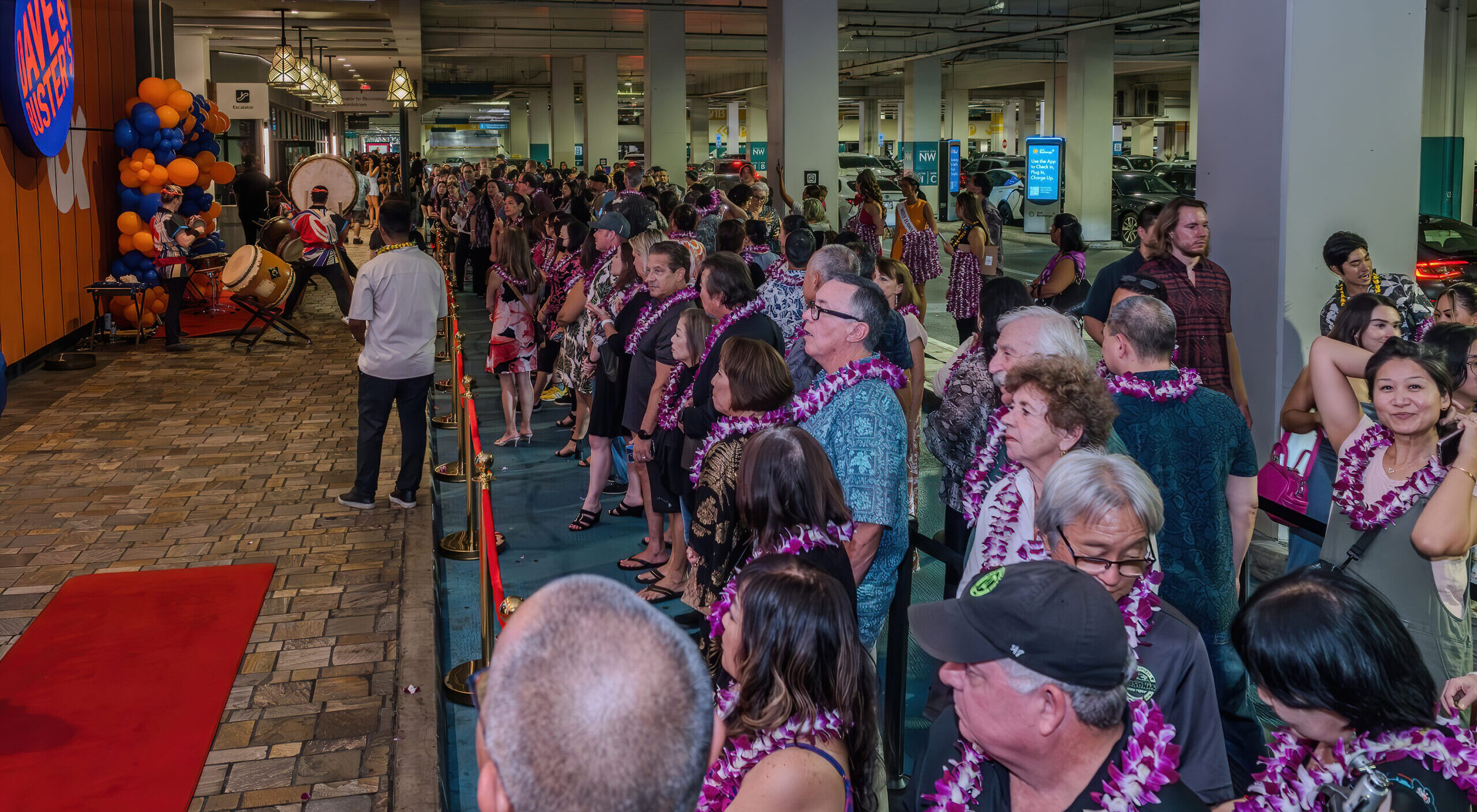
Consider Dave & Buster’s 2025 move to a new, 45,000-square-foot space at Ala Moana Center. A relocation is a real-estate fact. A launch is a social fact. 6PM built the latter with publicity, social media, influencer outreach, video, and a grand-opening experience. The agency says the location quickly became the chain’s highest-grossing in the country. Whatever portion of that result belongs to the campaign, the orchestration is the notable part: every channel pointed toward one physical moment.
A national brand can arrive with scale. What it cannot pack in a suitcase is context.
The moatLocal does not mean small
Hawaiʻi is a tempting market to misunderstand. It is part of the United States, saturated with national media and global tourism, and therefore easy to treat as a warm-weather extension of a mainland plan. But distance changes supply chains, communities overlap, local coverage carries particular weight, and cultural gestures are read closely. The same person may encounter a campaign as a resident, an employee, a parent, a hotel guest, and a member of an organization involved in the event.
6PM’s client list makes that overlap visible. It includes Kamehameha Schools, the University of Hawaiʻi, Hyatt, Disney, Pepsi, Diageo, Goodwill Hawaii, Microsoft, military organizations, local shopping centers, and city and state agencies. This is not one audience. It is a network of audiences that keep meeting one another.
The agency’s long work for SALT at Our Kakaʻako is the clearest example. SALT is an 85,000-square-foot retail, restaurant, and mixed-use project, but 6PM marketed it as a cultural gathering place. The work stretched across tenant promotion, media relations, social campaigns, design, signage, pop-ups, cultural programming, video, and crisis-era operating updates. A property became a publisher and a venue. Two years after the launch work began, SALT received a Shopping Center of the Year award from the International Council of Shopping Centers.
What to borrowBuild the occasion first
The most transferable idea here costs nothing to understand: begin with participation. Ask what the audience can join, not merely what it can see. The pineapple drop is one version. For Sea Life Park, it was a twilight concert series that paired entertainment with Hawaiian culture. For Goodwill Hawaii, it was “Goodwill Goes Glam,” an event built around local designers and entrepreneurs. For the launch of the Liliʻuokalani Center, it included a press event with the Jabbawockeez and a charity dinner headlined by Nicole Scherzinger.
A portable version of the 6PM method
- Define the public behavior you want - attend, visit, share, return, or trust.
- Create an occasion that makes that behavior natural.
- Invite partners with a genuine reason to be there.
- Give every channel one job around the same moment.
- Capture the event so its useful life extends beyond the room.
The method depends on conditions that are easy to skip. The agency needs access to local relationships. The client must allow the central idea to change in response to the market. Production, communications, and digital teams must share a brief. And there must be an occasion worth amplifying. If the assignment is only to buy cheap clicks, or if a brand wants local imagery without local participation, this integrated model adds coordination without earning its advantage.
Where it fitsBetween the consultancy and the loading dock
Large consultancies are comfortable with frameworks. Production shops are comfortable with run-of-show. PR firms know the newsroom. Creator agencies know the feed. 6PM occupies the untidy middle, where the strategy meeting eventually has to become a press briefing, a stage, a livestream, a crisis plan, a sign package, and a parking question.
That range is visible in a less glamorous assignment from 2011. During the APEC Economic Leaders Meeting in Honolulu, the company’s work with the city included presentation coordination, audiovisual services, convention-set construction, telecommunications, equipment, security coordination, and administration. These are not the nouns that win a brainstorm. They are the nouns that keep an international event from becoming a cautionary tale.
Its commercial shape is legible: campaign projects, ongoing agency-of-record relationships, production work, and outsourced executive marketing leadership. For a Hawaiʻi organization without a large in-house department, the pitch is access to many specialists under one roof. For a national brand, it is a local operating system.
Lincoln Jacobe founded the agency in 1996 and still leads it as president and CEO. In 2024, Junior Achievement of Hawaiʻi inducted him into its Business Hall of Fame. The agency followed with a thick run of industry recognition: 13 Koa Anvil and Koa Hammer awards listed for 2025, then five Communicator Awards and three Silver Telly Awards in 2026. Awards are not the same as results. They do, however, show the range of work being judged - talent partnerships, press conferences, experiential launches, live-event publicity, directing, and editing.
The six pillars are not six products. They are six ways to keep one promise from falling apart in public.
That may be the most honest description of the company. “Integrated” is one of marketing’s exhausted words. Here it becomes concrete. The people writing the announcement can speak to the people booking the talent. The people producing the video can plan for the room. The people managing a crisis understand what was promised in the campaign. At 6 p.m., when the guests arrive and the theoretical brand becomes an actual place, the seams matter.