In July 2019, Perfect Day offered an unusually expensive way to answer a fairly ordinary question: would you like some ice cream? A three-flavor bundle cost $60, plus shipping and handling. The company had developed dairy protein through fermentation. Its challenge was to make that unfamiliar process mean something to someone holding a spoon.
There were two audiences for the offer. Consumers could try the ice cream. Food companies could consider what the ingredient might do inside their own products. Demonstrate helped develop the communications strategy for the release. A little frozen dessert was carrying a surprisingly large business argument.
That is a useful place to meet Demonstrate x DDW, the San Francisco agency whose work stretches from a tea package to a press campaign. The interesting connection is between an idea and the thing that makes it understandable. Sometimes the thing is a box. Sometimes it is an experience. In this case, it could melt.
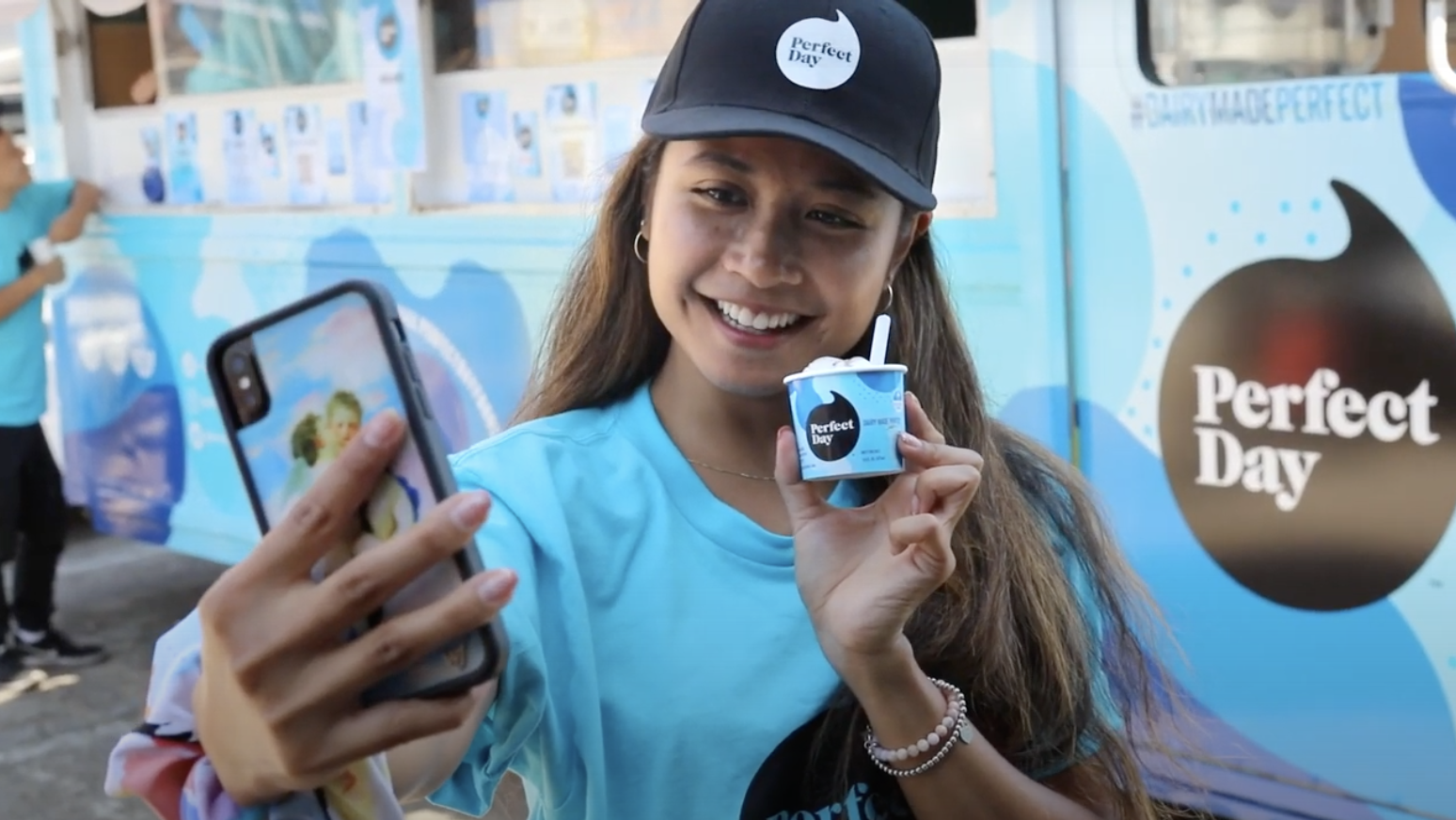
A spoonful of explanation
Perfect Day’s own launch announcement made its business ambition explicit: collaborate with food manufacturers already buying dairy ingredients. Releasing a product under its own name offered a way to demonstrate the ingredient while those commercial relationships developed. The public-facing launch served a business-to-business purpose.
Perfect Day’s three-flavor bundle. The retail price of the product, distinct from the agency’s work.
The lesson is an inference from the launch, but a useful one. When a new technology is difficult to describe, a familiar use can shorten the explanation. People already know what they expect from ice cream. Giving them that reference point lets them judge something unfamiliar against something they understand.
A younger agency buys older hands
Joey Hodges founded Demonstrate in 2015. His professional background spans brand launches, retail marketing, press campaigns and events. In May 2022, the firm announced an agreement to acquire DDW, a Bay Area design agency established in 1995. The younger company was buying a business with twenty more years behind it.
The acquisition expanded the work Demonstrate could take on. DDW brought experience in brand identity, packaging and the stories that organize them. Its client relationships had included Amazon, Energizer, Starbucks and The Clorox Company. For a communications business, those capabilities reach into decisions made well before a journalist receives a pitch.

Think of the practical problem an integrated agency is offering to handle. A marketing team may need to explain its positioning to a designer, then explain the resulting identity to a web team, then brief the people responsible for launch publicity. Bringing those disciplines into one agency creates an opportunity to carry the same reasoning through each decision. The acquisition makes that proposition concrete.
The leadership structure reflects the breadth of the assignment: Sean DallasKidd leads creative, Ryan Lincks strategy and Tennyson Wilson media. In a Telly Awards interview, DallasKidd describes a role spanning strategic work, business development and production sets. His favorite part includes:
“creating the space and the opportunity for the team to grow and be challenged creatively.”
Sean DallasKidd · Partner & Chief Creative Officer
That is a leader’s account of the culture. The agency also identifies as minority- and LGBTQ+-owned, and reports repeated inclusion in the San Francisco Business Times’ ranking of large LGBTQ+-owned Bay Area businesses. Its public identity combines commercial brand work with an interest in who gets represented.
The package has a job to do
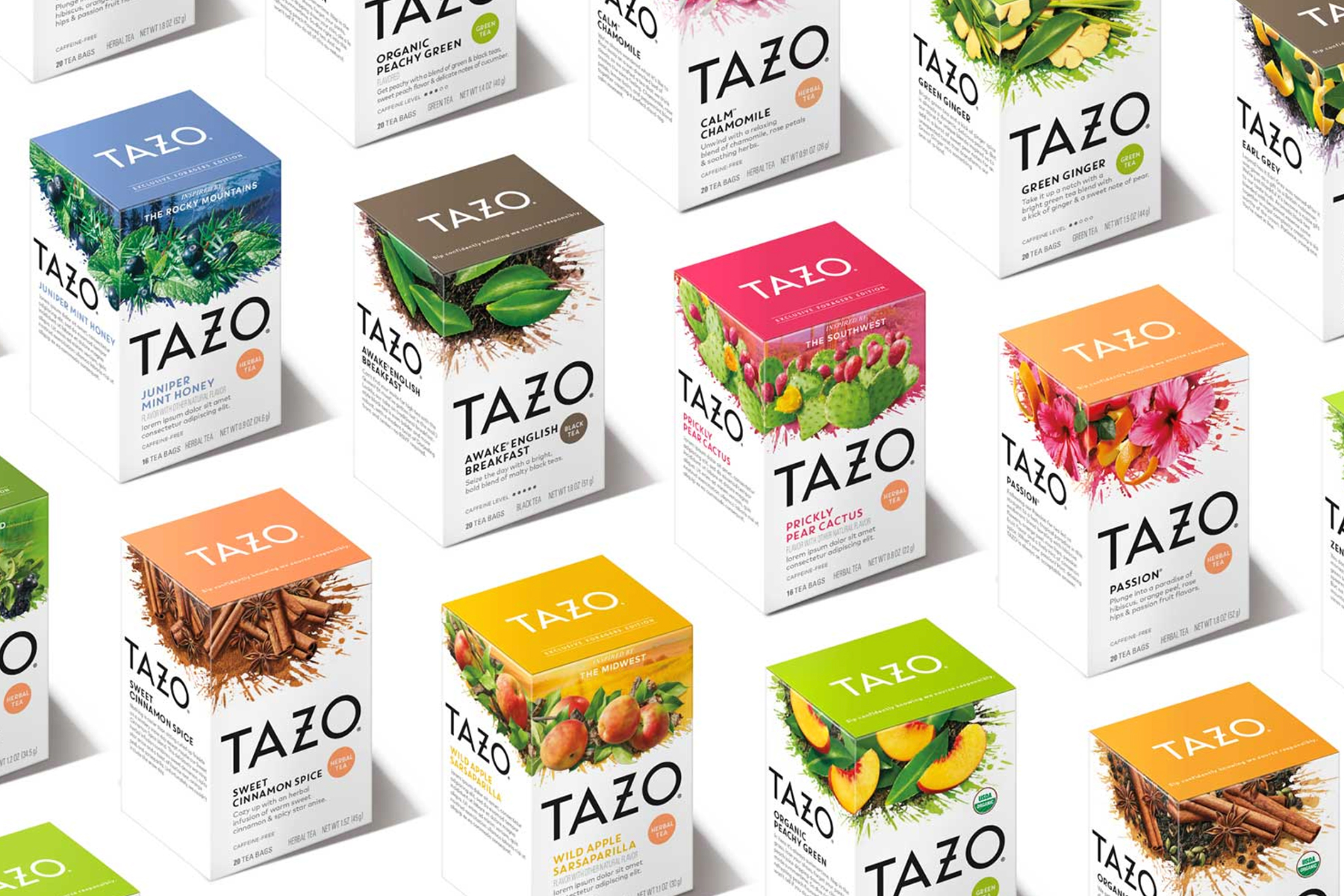
The Tazo work shows what DDW’s expertise looks like when it leaves the strategy document. In the portfolio image, boxes share a clear family resemblance while their ingredients supply the differences. Flowers, leaves and spices give each flavor its own little plot of territory. The package makes variety legible.
The agency describes the brief around changing expectations of tea drinkers and Tazo’s interest in unexpected ingredients. That is a more precise design problem than simply asking for a younger-looking box. The ingredients provide the visual material; the brand’s character gives the design a reason to use them.
Kingsford presented another version of the problem. Its agency case describes pressure from gas grills, pellets and lump charcoal, alongside less grilling among millennials. The assignment was to modernize the package ahead of the brand’s centenary. Here, the useful starting point was a changing backyard, with established habits and competing fuels to consider.
These cases locate the firm within the market. It sells professional services to businesses: defining a brand, designing how it appears, producing content and arranging how people encounter it. A client can hire a specialist for any one of those tasks. Demonstrate x DDW’s proposition is the ability to connect them within a broader assignment.
Brand story
Content & web
Events & media
Dogs, chefs and a reason to participate
Communications work can sound abstract until a dog enters the brief. Lagunitas asked Demonstrate to support its IPNA launch and its first Dog Appreciation consumer campaign. The agency’s case describes earned-media work supported by both human and canine influencers. The animal connection gave the campaign a subject people could recognize and participate in.
Pinterest offered a different setting. Demonstrate’s Chefs At Home work connected cooking content with support for organizations including No Kid Hungry, Harlem Grown and ROAR. Here, a creator program could give an audience something to make while directing attention toward a cause. The activity and the communications had a shared subject.
The agency describes its approach to experiences as “experienced by few, seen by many.” That phrase explains why an event can belong in the same brief as social content and media relations. The people physically present are one audience; the material they help create may reach another.
Luxardo’s portfolio entry broadens the picture again: an ecommerce-enabled website, a first canned-cocktail launch, social content and support for two additional premium spirits. A company with a long history still needs new ways to be discovered and bought. The work joins the practical machinery of a purchase to the story surrounding it.
The morning after the megaphone
In January 2026, MegaFood introduced a campaign built around everyday routines, with Demonstrate x DDW handling creative and media. One thirty-second spot followed a woman making coffee and taking her multivitamin. The other spots brought the same approach to different products.
The shift is visible beside MegaFood’s 2023 campaign, which had used a literal megaphone and an advocacy-style message. The newer work moved into ordinary life. Production collaborator Brave Media described an effort to balance a premium visual treatment with accessibility, including close-up images of ingredients.
It is tempting to turn every creative change into a tale of failure and rescue. The observable fact here is a change of emphasis. The earlier work announced a position; the newer campaign showed a place in a daily routine. That distinction is useful enough without inventing a dramatic conversion in the boardroom.
Write the brief around the doubt
For someone considering this agency, the portfolio suggests several plausible assignments: a consumer product needing a clearer identity, an unfamiliar category needing explanation, or a launch requiring coordination across design, publicity and media. Pair of Thieves’ 2024 appointment of the firm as its North American consumer and business PR agency of record also shows a defined communications remit within that broader offering.
The part a reader can copy is the question beneath the work. What is difficult for the customer to understand? Then identify something the customer can see, try or use that would help. Follow the answer through the package, the website and the launch brief. That is an editorial reading of these cases, not a claim that every campaign follows one formula.
The conditions matter. A sample is useful when the experience helps substantiate the promise. Coordinated communications are useful when the product, purchasing process and message can support one another. If the experience disappoints, wider distribution gives more people an opportunity to discover that disappointment. Start with what the product can honestly demonstrate. In a freezer, on a shelf or over morning coffee, that is where the argument gets tested.
Follow the work
Explore Demonstrate x DDW, the project portfolio and DDW’s design work. Read Sean DallasKidd’s creative-leadership interview or the MegaFood campaign coverage.