real-estate-development
(27)
Schnitzer Properties Thinks Big by Making Room for Small Business
The family-owned landlord has built a Western real estate business around companies that need room to make, mend and move things. Its wager: smaller industrial tenants are worth the extra work.

The Teachers Who Bet $25,000 on One House - Then Built a 20,000-Home Machine
Cardel Homes survived Calgary's dollar-house recession by learning when to specialize, when to spread out and when to own more of the customer journey. Its 50-year playbook is useful far beyond homebuilding.

The 50-Year-Old Homebuilder That Turned a Housing Problem Into a Factory
Great Gulf saw skilled labour tightening before it became a national emergency. Its answer was to pull part of the building site indoors - and turn construction into a repeatable manufacturing system.

Elmington Built a Housing Machine. Now It Has to Prove the Machine Can Keep Homes Affordable.
The Nashville firm turned recession-era opportunism into a vertically integrated housing business. Its next test is harder: making public-private affordability work at city-shaping scale.

The Land Nobody Wanted in 1991 Is Now a 1.8-Gigawatt Bet
Leon Backes started Provident by buying land nobody wanted from failed savings-and-loans. Thirty-plus years and $7.5 billion later, the same patient-money playbook is building a 5,000-acre town and one of Texas's largest data center campuses.

Amicon Bet That Owners Needed a Bodyguard, Not Another Contractor
Adam Mopsick started with a $30,000 mistake and a hunch that construction's real problem wasn't concrete - it was that nobody in the room actually worked for the owner. Twenty-seven years later, a global consultancy bought the answer.

The Firm That Remodels America 3,000 Stores at a Time
McDonald's, Starbucks and Walgreens don't remodel one store at a time - they hire a Downers Grove firm run by a former Green Beret to do thousands at once, on schedule, on brand.

The Man Who Sold Cars in Caracas Is Now Building Coral Gables the Way George Merrick Dreamed It
Alirio Torrealba spent 25 years selling Fords and Kias in Venezuela. Then he moved to Miami and started building the kind of Coral Gables that George Merrick sketched a century ago - boutique, Mediterranean, and now worth half a billion dollars.
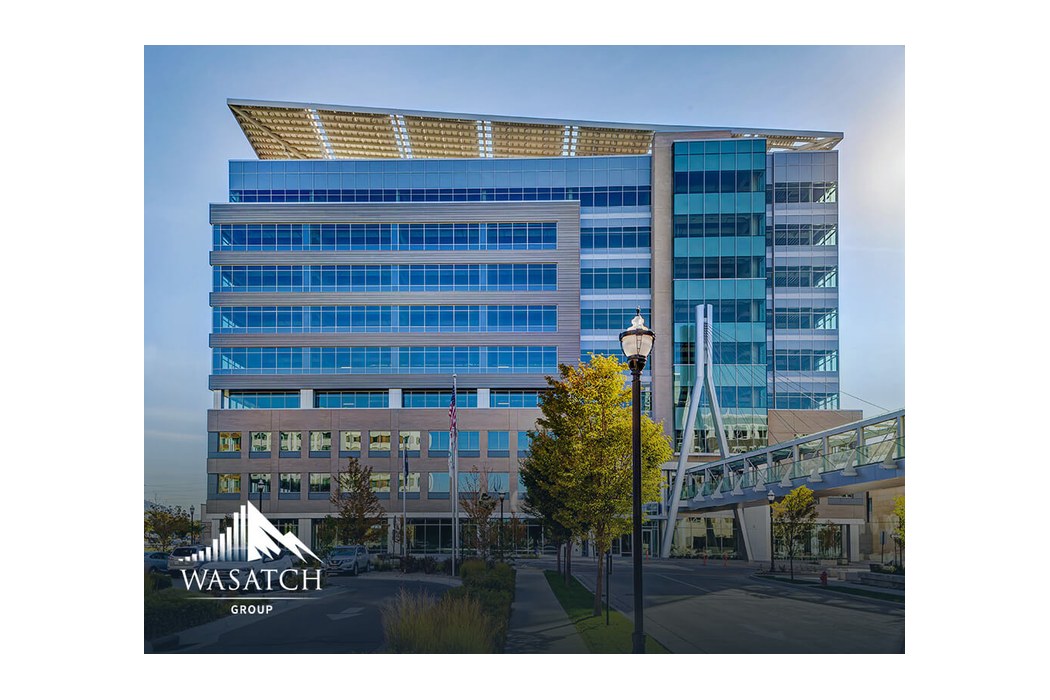
The Landlord With a Construction Crew, a Capital Desk and 18,000 Front Doors
From a Logan headquarters, Wasatch Group buys, builds, finances and manages housing across the West. Its advantage is less a single breakthrough than control of nearly every handoff.

Cottonwood’s Billion-Dollar Bet on Being the Lender Who Can Take the Keys
Cottonwood built a real-estate credit machine with an unusual promise: if a complicated loan turns into a complicated building, its team can keep working. A $1 billion special-situations strategy is now testing that premise across data centers, housing, logistics and mixed-use projects.

The Utah firm turning lava fields and ski beaches into billion-dollar addresses
One firm raises the capital, builds the resort, and runs the spa. Inside Reef Capital Partners, the Utah operator behind Black Desert's PGA debut and a $5 billion ski village above the Jordanelle.

The Family Office That Bought a Dallas Street and a Giant Eyeball
How a billionaire's family office quietly bought up 16 addresses on one downtown Dallas street - then filled them with a hotel, a dozen restaurants, a fashion flagship, and a 30-foot eyeball.

The Billionaire Quietly Rebuilding Charleston, One Hotel and Tennis Court at a Time
Ben Navarro made his fortune lending to Americans the banks turned away. Now his family office is spending it on hotels, tennis stadiums and schools in one Southern city - and treating Charleston itself as the portfolio.

The Firm That Turned a Dead Brewery Into a Business Model
Kit Goldsbury sold a hot-sauce company to Campbell Soup, then spent two decades proving that a good meal can rebuild a piece of a city. In 2024, for the first time, Silver Ventures is letting outsiders buy in.

The Company Selling a Green Card, One Student Dorm at a Time
How a boutique Miami developer turned dorm rooms in Gainesville and Sweetwater into a pitch for permanent U.S. residency - and why families in São Paulo and Ho Chi Minh City keep signing up.

The Tribe That Plans 150 Years Ahead Just Became Milwaukee's Third-Biggest Minority-Owned Business
Potawatomi Ventures turns casino and enterprise profits into data centers, federal contracts and fresh-food gas stations - and measures every bet against the next 150 years, not the next quarter.

The Cardiologist Who Turned a Single Hotel Into a $3.7 Billion Portfolio
A practicing heart doctor built Encore Enterprises into a diversified real estate and private equity firm that develops apartments, runs emergency rooms and manages dental clinics - all from one office off the Dallas Parkway.

Summit Ventures Is Building a Portfolio You Can Walk Into
A waterfront complex, immersive art, a boat club and a working ranch look like unrelated bets. Summit Ventures treats them as one operating system - capital, property and experiences designed to reinforce one another.

Meritage Homes
The Scottsdale builder made energy efficiency standard equipment instead of a luxury upcharge - and used it to close more than 15,000 homes a year.

PulteGroup
PulteGroup turned one teenager-built bungalow into a national portfolio of home brands. Its real product is not a floor plan, but a system for matching land, lifestyle and financing to buyers at nearly every stage of adult life.
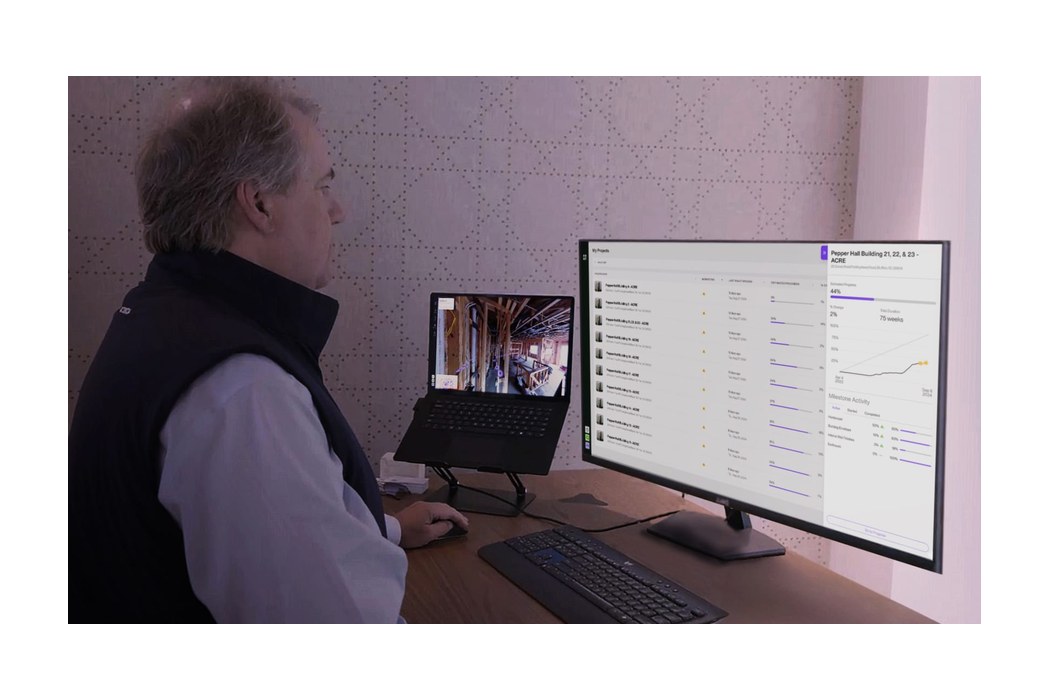
OnsiteIQ
OnsiteIQ is a New York-based construction intelligence platform that combines 360-degree high-resolution site imagery with proprietary computer vision and AI to give real estate owners, developers, and lenders a verifiable view of what is happening on their job sites. Founded in 2017 by civil-engineering PhD Ardalan Khosrowpour, the company captures weekly imagery across thousands of active projects, maps it to floor plans and schedules, and turns it into progress, risk, and delay analytics so stakeholders can catch problems early and reduce costly disputes.

TestFit
TestFit is a Dallas-based real estate feasibility platform that uses configurator and generative-design algorithms to turn a raw parcel into a buildable site plan, unit mix, parking layout, cost estimate and pro forma in minutes instead of weeks. Founded in 2016 by Clifton Harness and Ryan Griege, it serves developers, architects, contractors, civil engineers and municipalities evaluating multifamily, industrial, retail and mixed-use projects, and has raised $22M including a $20M Series A in 2022.

Build Block
Build Block is a Korea-founded real estate company that gives Korean investors and companies a single, end-to-end path into the U.S. property market. What began as a cross-border investment platform lowering the barrier for individual Asian investors has grown into a full-stack operator: brokerage, architectural design and permitting, construction management as a general contractor, and post-investment asset and facility management. Today it also builds the physical backbone of the AI economy - data centers and EPC plants for semiconductor, battery, and advanced manufacturing - for Korean firms reshoring to the United States.

GreenLite
GreenLite is a construction technology company that pairs AI with licensed experts to speed up building permits. Its platform ingests plan sets, flags code violations, and surfaces jurisdiction-specific guidance from the largest proprietary compliance comment library in the U.S., cutting permitting timelines from 90-120+ days down to roughly 21-45 days. Through AI-powered Private Plan Review, third-party experts backed by GreenLite software perform official code compliance reviews in place of overloaded city departments. Founded in 2022 by ex-Gopuff executives James Gallagher and Ben Allen, GreenLite serves national retailers, REITs, quick-service restaurants, banks, and home builders, and has raised about $86M total, including a $49.5M Series B led by Insight Partners in September 2025.
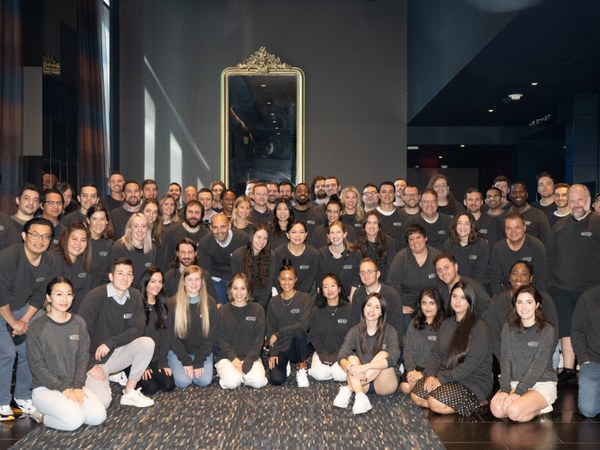
Northspyre
Northspyre is a cloud-based intelligence platform that helps real estate developers, owners and project teams run capital projects with automation, data analytics and AI. Built to replace the spreadsheets and scattered documents that dominate development workflows, it centralizes budgets, vendor data, draws and forecasts so teams can make proactive, data-driven decisions from acquisition through stabilization. The company pioneered what it calls the Real Estate Development Management category.
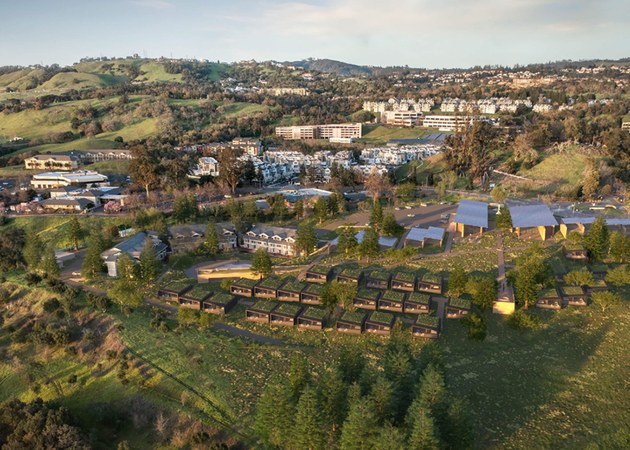
Radiate Hospitality
Radiate Hospitality is a Palo Alto-based hotel and real-estate management company that develops, renovates, and operates a portfolio of boutique and branded hotels across the West Coast. Formerly known as BPR Properties, the firm runs 11 hotels with roughly 988 rooms - from the Autograph Collection Hi-Lo Hotel in Portland to the Crowne Plaza Cabana in Palo Alto - guided by a mission of 'passionately creating a sense of belonging.'
The John Stewart Company
The John Stewart Company (JSCo) is a San Francisco-based, full-service affordable and mixed-income housing organization. Founded in 1978 by John Stewart, it has grown into one of California's largest affordable housing managers, handling roughly 31,000 units across the state through integrated property management, development, construction, and financial services - with a parallel mission of delivering resident services and supportive housing for vulnerable populations.