logistics
(215)
Stakh Vozniak and the problem of the second phone call
Before building AI workers for freight, Stakh Vozniak spent his days making dispatch calls himself. His route from a Ukrainian juice factory to Cargofy runs through Iowa, unwanted digital gold stars and a plan to bring hard-won experience home.
Maximilian Birner and the second life of the box
From a university startup to a donation platform in Jordan, Maximilian Birner kept finding new uses for familiar systems. At Boxhub, that instinct found a home in the shipping container.
Jim Berlin’s business began around the corner
After losing his trucking job, Jim Berlin built Logistics Plus from a single purchase order. An old Erie train station, a Bills obsession and a commitment to Ukraine help explain what happened next.
Kevin Sides and the work after the click
Kevin Sides came to ShipMonk from digital marketing. As co-founder and CEO, he now works on the part of the customer relationship that begins when the advertising ends: getting the order right.

Brad Jacobs Keeps Finding the Same Business in Different Disguises
Oil, rubbish, rental equipment, freight. Brad Jacobs built a career by spotting what these businesses had in common. At QXO, he is testing the same habits against a fresh pile of building materials.

Itamar Zur and the package that never arrived
A missing meal kit sent Itamar Zur into the delivery business. A failed first attempt taught the Veho co-founder how much more he would have to build than a better route to the door.
Allan Melgaard and the business of letting people act
He bought into a Danish freight forwarder in 2004. Two decades of mergers and expansion later, Allan Melgaard is testing whether a global network can keep the freedom that helped it grow.
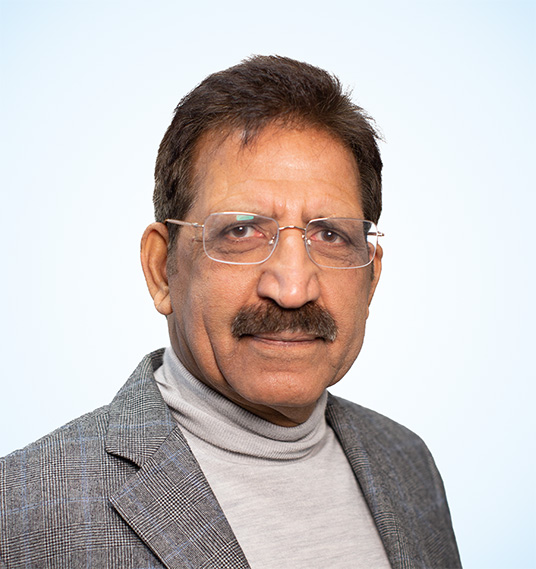
Ravindra K. Ahuja and the cost of a nearly right decision
A course in network optimization gave Ravi Ahuja a subject to study for decades. Turning that mathematics into useful software gave the Optym founder a second education.
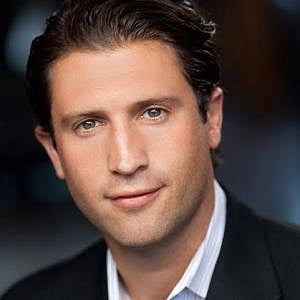
Todd Berger and the business he almost walked away from
A dispiriting internship sent Todd Berger looking for something better. He found it back in logistics, where trucks, software and a willingness to hear people out helped shape Redwood.
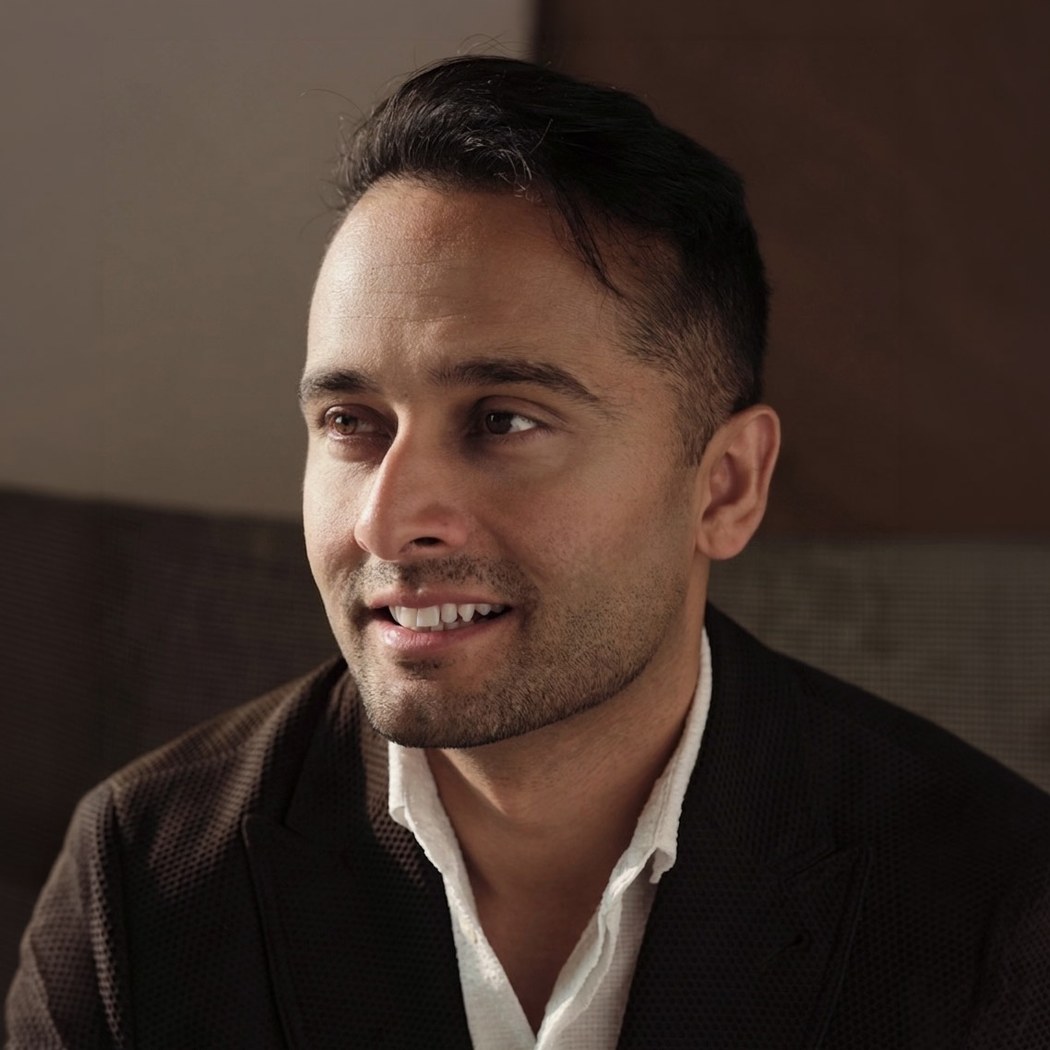
Omair Tariq’s $5 million introduction
Before Cart.com, Omair Tariq sold jewelry at Houston flea markets and helped run Blinds.com. His next business began with an expensive name and a familiar problem: all the work hiding behind a sale.
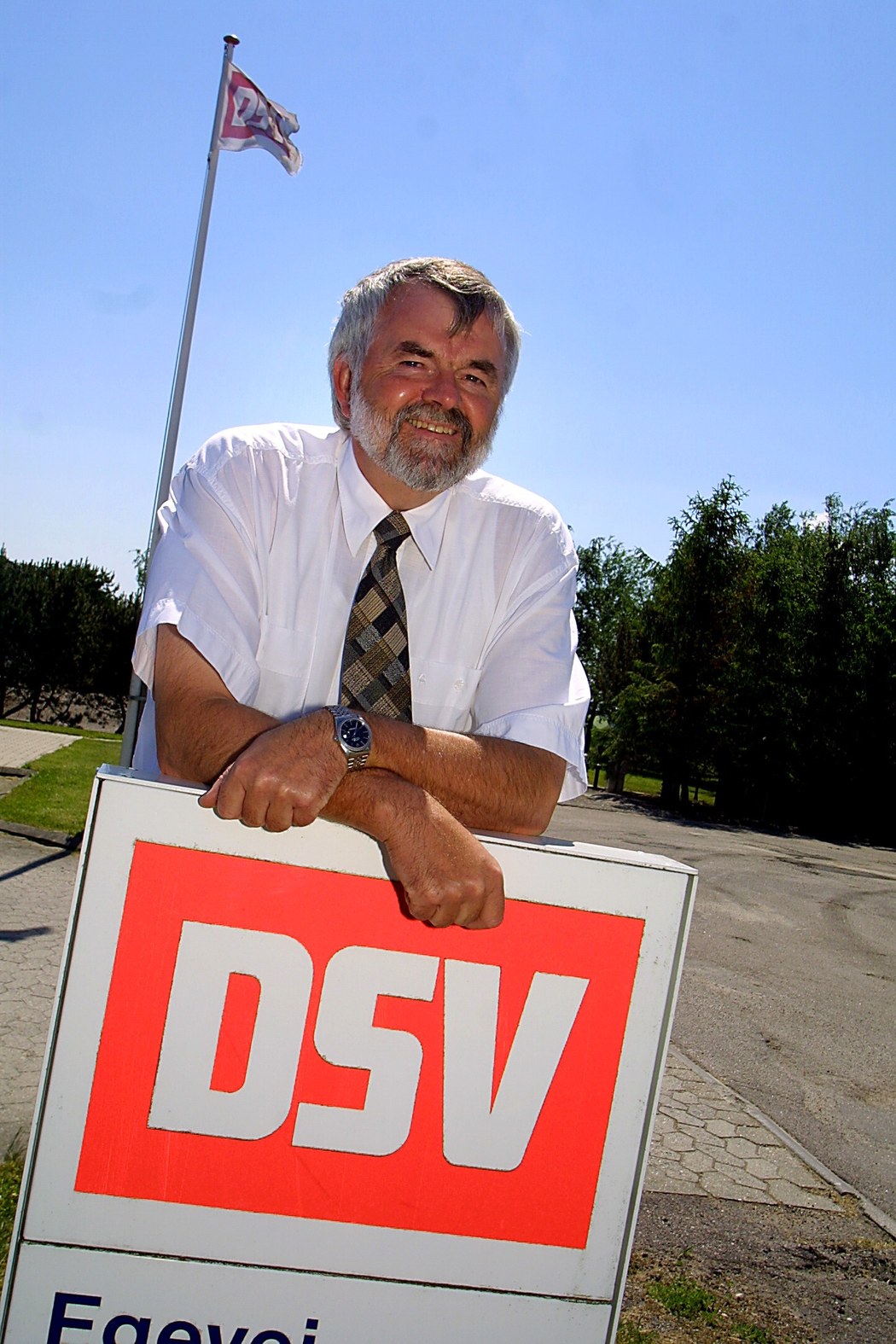
Leif Tullberg knew what to do with almost nothing
A small haulage office in Skuldelev became the starting point for DSV. Leif Tullberg’s contribution was a willingness to begin again, join forces and keep buying when the next company looked rather too big.
Jim Barnes and the million-dollar walk
Jim Barnes built enVista by paying attention to the space between a customer’s promise and a warehouse’s reality. After twenty years as CEO, a departure and a return, he is still looking for the expensive things everyone else has stopped noticing.

Bill Conboy and the space between the train and your doorstep
At ELM Global Logistics, Bill Conboy built a family business around a practical question: where should the goods go next? The answer has involved bigger warehouses, a railway siding, and room for the next generation.

Nishith Rastogi and the art of getting sidetracked
He built a safety app. Delivery companies found another use for it. For Locus co-founder Nishith Rastogi, the detour became a decade-long education in how things actually move.
Aaron Rubin and the $12 problem
A martial arts merchant wanted a smaller shipping bill. The warehouse software he helped build became ShipHero - and gave him a much larger problem to work on.

Vikram Sekhon and the Investor Meeting at a Fuel Pump
He built Piston after running trucks and wrestling with fuel-card fraud. His own fleet still uses the payment network, keeping the founder close to the problem that started it.
Milind Tavshikar and the Value of Changing Course
His MIT project began with tracking tags. Building SmartKargo meant following a more demanding problem: helping airlines turn cargo capacity into a delivery business.
Shawn Stewart and the education of a loading dock
He started handling freight in 1995. Three decades later, Shawn Stewart is applying a working knowledge of logistics to Forward Air’s unfinished turnaround.

Andrew Bane and the satisfaction of a finished fence
Before he became Vetsource’s CEO, Andrew Bane spent years making the business work behind the scenes. A day spent building a fence offers a useful way into his unusually varied career.
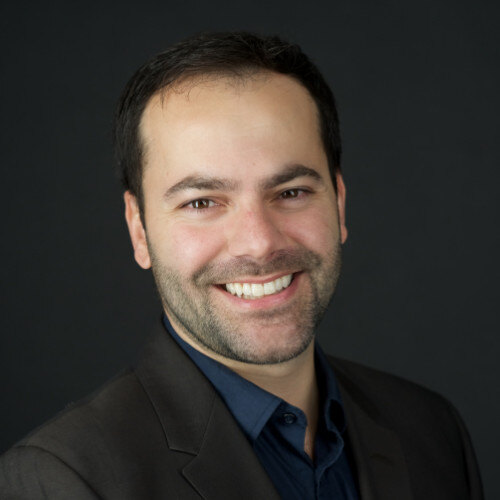
Felipe Capella and the price of a promise
He left a legal career, slept on a friend’s couch, and helped put a price on moving a truckload with a click. Building Loadsmart taught Felipe Capella how much work comes after the quote.
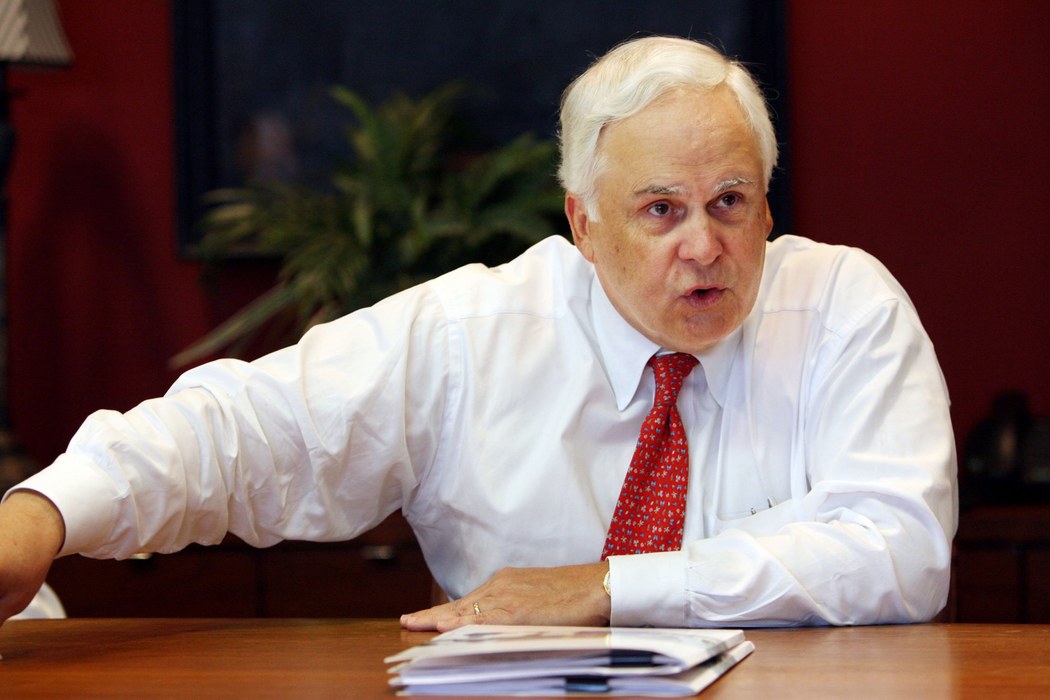
Frederick W. Smith and the long road to overnight
The first night brought 186 packages. Fred Smith’s task was to keep an entire delivery network alive until the world caught up with the idea.

Allen Trevett and the six-month journey to an open door
A hesitant arrival in Prague helped Allen Trevett take Allyn International beyond Florida. His route from GE finance to global logistics also runs through an Adirondack camp, where the business pitches came with dessert.
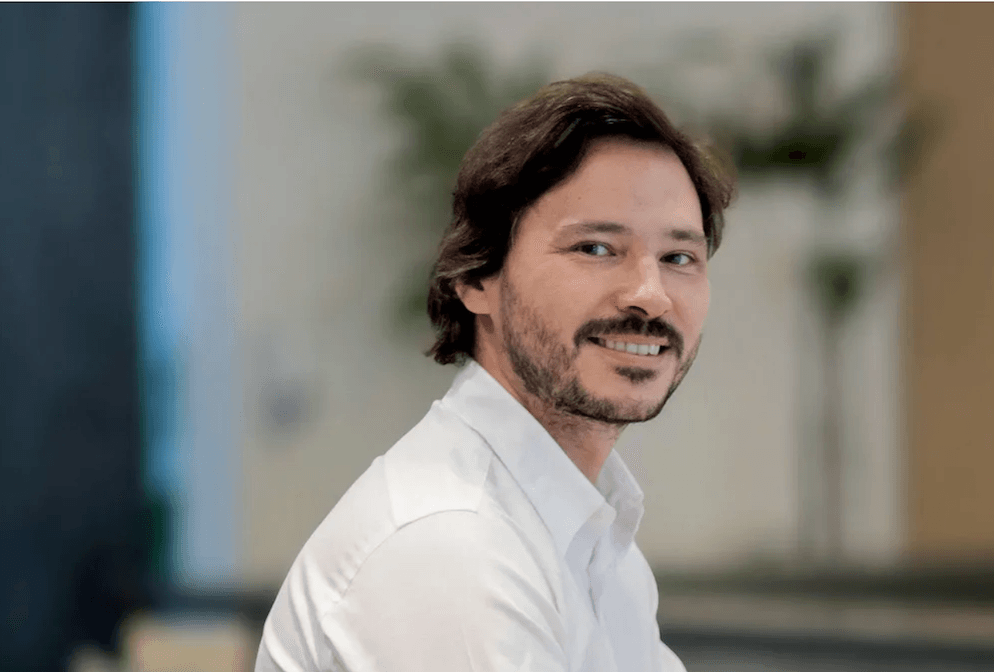
Fabien Mendez and the plans that met the pavement
Fabien Mendez helped turn São Paulo motorcycle deliveries into Loggi, a billion-dollar logistics business. His next venture in the Amazon tested a different kind of connection: whether a plan for prosperity matched the lives of the people asked to carry it out.
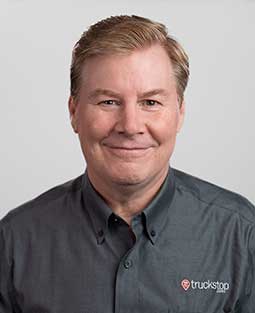
Scott Moscrip and the sign that wouldn’t stay by the road
A freight sign in the Nevada desert gave Scott Moscrip an idea for the internet. Thirty years after starting Truckstop.com in an Idaho basement, he returned to the CEO’s chair with a familiar question: how can this work better for the people using it?

Guy Ironi and the business he had to leave behind
At ColdTrack, Guy Ironi helped turn a struggling beverage manufacturer into a cold-food fulfillment business. The difficult part was deciding which work to stop doing.
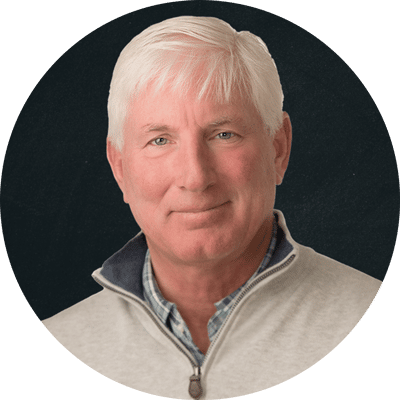
Dave Eckley and the last few hours
At TradeGlobal, Dave Eckley helped connect the storefront to the warehouse and the wider world. His prediction that delivery would be measured in hours reveals the practical problem running through his career: making the promise on a screen work everywhere else.
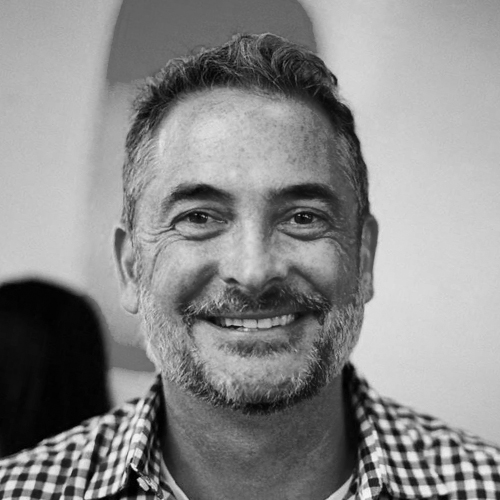
Jack Kennedy and the problem with a smarter truck
From the back of a Navy Hawkeye to the birth of Hulu, Jack Kennedy has worked where information changes the rules. At Platform Science, he is asking what happens when a truck can understand more than itself.
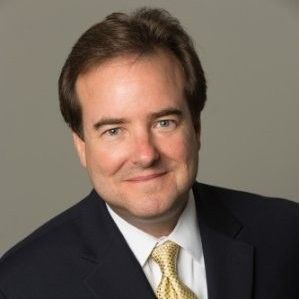
Joseph Cabrera and the business of getting things out the door
At ShipERP, Joseph Cabrera has spent years connecting enterprise software to the practical demands of shipping. His approach begins with the customer’s requirements and continues long after the software goes live.
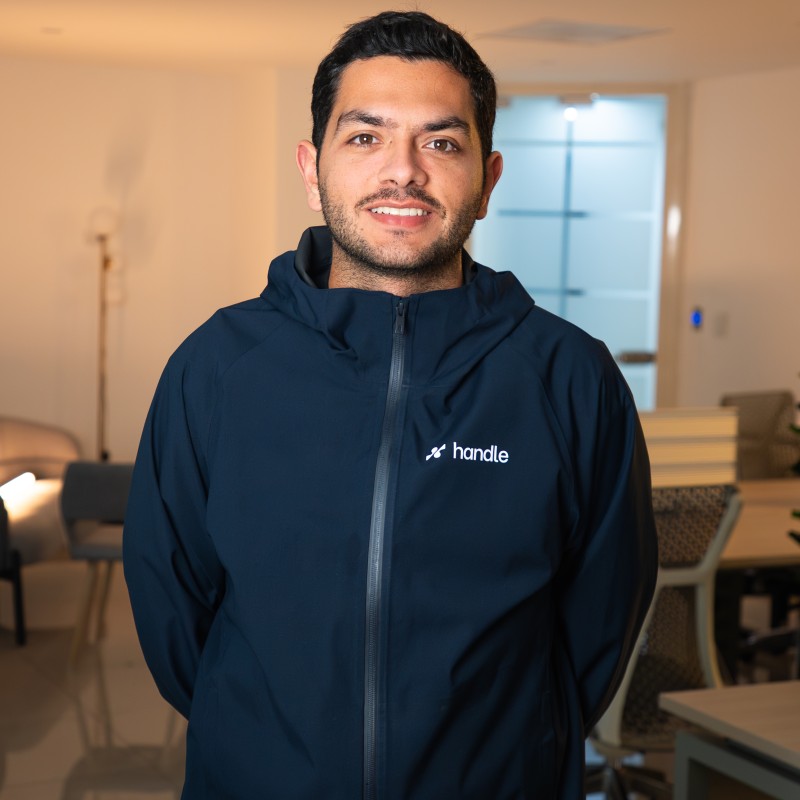
Alfonso de los Ríos and the sabbatical that became a startup
He grew up around freight paperwork and helped build Nowports into a billion-dollar company. Now Alfonso de los Ríos is starting again, with AI agents and the same impatience for information that refuses to travel.

Dhruv Saxena and the business at the back of the queue
A photo-mailing side project kept sending Dhruv Saxena to the post office. The people waiting beside him helped reveal the business that became ShipBob.