infrastructure
(131)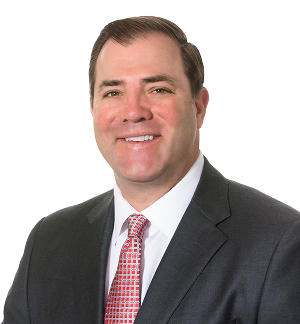
Jule Smith knows the other side of the deal
His family’s paving business joined Construction Partners in 2011. A decade later, Jule Smith became CEO of the company buying businesses like his own.
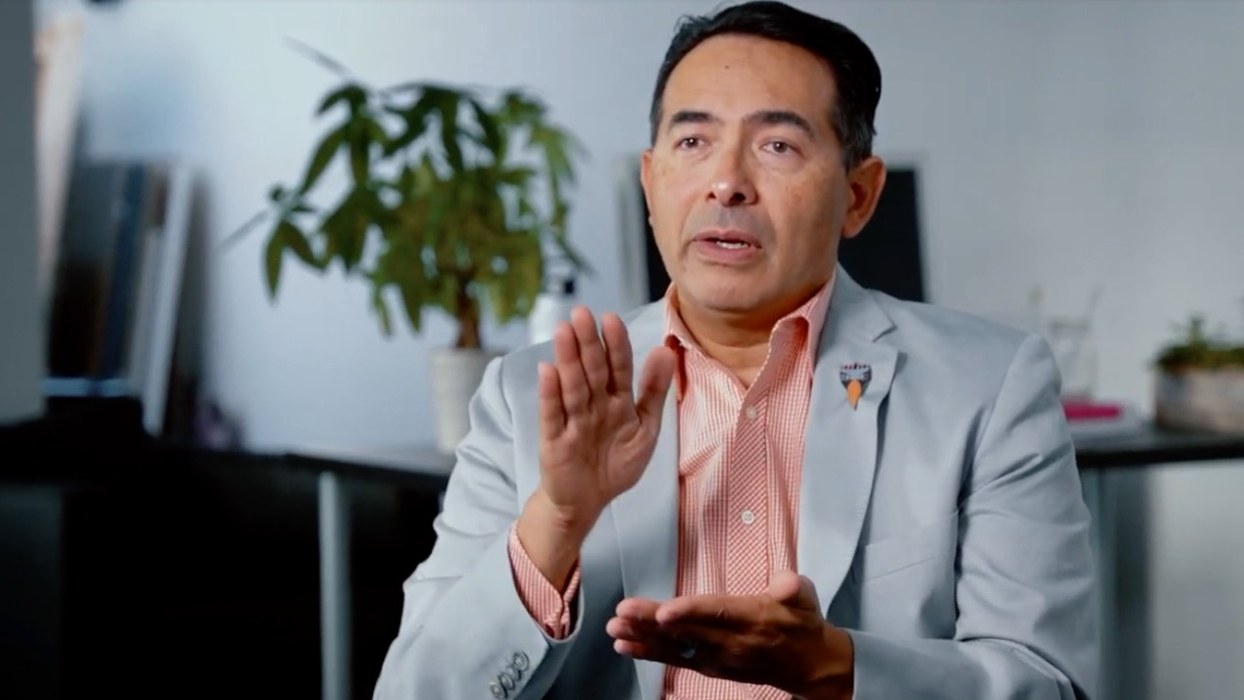
Jesús M. Vargas and the education of a small fish
A factory worker’s son took a structural engineering degree west, then built an Oakland consulting firm. Along the way, Jesús M. Vargas learned that a career depends on who helps you find your footing - and who you help next.

William Ferguson Jr. and the education of a town
He built The Ferguson Group around the practical problems of local government. A scholarship bearing his name carries that work into the next generation of city and county leaders.
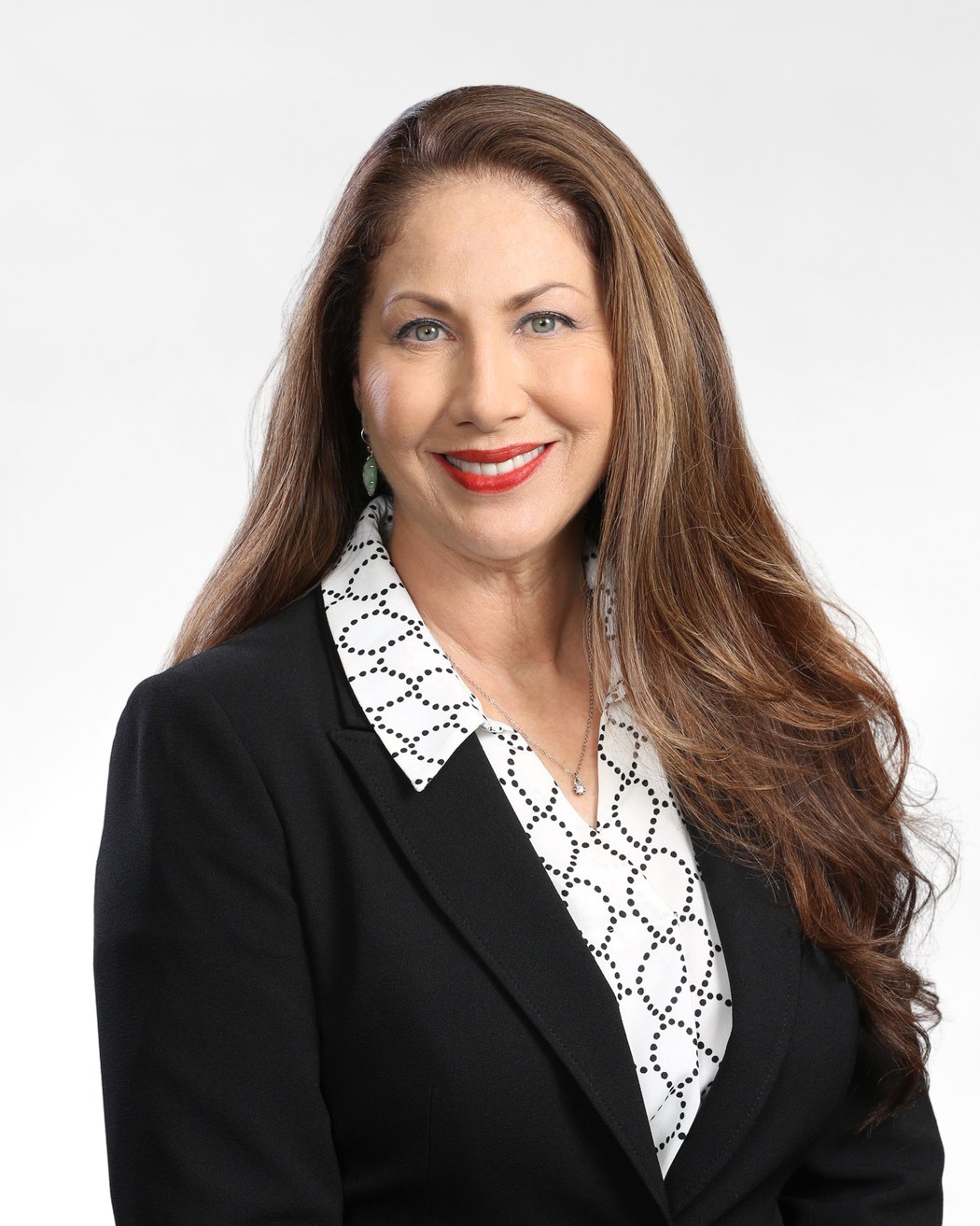
Genoveva Arellano and the power of staying in the room
A Rolodex helped her start a business. Three decades of public meetings, freeway construction and rail projects reveal what Genoveva Arellano built from those first introductions.
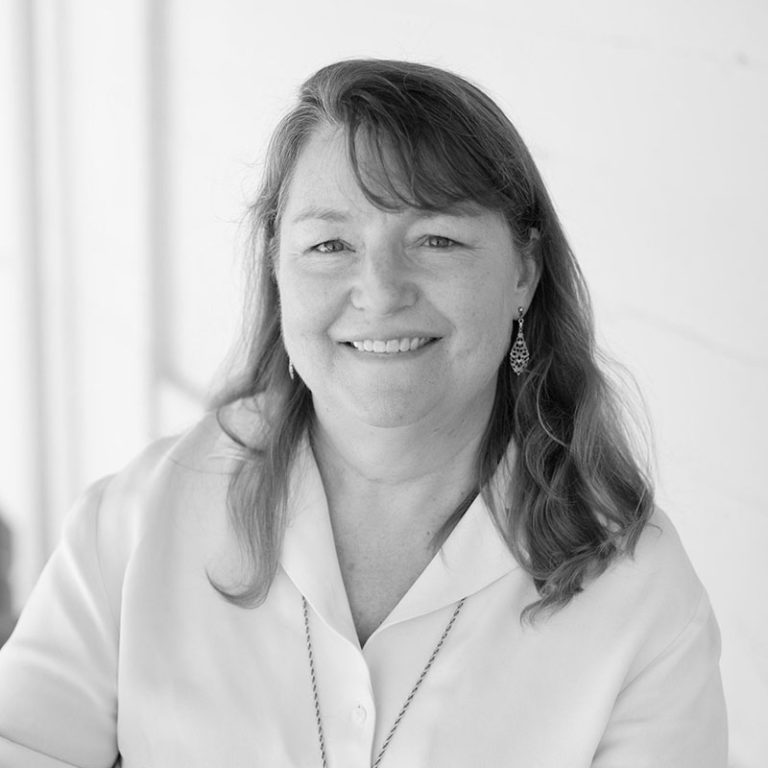
Sybil Hatch and the engineering of being understood
She worked on foundations and soil stability before founding Convey. Sybil Hatch’s second career puts an engineer’s attention to work on the space between a public project and the people it affects.
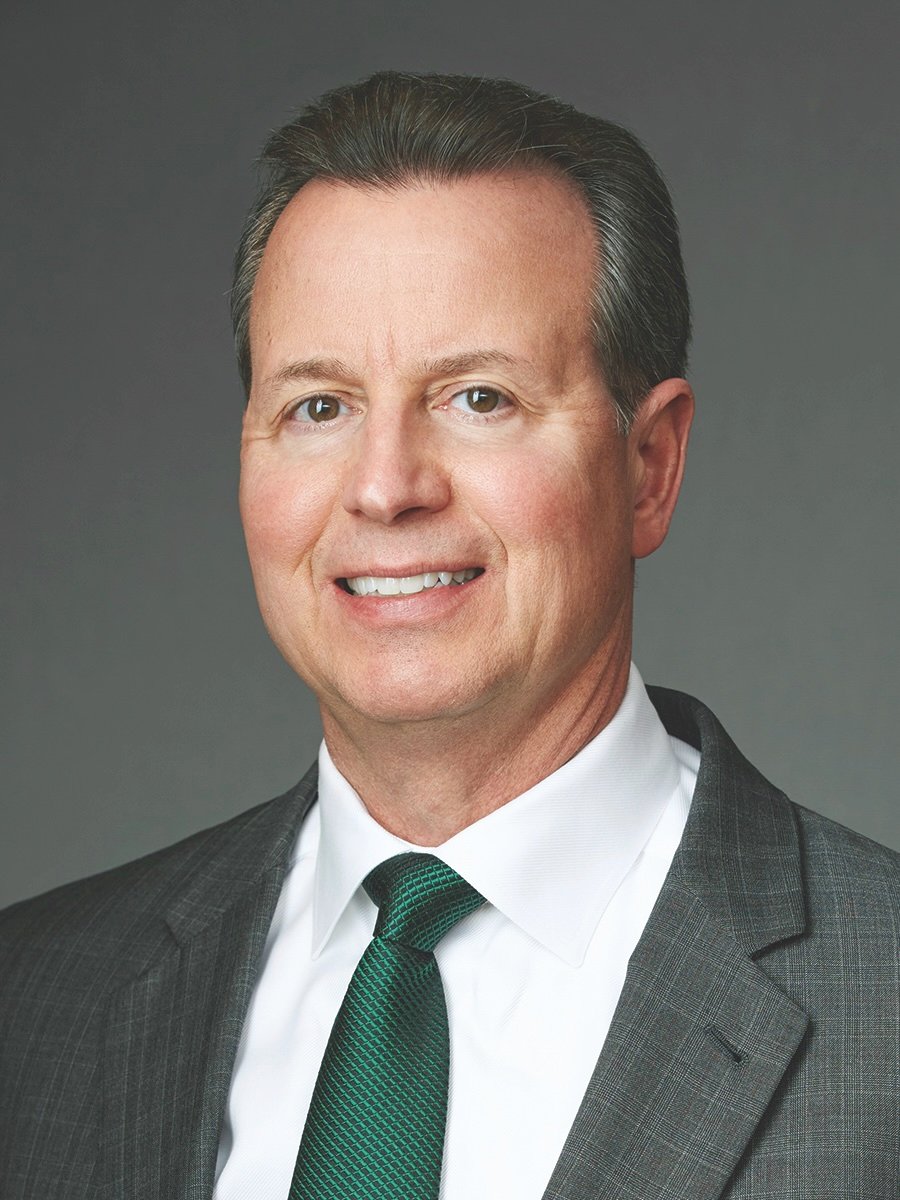
Gary Smalley and the unfinished business of building
Before he became Tutor Perini’s CEO, Gary Smalley spent decades following the money through construction. Now he is responsible for turning billions of dollars of promised work into places people can use.
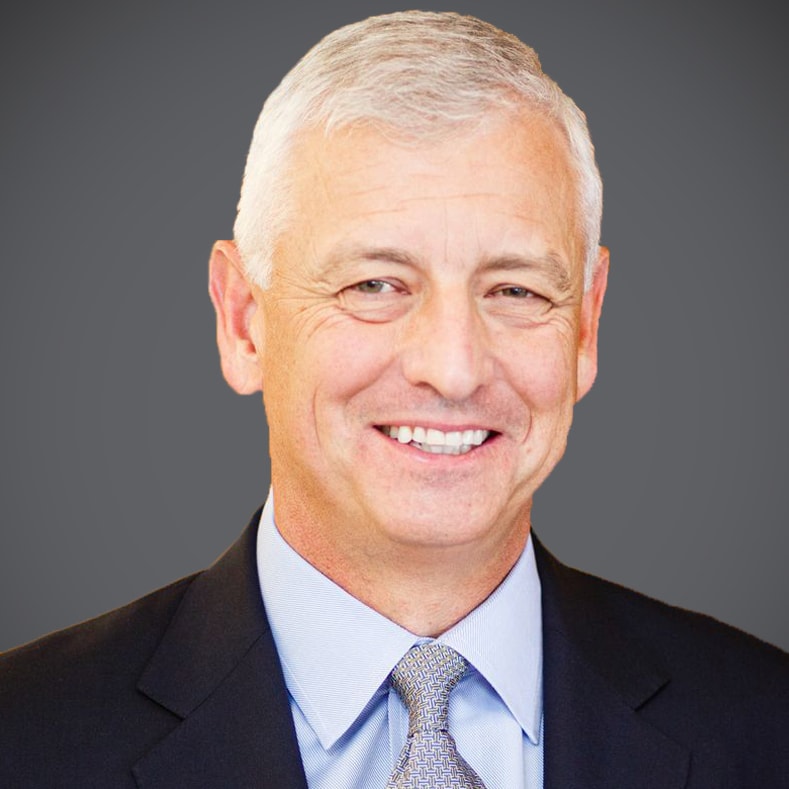
Troy Rudd and the price of a promise
He rose through finance to lead a business built on engineering judgment. At AECOM, Troy Rudd is betting on shared expertise and artificial intelligence - while an old contract tests his promise of a lower-risk future.
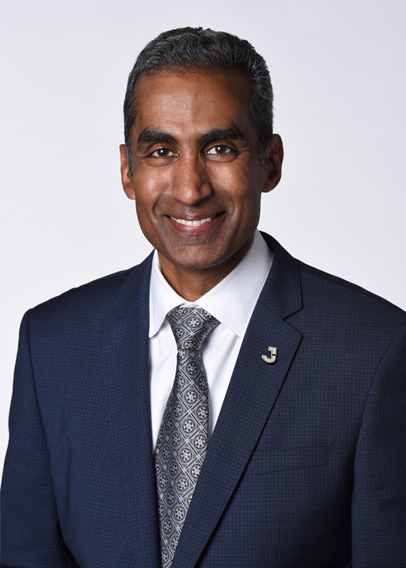
Bob Pragada and the art of making things work
A Navy engineer who kept Camp David running now leads Jacobs through a different kind of reconstruction. His career connects the discipline of service with the physical demands of the AI age.
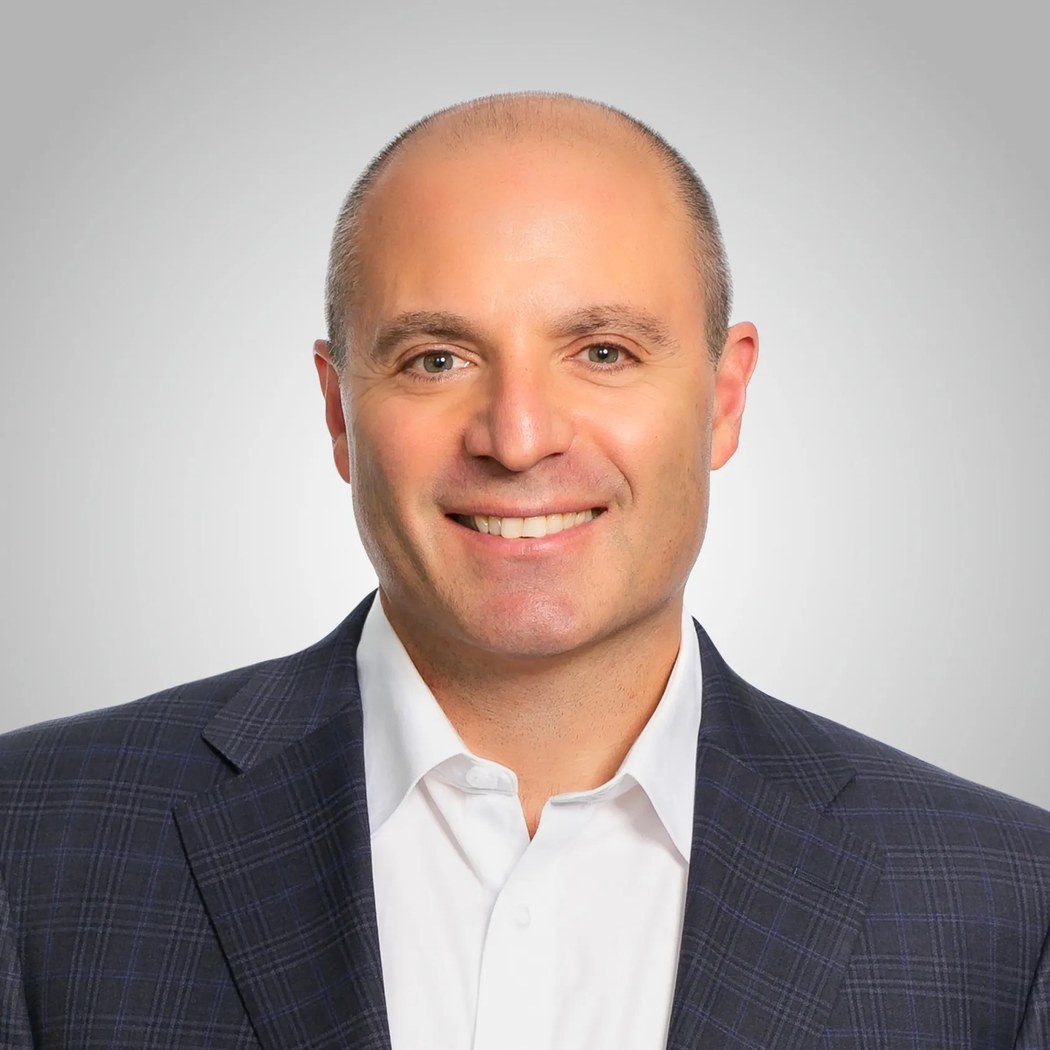
Scott Salmirs and the value of being overlooked
He left Wall Street’s facilities departments for a janitorial services company. At ABM, Scott Salmirs has spent two decades making a case for the work that keeps everyone else working.

Steve Butler and the business of the missing connection
He built a mobile-tower business, then turned to the electricity grid. At Symphony Infrastructure Partners, Steve Butler is applying a familiar idea to a different network: bring the builders, the capital and the long-term responsibility together.
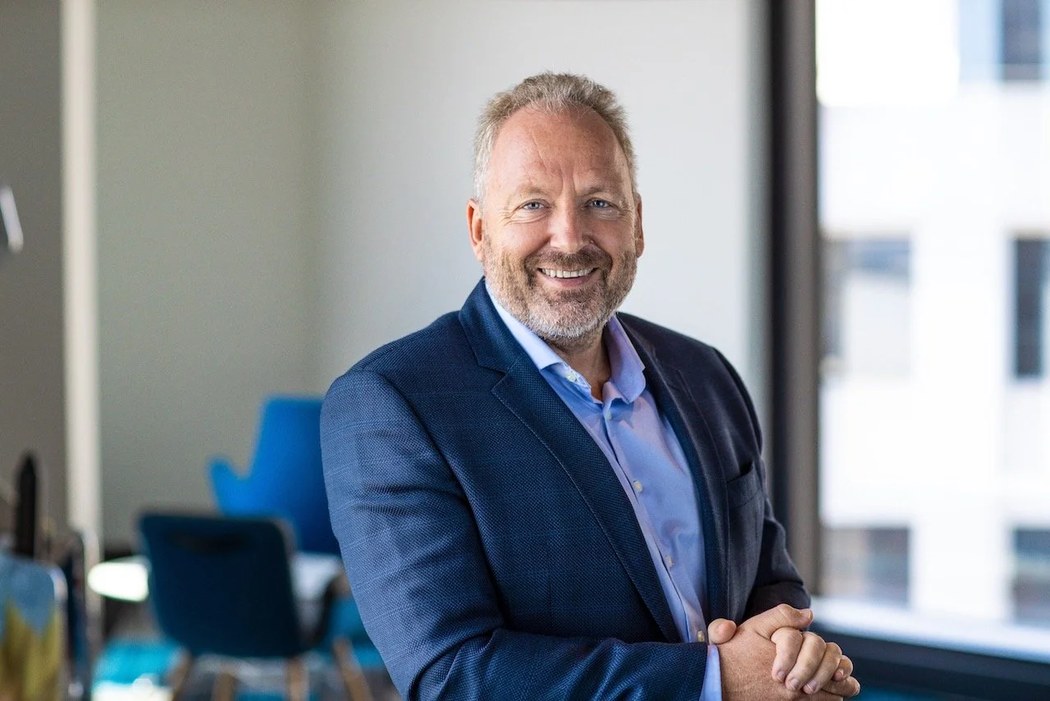
Rod Drury and the trouble with staying small
He helped move the small-business ledger into the cloud, then turned to the connections missing closer to home. Rod Drury’s story runs from a Wellington apartment to Queenstown infrastructure - and, in 2026, a reckoning over accountability.
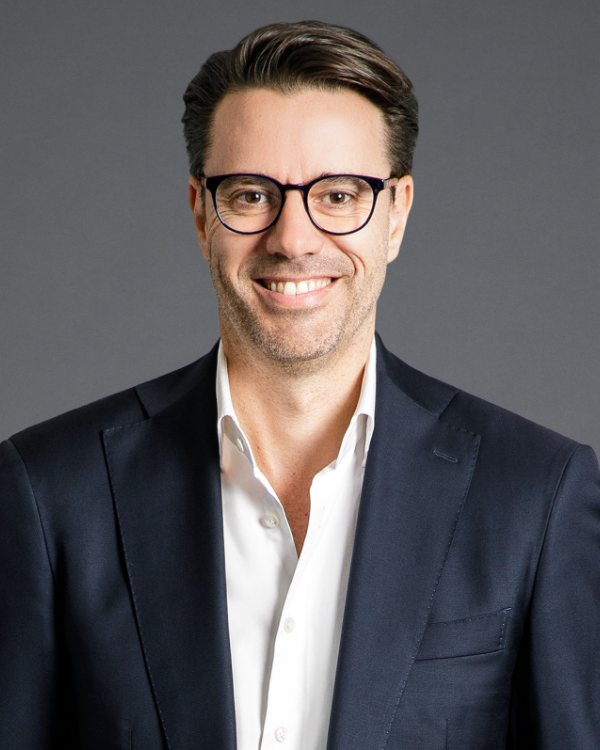
Chris Green and the value of a place to park
He grew up on an Australian farm and went on to lead Macquarie’s global real estate business. At GreenPoint Partners, Chris Green is putting land, technology and the people who run them into the same investment.

Hanno Blankenstein and the distance between seeing and doing
From a Flight Simulator plug-in to industrial computer vision, Hanno Blankenstein has kept returning to one question: how does a better view become a better decision? At Unleash live, the answer has to work in the field.
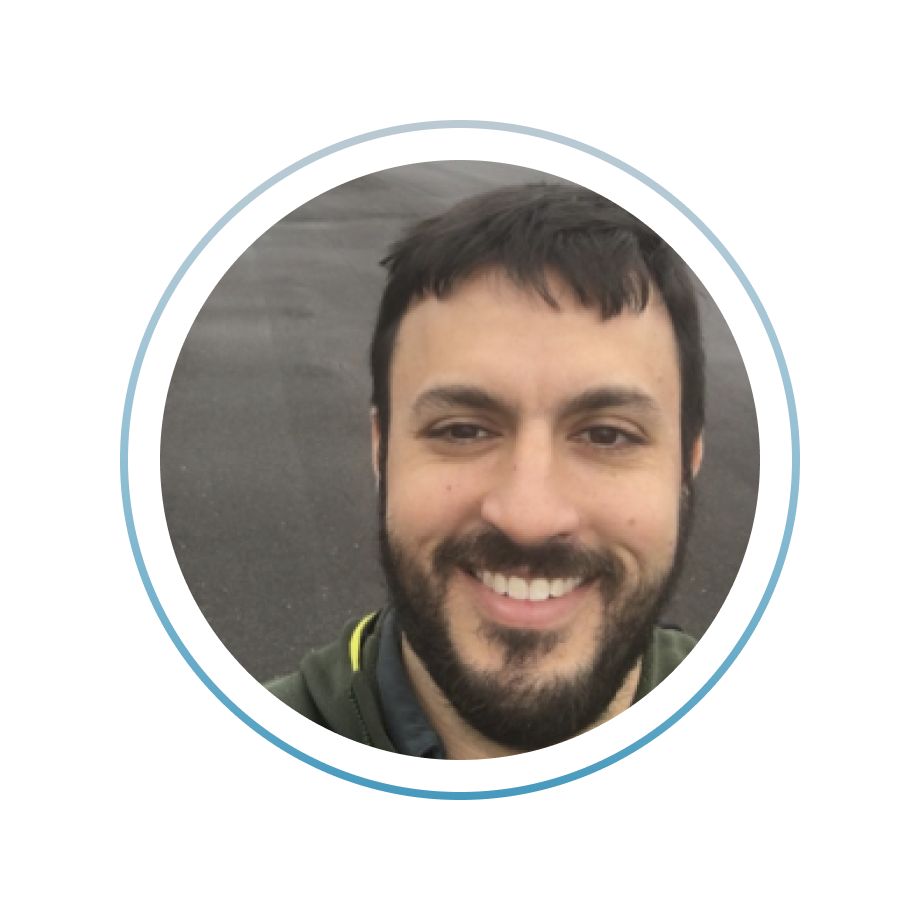
Matt Rosenthal and the value of looking down
A phone call about labeling sewer videos became SewerAI. Matt Rosenthal’s next question is what cities should do with everything they can now see.
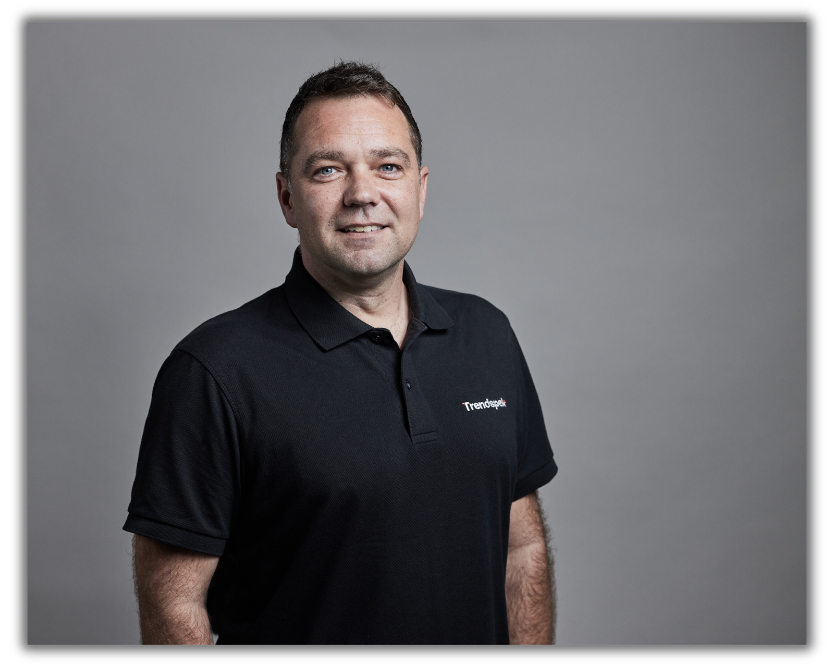
Derek Feebrey and the buildings that need a logbook
He wanted to fly a jumbo jet. After years in a Qantas cockpit, Derek Feebrey found a second calling: helping bridges, ports and buildings keep a record that survives the people who look after them.
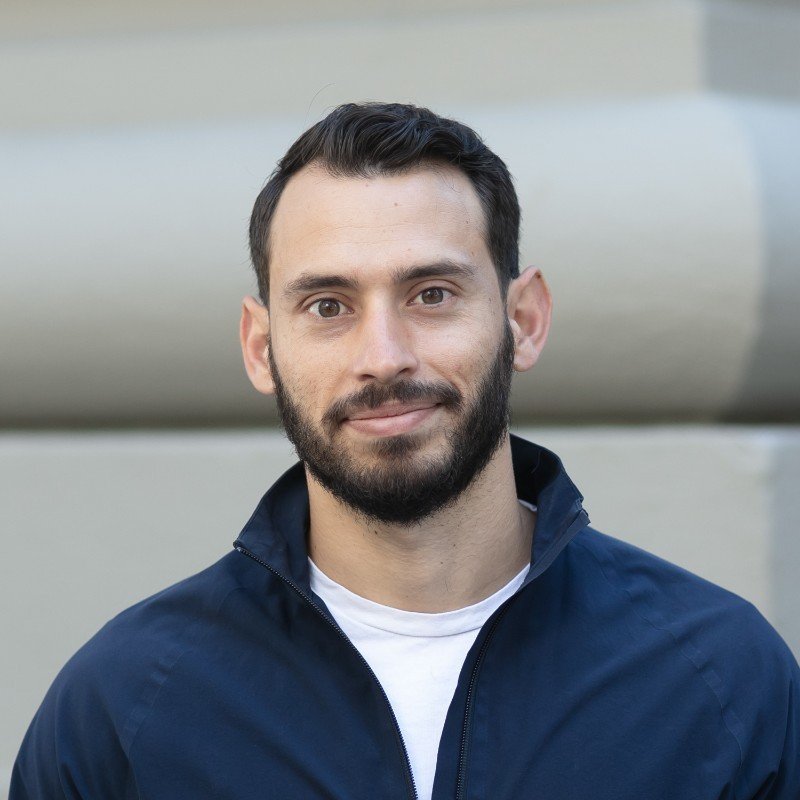
Dimi Kellari and the trouble with a perfectly good design
Before co-founding Neion Bio, Demetrios (Dimi) Kellari studied why aircraft designs persist and helped build systems for solar energy and autonomous roads. His career keeps returning to a practical question: when should you improve the machinery, and when should you change the design?
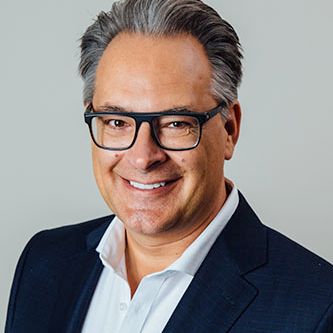
Elroy Gust and the business of coming back
An elevator needs another service visit. A water utility needs another day of reliable operation. Elroy Gust has built Newlook Capital around the work that keeps returning.
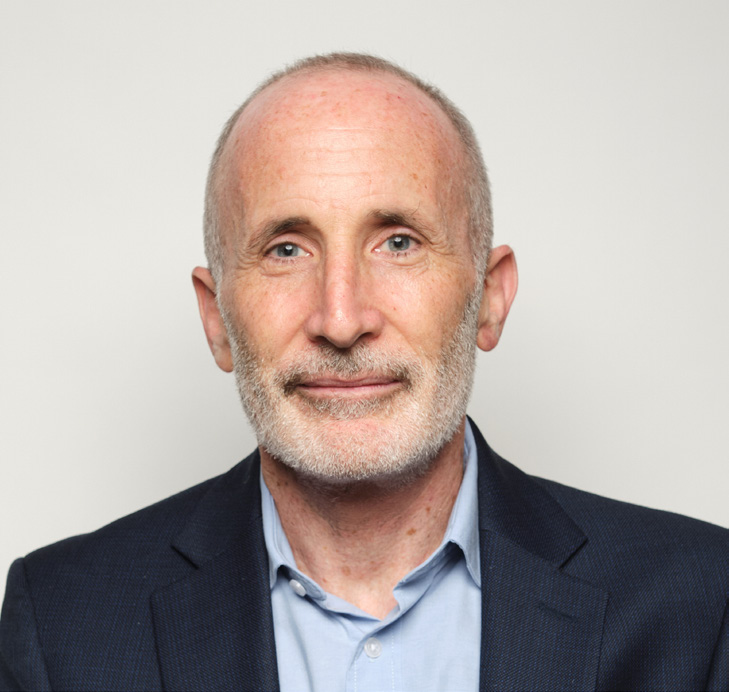
David Feingold and the business beneath the surface
Before a house comes a road. Before a crypto mine comes a power connection. David Feingold’s career follows the work underneath the finished product - and the questions that come with managing other people’s money.
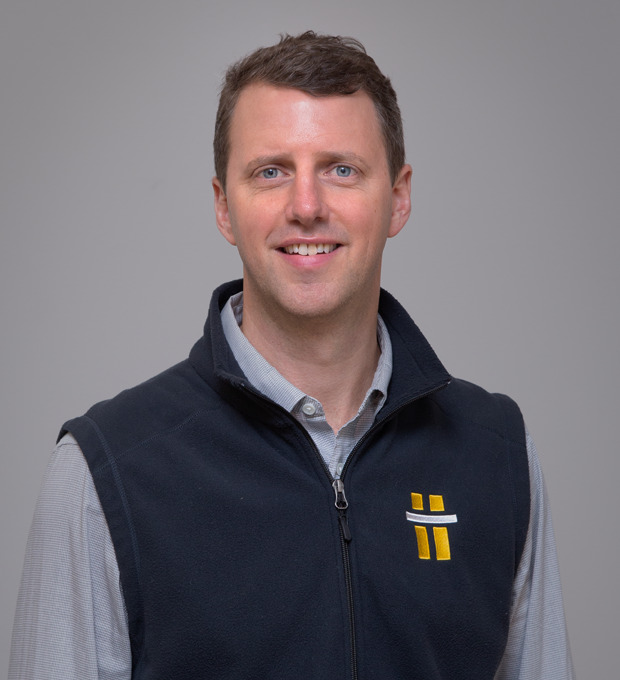
Geoff Dillon and the art of going unnoticed
He moved from New York finance to the roads of the Midwest. At Heritage Construction + Materials, Geoff Dillon is building a business around work most people notice only when it goes wrong.
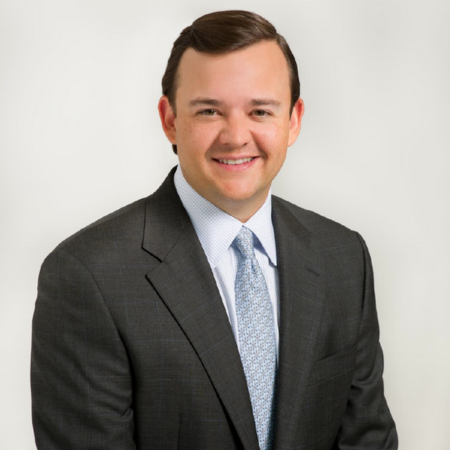
Brad Morgan and the business of taking your time
At Platform Partners, Brad Morgan has helped build an investment firm designed to keep its options open. His work with founders shows what can happen between buying a business and deciding to sell it.
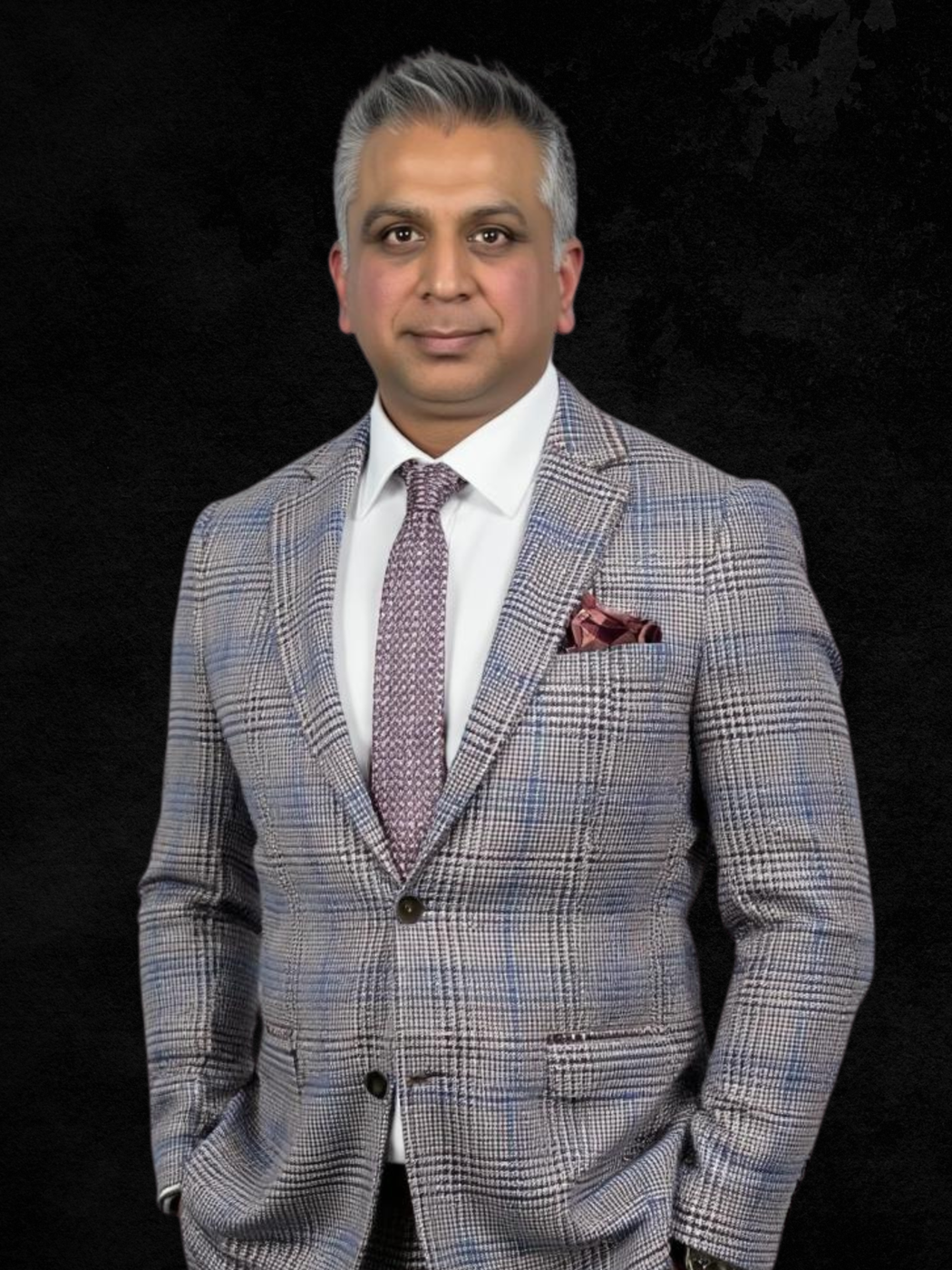
Rupesh Amin and the business of showing up
A ferry can cross the Salish Sea in 70 minutes. Building a service people can depend on takes longer. For Conqora founder Rupesh Amin, Hullo puts a career in infrastructure to a very public test.
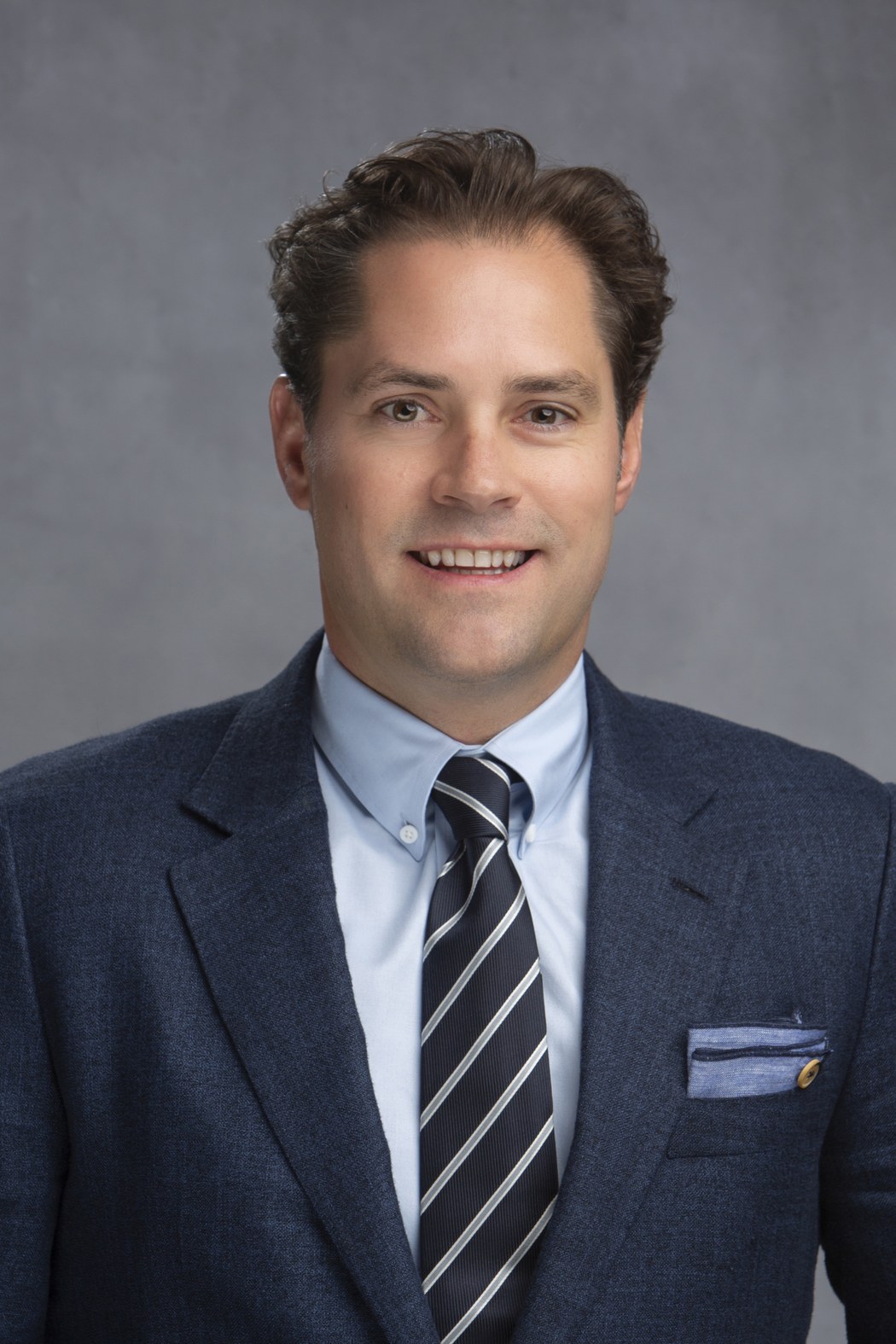
Jay Fields and the business of getting closer to the ground
Jay Fields expanded his father’s steel distribution business into manufacturing, real estate and a record label. A purchase from his father’s former employer offers a useful place to begin.
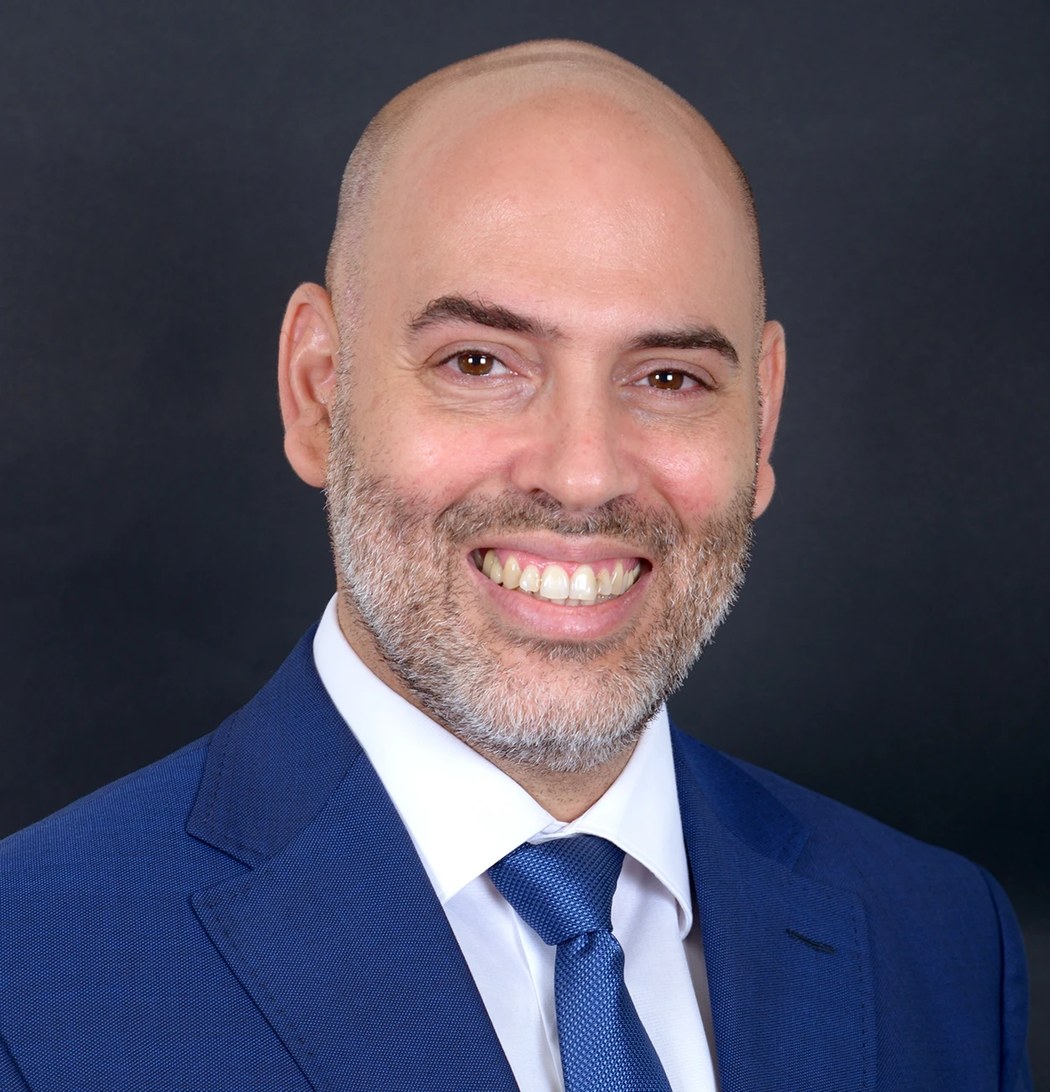
Rayan Khraibani and the decision before the decision
Before leading Mindsets into Houston and Rotterdam, Rayan Khraibani studied the choices behind Beirut’s port. His career follows a persistent question: how do you decide what is worth building?
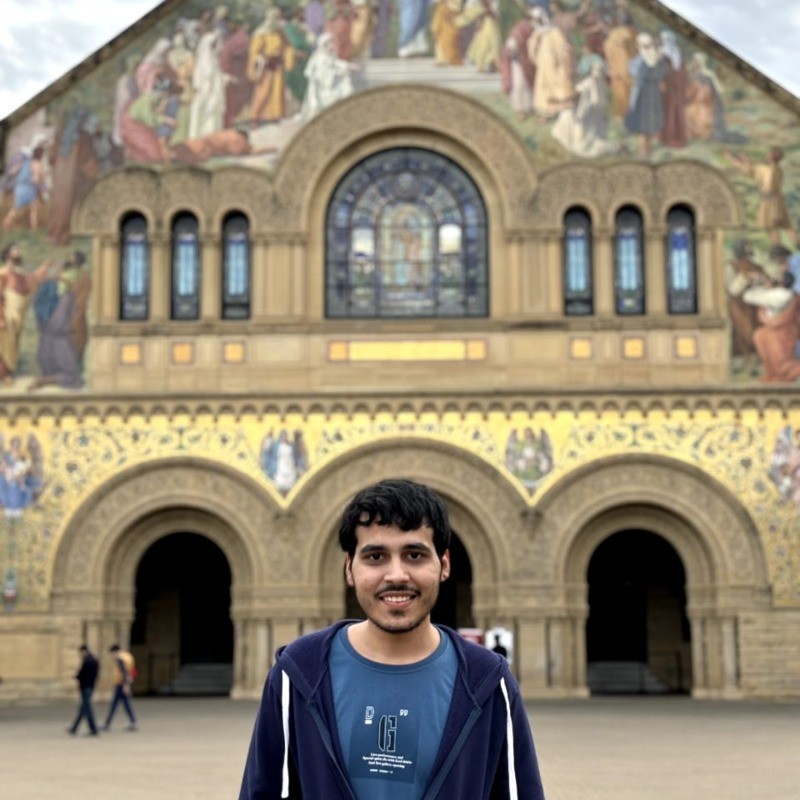
Harsh Trivedi and the Code Beneath the Interview
Before Mercor’s AI could interview candidates at scale, somebody had to turn plain templates into dependable machinery. Harsh Trivedi’s rise from intern to founding engineer is the quieter story inside that transformation.
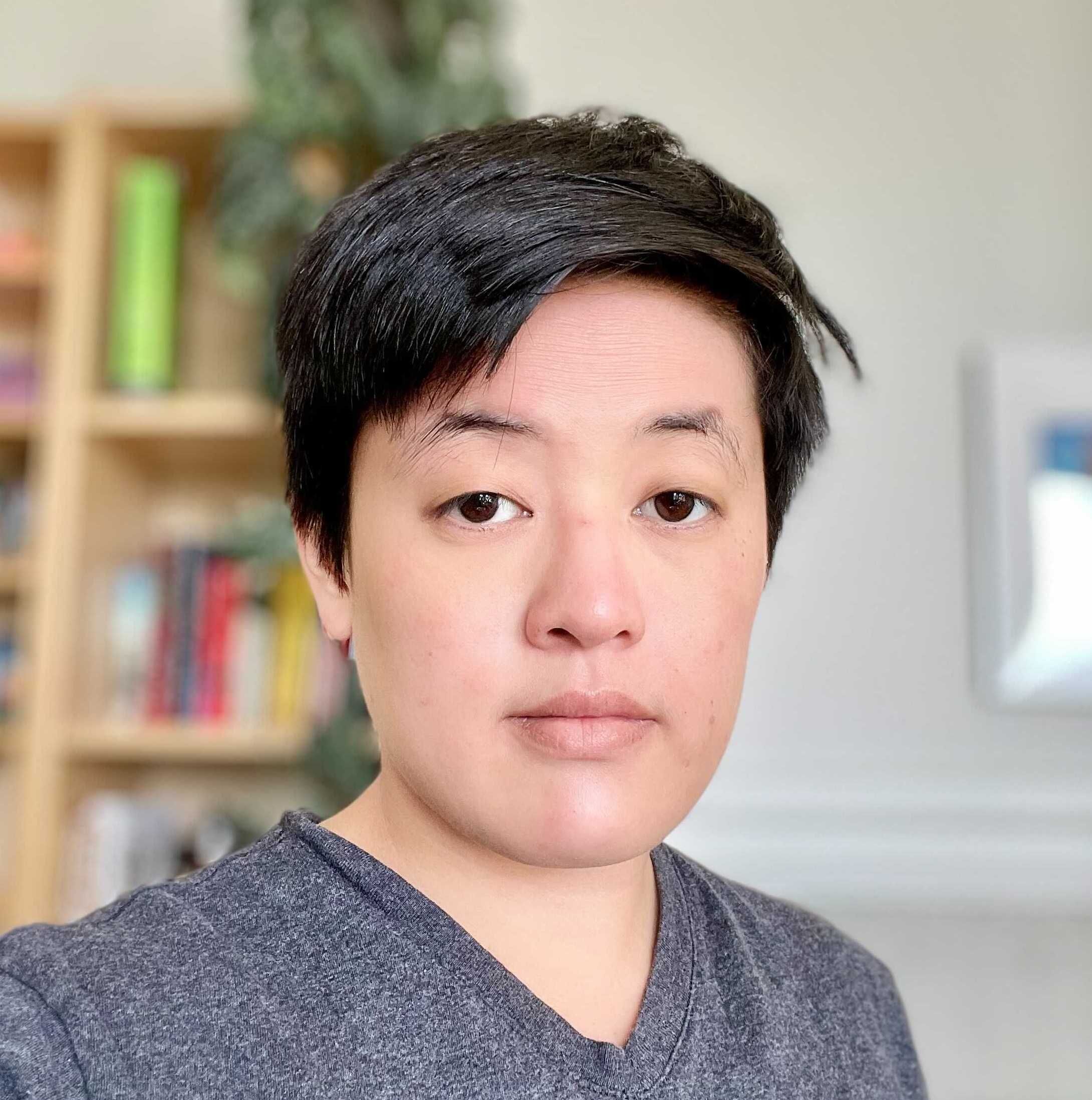
Ellen Hui Put the Backend Engineer in the Boardroom
After petabyte queries, self-driving reliability, and real-time video, Ellen Hui tried to repair the place where company data so often goes to lose its freshness: the slide deck.
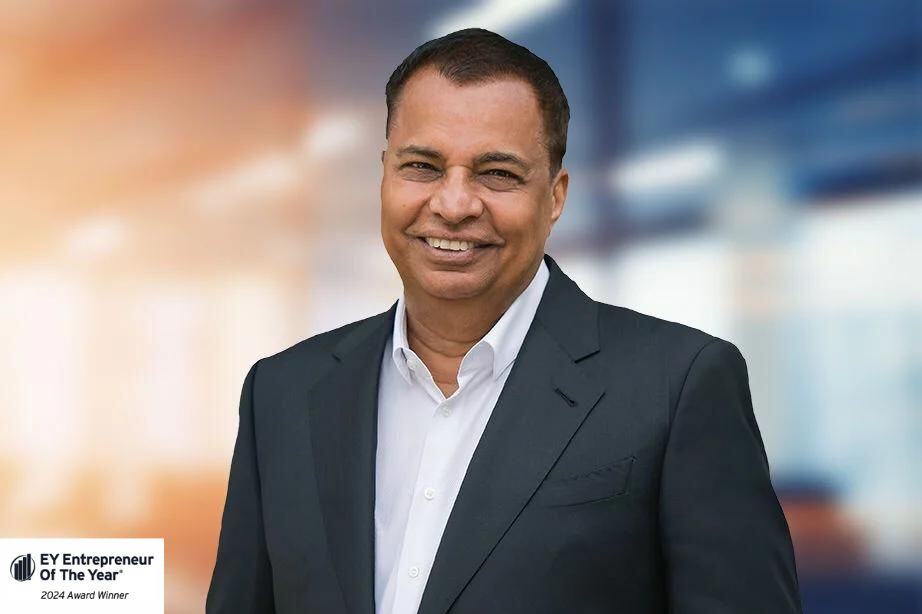
Hersh Saluja Built E2 One Practical Problem at a Time
He started as E2’s only engineer in 1988. Nearly four decades later, the firm had become an 800-plus-person infrastructure business - and its founder was learning how to hand the controls forward without walking away.
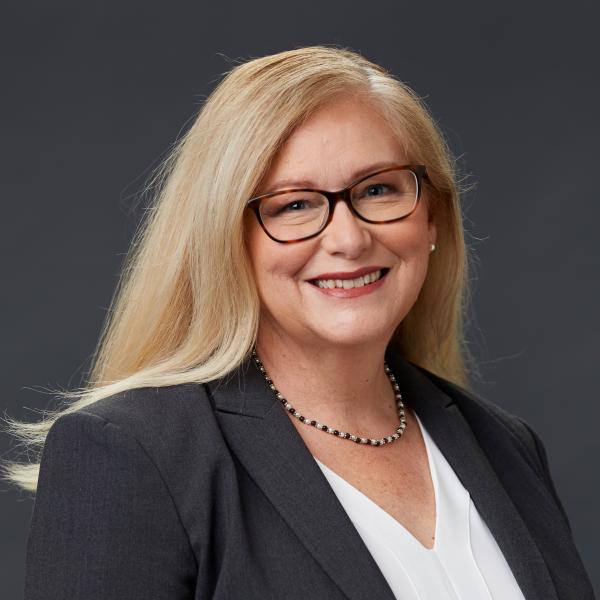
Erin Kuhlman Builds the Story Behind the Concrete
For more than 30 years she has done a quietly difficult job - making roads, bridges, and quarries mean something. As Granite Construction's marketing and communications chief, Erin Kuhlman turns dirt, gravel, and concrete into a story people want to tell.
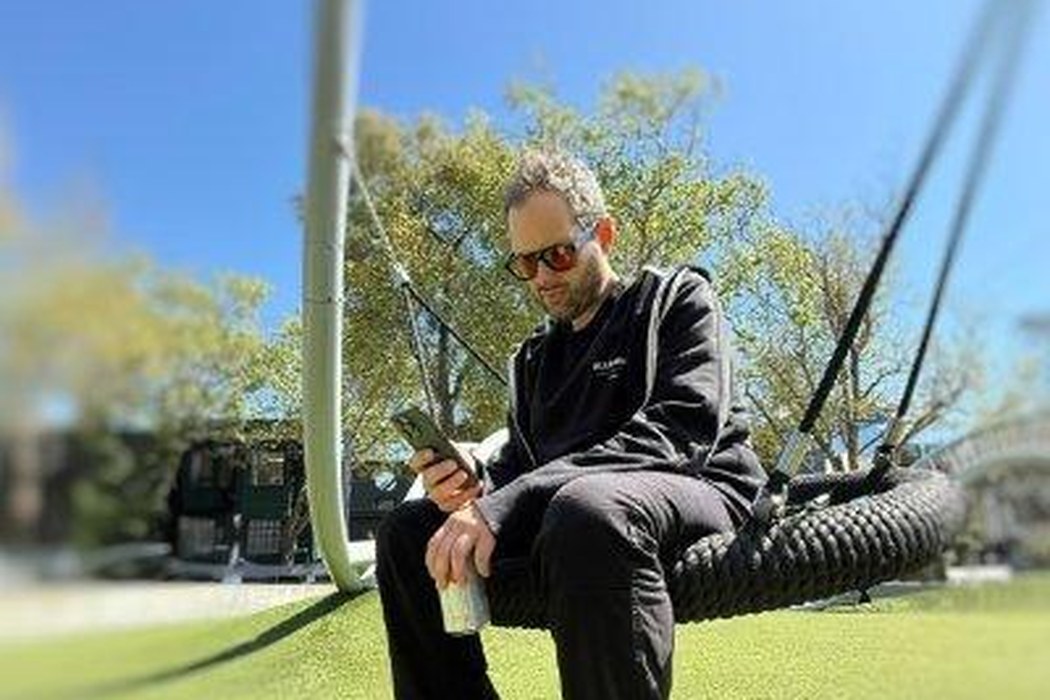
Sam Lambert
Sam Lambert is the CEO and President of PlanetScale, the database company built on Vitess, the MySQL scaling technology that once powered YouTube. A database engineer by trade, he started as GitHub's first DBA in 2013 and spent roughly eight years there, rising to VP of Engineering leading a 350-person infrastructure and platform organization through the era GitHub scaled to tens of millions of users. After a short stint at Facebook working on internet-scale video infrastructure, he joined PlanetScale as an investor and advisor, became Chief Product Officer, and was named CEO in July 2021. He is known for a product philosophy centered on databases that 'just work' and never go down, a bias toward taste and craft, and blunt views on leadership.
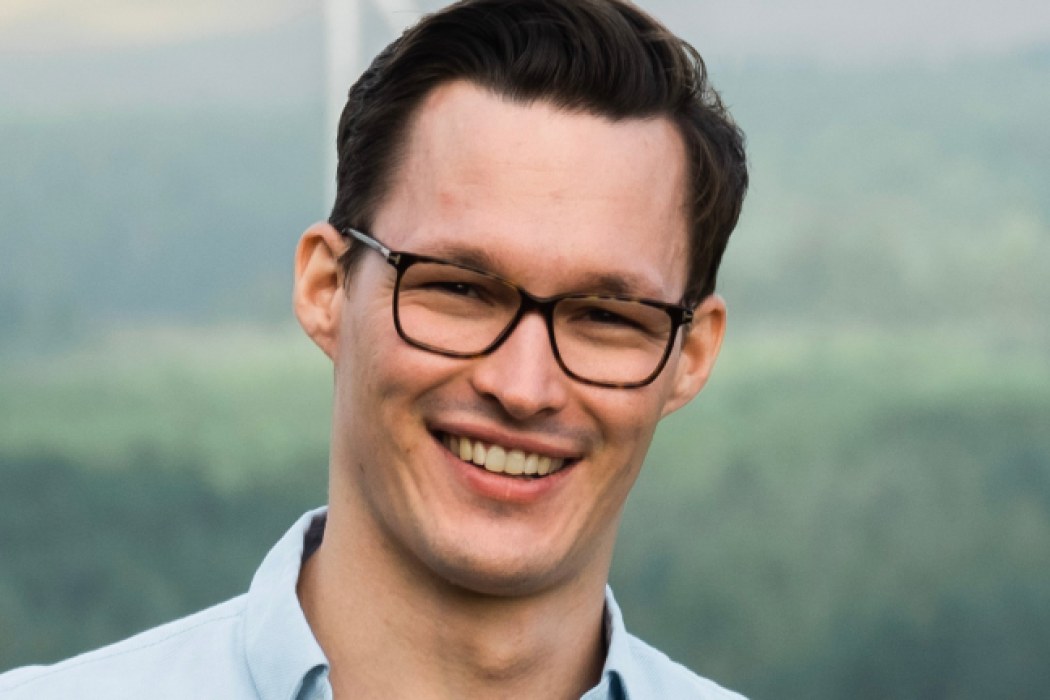
Grzegorz Marecki
Grzegorz Marecki is the co-founder and CEO of Continuum Industries, an Edinburgh-based company whose AI platform Optioneer helps engineers design linear infrastructure - power lines, pipelines, cables and rail - in a fraction of the usual time. A civil engineer by training who grew frustrated with slow traditional practice, he channelled that impatience into a student hyperloop project and then into a software business that iterates through millions of routing options to find better, cheaper, more sustainable designs. The company has assessed tens of thousands of kilometres of infrastructure and raised roughly $15.5 million, including a $10 million Series A led by Singular in 2023.

Kris Beevers
Kris Beevers is the co-founder and CEO of NetBox Labs, the commercial steward of the open-source NetBox platform that has become a default system of record for network and infrastructure teams. An engineer with a Ph.D. in computer science from RPI, he previously co-founded and led NS1, the DNS and application-delivery company acquired by IBM in 2023. NetBox Labs raised a $35M Series B in July 2025, bringing total funding to $55M, and serves tens of thousands of organizations including hyperscalers, Fortune 500 companies, and government agencies as AI drives surging demand for infrastructure.